


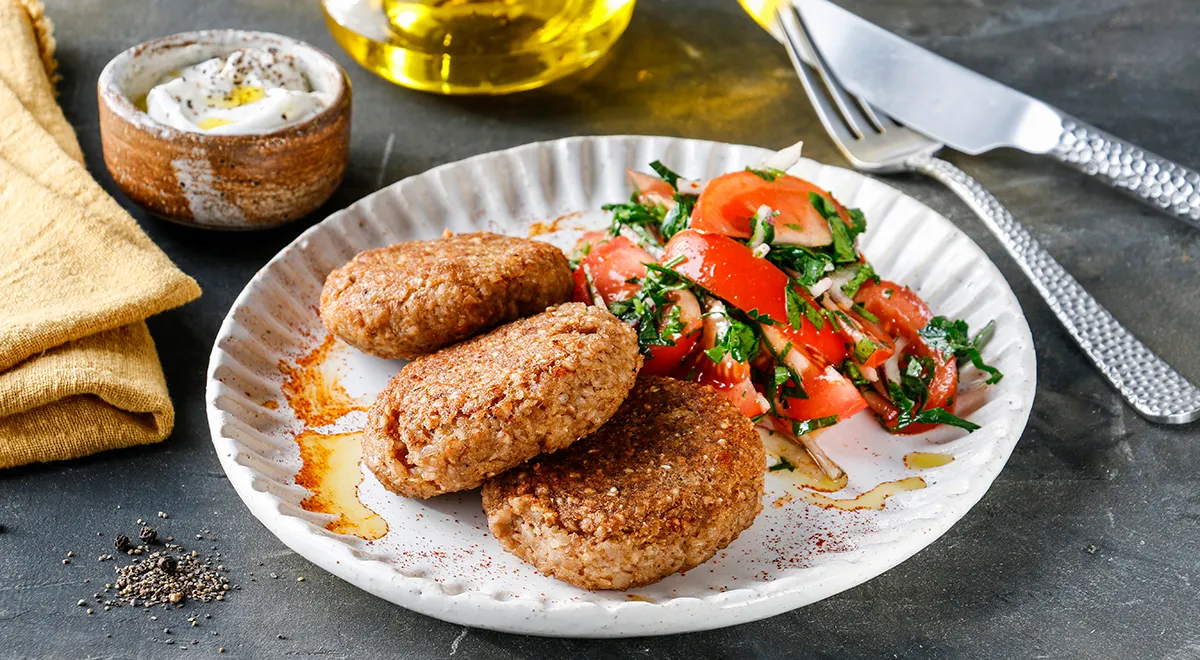
There is something profoundly satisfying about transforming a humble grain into a crispy, golden patty that sings with earthy depth. In Russian cuisine, buckwheat (grechka) has long been revered as a nourishing staple, yet it rarely steps beyond the bowl of porridge or the edge of a plate alongside meat. Enter these buckwheat cutlets – a revelation for vegans, vegetarians, and anyone observing fasting traditions. They are nutritious, remarkably simple to prepare, and utterly delicious. This recipe unlocks the full culinary potential of buckwheat, yielding patties that are crispy on the outside, tender within, and full of savory complexity thanks to a clever blend of spices and aromatics.
Why Buckwheat Deserves a Starring Role
Buckwheat is not just another grain; it is a pseudocereal packed with protein, fiber, and essential minerals like magnesium and iron. Its nutty, almost toasty flavor pairs beautifully with the subtle sweetness of onion and the creamy binder that potato provides. These cutlets are a perfect example of how plant-based cooking can be both rustic and refined. For more inspiration on using whole foods in clever ways, explore our guide to the best food processor for nut butter – though here, a simple blender does the trick. The key to their success lies in achieving the right texture: a coarse, cohesive mash that holds together during frying without becoming dense.

Ingredients
- 210 g buckwheat groats
- 500 ml drinking water
- 300 g potatoes
- 100 g onions
- 2 garlic cloves
- 1 teaspoon ground paprika
- Vegetable oil for frying, as needed
- Salt to taste
- Freshly ground black pepper to taste
The beauty of this ingredient list is its simplicity – most items are pantry staples. For the best results, use high-quality organic buckwheat if available.
Step-by-Step Method
Step 1: Cook the Buckwheat
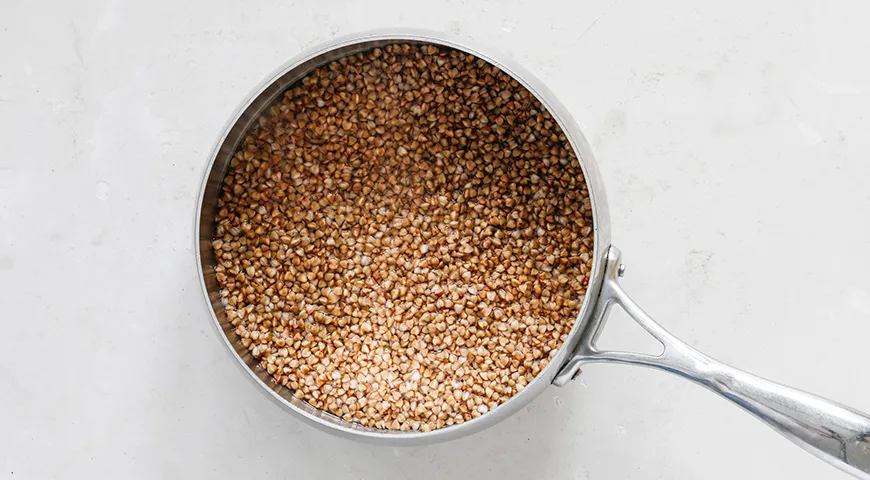
Pick over the buckwheat groats to remove any debris, then rinse under cold running water. Transfer to a saucepan and pour in 500 ml of hot water. Add a pinch of salt and place over high heat. Bring to a boil, then cook for about 10 minutes until the water surface begins to clear. Reduce heat to low and continue cooking for another 10 minutes until all liquid is absorbed. Remove from heat and let cool slightly.
Step 2: Prepare the Vegetables
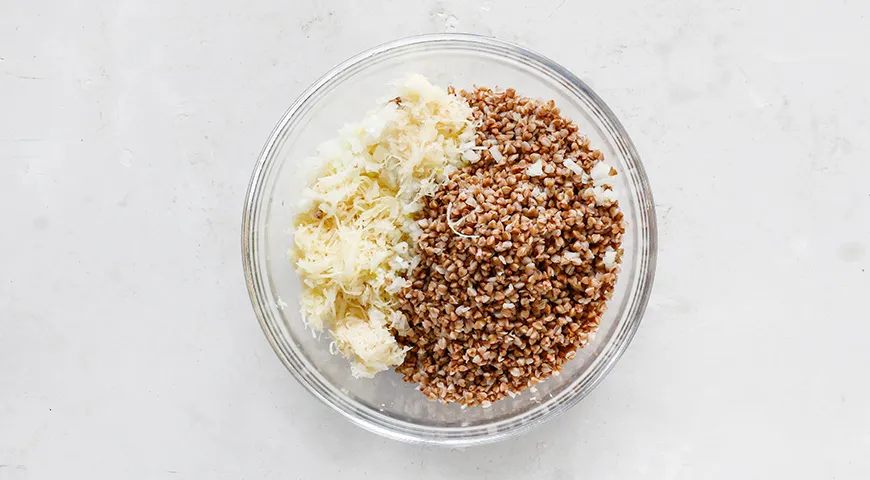
Peel the potatoes and grate them on a fine grater. Place the grated potato in a clean kitchen towel or cheesecloth and squeeze out as much liquid as possible. Finely chop the onion. Peel the garlic and pass it through a press. Transfer the cooked buckwheat to a large mixing bowl. Add the squeezed potato, chopped onion, and pressed garlic.
Step 3: Season and Blend
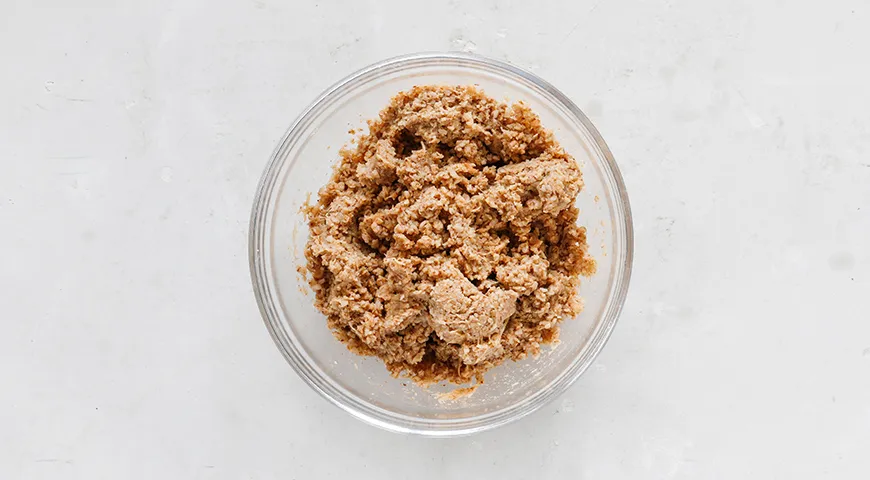
Season the mixture with salt, plenty of freshly ground black pepper, and the ground paprika. Stir to combine, then use an immersion blender or food processor to blend until the mixture becomes a cohesive, slightly chunky paste. Be careful not to over-blend – you want some texture remaining. This is your buckwheat “mince.”
Step 4: Form and Fry
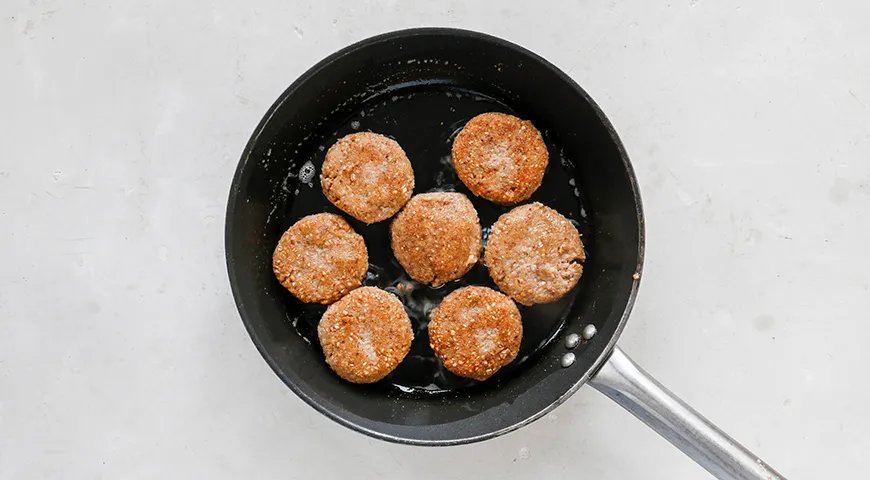
Shape the mixture into small patties, about 2–3 cm thick, and place them on a board or plate. Heat a large skillet over medium heat and add enough vegetable oil to coat the bottom generously. Once hot, carefully place the patties in the pan – work in batches to avoid overcrowding. Fry for 3–4 minutes per side until deep golden brown and crisp. Transfer to a paper towel-lined plate to drain excess oil. Serve immediately with your favorite dipping sauce or a dollop of vegan sour cream.
Tips for Perfect Buckwheat Cutlets
- Grate finely: The finer the potato, the better it binds the mixture. A non-toxic immersion blender works wonders for blending the final mix.
- Don’t skip squeezing: Excess moisture from the potato will make the patties fall apart. Squeeze thoroughly.
- Chill before frying: If the mixture feels too soft, refrigerate for 20 minutes to firm up.
- Oil temperature: The oil should be shimmering but not smoking. Use an oil sprayer for even coverage if desired.
- Batch cooking: These freeze beautifully. Fry, cool, then store in an airtight container. Reheat in an air fryer for extra crispness.
Variations to Explore
Once you master the basic recipe, feel free to experiment. Add finely chopped fresh herbs like dill or parsley, a pinch of cumin or smoked paprika for depth, or fold in chopped walnuts for crunch. For a gluten-free version, ensure your paprika is pure and avoid any cross-contamination. These cutlets also pair wonderfully with a tangy sweet wine reduction sauce for an unexpected twist. If you’re new to buckwheat, consider trying our Catalan sponge cake for a sweet contrast – but honestly, these savory patties might become your new obsession.
Frequently Asked Questions
Can I use already cooked buckwheat?
Yes, this recipe works with leftover buckwheat – just ensure it is not too wet. You may need to adjust the potato quantity to balance moisture. For best texture, cook fresh as directed.
Are these cutlets vegan and gluten-free?
Absolutely! The recipe contains no eggs, dairy, or wheat. Buckwheat itself is gluten-free, but always check packaging for possible cross-contamination if you have celiac disease.
What can I serve with buckwheat cutlets?
They are excellent with a simple tomato salsa, garlic yogurt (use vegan yogurt), or a side of steamed greens. For a heartier meal, pair with roasted mushrooms or a quick lentil soup made in a pressure cooker.
Can I bake these instead of frying?
Yes. Preheat your oven to 200°C (400°F) and line a baking sheet with parchment. Brush the patties lightly with oil and bake for 20–25 minutes, flipping halfway through, until golden. A convection oven speeds up the process and gives a crisp exterior.
How do I prevent the cutlets from falling apart?
Ensure the potato is well-drained, blend the mixture until it holds together (a good food processor helps), and handle gently when turning. If the mixture is too sticky, add a tablespoon of chickpea flour or ground flax seeds.
Can I replace potatoes with something else?
For a lower-carb version, try cooked cauliflower rice or mashed sweet potato. Note that the texture and browning will change slightly. For more plant-based binding ideas, browse our planetary mixer guide – though here, hand mixing suffices.
How long do leftovers keep?
Store fried cutlets in the refrigerator for up to 4 days. Reheat in a skillet or air fryer. They also freeze well for up to 3 months. For convenience, we love using an undercounter ice maker to keep drinks cold while we cook – but that’s a different story!
Final Thoughts
These buckwheat cutlets are a testament to the elegance of simple, plant-based cooking. They are budget-friendly, endlessly adaptable, and deeply satisfying. Whether you’re observing a fast, exploring vegan cuisine, or simply looking for a new way to enjoy buckwheat, this recipe deserves a place in your repertoire. For more kitchen inspiration, check out our reviews of the best espresso machine under $2000 – because after a meal this good, you deserve a perfect espresso. Now, get cooking and enjoy the humble magic of buckwheat.







