


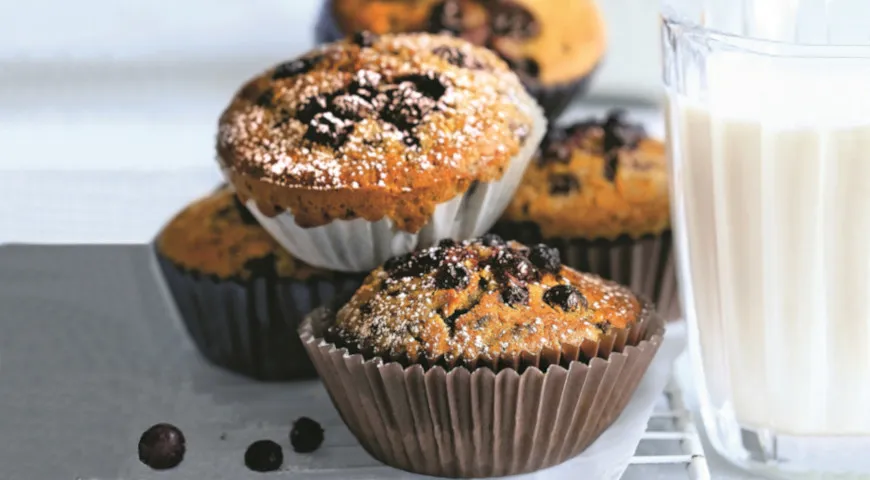
There is something utterly delightful about a tender, berry-studded muffin that feels both indulgent and virtuous. These blueberry muffins, made with rice flour instead of traditional wheat, offer a delicate crumb and a subtle sweetness that lets the fruit shine. Originating from the Asian tradition of using rice flour in everything from the iconic Japanese mochi to hearty noodles, this recipe brings a gluten-free elegance to the classic teatime treat. Packed with protein, potassium, and B vitamins, rice flour transforms simple muffins into a nourishing pleasure. Whether you are exploring gluten-free baking or simply seeking a lighter texture, this recipe will become a staple in your kitchen.
About Rice Flour Muffins
Rice flour has long been celebrated in Asian cuisines for its neutral flavour and silky texture. Unlike wheat flour, it absorbs moisture differently, resulting in a more tender, almost cake-like crumb. In this blueberry muffin recipe, the combination of rice flour, cornstarch, and a touch of natural yogurt creates a batter that is both light and stable. The frozen blueberries release just enough juice to create pockets of fruity sweetness without making the batter soggy. This balance is key to achieving that perfect dome and soft interior.

If you are new to gluten-free baking, you might find that using a planetary mixer helps incorporate the ingredients evenly, though a simple whisk and bowl work beautifully. The technique here is intentionally straightforward, letting the quality of the ingredients shine.
Ingredients
- 120 g frozen blueberries
- 120 ml skimmed natural yogurt
- 55 g unsalted butter, softened
- 50 g white sugar
- 30 g brown sugar
- 30 g cornstarch
- 2 large eggs
- 0.5 tsp baking powder
- 0.25 tsp baking soda
- Pinch of salt
- Icing sugar for dusting
All measurements are metric. Using a convection oven will help the muffins bake evenly, though a standard oven works perfectly as long as the temperature is accurate. For best results, ensure your baking powder and soda are fresh.
Step-by-Step Method
Step 1: In a mixing bowl, combine the rice flour, cornstarch, baking powder, baking soda, white sugar, brown sugar, and salt. Stir to distribute evenly. Make a well in the centre. Crack in the eggs, add the yogurt, and drop in the softened butter. Use a fork to mash the butter into the dry ingredients, then whisk everything together until you have a smooth, thick batter. Be careful not to overmix—stop as soon as the flour disappears.
Step 2: Fold in the majority of the frozen blueberries (reserve a handful for topping). Gently mix so the berries are evenly dispersed. The batter will be quite stiff; this is normal and ensures the muffins rise properly.
Step 3: Preheat your oven to 180°C (350°F). Line a silicone muffin mould with paper liners, or place paper liners directly in a metal muffin tin. Divide the batter evenly among the cups, filling each about two-thirds full. Press the reserved blueberries into the tops of each muffin. Bake for approximately 20 minutes, or until a skewer inserted into the centre comes out clean. The tops should be golden and spring back when lightly touched. A wall oven microwave combo with air fryer can also be used for this step, adjusting time as needed.
Step 4: Once baked, remove the muffins from the silicone mould (if used) and let them cool on a wire rack for 5 minutes. Dust generously with icing sugar just before serving. For an extra touch, pair with a cup of high-quality coffee or tea.
Tips for Perfect Rice Flour Muffins
Do not overmix: Rice flour lacks gluten, but overworking the batter can still lead to a dense texture. Mix until just combined.
Frozen blueberries are ideal: They hold their shape better than fresh during mixing and prevent the batter from turning blue. However, if using fresh, toss them in a teaspoon of rice flour first.
Check your oven temperature: An accurate oven is crucial. Using a best wall oven microwave combo with air fryer can provide even heat distribution. Alternatively, an oven thermometer ensures precision.
Silicone moulds: These are perfect for rice flour muffins because the batter sticks less. If using metal pans, grease them well or use high-quality paper liners. A food processor for nut butter is not needed here, but a good handheld mixer can speed up the initial mixing.
Variations to Explore
Once you master this base recipe, feel free to experiment. Replace blueberries with raspberries or diced peaches. Add a teaspoon of lemon zest for brightness. For a tropical twist, substitute the yogurt with coconut milk yogurt and add shredded coconut. The delicate rice flour base also works beautifully with chocolate chips or chopped nuts. If you are avoiding dairy entirely, use a plant-based yogurt and vegan butter. For a deeper flavour, try sweet wine reduction brushed on top after baking—it pairs surprisingly well with the berries.
These muffins also freeze wonderfully. Wrap individually and store for up to three months. Thaw at room temperature and refresh in a non-toxic air fryer for a few minutes to revive the crisp edges.
Frequently Asked Questions
Can I use fresh blueberries instead of frozen?
Yes, but fresh berries are more delicate. Toss them lightly in rice flour before folding into the batter to prevent sinking and to keep the batter from turning purple. Frozen berries are actually preferred for their firmer texture.
Is rice flour the same as glutinous rice flour?
No. Regular rice flour (used here) is made from long- or medium-grain rice and is gluten-free. Glutinous rice flour (also called sweet rice flour) has a higher starch content and creates a chewier texture, ideal for mochi. Stick with standard white rice flour for these muffins.
Can I replace the yogurt with another liquid?
You can substitute with buttermilk, kefir, or a non-dairy yogurt. The acidity from the yogurt helps activate the baking soda, so if using a neutral alternative, add a teaspoon of lemon juice or vinegar to the milk. For a richer texture, use full-fat yogurt.
Why did my muffins turn out dense?
Possible reasons include overmixing the batter, under-measuring the leavening agents, or using expired baking powder. Rice flour batters can also be sensitive to humidity—store your flour in an airtight container. Ensure your refrigerant leak detector is not needed here, but rather check that your baking powder is fresh.
Can I make this recipe vegan?
Absolutely. Use a flax egg (1 tbsp ground flaxseed mixed with 3 tbsp water per egg) and replace the butter with coconut oil or vegan margarine. Choose a plant-based yogurt. The texture will be slightly different but still delicious.
How should I store these muffins?
Store in an airtight container at room temperature for up to three days. For longer storage, freeze them individually. A undercounter ice maker machine is not related, but a good freezer bag will do. Reheat in a toaster oven or microwave for 10–15 seconds.
What can I substitute for cornstarch?
Potato starch, tapioca starch, or arrowroot powder work in equal amounts. Cornstarch helps lighten the rice flour, so omitting it may result in a slightly denser muffin.
For more gluten-free baking inspiration, explore our Catalan sponge recipe, or check out non-toxic immersion blenders for smooth batters. If you love berry desserts, you might also enjoy chocolate-covered raisins as a snack alongside these muffins.







