


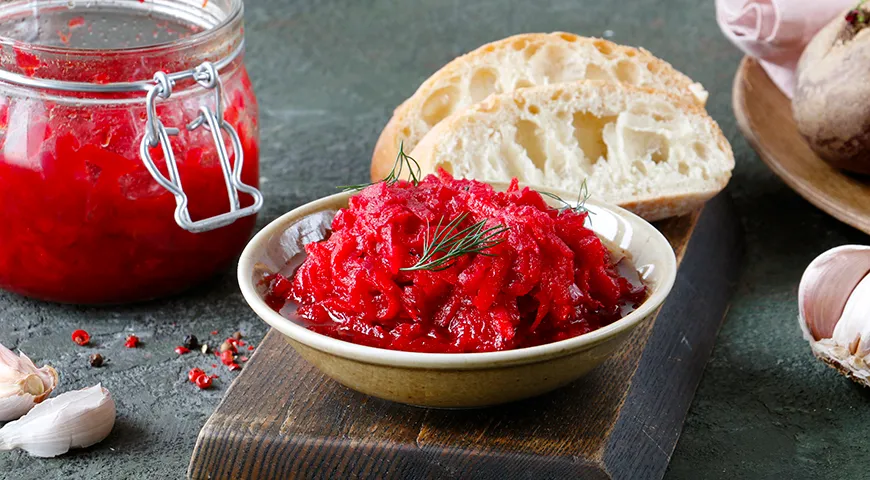
Beetroot caviar, or ikra iz svekly, is a hidden gem of Slavic cuisine. While zucchini or eggplant caviar often steal the spotlight, this ruby-hued spread offers an earthy sweetness and remarkable versatility. Perfect as a toast topper, a side dish, or a secret weapon for borscht, it transforms humble root vegetables into a luxurious preserve. Dive into this recipe and discover why beetroot caviar deserves a permanent place in your pantry.
About Beetroot Caviar
Originating from the tradition of preserving late-summer harvests, beetroot caviar is a staple in Russian households. Its deep color comes from beets, but the balance of sweet carrots, tangy tomatoes, and aromatic spices elevates it beyond simple vegetable mash. Enjoyed cold as a spread or warm as a soup base, it's both a comforting and elegant addition to any meal. The process, while requiring patience, rewards you with jars of vibrant flavor that last through winter.

Ingredients for the Perfect Spread
- Beets: 1 kg
- Onions: 500 g
- Carrots: 500 g
- Garlic: 5 cloves
- Tomatoes: 1 kg
- Vegetable oil: 180 ml
- Apple cider vinegar: 100 ml
- Water: 120 ml
- Sugar: 1 tbsp
- Ground nutmeg: a pinch
- Freshly ground black pepper: to taste
- Salt: to taste
Using fresh, high-quality produce is key. For efficient prep, consider a glass food processor and a non‑toxic immersion blender for smooth blending.
Step‑by‑Step Preparation
Step 1: Prepare the Vegetables
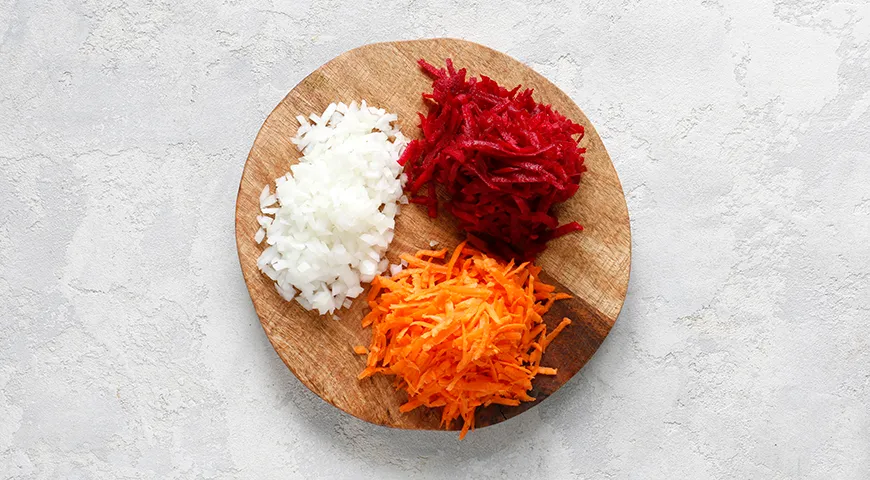
Peel and finely chop the onions. Peel and coarsely grate the carrots and beets. Peel and chop the garlic. A food processor makes grating effortless.
Step 2: Blanch and Blend Tomatoes
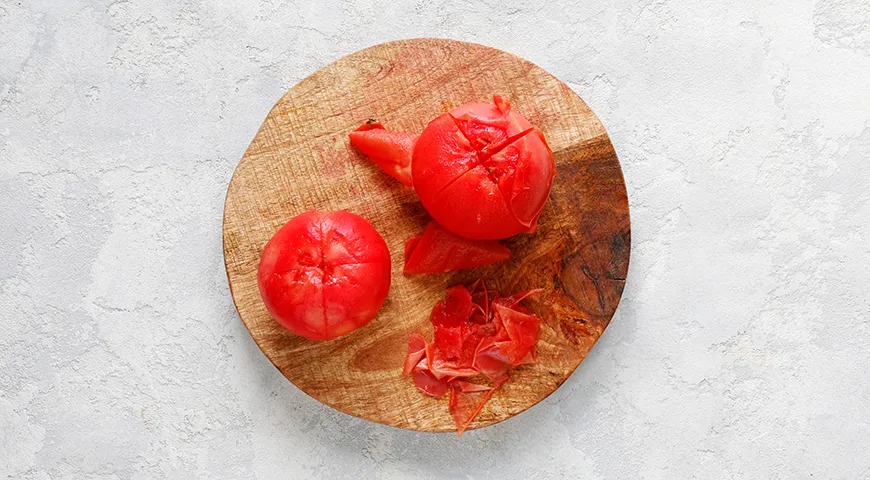
Wash the tomatoes, cut a shallow cross at the base, and blanch in boiling water for 1 minute. Transfer to a colander, peel off the skins, and blend the flesh until smooth.
Step 3: Sauté Aromatics and Root Veggies
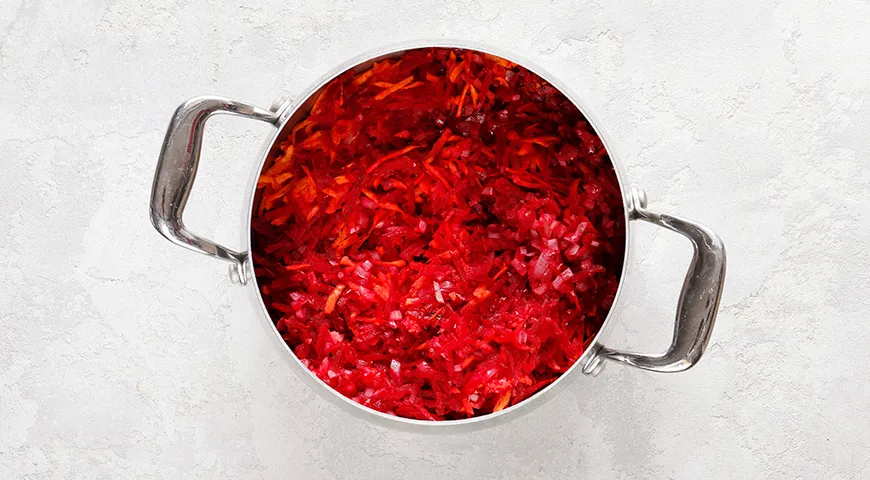
In a heavy saucepan, heat 2 tablespoons of oil over medium heat. Add the onion and garlic, stirring until golden. Add the grated carrots and beets. Cook for 7 minutes, stirring often. A high‑quality cooktop ensures even heat.
Step 4: Simmer with Tomatoes and Vinegar
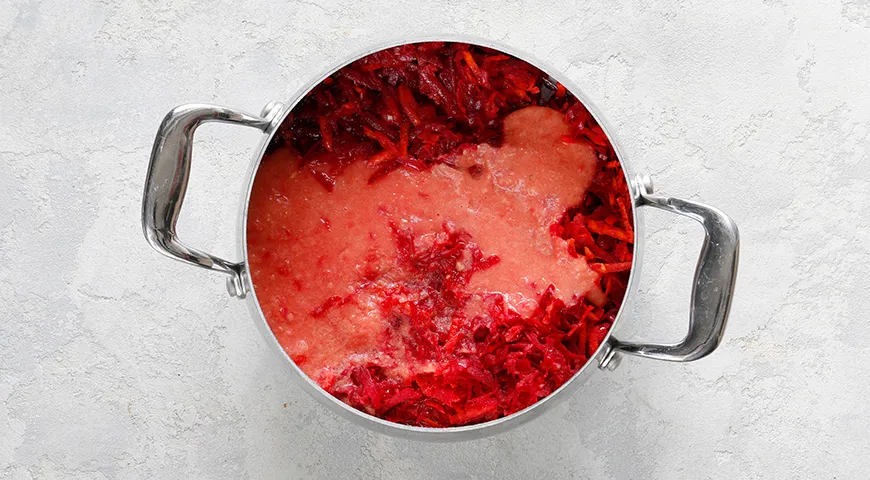
Stir in the blended tomatoes and cook for 5 minutes. Add the apple cider vinegar, water, and remaining oil. Reduce heat to low and simmer for 30 minutes, stirring occasionally.
Step 5: Season and Adjust Consistency
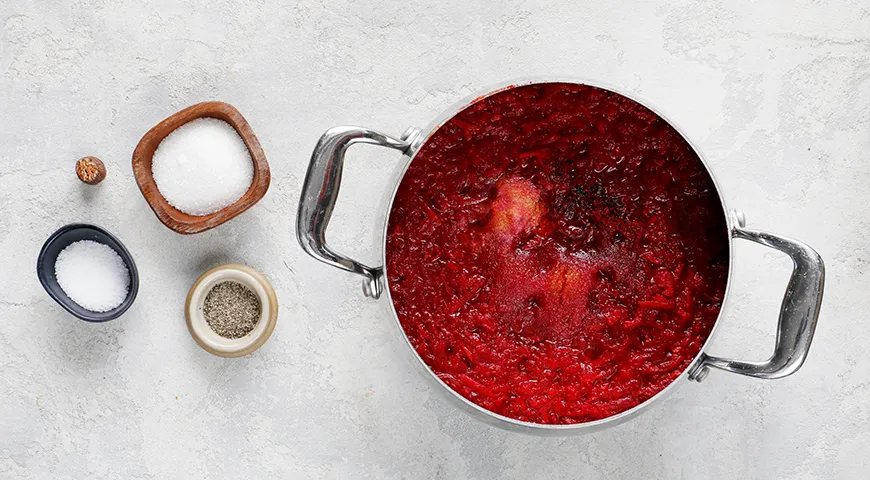
Add sugar, salt, pepper, and nutmeg. Increase heat to medium and cook 5 minutes longer. If too thin, continue simmering 5–10 minutes, stirring, until desired thickness.
Step 6: Jar and Sterilize
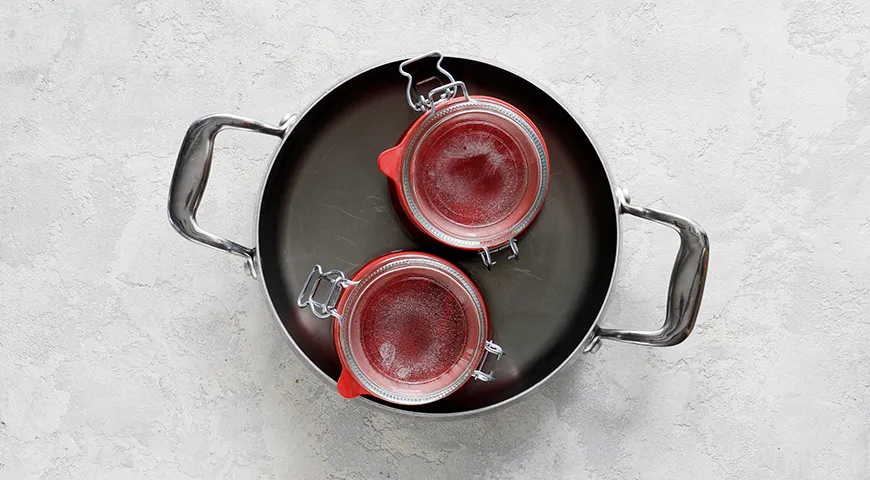
Pour the hot caviar into dry, clean jars. Sterilize in boiling water for 15 minutes, with jars submerged to the shoulders and lids lightly on. Seal immediately, invert on a folded towel, let cool completely, then store in a cool, dark place. A steam canner is ideal for large batches.
Tips for Success
- Grate vegetables on a coarse grater for a pleasant texture. A high‑speed juicer can also pre‑shred beets.
- Use apple cider vinegar for a subtle fruity tang; it brightens the earthiness of beets.
- Sterilize jars thoroughly to ensure long‑term storage without spoilage.
- Let the caviar rest at least 24 hours before serving; flavors meld beautifully.
Delicious Variations
Try adding a diced apple during the simmer for extra sweetness. For a spicy kick, incorporate chili flakes or a dash of organic vodka at the end. This caviar also pairs wonderfully with grilled meats or roasted vegetables.
Frequently Asked Questions (FAQ)
Can I freeze beetroot caviar instead of canning?
Yes. Freeze in airtight containers for up to 6 months. Thaw in the refrigerator before use. The texture may soften slightly, but flavor remains excellent. A high‑capacity fridge helps manage frozen stock.
Why does my caviar taste too earthy?
Balance earthiness with the apple cider vinegar and nutmeg. If still strong, add an extra tablespoon of sugar. Cooking beets thoroughly also mellows their flavor. Consider using a microwave pressure cooker for quicker softening.
Can I use canned tomatoes instead of fresh?
Yes. Use 800 g of canned whole peeled tomatoes. Drain some liquid to maintain thickness. Simmer a bit longer to concentrate flavors.
How do I make this recipe vegan?
It already is vegan. Ensure the sugar is certified vegan (if necessary). The recipe contains no animal products.
What is the best way to serve beetroot caviar?
Spread on crusty bread or crackers, or use as a dip for crudités. For borscht, stir in a couple of tablespoons just before serving. A good oil sprayer helps drizzle oil for garnish.
Can I reduce the oil?
Yes, but the texture may be drier. Reduce by half and add a splash of water or tomato juice to maintain moisture.
Beetroot caviar is a celebration of humble ingredients. Whether you serve it chilled as an elegant appetizer or use it to deepen your borscht, this recipe brings the warmth of Russian home cooking to your table. For more preservation ideas, explore our kitchen and pantry guides.







