


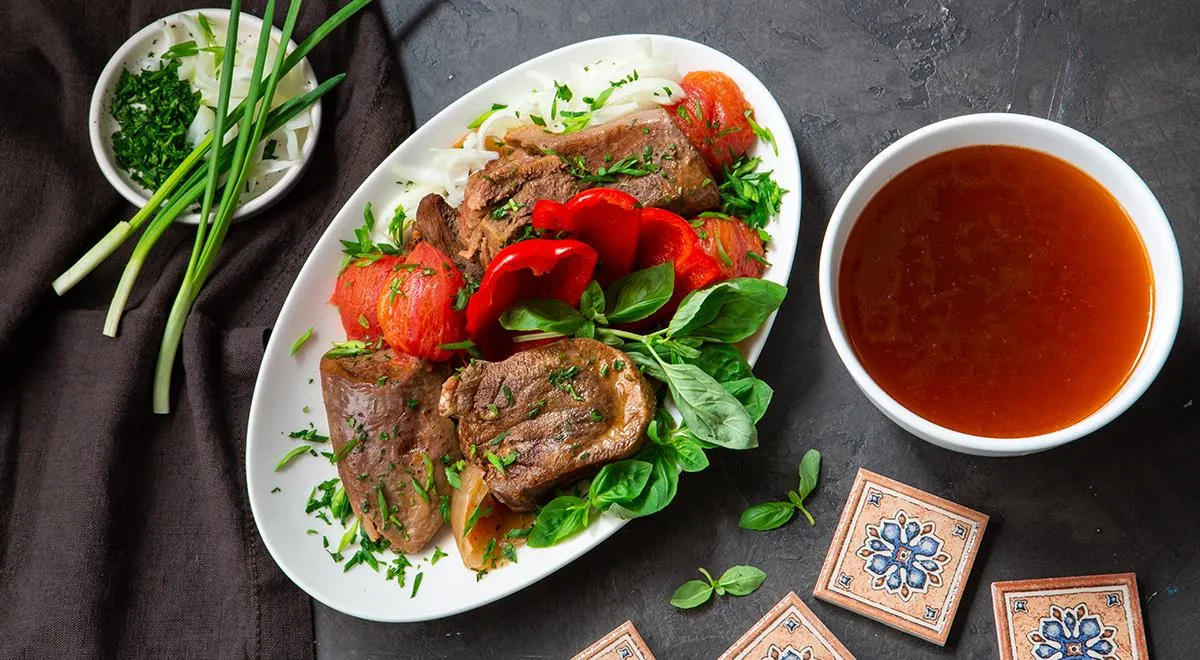
There is something profoundly satisfying about transforming a humble cut of meat into a dish that feels both rustic and refined. Beef tongue, when cooked slowly in its own juices inside a sealed jar, undergoes a remarkable metamorphosis: the connective tissue melts into gelatinous richness, the spices infuse every fiber, and the result is a tender, flavorful preserve that pays homage to old‑world preservation techniques. This method, a staple in Russian home kitchens, halves the cooking time compared to traditional stewing while delivering an intensity of flavor that only the gentle pressure of a water‑bath can provide. Whether you are a seasoned canner or an adventurous cook looking to expand your repertoire, this recipe for beef tongue in a jar will become a cherished part of your culinary calendar.
About This Recipe
This recipe for Beef Tongue in a Jar in Its Own Juice is a time‑honored Russian technique that uses a simple water bath to slowly cook the tongue in a sealed glass jar. The result is an incredibly tender, aromatic dish that can be served warm as a main course or chilled for slicing into elegant appetizers. The magic lies in the combination of vegetables—onion, bell pepper, tomato, garlic, and fresh herbs—that create a deeply savory broth without any added liquid. Cooking the tongue in a jar not only retains every drop of moisture but also intensifies the natural flavors. With a cooking time of about four hours, this method is surprisingly efficient and yields a preserve that can be stored in the refrigerator for up to a week or processed for longer shelf life.

Ingredients
To make this dish, you will need the following ingredients, all of which are available at most well‑stocked grocery stores or specialty butchers:
- 1.5 kg beef tongue
- 3 onions
- 1 bell pepper (any color)
- 2 small tomatoes
- 4 medium garlic cloves
- 2 teaspoons salt
- 2–3 bay leaves
- 1.5 teaspoons paprika
- Black peppercorns, to taste
- A few sprigs of fresh cilantro (coriander)
- Green onion, purple basil, and parsley for serving
For the best results, choose a fresh or fully thawed beef tongue. If you are new to cooking offal, a reliable food processor can help you prep vegetables quickly, though a sharp knife works beautifully for this rustic preparation.
Step‑by‑Step Instructions
Follow these steps carefully to achieve the perfect tender tongue in its own juice.
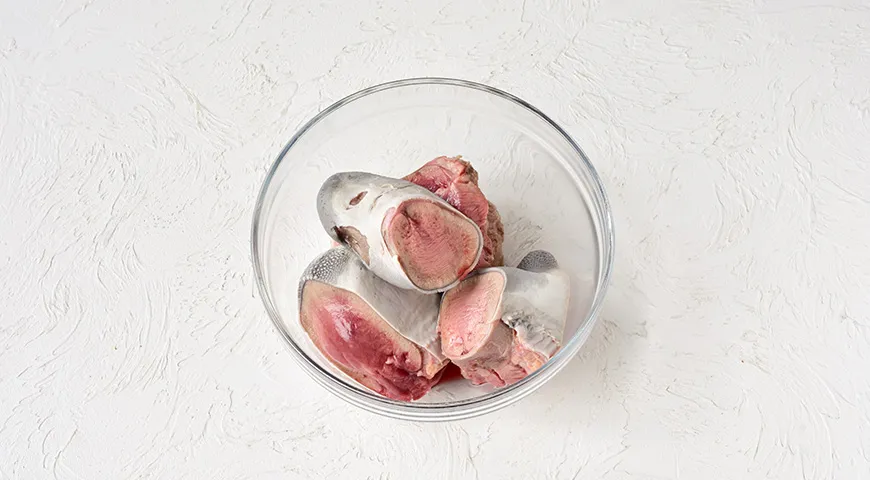
- Blanch and peel the tongue. Bring a large pot of water to a boil. Submerge the beef tongue for 15 minutes, or alternatively, place it in a bowl and pour boiling water over it, cover, and let sit for 5–10 minutes. Remove the tongue, trim away excess fat, and peel off the tough outer skin. Rinse under cold running water. Cut the tongue into 3–4 large chunks and place them in a mixing bowl.
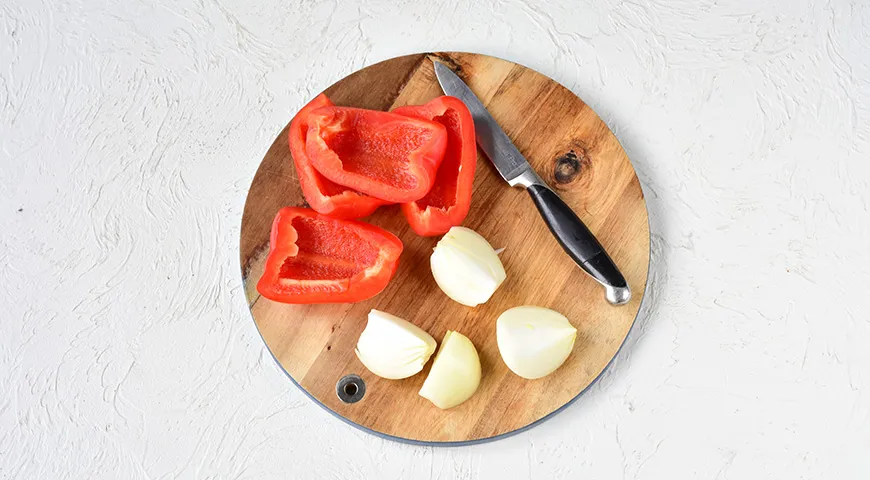
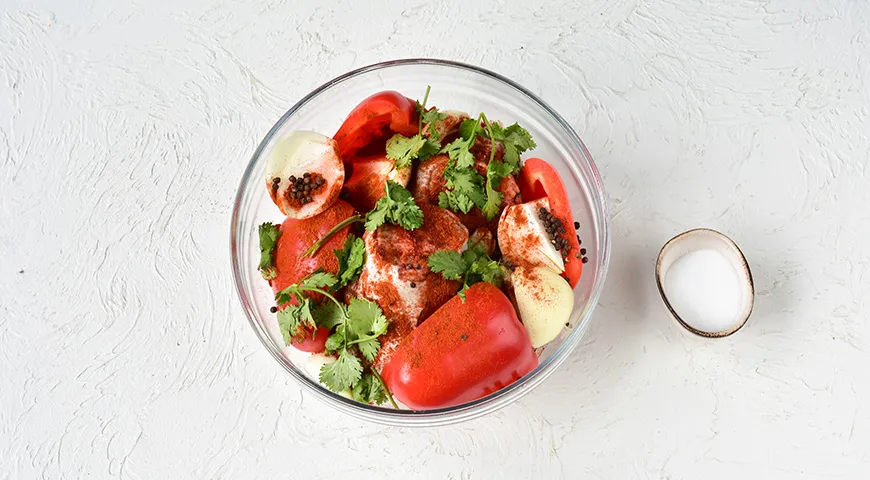
- Prep the vegetables. Cut one onion into large wedges. Do the same with the bell pepper. Peel the garlic cloves and crush them with the side of a knife to release their aroma. Add the onion, bell pepper, and garlic to the bowl with the tongue. Season with salt, paprika, black peppercorns, and torn cilantro leaves. Toss everything together until well coated.
- Pack the jar. Sterilize a 3‑liter glass jar (or two smaller jars). Start by layering the vegetables at the bottom. Then pack the tongue chunks on top. Place the tomatoes, which have been briefly scalded with boiling water, on top of the meat. Add the bay leaves. Screw the lid on tightly.
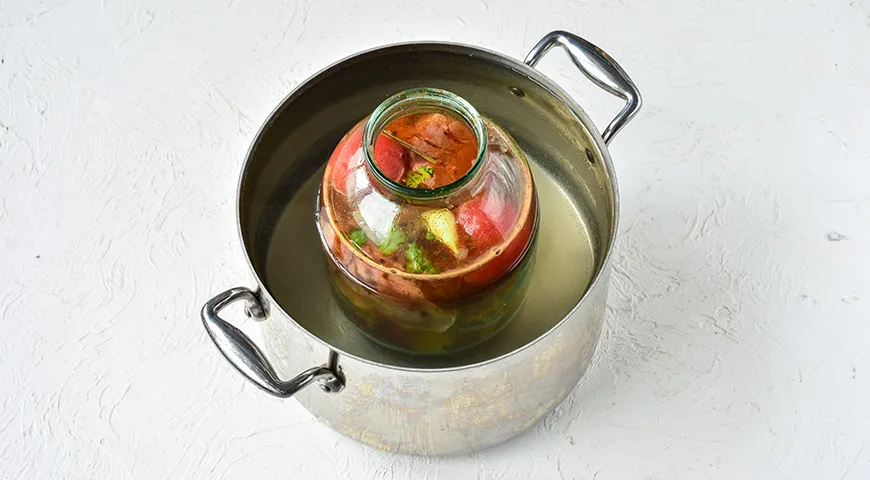
- Cook in a water bath. Place a small kitchen towel at the bottom of a tall, thick‑walled pot. Set the jar (or jars) on the towel. Fill the pot with water until it reaches two‑thirds up the side of the jar. Cover the pot with a lid and bring the water to a boil over high heat. Once boiling, reduce the heat to low and let it simmer gently for about 4 hours. The towel prevents the glass from rattling and helps avoid breakage during the long cooking process.
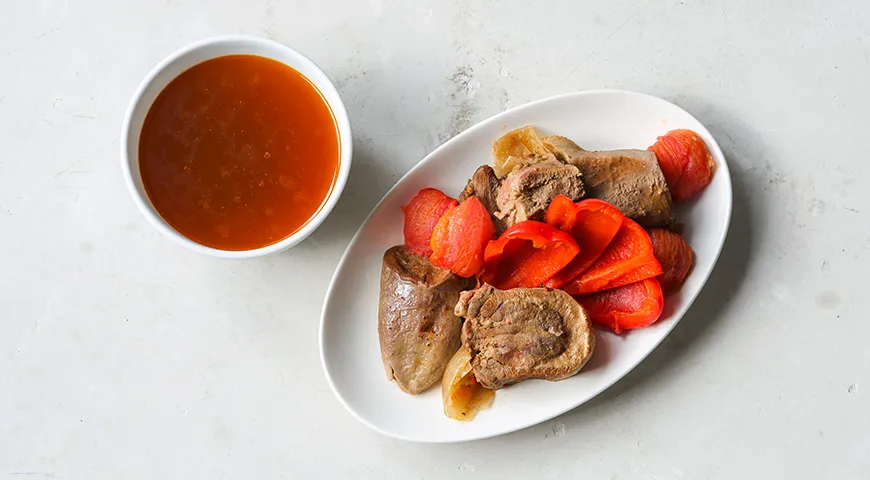
- Unpack and serve. Carefully remove the hot jar from the water bath using sturdy tongs or oven mitts. Allow it to cool slightly before opening. Pour out the rich meat‑infused juices. Transfer the tongue and vegetables to a serving platter.
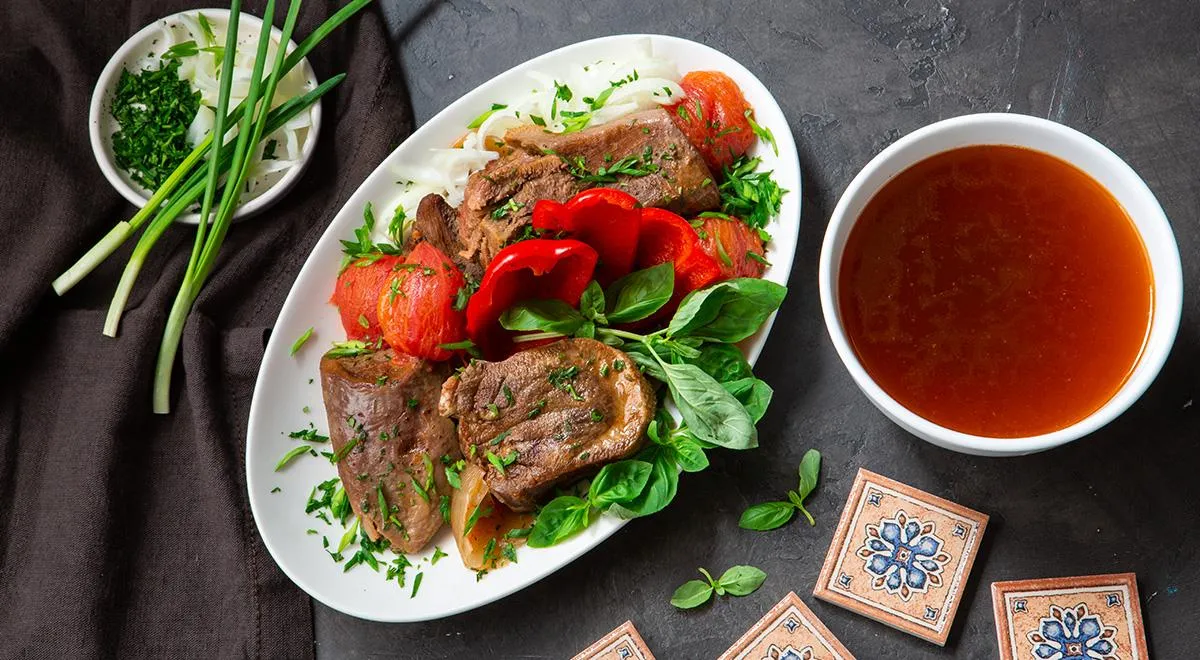
- Garnish. Slice one onion into thin feathery strips. Finely chop the green onion and parsley. Sprinkle the meat with some of the fresh herbs and scatter purple basil leaves over the top. Serve warm or chilled. For a truly elegant presentation, accompany with crusty bread or a light salad.
Tips for Perfect Results
Success with this recipe hinges on a few key details:
- Choose the right jar. A 3‑liter glass jar is ideal, but two 1.5‑liter jars work just as well. Ensure the jar is made of heat‑resistant glass and is free of cracks. A steam canner or even a large pressure cooker can also be used for this method.
- Prevent jar breakage. Always place a folded kitchen towel under the jar in the pot. This cushions the glass and prevents it from tapping against the metal bottom during the long simmer, which could lead to cracking.
- Maintain a gentle simmer. After the water comes to a boil, reduce the heat to low. A rolling boil can cause the jar to move excessively, and the high temperature might over‑soften the meat. A gentle bubble is all you need.
- Use a reliable thermometer. If you want to ensure food safety, use a digital thermometer to check that the internal temperature of the meat reaches at least 74°C (165°F).
Variations
Feel free to adapt this recipe to your taste:
- Spicy twist. Add a dried chili or a teaspoon of red pepper flakes along with the paprika for a kick of heat.
- Herbaceous version. Replace the cilantro with fresh dill or tarragon, which pair beautifully with beef.
- Pressure cooker shortcut. If you are short on time, cook the tongue in a microwave pressure cooker for about 2 hours at high pressure, then finish the dish by baking the jar in the oven for 30 minutes to meld the flavors.
- Serve cold. Once cooked and cooled, slice the tongue thinly and use it in sandwiches or salads. The jellied juices can be strained and used as a base for soups or sauces.
Frequently Asked Questions
Can I use pork or lamb tongue instead of beef?
Yes, but cooking times will vary. Pork tongue typically requires about 2.5–3 hours, while lamb tongue may be ready in 2 hours. Adjust the water‑bath time accordingly and check for tenderness.
How long will the cooked tongue keep in the refrigerator?
If stored in a sealed container, the tongue will remain fresh for up to one week. For longer storage, you can pressure‑can the jar using a built‑in refrigerator if you have one, or simply freeze the cooked meat for up to three months.
Do I need to sterilize the jar before packing?
Yes. Sterilize the jar and lid by boiling them in water for 10 minutes or by running them through a hot dishwasher cycle. This prevents unwanted bacteria from spoiling the preserve.
Can I omit the tomatoes?
Absolutely. The tomatoes add acidity and moisture, but you can substitute with a splash of wine vinegar or even a tablespoon of lemon juice to help tenderize the meat.
What can I do with the leftover juices?
The rich, gelatinous liquid is a goldmine. Strain it and use it as a base for soups, stews, or as a glaze for roasted vegetables. It can also be reduced to a sauce and served over the tongue. For a quick meal, reheat the tongue in its own juices and serve over catalan sponge for an unexpected twist—or simply with crusty bread.
Is this recipe gluten‑free?
Yes, all the ingredients are naturally gluten‑free. Just be cautious with any store‑bought broths you might add later; verify they are certified gluten‑free.
What if my jar cracks during cooking?
If a crack appears, discard the contents immediately. To prevent this, always use a brand‑new jar specifically designed for canning, and avoid sudden temperature changes. You can also place the jar in the warm water first to preheat it gradually.
Can I double the recipe?
Yes, use multiple jars in the same pot, ensuring they do not touch each other. Use a larger pot and a commercial countertop convection oven for the water bath if needed.
Serving Suggestions
This tender, flavorful tongue makes a stunning centrepiece for a holiday table or a comforting Sunday dinner. Slice it thickly and serve with roasted potatoes, sautéed greens, or a simple salad of bitter leaves. For a more rustic presentation, shred the meat and use it in tacos, sandwiches, or as a topping for canapés. The inherent richness pairs beautifully with a sweet wine with high alcohol content that cuts through the fat, or a crisp George Howell coffee for a surprising contrast.
If you are new to cooking beef tongue, this method offers a foolproof way to achieve perfection. The gentle water‑bath ensures even, gentle cooking that breaks down collagen without drying out the meat. With minimal active prep time and a reward that far exceeds the effort, this recipe deserves a place in every cook’s repertoire.
For more inspiration on preserving and cooking with offal, explore our guides on best glass food processors, non‑toxic immersion blenders, and non‑toxic air fryers that can complement your kitchen toolkit. Happy cooking!







