


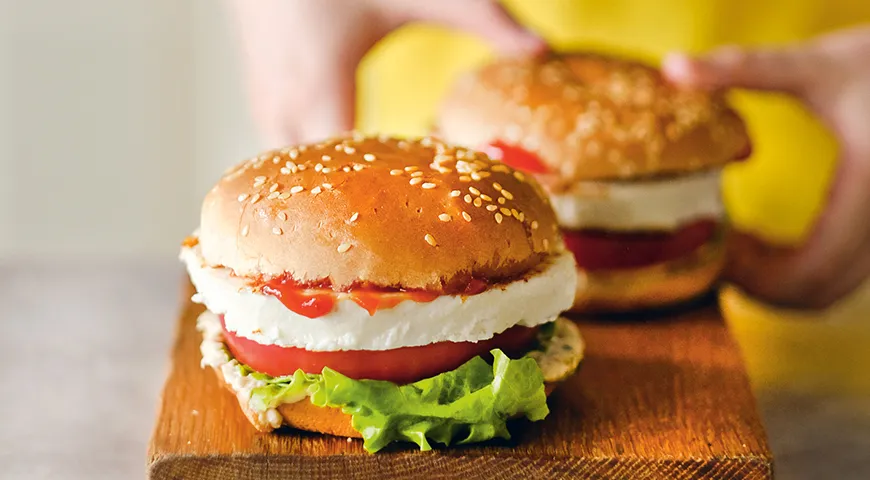
In a world where street food often leans toward indulgence, the Adyghe cheese burger emerges as a revelation—a classic format reimagined with wellness at its core. This recipe swaps the traditional beef patty for a slice of Adyghe cheese, a mild, crumbly Caucasian cheese that is low in calories yet rich in B vitamins, vitamin A, PP, calcium, magnesium, phosphorus, and iron. Paired with a juicy tomato, crisp lettuce, and a swipe of homemade hummus, it delivers a satisfying balance of protein, healthy fats, and complex carbohydrates. The soft brioche-style bun cradles the layers, making every bite as nourishing as it is delicious. Whether you're following a flexible diet, exploring Mediterranean flavors, or simply craving a lighter burger experience, this recipe invites you to savor the intersection of comfort and conscientious eating.
About the Adyghe Cheese Burger
This burger story begins in the Caucasus, where Adyghe cheese—also known as suluguni’s milder cousin—is celebrated for its delicate texture and ability to absorb flavors without overwhelming them. Unlike processed cheese slices, Adyghe cheese retains its shape when pan-fried, developing a golden crust while staying soft inside. Here, it stands in for the patty, offering a vegetarian-friendly protein source that’s lower in saturated fat than beef. The supporting cast—hummus, fresh vegetables, and a touch of tomato sauce—amplifies the cheese without masking its gentle tang. For anyone seeking a non-toxic immersion blender to whip up your own hummus from scratch, we’ve got tips in our review of the best models. The result is a burger that feels both familiar and refreshingly new.

Ingredients
- 250 g Adyghe cheese
- 1 large tomato
- 4 lettuce leaves
- 100 g hummus (store-bought or homemade)
- 4 soft burger buns (preferably brioche or whole wheat)
- 4 tbsp tomato sauce (or ketchup)
- 1 tbsp olive oil
Quality matters: the Adyghe cheese should be fresh and unaged; the buns, soft and slightly sweet to contrast the savory elements. For the perfect hummus texture, consider using a best glass food processor to blend chickpeas and tahini until silky. And if you’re experimenting with low‑calorie cooking, an oil sprayer helps control the olive oil for the pan sear.
Step‑by‑Step Instructions
1. Prepare the Cheese and Vegetables
Cut the Adyghe cheese into four thick slices, each about 1 cm thick. Slice the tomato horizontally into rounds, aiming for 4 even slices. Wash and dry the lettuce leaves. Halve the burger buns horizontally.
No step image available for this step.
2. Sear the Cheese and Toast the Buns
Heat the olive oil in a large non‑stick skillet over medium‑high heat. Place the cheese slices in the pan and cook for 30 seconds per side, until lightly browned. Transfer to a plate. In the same pan, briefly toast the cut sides of the buns until golden—about 30 seconds. This adds a gentle crunch that prevents sogginess.
No step image available for this step.
3. Assemble the Burgers
Spread a generous tablespoon of hummus on the bottom half of each bun. Layer lettuce, tomato slices, and the seared cheese. Spoon tomato sauce onto the top bun half, then close the burger. Serve immediately while the cheese is still warm and the bun is crisp.
No step image available for this step.
Pro Tips for Perfect Cheese Burgers
- Don't overcook the cheese: 30 seconds per side is ideal—any longer and the cheese may collapse. Use a thin metal spatula for easy flipping.
- Homemade hummus elevates the dish: Combine cooked chickpeas, tahini, lemon juice, garlic, and a pinch of cumin in a best food processor for nut butter for a supersmooth spread. It also works for making cashew cream or other nut‑based sauces.
- Toast the buns in residual oil: The oil left from searing the cheese adds flavor and prevents sticking. If your skillet is dry, add a tiny splash of oil.
- Use ripe, in‑season tomatoes: Their sweetness and acidity cut through the rich cheese, so avoid mealy off‑season specimens.
- Let the burgers rest for 1 minute after assembling: This allows the hummus and sauce to meld without making the bun weep.
Variations to Explore
While the Adyghe cheese burger is a star on its own, try these twists:
- Spicy version: Add a few slices of pickled jalapeño or a drizzle of sriracha to the tomato sauce.
- Herb‑crusted cheese: Before searing, press the cheese slices into chopped fresh herbs like dill, parsley, or oregano.
- Vegan alternative: Substitute the Adyghe cheese with a firm, pan‑fryable vegan cheese, and use a dairy‑free bun. Hummus is naturally vegan, so only the sauce needs adjustment.
- Smoky element: Brush the buns with smoked paprika oil before toasting, or use a smoked Adyghe cheese if available.
- Low‑carb option: Skip the bun and serve the cheese and vegetables over a bed of mixed greens, drizzled with a light vinaigrette from an oil sprayer.
For more inspiration, check our Catalan sponge cake recipe for a sweet contrast to this savory burger, or see our round‑up of the best non‑toxic air fryers for a quick side of crispy sweet potato fries.
FAQ: Adyghe Cheese Burgers
Can I use a different cheese?
Yes, haloumi or paneer work similarly—both hold their shape when pan‑fried. However, Adyghe cheese is lower in salt and fat, making it the lighter choice. If you opt for haloumi, reduce added salt.
Is hummus essential, or can I substitute it?
Hummus adds creaminess and a subtle nuttiness that complements the cheese. You can replace it with mashed avocado, Greek yogurt (for non‑vegans), or a simple tahini‑lemon sauce. A microwave pressure cooker speeds up cooking chickpeas for homemade hummus.
How do I store leftovers?
Assemble only what you’ll eat immediately. Store the seared cheese, hummus, sliced tomato, and lettuce separately in the refrigerator. The cheese will keep for 2 days; reheat it in a dry skillet for 15 seconds per side before reassembling.
What side dishes pair well?
This burger shines with a crisp green salad tossed in lemon vinaigrette, or with baked sweet potato wedges. For a heartier meal, try a small bowl of lentil soup. A commercial countertop convection oven can toast the buns evenly if you’re cooking multiple servings.
Can I freeze the cooked cheese slices?
Freezing is not recommended—the cheese’s moisture ice crystals will make it crumbly upon thawing. Always prepare fresh for optimal texture. However, you can freeze homemade hummus in an airtight container for up to 3 months.
How can I reduce the sodium content?
Adyghe cheese naturally contains less sodium than many aged cheeses, but you can further lower it by using unsalted hummus and a low‑sodium tomato sauce. Check labels when buying store‑bought items.
What if my cheese sticks to the pan?
Ensure your pan is well‑heated and lightly oiled before adding the cheese. A high‑quality non‑stick skillet or a well‑seasoned cast‑iron pan works best. For additional guidance on cookware, see our undercounter ice maker review—not directly related, but we cover kitchen gear comprehensively.
For more burger‑adjacent recipes and tools, explore our guide to the best steam canners (for homemade sauce storage), the best espresso machine under $2000 (ideal for a coffee pairing), and the best 48‑inch built‑in refrigerator to keep your cheese fresh.







