


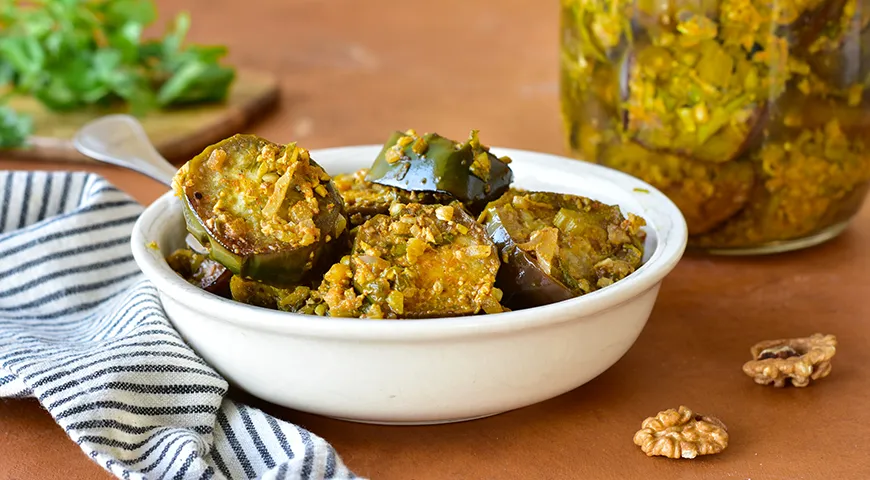
There is something deeply satisfying about capturing the essence of late summer in a jar—especially when the star ingredient is the humble eggplant. This Georgian-inspired preserve, known in Russian as baklazhany na zimu bez sterilizatsii, eschews the traditional water bath for a clever no-sterilization method that relies on a generous layer of calcined oil to seal in flavor. The result is a silky, nutty, herbaceous spread that brightens winter tables with every spoonful. Each bite delivers the earthy richness of fried eggplant, the crunch of walnuts, and the aromatic lift of fresh herbs and spices—a taste of the Caucasus that requires no fussy equipment.
About This Recipe
This method bypasses the need for a steam canner or boiling water bath, relying instead on the antimicrobial properties of vinegar and a thick cap of pre-heated oil. The technique is ancient yet remarkably modern, preserving the texture and flavor of eggplants without the risk of mushiness. The secret lies in calcining the oil—heating it just until it shimmers and then cooling it—to create a protective seal that keeps air and spoilage organisms at bay. Paired with the acidity of 5% vinegar and the natural preservatives in garlic and herbs, this recipe yields a condiment that improves with age, developing deeper complexity over weeks.

Ingredients
- 1 kg eggplants
- 200 g onions
- 100 g shelled walnuts
- 100 ml 5% vinegar
- 150 ml vegetable oil (plus extra for frying)
- 1 tsp khmeli-suneli
- 1 tsp Imeretian saffron (or substitute turmeric)
- 10–12 stalks celery with leaves
- 8 stalks parsley
- 8 stalks cilantro
- 2–3 garlic cloves
- Salt to taste
For the best results, use a reliable food processor for nut butter to grind the walnuts to a near-paste consistency—this releases their oils and melds with the spices seamlessly.
Step-by-Step Instructions
Step 1: Prepare sterilized jars and lids. While this recipe skips a boiling-water bath, clean jars are essential to prevent contamination. Wash jars and lids in hot soapy water, then rinse and dry in a low oven (120°C) for 15 minutes.
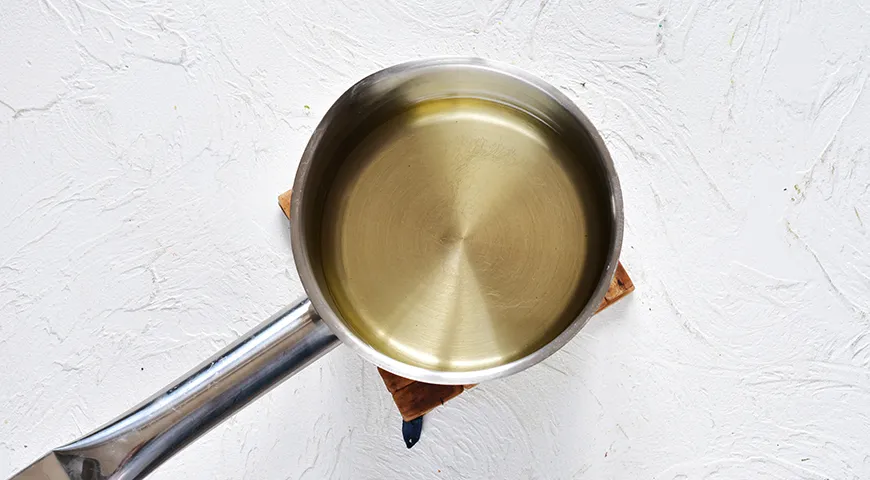
Step 2: Calcine the vegetable oil: heat it in a small saucepan until it just begins to boil, then remove from heat and let cool completely. This step intensifies the oil's flavor and ensures it can form a stable seal.
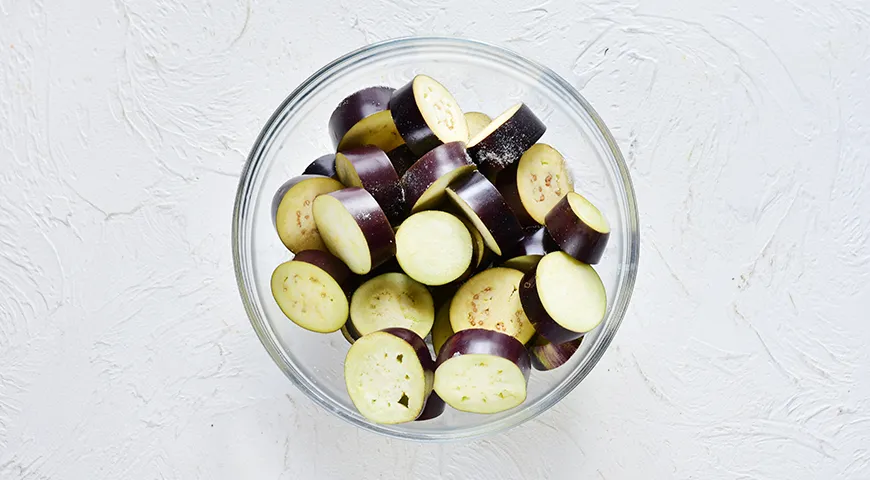
Step 3: Wash the eggplants, slice into 2 cm rounds, and place in a bowl. Sprinkle generously with salt, cover, and let rest for 3–4 hours. This draws out bitter juices and firms the flesh.
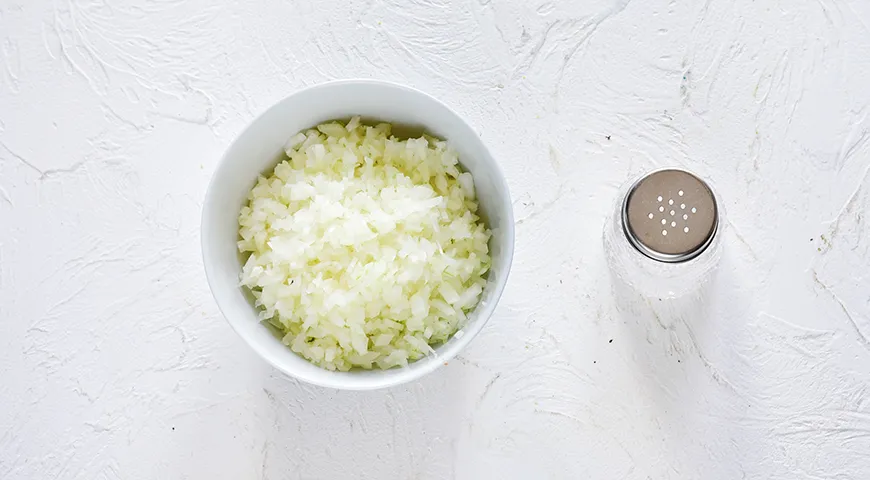
Step 4: Finely dice the onions, sprinkle with salt, and let sit for 1–2 hours. Then squeeze them firmly to remove excess moisture—this prevents sogginess and concentrates flavor.
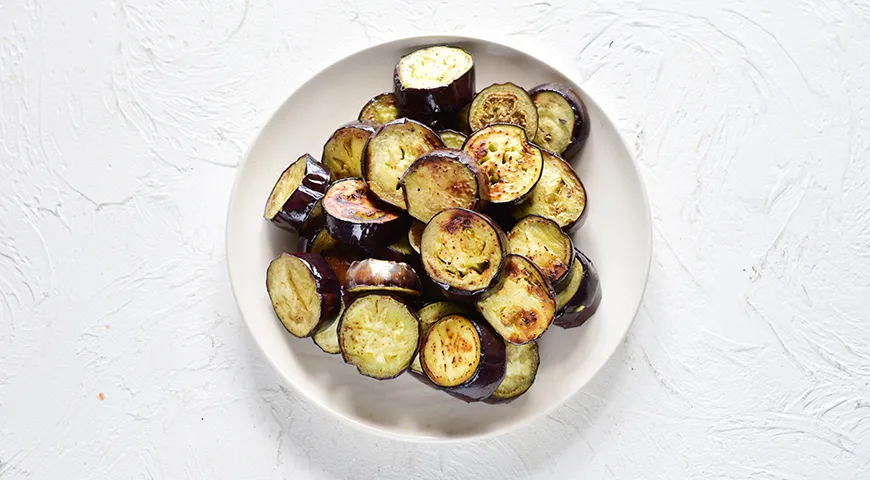
Step 5: Squeeze the eggplant rounds well to remove brine. Fry in batches in hot vegetable oil over medium heat until deeply golden and tender inside. Use an oil sprayer to control oil distribution if you prefer lighter frying.
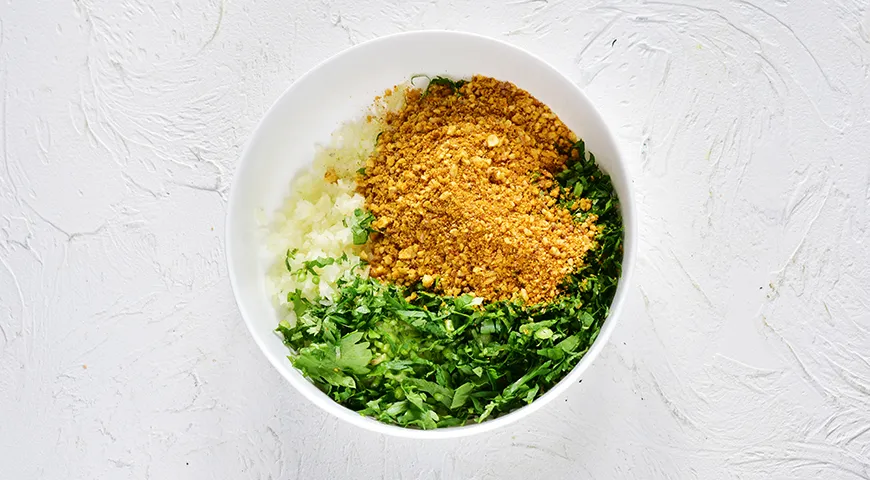
Step 6: Finely chop the celery leaves, parsley, and cilantro. A non-toxic immersion blender can be used to pulse the herbs if you prefer a finer texture, but hand-chopping preserves more structure.
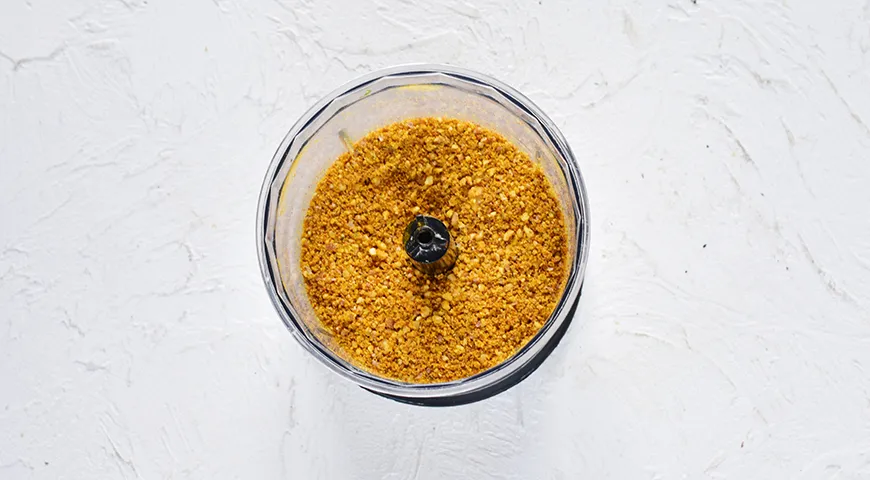
Step 7: In a mortar or a planetary mixer with a grinding attachment, pound the walnuts together with coriander (if using), khmeli-suneli, Imeretian saffron, and a pinch of hot pepper. The fenugreek in khmeli-suneli adds a haunting nutty aroma that complements the walnuts.
Step 8: Combine the ground walnut-spice mixture with the chopped herbs and the squeezed onions. Stir thoroughly to distribute the flavors evenly. The onion provides a subtle sharpness that balances the richness of the nuts.
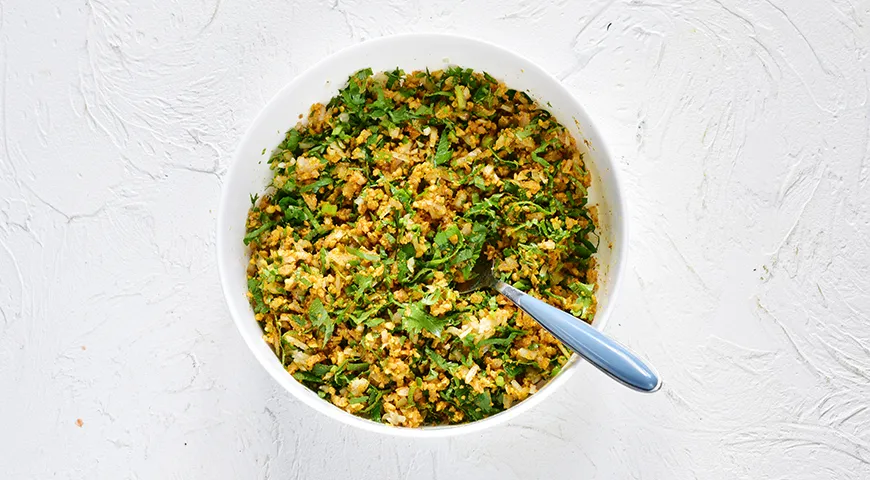
Step 9: Add 2–3 tablespoons of boiled water to the vinegar, then pour this mixture into the walnut-herb blend. Stir to form a thick, pasty consistency. If too stiff, add a little more water—the texture should be spreadable but not runny.
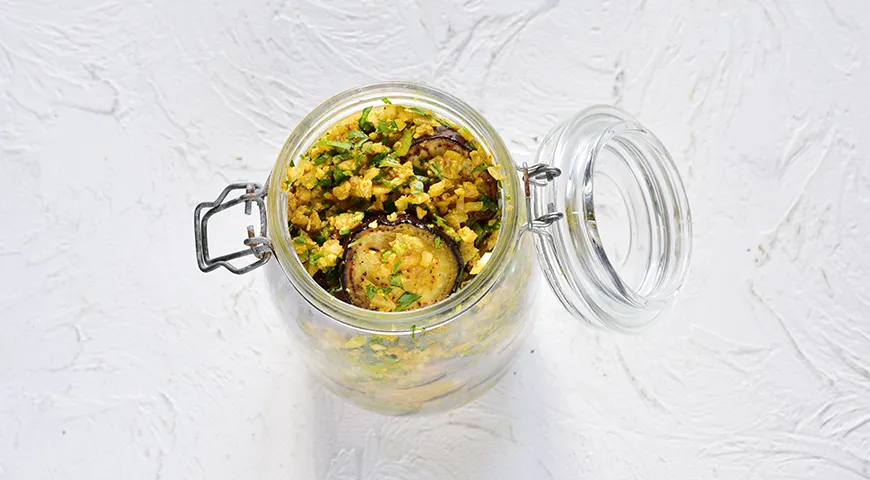
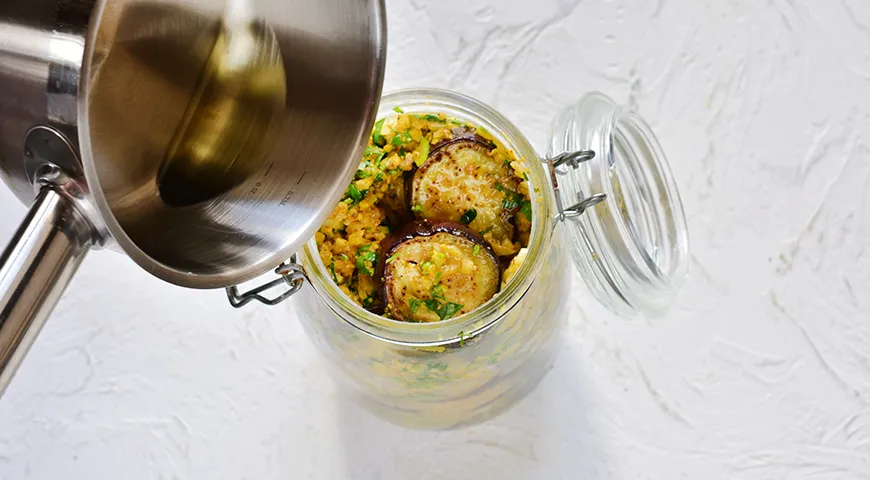
Step 10: Toss the fried eggplant rounds with the walnut paste until each piece is well coated. Pack the mixture tightly into the prepared jars, pressing down to eliminate air pockets. Pour a 2-cm layer of calcined oil over the top—this is your seal. Close with sterilized lids and store in a cool, dark place. The flavor deepens after a week; let it rest for at least a month for peak complexity. A spacious refrigerator can extend shelf life once opened.
Tips for Success
Choose firm, glossy eggplants with tight skins—these hold their shape better. Salting is non-negotiable; it removes bitterness and prevents the flesh from absorbing too much oil during frying. To achieve even cooking, maintain a moderate heat and avoid overcrowding the pan. If you own an air fryer, you can crisp the eggplant slices without deep-frying, reducing oil usage. For those with a commercial countertop convection oven, roasting at 200°C for 15 minutes yields a similar result with less hands-on effort. Always ensure the oil layer completely covers the preserve—any exposed surface risks mold.
Variations
This recipe welcomes adaptation. Swap walnuts for pecans or hazelnuts for a different nut profile. Add a tablespoon of tomato paste to the walnut mixture for a richer, more acidic note. For heat lovers, include a minced chili pepper in step 7. Alternatively, omit the herbs and double the garlic for a pungent, rustic version. If you lack Imeretian saffron, turmeric provides a similar color and earthiness. A microwave pressure cooker can be used to quickly steam the eggplant slices before frying, reducing the salting time to 1 hour.
Serving Suggestions
Serve these eggplants as a vibrant appetizer on crusty bread or alongside grilled meats and kebabs. They also shine as a component of a mezze platter with hummus, olives, and pickled vegetables. For a winter lunch, spoon them over warm rice or quinoa and garnish with fresh cilantro. Pair with a sweet wine with high alcohol content like a late-harvest Riesling to echo the preserved sweetness. A shot of organic vodka on the side offers a crisp, classic accompaniment.
Frequently Asked Questions
Can I skip the calcining step for the oil?
Yes, but calcining (heating then cooling) the oil helps eliminate any moisture and enhances its preservative qualities. For best results, do not omit this step. If you have a built-in refrigerator, store the jars there immediately after opening to maintain freshness.
How long do these eggplants keep without sterilization?
Unopened jars stored in a cool, dark place (below 18°C) will keep for up to one year. Once opened, refrigerate and consume within two months. The oil layer should always remain intact; top up with fresh oil if needed.
Can I use different types of vinegar?
Yes, apple cider vinegar or white wine vinegar work well, but maintain the same acidity level (5%). Avoid using distilled white vinegar if you want a softer acidity—it can be too harsh. A steam canner is not required here, but if you prefer a traditional water-bath method, reduce the vinegar to 60 ml and process for 15 minutes.
My eggplants turned out bitter—what went wrong?
Insufficient salting is the most common culprit. Ensure you salt the slices generously and let them rest for the full 3–4 hours. Rinse and squeeze thoroughly before frying. Using a food processor to grind the nuts also helps mask any residual bitterness with a creamy texture.
Can I freeze this preserve instead of canning it?
Yes, packing the eggplant mixture into freezer-safe containers without the oil layer works well. Thaw overnight in the refrigerator before serving, then drizzle with fresh oil. Freezing extends shelf life indefinitely, though the texture may soften slightly.
Is it necessary to use Imeretian saffron?
No, but it adds a distinctive floral note. Substitute with a pinch of turmeric or saffron threads. The immersion blender can help incorporate the spice evenly if you prefer a smoother paste.
How can I tell if the preserve has spoiled?
Signs include mold on the surface, a foul odor, or bubbles forming under the oil layer. If the oil seal is broken or the jar lid bulges, discard immediately. Always use clean utensils to remove portions.







