


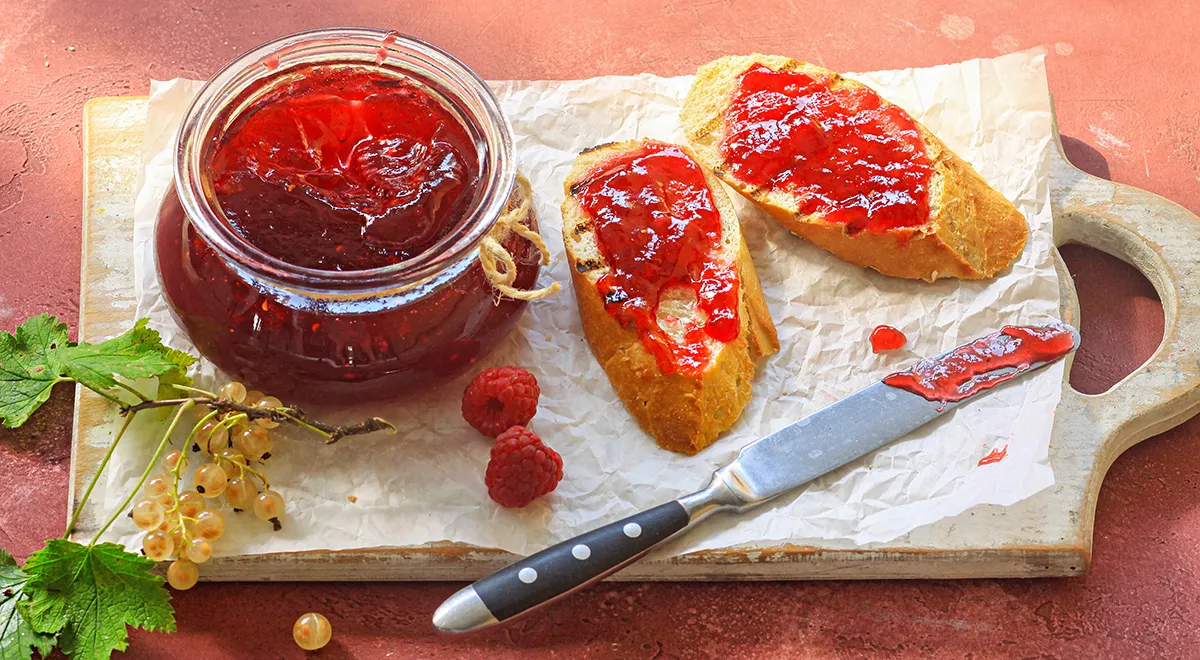
White currants often play second fiddle to their ruby-red and midnight-black cousins, yet they possess a quiet elegance—pale, translucent, and delicately sweet. Their pectin content is lower, roughly half that of red currants, but with a touch of raspberry and careful cooking, they transform into a shimmering jewel-toned jelly. This recipe from Gastronom.ru marries white currants with raspberries, creating a preserve that is both refined and wonderfully simple. Whether you are a seasoned canner or a curious beginner, this jelly will reward you with a taste of summer that lasts through winter.
About White Currant Jelly
White currants (Ribes rubrum) are a pale mutation of red currants, prized for their mild, honeyed flavour and lack of astringency. They are often eaten fresh or used in elegant desserts because their colour does not muddy other fruits. However, their lower pectin means they need a partner—or a bit of sugar and acid—to set properly. Raspberry, with its natural pectin and aromatic depth, is the perfect companion. The result is a jelly that is not overly sweet, with a vibrant ruby blush and a clean finish. This recipe is a wonderful way to preserve summer berries without relying on commercial pectin, and it works beautifully with Catalan sponge cake or simply spread on toast.

Ingredients
- 500 g white currants
- 500 g raspberries (fresh or frozen, but preferably fresh)
- 1 kg granulated sugar
- 60 ml water
Plus you will need sterilised jars with lids—150 ml or smaller is ideal for this delicate preserve.
Step-by-Step Instructions
Step 1: Prepare the Jars
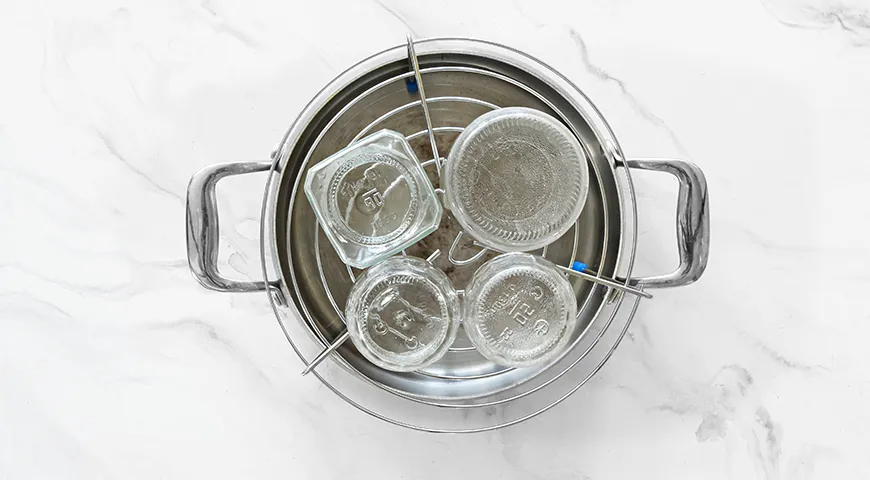
Sterilise your jars and lids by your preferred method—boiling water bath, oven, or steam. Small jars (150 ml) are recommended for this jelly because its soft set is best enjoyed in modest portions. A steam canner makes this step effortless.
Step 2: Clean the White Currants
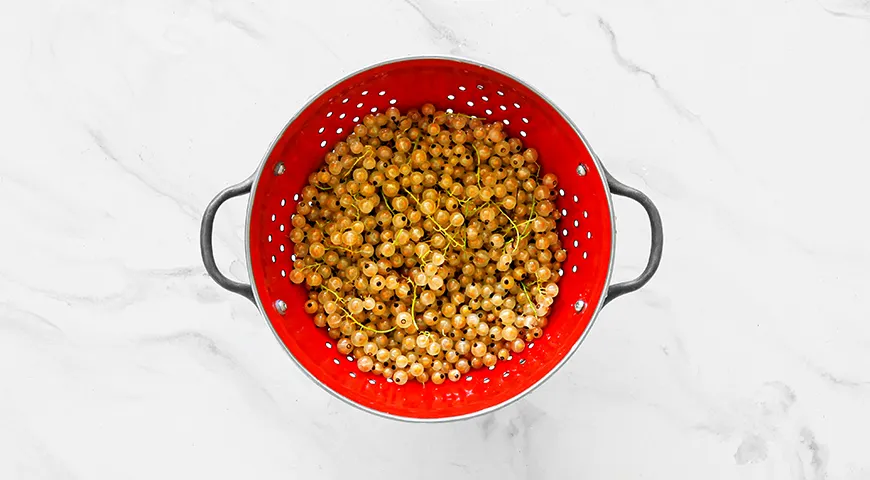
Rinse the white currants in a colander under cold running water, removing any leaves or debris. The small stems can remain—they will be strained out later. Let the currants drain thoroughly.
Step 3: Prepare the Raspberries
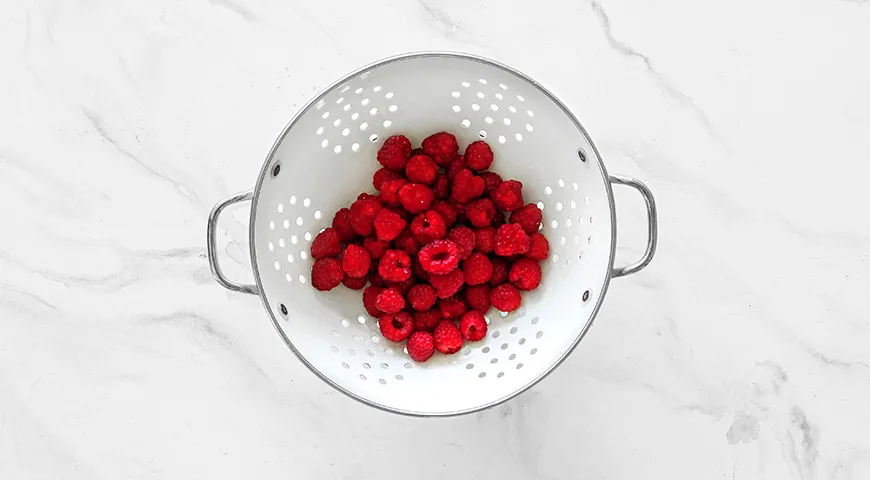
Pick over the raspberries, discarding any that are mouldy or crushed. Place them in a bowl and cover with water. Gently lift the berries out by hand and transfer to a colander to drain. Avoid running water directly over raspberries, as this diminishes their fragrance. This gentle handling preserves the berries’ integrity, much like the care needed when using a non-toxic immersion blender for purées.
Step 4: Cook the Berries
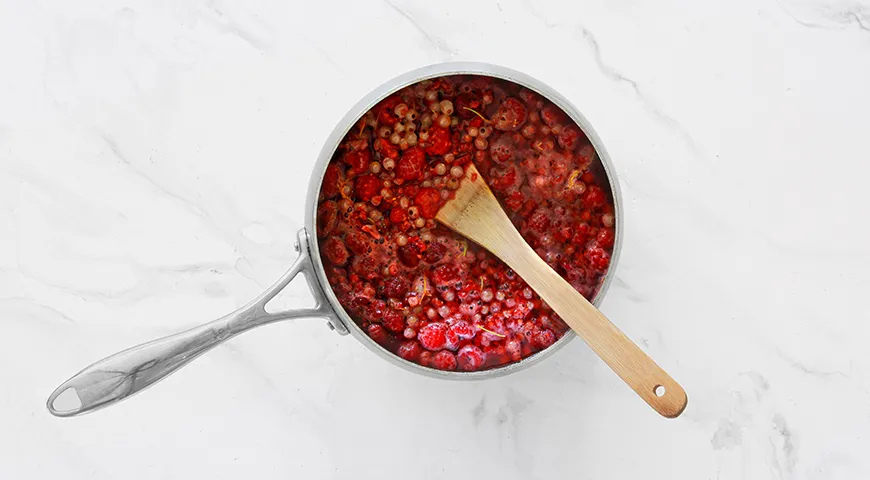
Combine the white currants, raspberries, and water in a large saucepan. Place over medium heat and cook for 3–4 minutes, until the currant skins burst and the berries soften. This quick softening helps release juice and pectin.
Step 5: Strain the Pulp
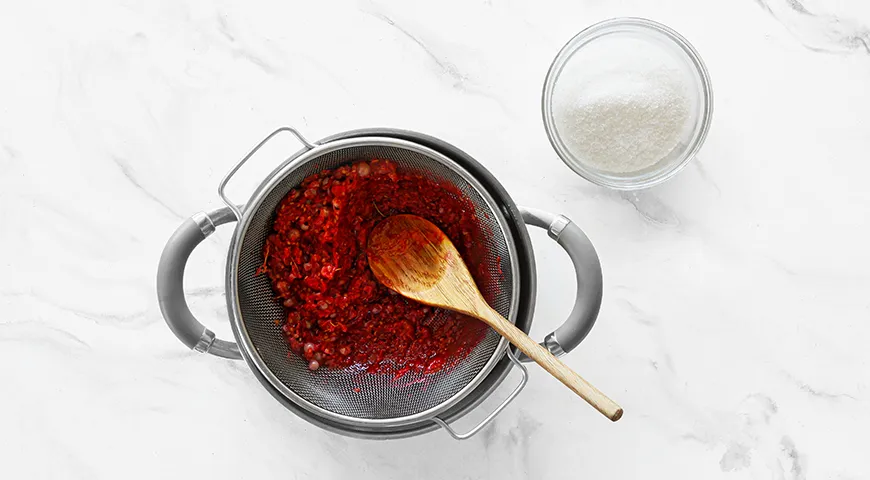
Pour the cooked berry mixture into a fine-mesh sieve set over a bowl or clean saucepan. Using a wooden spoon or a soft silicone spatula, press the pulp through the sieve, extracting as much juice as possible. Discard the seeds and skins. Stir the sugar into the collected juice until dissolved.
Step 6: Boil the Jelly
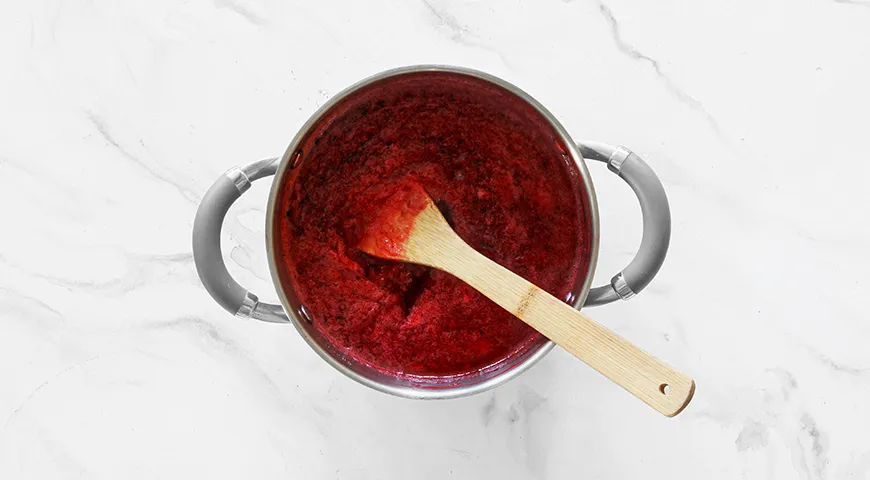
Place the sweetened juice over medium heat and bring to a boil. Reduce the heat to just below medium and simmer for 20–25 minutes, until the volume has reduced by about one-third. Stir occasionally with a wooden spoon to prevent scorching. You will know the jelly is ready when a thin film forms on the surface and the liquid coats the back of a spoon. For precise temperature, a leak detector is not needed—a simple plate test works: drop a spoonful onto a cold plate; if it wrinkles when pushed, it's set.
Step 7: Fill and Cool
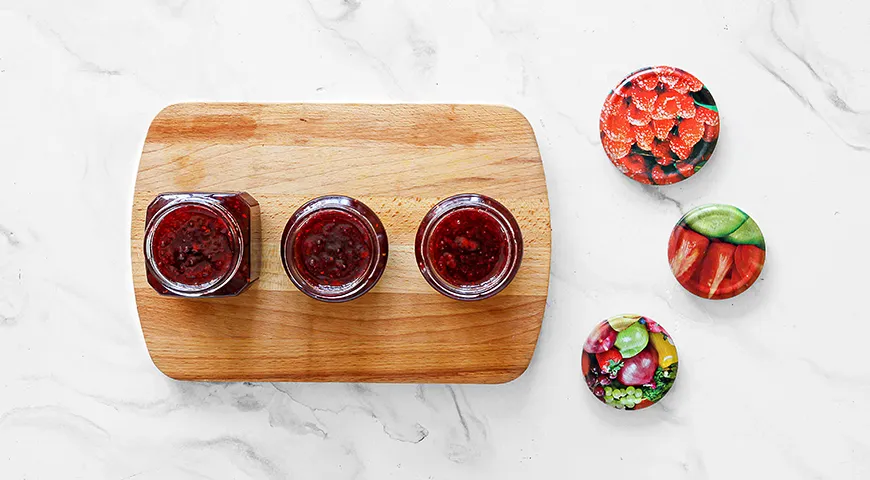
Ladle the hot jelly into the sterilised jars, leaving about 1 cm headspace. Do not cap them immediately—let the jelly cool completely at room temperature. As it cools, a natural vacuum will form. Once cool, seal with the lids and store in a cool, dry place. For longer shelf life, process in a hot water bath using a under-counter ice maker might be overkill, but a steam canner ensures perfect seal.
Tips for Perfect Homemade Jelly
- If your raspberries are very ripe, reduce the sugar slightly (to 900 g) to avoid an overly sweet jelly.
- Straining through a nut milk bag or damp cheesecloth yields a crystal-clear jelly, though the recipe’s sieve method retains more pectin for a better set.
- To test set without a thermometer, chill a small plate in the freezer. Drop a spoonful of jelly onto it; if it wrinkles when pushed with a finger, it’s ready.
- Always stir with a wooden or silicone utensil—metal can react with the fruit acids and affect flavour.
- For a more intense raspberry note, add the raspberries after crushing the currants, or use a food processor for nut butter to gently break them down.
Variations
White currant jelly is wonderfully adaptable. Swap half the raspberries for strawberries for a pinker hue, or add a vanilla bean during cooking for a creamy floral note. Spices like cinnamon or cardamom (use a planetary mixer for blending) work well in small amounts. For a boozy twist, stir in a tablespoon of vodka after cooking—white currant and vodka pair naturally, and an organic vodka elevates the preserve.
Storage and Shelf Life
Store the sealed jars in a dark, cool cupboard for up to one year. Once opened, refrigerate and consume within three weeks. This jelly also freezes beautifully in silicone moulds—pop out a cube to glaze a Catalan sponge in minutes.
Frequently Asked Questions
Can I use frozen raspberries?
Yes, but thaw them first and drain any excess liquid. Frozen berries may yield a slightly softer set because they release more water.
Why didn’t my jelly set?
Insufficient boiling, too little sugar, or underripe fruit can cause a runny jelly. Cook until reduced by one-third and always use ripe but firm berries. A chocolate covered raisins analogy: perfectly cooked jelly has a similar tender structure.
Can I reduce the sugar?
White currants are low in pectin; sugar helps the gel. You can reduce by up to 100 g, but the jelly will be softer. For a low-sugar version, use a commercial pectin and follow its instructions.
Do I need to remove the stems from white currants?
No, they are strained out after cooking. Leaving them saves time and keeps the berries intact.
How do I know when the jelly is done without a thermometer?
Use the wrinkle test: chill a plate in the freezer, drop a small amount of hot jelly onto it, let it sit for 30 seconds, then push it with your finger. If it wrinkles and holds its shape, it is ready.
Can I double the recipe?
Yes, but use a larger pot to allow for rapid evaporation. Cooking time may increase slightly. A microwave pressure cooker can speed up the initial berry softening.
This white currant and raspberry jelly is a testament to the beauty of subtle flavours. With its translucent amber colour and balanced sweetness, it belongs on scones, crumpets, or even alongside roasted meats. Enjoy the taste of summer, preserved with care.
Discover our expert picks for resume builder free in our detailed review. For top recommendations, explore our guide on Cecotec secador. Find the top-rated Building Block Toy with our comprehensive buying guide. Discover our expert picks for Grand Goldman Shop in our detailed review. Discover our expert picks for annie mia design electric egg in our detailed review. Discover our expert picks for ddr5 ram for laptop in our detailed review. Discover our expert picks for sissy squat machine in our detailed review. Looking for the best options? Check out our article on batteries for smoke alarms. Discover our expert picks for budget night vision in our detailed review. For top recommendations, explore our guide on electric induction cooktop.







