


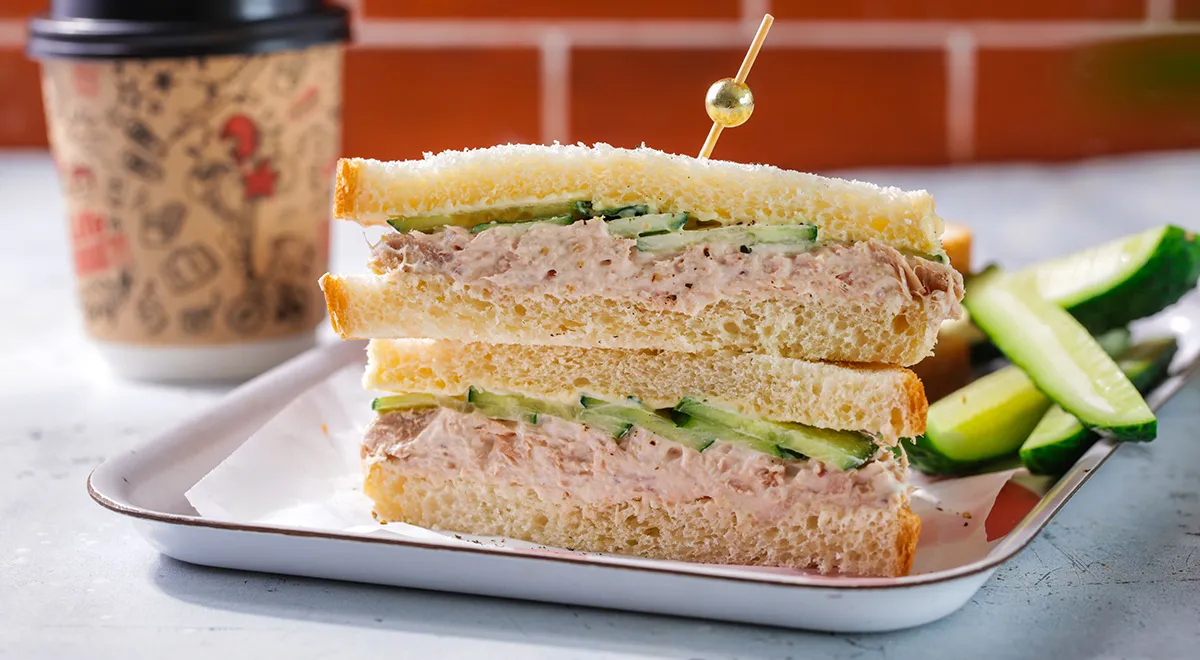
There are sandwiches, and then there are sandwiches. This Tuna and Cucumber creation falls squarely into the latter category—a deceptively simple assembly that elevates humble pantry ingredients into a lunchtime revelation. No cooking, no baking, no whisking. Just a food processor? Actually, not even that—only a fork and a knife are required. With a single immersion blender? No, just your hands. This recipe, straight from the Russian culinary archive, proves that restraint often yields the most satisfying results.
About This Recipe
Originating from the pages of Gastronom magazine, this sandwich is a testament to the beauty of clean, high‑quality ingredients. Canned tuna—packed in its own juice or oil—is the star, paired with cool, crisp cucumber and a creamy, tangy binder of soft cheese, grainy mustard, and a whisper of mayonnaise. The result is a textural delight: the flaky fish against the crunchy cucumber, all held together by a luscious spread. It’s the kind of sandwich you can throw together in five minutes for a solo lunch, yet impressive enough to serve at a casual gathering.

Ingredients
- 1 can (175 g) tuna – in its own juice or oil
- 1 small cucumber
- 2–3 tbsp soft cream cheese or quark
- 1 tsp whole‑grain mustard
- 2 tsp mayonnaise
- Salt
- Freshly ground black pepper
- 4 slices of your favourite bread (sourdough, rye, or wholemeal work beautifully)
For the best flavour, choose a high‑quality tuna packed in oil—it adds richness. If you prefer a lighter version, use tuna in its own juice. The cucumber should be firm and unwaxed; a good oil sprayer isn't needed here, but a sharp knife is.
Step‑by‑Step Instructions
Step 1: Drain and flake the tuna
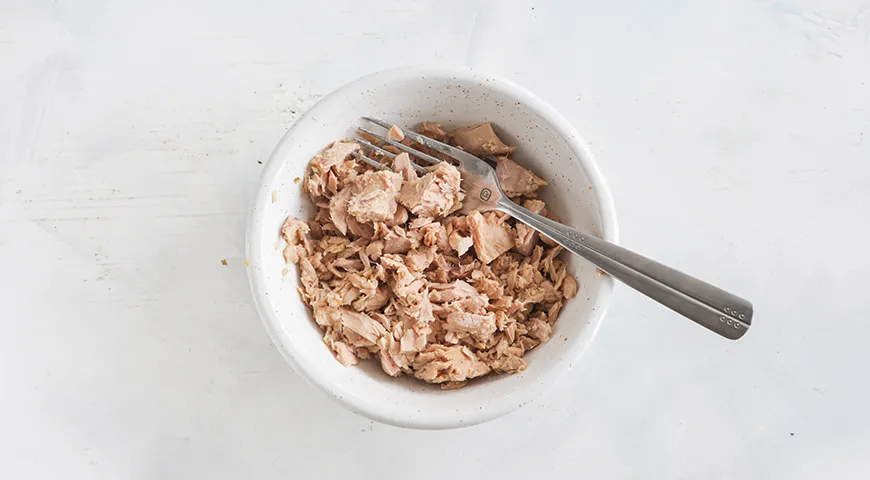
Open the can of tuna and drain off the liquid thoroughly. Transfer the tuna to a bowl and use a fork to break it into fine, even flakes. Avoid over‑mashing; you want distinct shreds for a better mouthfeel.
Step 2: Make the creamy mustard base
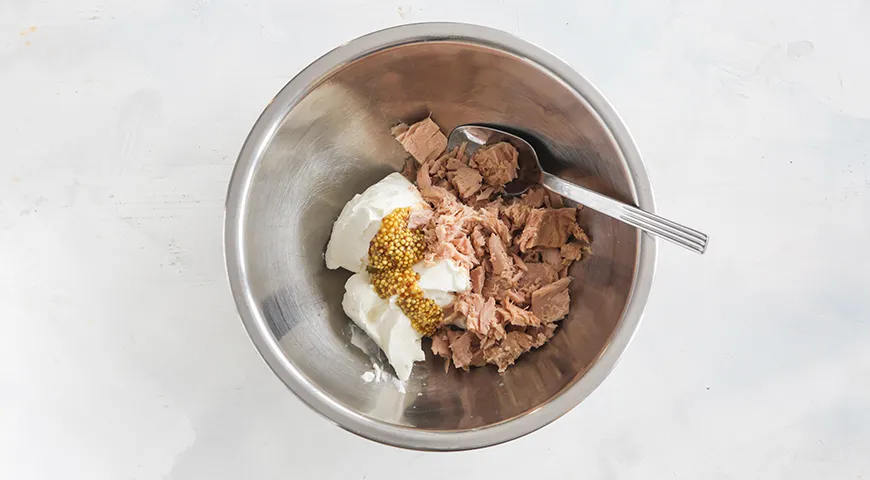
In a separate small bowl, combine the soft cream cheese (or quark) with the whole‑grain mustard. Season generously with freshly ground black pepper. Stir until smooth. Add the flaked tuna and fold gently until evenly distributed. Taste and adjust seasoning—remember the cucumber and bread will add their own saltiness.
Step 3: Slice and salt the cucumber
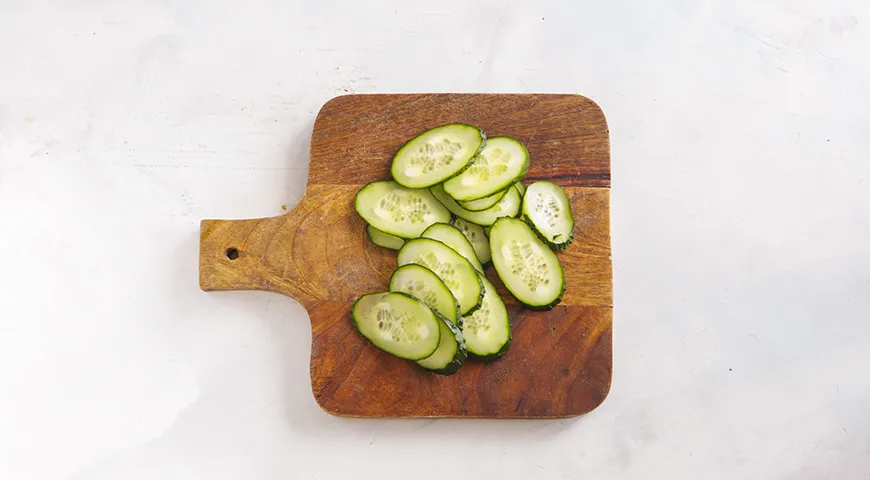
Wash the cucumber and slice it into thin, even rounds—about 2–3 millimetres thick. Sprinkle lightly with salt and let sit for a minute. This draws out excess moisture and intensifies the cucumber’s crispness. Pat dry with a paper towel if desired.
Step 4: Assemble the sandwich
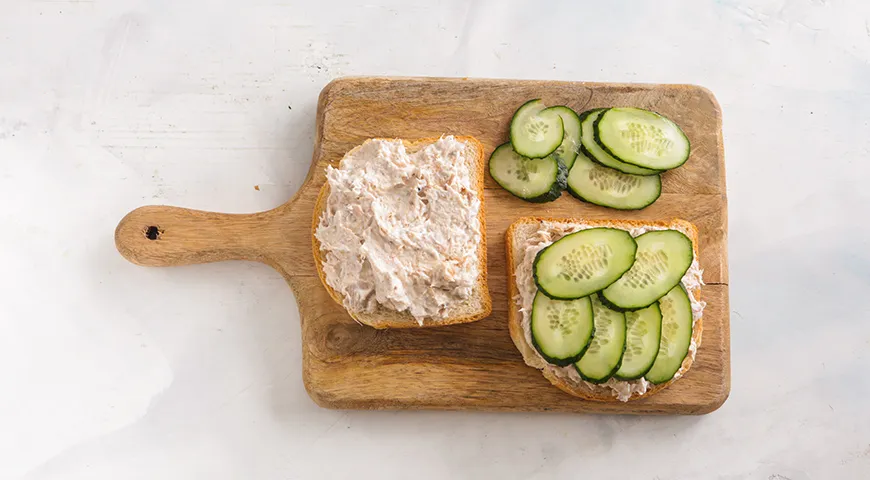
Take two slices of bread and spread a thin layer of mayonnaise on one side of each. On one slice, pile the tuna–cheese mixture evenly. Arrange the cucumber slices in a slightly overlapping pattern on top of the tuna. Press down gently to adhere.
Step 5: Close, press, and cut
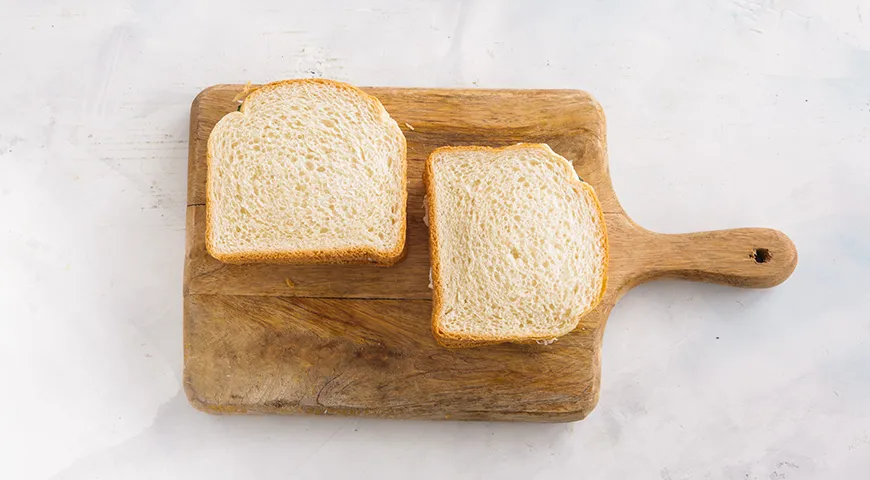
Top with the second bread slice, mayonnaise‑side down. Press lightly to compact the filling. Using a sharp knife, cut the sandwich diagonally from corner to corner. Serve immediately, or wrap tightly in parchment paper for a portable lunch. This sandwich travels beautifully—ideal for work, school, or a picnic.
Tips for the Perfect Tuna and Cucumber Sandwich
- Don’t overdrain the tuna: A little residual moisture keeps the filling from becoming dry. If using oil‑packed tuna, let a drop or two of oil remain for extra richness.
- Use very fresh cucumber: The crunch is essential. If your cucumber is limp, soak it in ice water for 10 minutes before slicing.
- Let the sandwich rest: After assembling, wait 2–3 minutes before cutting. This allows the flavours to meld and prevents the bread from tearing.
- Experiment with bread: A sturdy sourdough or a seeded wholemeal works best. Avoid overly soft sandwich loaves—they may become soggy.
- For clean, even slices, use a serrated knife and a gentle sawing motion.
Variations
- Add fresh herbs: A tablespoon of chopped dill, chives, or flat‑leaf parsley brightens the filling beautifully.
- Swap the cheese: Try goat cheese for a tangier profile, or use a dairy‑free cream cheese alternative.
- Make it open‑faced: For a lighter option, skip the top bread slice and serve the tuna‑cucumber mixture on toasted crackers or cucumber rounds.
- Spice it up: Add a pinch of cayenne or smoked paprika to the mustard–cheese mix for a subtle kick.
- Double the protein: Stir in a handful of chopped hard‑boiled egg (though a planetary mixer isn’t needed for that!).
Frequently Asked Questions
Can I use tuna packed in water instead of oil?
Absolutely. Tuna in water yields a leaner filling. To compensate, you may want to add an extra teaspoon of mayonnaise or a drizzle of extra‑virgin olive oil.
How long will the assembled sandwich keep?
If wrapped well and refrigerated, the sandwich stays fresh for up to 8 hours. The bread may soften slightly, but the flavour remains excellent. Avoid freezing—cucumber loses its crunch.
Can I make the filling ahead of time?
Yes. Prepare the tuna–cheese mixture and slice the cucumber separately. Store both in airtight containers in the refrigerator for up to 24 hours. Assemble just before serving for the best texture.
What if I don’t have soft cream cheese?
Substitute with mascarpone, ricotta, or even a thick Greek yogurt. Drain the yogurt for 30 minutes in a fine‑mesh sieve (or use a nut‑milk bag) to remove excess whey.
Is this sandwich suitable for a gluten‑free diet?
Easily. Choose your favourite gluten‑free bread, or serve the tuna‑cucumber mixture over crisp lettuce cups or rice cakes.
Can I use a different type of mustard?
Whole‑grain mustard lends a pleasant pop and mild heat. Dijon is a fine substitute, though it will be smoother and slightly sharper. You can also use a honey mustard for a sweeter note.
Final Thoughts
This Tuna and Cucumber Sandwich is a masterclass in minimalist cooking—proof that with a few quality ingredients and a little know‑how, you can create something far greater than the sum of its parts. Whether you’re packing it for a busy day or enjoying it al fresco, it’s a recipe that deserves a permanent spot in your repertoire. For more lunchbox inspiration, explore our guide to non‑toxic air fryer recipes or the perfect wine pairing for a sophisticated twist. And if you’re looking to upgrade your kitchen gear, the best espresso machine under $2,000 is a worthy splurge for your morning ritual.
Happy eating—and remember, the best sandwiches are made with love, not complexity.







