


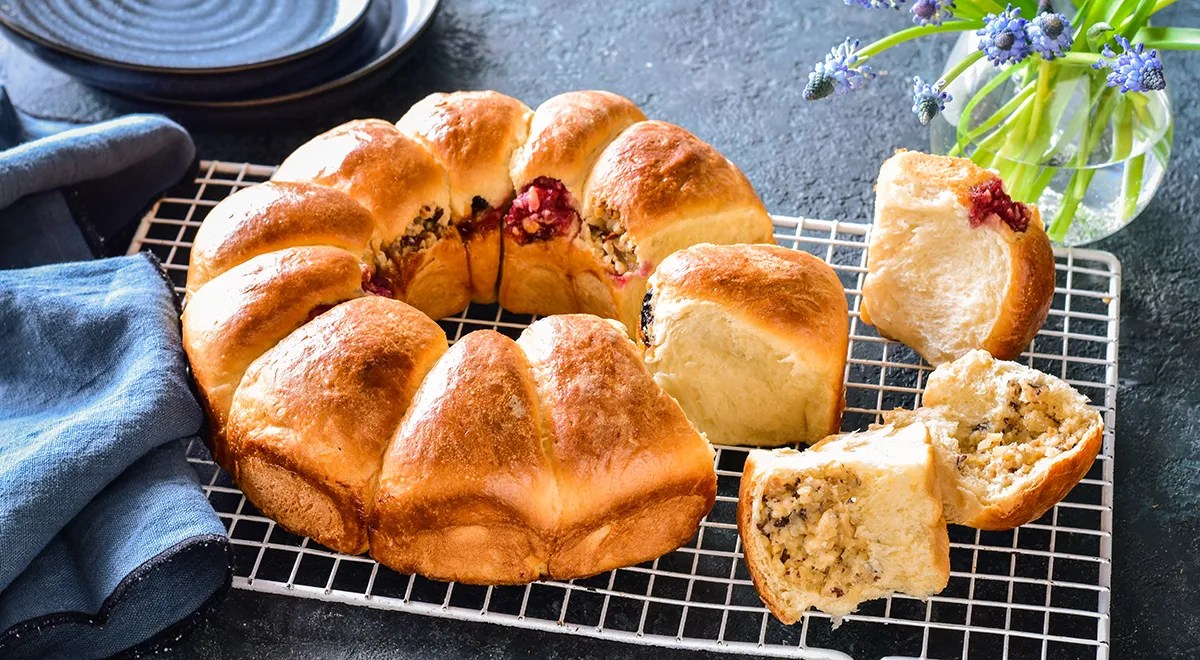
This indulgent pull-apart pie, known as Razbornik, is a beloved Eastern European specialty that marries tender yeast dough with three distinct fillings: a tangy prune compote, a luscious jam-nut mixture, and a rich hazelnut cream. What sets it apart is the dramatic technique of baking the assembled buns in a pool of melted butter, which transforms ordinary dough into a luxuriously soft, brioche-like treat. Reminiscent of Italian Danube cake or Bohemian buns, this showstopper is perfect for brunches, afternoon tea, or a celebratory dessert.
About This Recipe
The magic of Razbornik lies in its contrasts: the buttery, pull-apart bread reveals pockets of sweet prune, fragrant jam, and nutty hazelnut with every piece. The dough, enriched with kefir, is remarkably forgiving, and the entire process—though requiring patience for proofing—is straightforward. Using a best planetary mixer for kneading can save effort, but hand‑kneading yields equally satisfying results.

Ingredients
- For the dough: 500 g wheat flour, 250 ml kefir, 50 g sugar, 60 g water, 25 g unsalted butter (room temperature), 7 g salt, 2 tsp dry yeast (or 15 g fresh yeast), vegetable oil for greasing
- For the prune filling: 100 g pitted prunes, 2 tsp sugar (or to taste), 100 ml orange juice, 1 tsp orange zest
- For the jam‑nut filling: 100 g thick jam (e.g., apricot or raspberry), 20 g cornstarch, 50 g chopped nuts (walnuts or pecans)
- For the hazelnut filling: 150 g peeled hazelnuts, 30 g sugar, 1 egg yolk, 1 tbsp sour cream (15–20% fat)
- For assembly & glaze: 100 g unsalted butter (melted), 1 egg white mixed with 1 tbsp milk (for brushing)
Step‑by‑Step Instructions
-
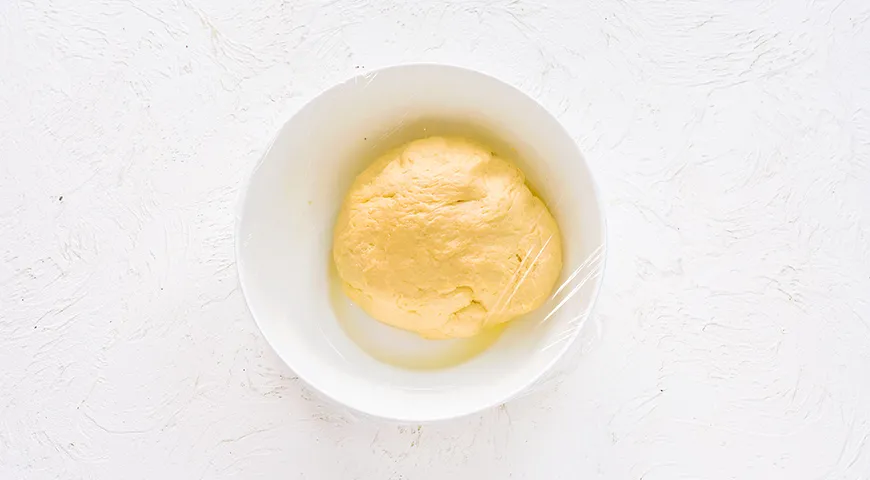
In a large mixing bowl, combine the flour with the dry yeast. Make a well in the center, add sugar and kefir, then stir with a scraper or your hand until a shaggy dough forms. The flour will be moistened but not yet smooth.
Sponsored
-
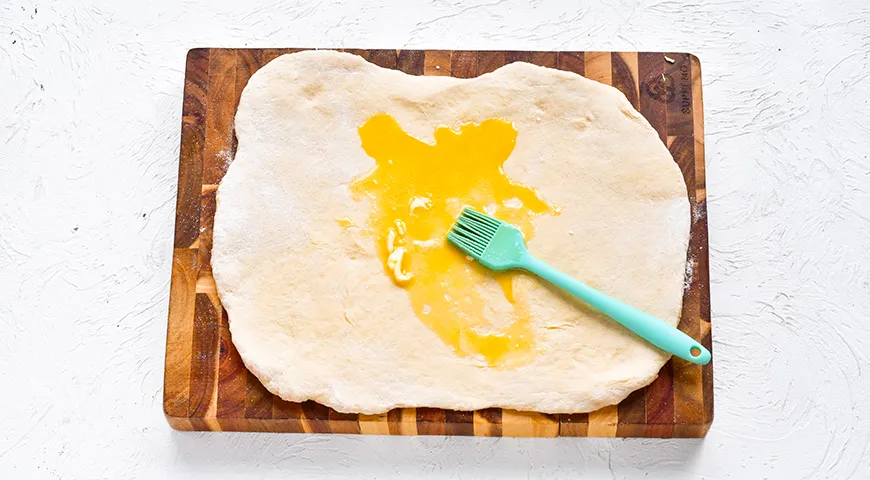
Transfer the dough onto a lightly floured work surface. Flatten it into a rectangle about 1.5 cm thick, sprinkle with salt, and spread the 25 g of soft butter over the surface. Fold the rectangle like a letter (in thirds), then knead vigorously until the dough becomes smooth and elastic.
-
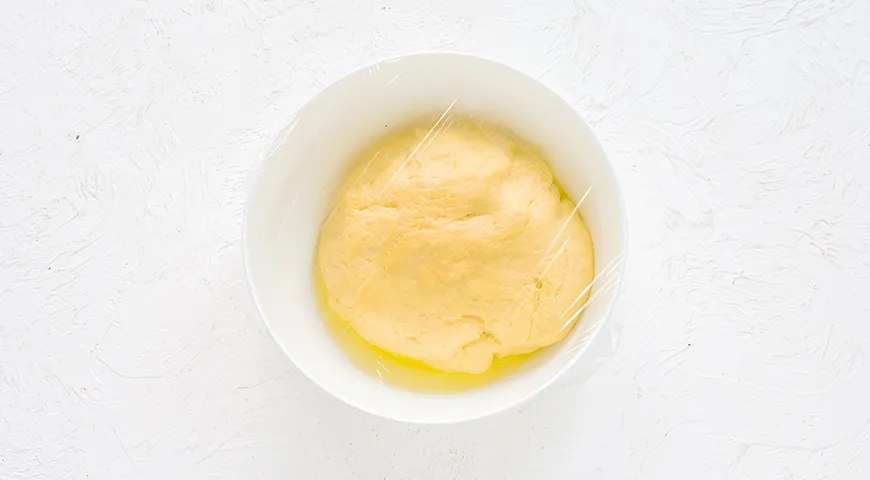
Place the dough in a lightly oiled bowl or container (use a best oil sprayer for even coating). Cover and let rise for 1.5 hours, or until doubled in volume. After 45 minutes, punch the dough down gently.
-
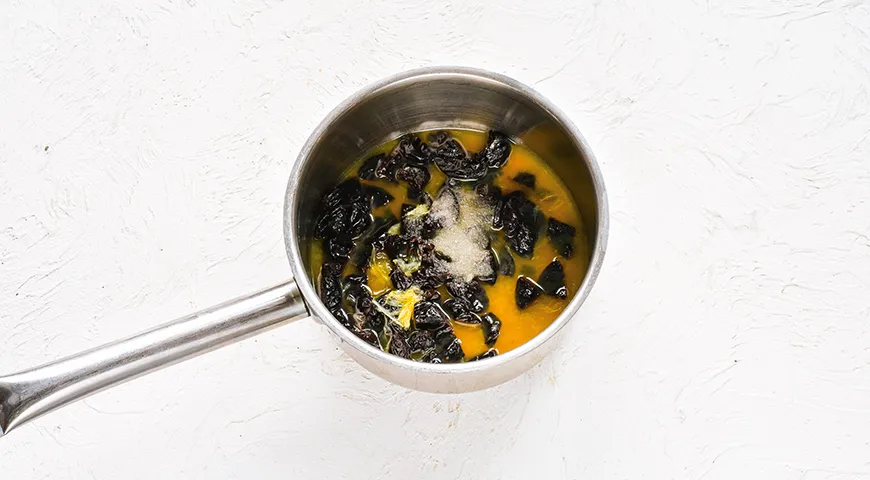
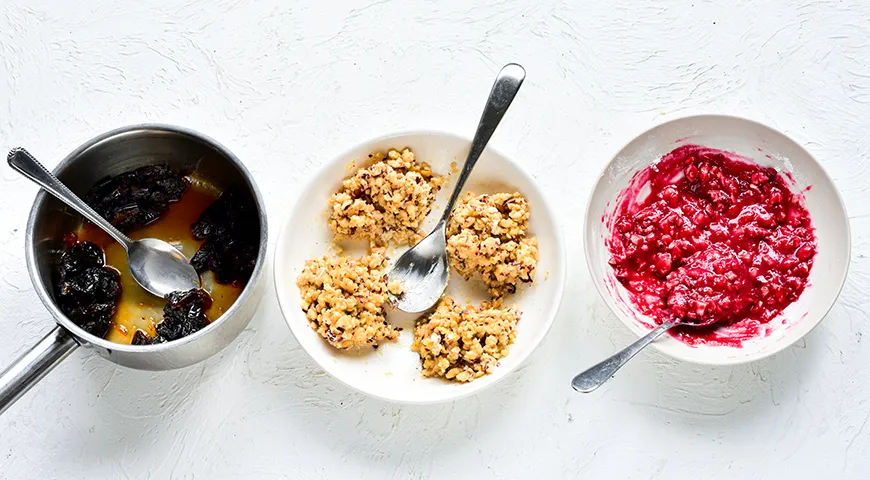
Meanwhile, prepare the prune filling: Cut each prune into 2–4 pieces. Place in a small pan with sugar and orange juice, and cook over medium heat, stirring, until the liquid evaporates. Remove from heat, stir in orange zest, and cool to room temperature.
-
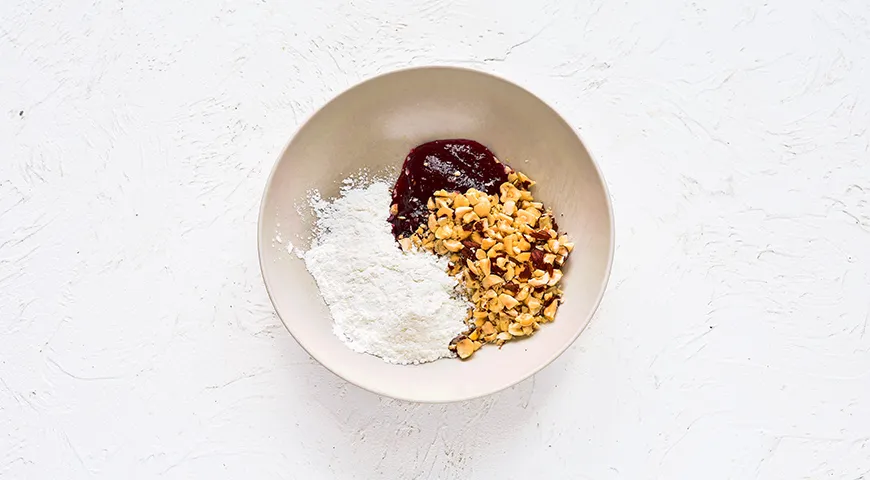
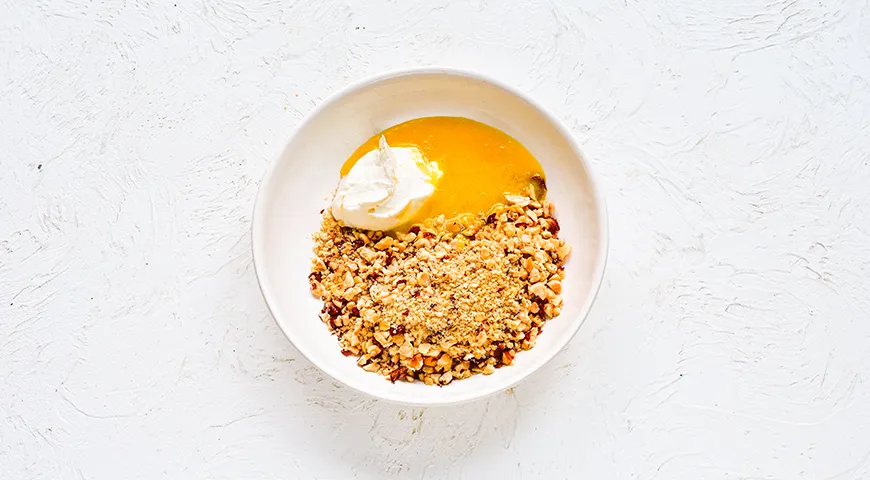
For the jam‑nut filling: mix the jam with cornstarch and chopped nuts until uniform. For the hazelnut filling: crush the hazelnuts with a rolling pin or pulse in a food processor (a best food processor for nut butter works beautifully) until coarse. In a bowl, whisk egg yolk with sugar, add sour cream, then stir in the crushed hazelnuts.
Sponsored
-
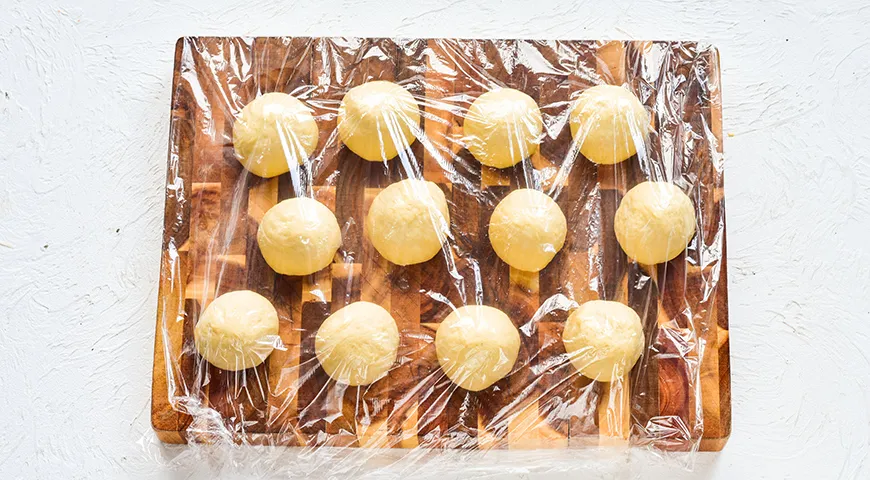
When the dough has risen, divide it into 12 equal pieces (about 75 g each). Shape each piece into a smooth ball, cover with plastic wrap, and let rest for 10–15 minutes.
-
Divide each filling into 4 portions (so you’ll have 4 buns with prune, 4 with jam‑nut, and 4 with hazelnut). This ensures even distribution.
-
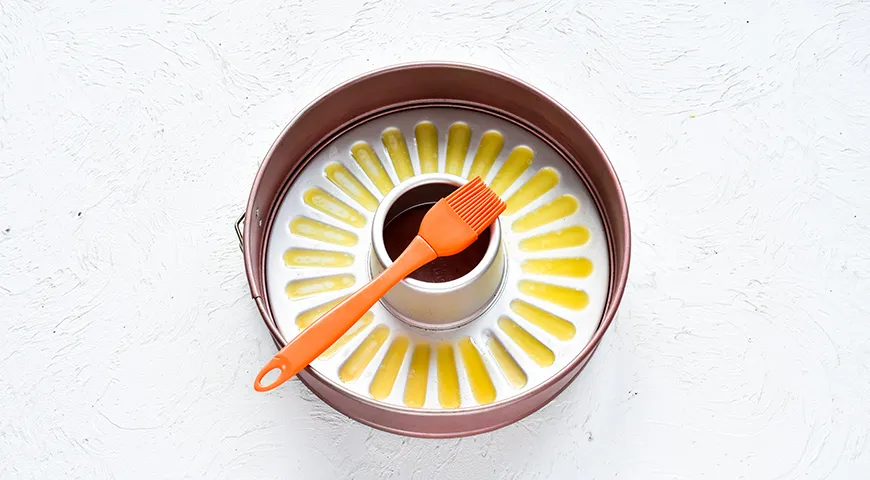
Pour the 100 g of melted butter into a 24–25 cm tube pan (or round cake pan with a central chimney).
-
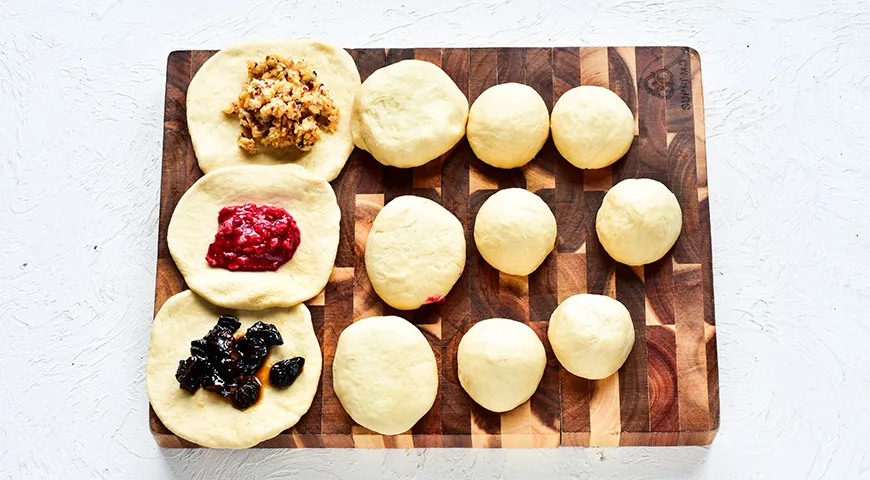
On a lightly floured surface, roll each dough ball into a disc about 10 cm in diameter. Place a portion of one filling in the center, then gather the edges to form a bun. Seal tightly.
Sponsored
-
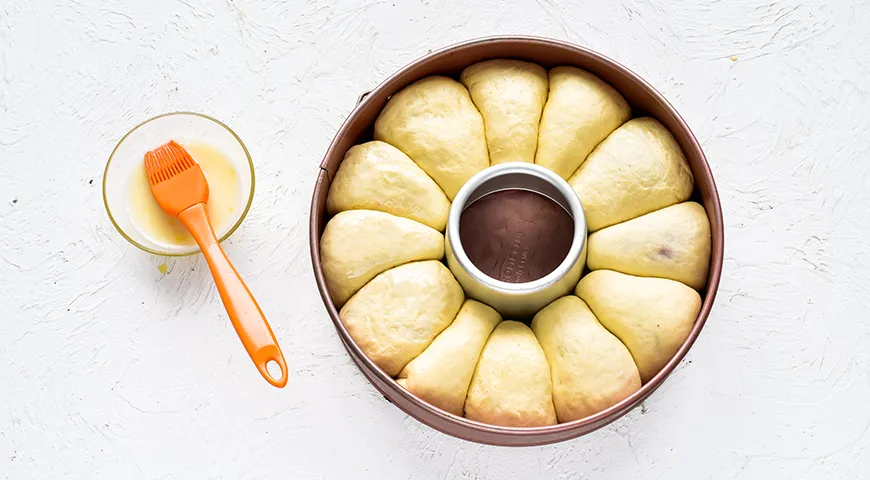
Repeat with all dough and fillings, keeping track of which bun contains which filling. Place the buns in the butter‑filled pan, alternating the three fillings for a beautiful mosaic effect.
-
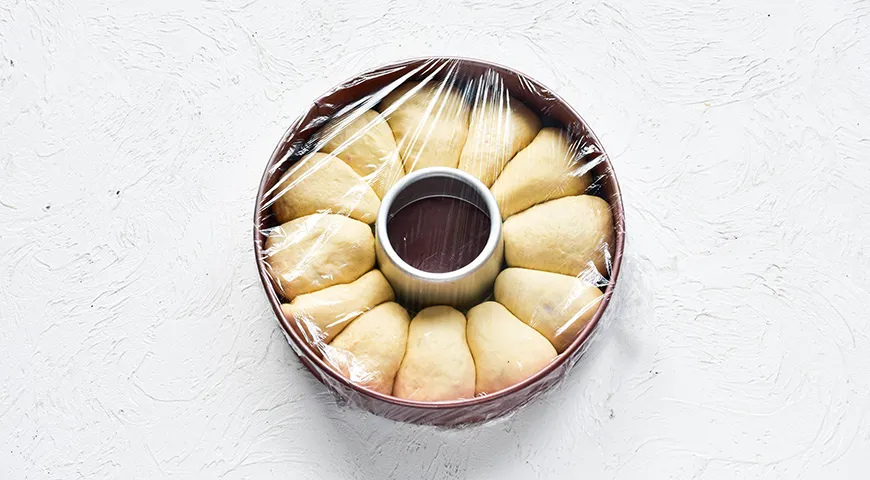
Cover the pan with a towel or plastic wrap and let the buns proof for 45–60 minutes, until puffy. Meanwhile, preheat your oven to 180°C (350°F). For optimal results, consider using a best commercial countertop convection oven for even heat distribution.
-
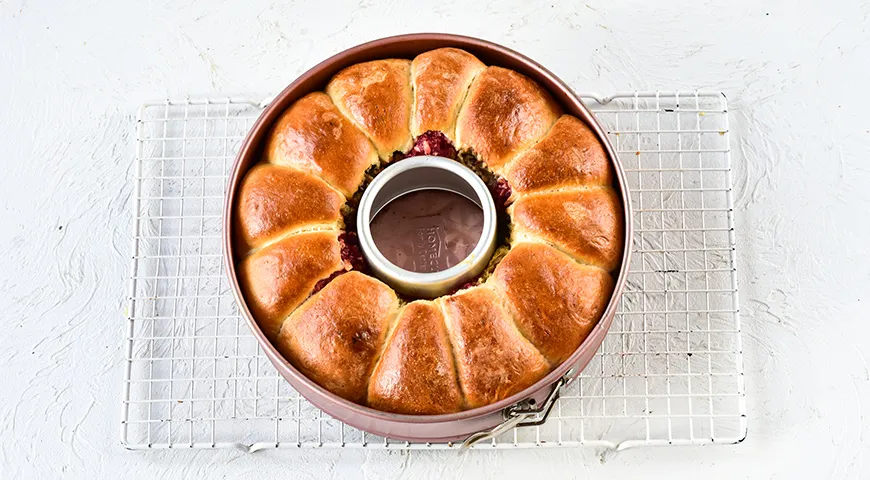
Brush the surface of the risen buns with the egg white‑milk mixture. Bake for 40–45 minutes, until deep golden brown and a skewer inserted in the center comes out clean. If the top darkens too quickly, tent loosely with foil.
-
Let the pie cool in the pan on a wire rack for 20–30 minutes. Then carefully invert onto a serving plate to release the buttery buns. Allow to cool completely before serving—this helps the fillings set. Store any leftovers in an airtight container in the refrigerator (a best 48 inch built-in refrigerator is ideal for large batches).
Sponsored
Tips for Success
- Use room‑temperature kefir and butter for the dough to ensure proper fermentation and a tender crumb.
- For a faster rise, you can proof the dough in a best microwave pressure cooker set to low power (or use a warm oven).
- If the prune filling seems too liquid, simmer a few minutes longer until thickened.
- For an extra‑crisp top, you can finish baking in a best air fryer non-toxic at 180°C for 3–5 minutes after the oven bake.
Variations
- Replace prunes with dried apricots or figs, or use a mix of dried fruits.
- For the jam filling, try best chocolate covered raisins chopped and mixed with a spoonful of nutella instead of jam.
- Add a tablespoon of rum or brandy to the prune compote for a grown‑up twist.
- Serve warm with a glass of best sweet wine with high alcohol content for a decadent dessert pairing.
- Use a tangzhong or water roux method for an even softer dough—similar to the technique used in pa de pessic catalan sponge.
Frequently Asked Questions
Can I make the dough a day ahead?
Yes. After the first rise, punch down the dough, wrap tightly, and refrigerate overnight. The next day, bring it to room temperature before shaping. Using a best undercounter ice maker machine isn’t necessary—a simple fridge works fine.
Can I substitute the kefir with buttermilk or yogurt?
Absolutely. Sour cream thinned with milk, or plain yogurt, will work. The acidity helps tenderize the dough.
How do I serve Razbornik?
Pull apart the buns and arrange on a platter. It’s wonderful on its own or with a dollop of crème fraîche. Pair with a morning coffee brewed with a best coffee maker for Airbnb for an impressive breakfast spread.
Can I freeze the baked pie?
Yes. Cool completely, wrap in plastic and foil, and freeze for up to 3 months. Thaw overnight in the refrigerator and reheat in a best wall oven microwave combo with air fryer at 160°C for 10 minutes.
What if I don’t have a tube pan?
A standard 9‑inch round cake pan works, but the baking time may be slightly shorter. Make sure the butter coats the bottom evenly. For precisely measuring ingredients, an best non-toxic immersion blender isn’t needed here, but a kitchen scale is highly recommended.







