


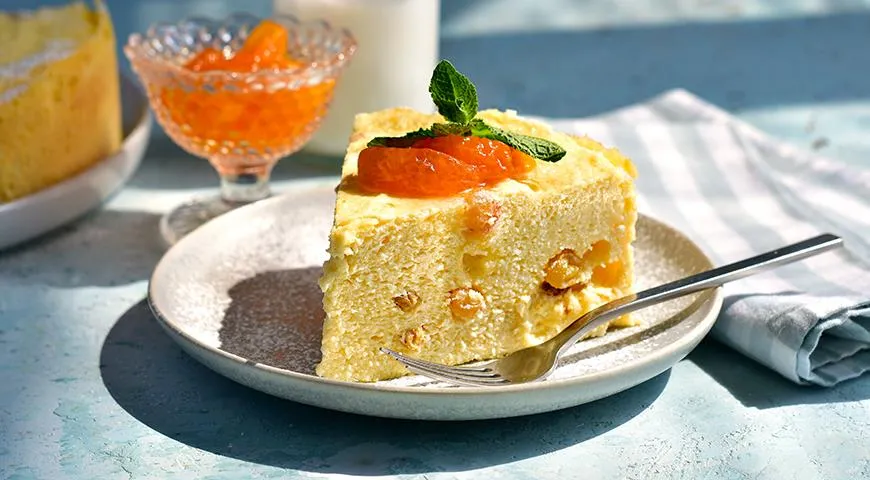
There is something deeply comforting about a classic curd casserole—a staple of Russian home cooking that balances creamy richness with a delicate, cloud-like texture. This version, steamed rather than baked, takes tenderness to new heights. The gentle, moist heat of the steamer ensures the casserole remains lush and never dry, while the raisins and bright lemon zest add bursts of sweetness and acidity. Perfect for breakfast, dessert, or a light lunch, this recipe transforms simple ingredients into a dish that feels both nostalgic and refined. It is also remarkably forgiving, making it ideal for cooks exploring steamer techniques for the first time.
About This Recipe
Originating from the Russian tradition of tvorozhnaya zapekanka (cottage cheese casserole), this dish is beloved for its versatility and nourishing qualities. The star ingredient is tvorog—a fresh, slightly tangy curd cheese that provides structure and creaminess. By steaming instead of baking, you avoid any risk of a cracked top or dry edges. The result is a silky, springy texture that stays moist for days. This recipe also thoughtfully balances the richness of butter and sour cream with the lightness of whipped eggs and a touch of semolina. For those who love precise, reliable kitchen tools, a quality glass food processor can help achieve an ultra-smooth curd base if desired.

Ingredients
- 600 g tvorog (curd cheese, 9–18% fat)
- 4 large eggs (C0 size)
- 180 g sour cream (20% fat)
- 100 g unsalted butter (82.5% fat), plus extra for greasing
- 100 g raisins
- Juice of half a lemon (about 20 ml)
- Zest of half a lemon (about 2 g)
- 50 g granulated sugar, plus extra for dusting the mold
- 80 g semolina
- 60 g all-purpose flour
- 2 tsp baking powder (8 g)
- 1 g salt (a generous pinch)
The quality of the curd is paramount—opt for a creamy, not grainy, variety. If your curd feels dry, you can blitz it with a few spoonfuls of sour cream using an immersion blender for a silkier consistency. The raisins add natural sweetness, but you can substitute dried cranberries or chopped apricots for a different twist.
Step-by-Step Instructions
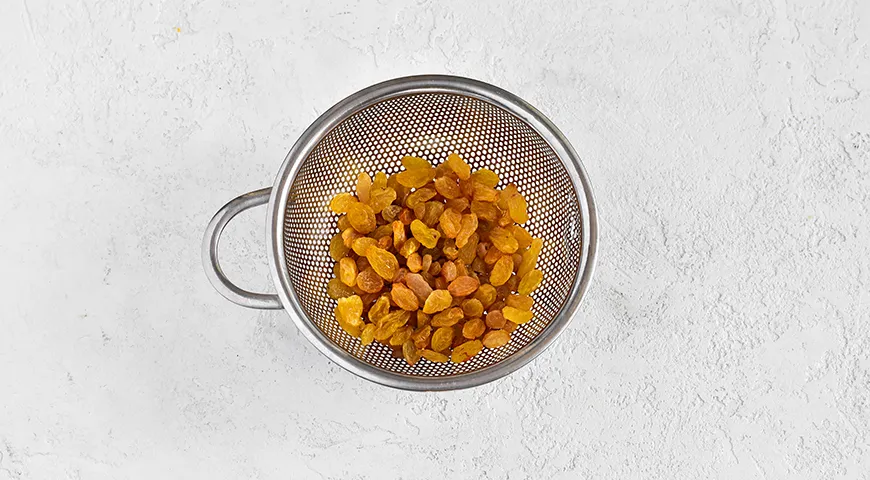
- Soak the raisins: Place the raisins in a small bowl and cover with hot water. Let them sit for 15 minutes until plump. Drain thoroughly and pat dry with a paper towel. This step prevents the raisins from sinking to the bottom of the batter.
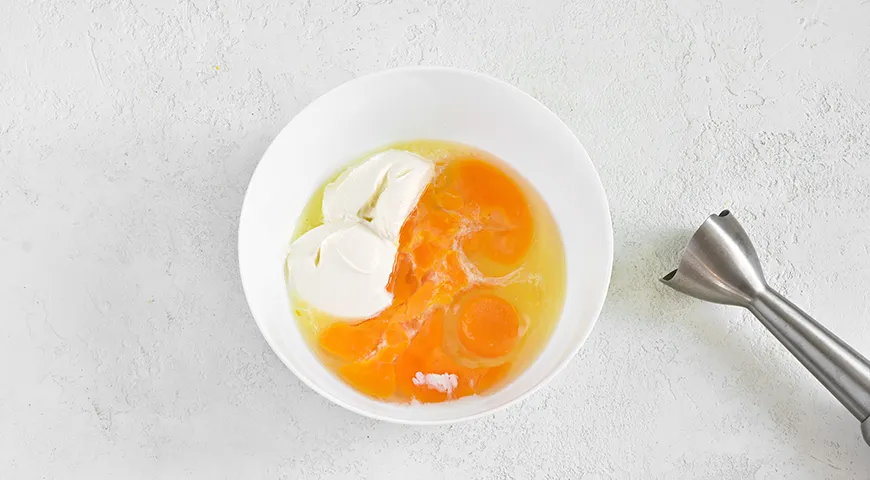
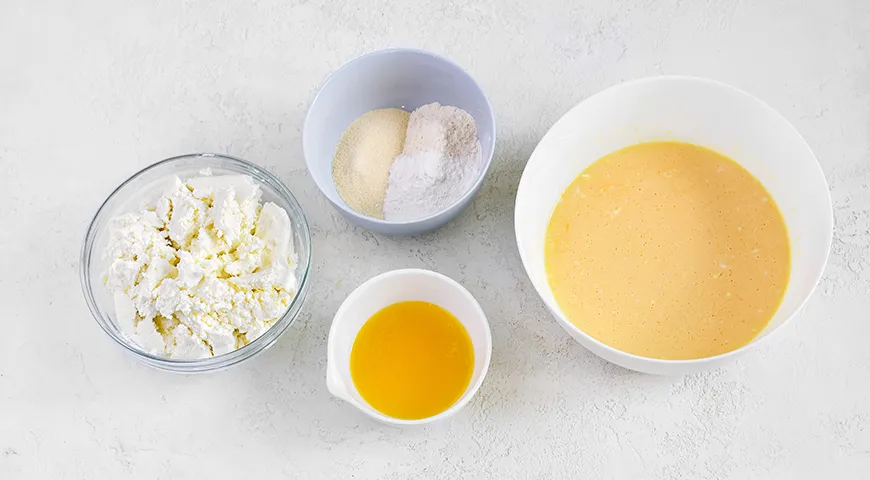
- Mix the dry ingredients and blend the wet base: In a small bowl, whisk together the semolina, flour, baking powder, and salt. In a separate large bowl, blend the eggs, lemon juice, sugar, and sour cream with an immersion blender until smooth and slightly frothy. Gradually add the curd and the melted (and cooled) butter—reserve 60 g of butter for the batter, using the extra for greasing. Blend until the mixture is homogenous and no lumps remain. A powerful planetary mixer with a paddle attachment can also work, but an immersion blender is faster and requires less cleanup.
- Incorporate the flour mixture: With the blender running on low speed (or by hand with a spatula), gradually add the flour mixture to the curd base. Mix only until combined—overmixing can activate gluten and make the casserole dense. The batter should be thick, creamy, and voluminous.
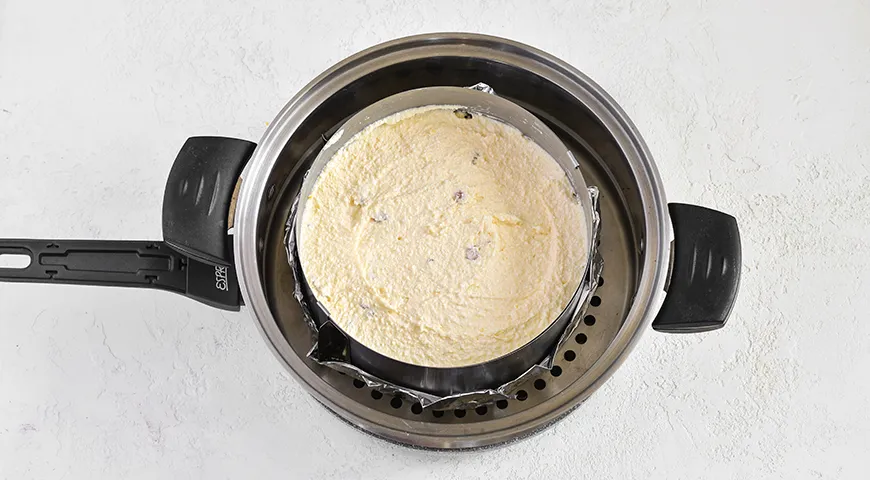
- Fold in lemon zest and raisins: Gently fold the lemon zest and drained raisins into the batter using a rubber spatula. The zest will infuse the casserole with a bright aromatic note. Lightly grease your steaming mold (a silicone or metal bowl works well) with extra butter and dust with a little sugar. Pour the batter into the mold, smooth the top, and cover tightly with plastic wrap to prevent condensation from dripping onto the surface.

- Steam the casserole: Preheat your steamer to a steady simmer (if using a stovetop steamer, bring the water to a gentle boil). Place the covered mold in the steamer basket and steam for 45–60 minutes, depending on the depth of your mold. The casserole is ready when a wooden skewer inserted into the center comes out clean. Remove the mold carefully, discard the plastic wrap, and let the casserole cool on a wire rack for 15 minutes. Then invert it onto a serving plate. The steam will have produced a tender, pudding-like texture. For an evenly steamed result, consider using a dedicated steam canner with a large capacity if you plan to make this often.
Serve warm or at room temperature. A dollop of sour cream, a drizzle of honey, or a spoonful of berry compote elevates it to a dessert. For a savory breakfast version, reduce the sugar to 30 g and add a pinch of black pepper and fresh dill.
Tips for Success
- Use room-temperature ingredients: Cold eggs or butter can cause the batter to seize, leading to a less even crumb. Let everything sit out for 30 minutes before starting.
- Don’t skip the sugar-coating: Dusting the mold with sugar creates a delicate caramelized crust when the casserole inverts—a lovely contrast to the soft interior.
- Check the steamer water level: If steaming for an hour, replenish with boiling water midway to avoid a dry pan. The steady steam is essential for the perfect rise.
- Adapt for dietary needs: For a gluten-free version, swap the flour and semolina for a mix of rice flour and cornmeal. The texture will be slightly grainier but still delicious. An air fryer cannot replicate the moist steam, so stick to a stovetop or electric steamer.
Variations
This base recipe is a canvas for creativity. Fold in chopped dried figs, dark chocolate chips, or a tablespoon of chocolate-covered raisins for an indulgent twist. For a tropical note, replace the lemon with lime and add toasted coconut flakes. In summer, serve chilled with fresh berries and a sprig of mint. The casserole also freezes beautifully: slice into portions, wrap individually, and steam to warm.
Frequently Asked Questions
Can I use low-fat tvorog or cottage cheese?
Yes, but the casserole will be less rich and may turn out slightly denser. If using low-fat (0–2% fat) tvorog, increase the sour cream to 200 g and add an extra egg yolk for moisture. A wheatgrass juicer won’t help here, but a simple food processor can break down the curd.
Why did my casserole crack on top?
Cracking usually indicates the steamer temperature was too high or the batter was overmixed. Ensure a gentle, steady steam—not a rolling boil—and mix just until combined. Using a commercial convection oven is not recommended for this recipe because dry heat will cause cracking.
How do I store leftovers?
Cool completely, wrap in plastic, and refrigerate for up to 4 days. To reheat, steam for 5–7 minutes or microwave briefly. Avoid reheating in a wall oven microwave combo on high power, as it can dry out the edges.
Can I make this without an immersion blender?
Absolutely. Mash the curd with a fork or push it through a sieve, then beat the wet ingredients with a whisk. The texture will be slightly rougher—more rustic—but equally delicious. Using a food processor for nut butter can also puree the curd, though you may need to scrape down the sides.
Is this recipe suitable for a steamer basket without a timer?
Yes. Just set a kitchen timer or use a smart ice maker with a timer function to alert you. The casserole is forgiving—even 10 extra minutes won’t ruin it, as long as the water doesn’t run out.
This steamed curd casserole is a testament to the beauty of gentle cooking. The result is a dessert (or breakfast) that feels like a warm hug—tender, aromatic, and just sweet enough. Pair it with a glass of organic vodka for a grown-up treat, or simply enjoy it with a cup of single-origin coffee. For more inspirations, explore our collection of Catalan sponge cake recipes that share a similar lightness.







