


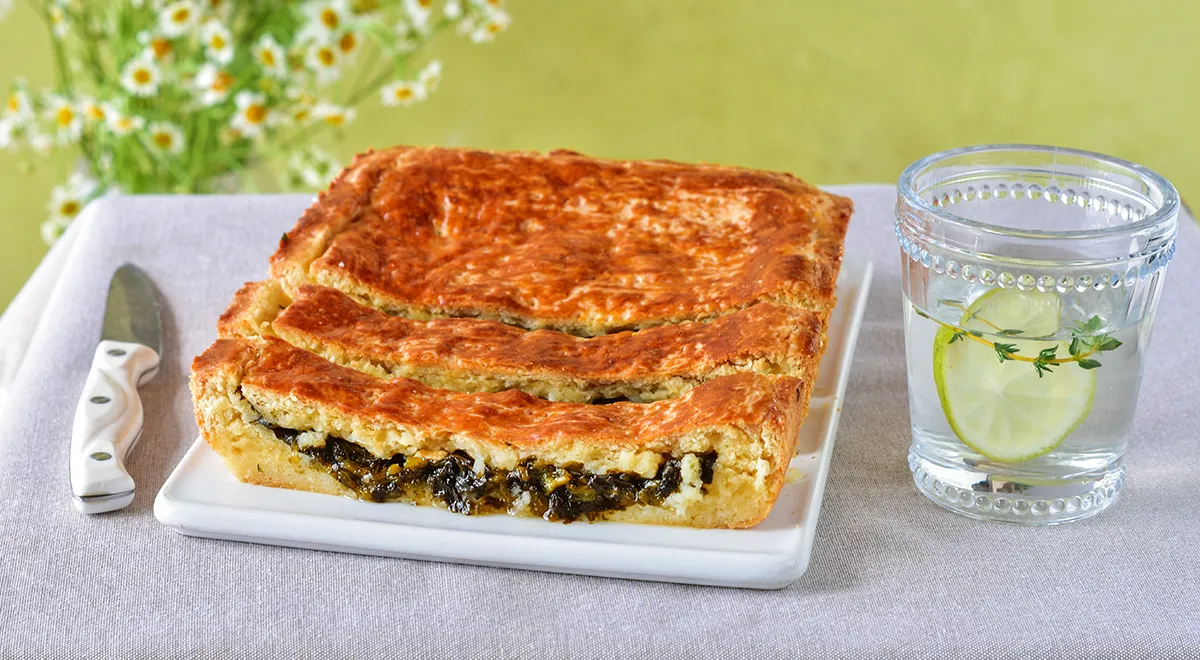
There’s something quietly enchanting about a pie that relies on the tart brightness of sorrel and the gentle tang of kefir. This Russian classic—Pirog s Schavelem na Kefire—is a humble yet sophisticated bake, perfect for spring picnics or a cozy afternoon tea. The sorrel filling, sweetened just enough to balance its lemony edge, nestles inside a buttery, kefir-enriched dough that bakes to a golden, tender crumb. It’s a recipe that celebrates simplicity and seasonal produce, and once you try it, you’ll understand why it has been a beloved staple in Russian homes for generations.
About the Recipe
This sorrel and kefir pie embodies the resourcefulness of traditional Russian baking. Sorrel, often foraged in early summer, brings a bright acidity that pairs beautifully with the subtle sourness of kefir. The dough comes together quickly by hand or with a planetary mixer, requiring no lengthy proofing. The result is a tender, slightly crisp crust that cradles a juicy, tangy filling. It’s a pie that shines at room temperature, making it ideal for make-ahead entertaining.

Ingredients
- Sorrel – 280 g
- Unsalted butter – 150 g, softened
- Kefir (full-fat preferred) – 150 ml
- All-purpose flour – 375 g
- Granulated sugar – 100 g (divided: 30 g for dough, 70 g for filling)
- Baking powder – 5 g
- Egg yolk – 1 (for glazing)
For the best texture, use cold butter and full-fat kefir. If you’re sourcing sorrel, look for vibrant green leaves without wilting. For storing leftover sorrel, a high-capacity refrigerator helps keep it crisp.
Step-by-Step Instructions
Step 1: Prepare the Dry Ingredients and Butter
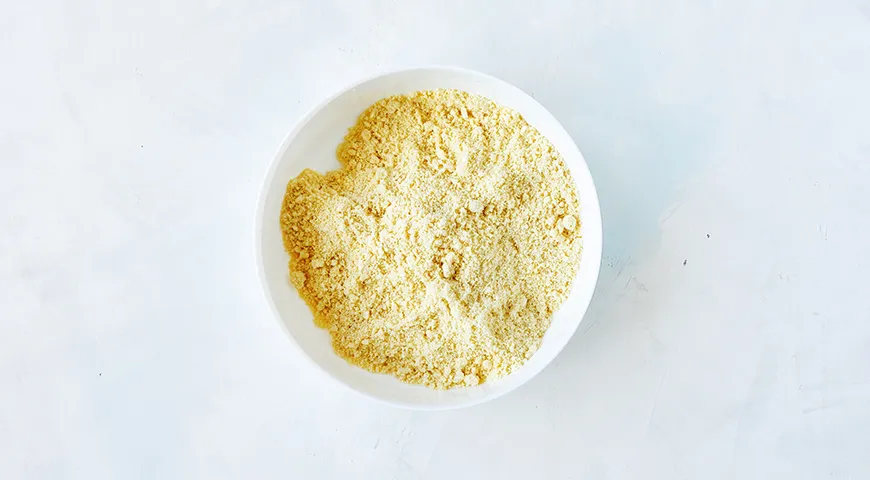
Sift 200 g of flour into a large bowl. Add the softened butter and rub the mixture between your fingertips until it resembles coarse crumbs. This creates the base for a flaky crust.
Step 2: Form the Dough
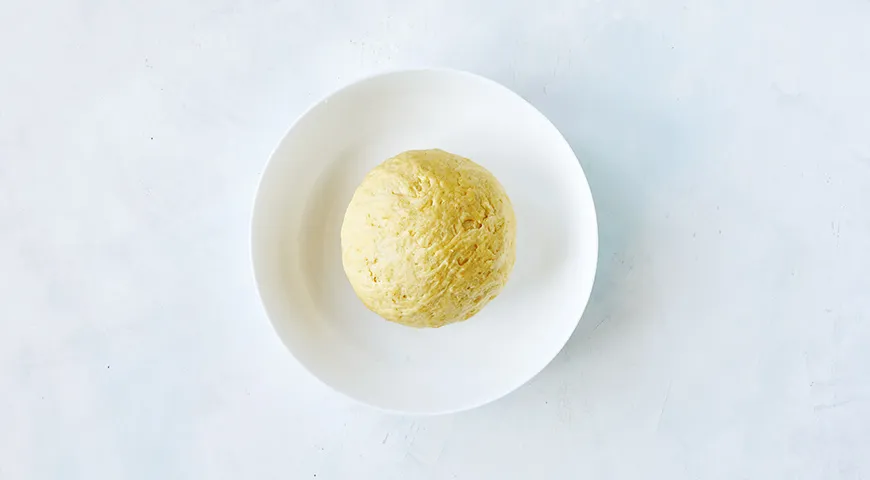
Pour the kefir into the butter-flour mixture and stir gently. Add 30 g of sugar, the baking powder, and the remaining 175 g of flour. Mix until a soft, homogeneous dough forms. Shape into a ball, cover with plastic wrap, and let it rest in the bowl while you prepare the filling. Using a food processor can speed up this step, but hand‑mixing yields excellent results.
Step 3: Prepare the Sorrel Filling
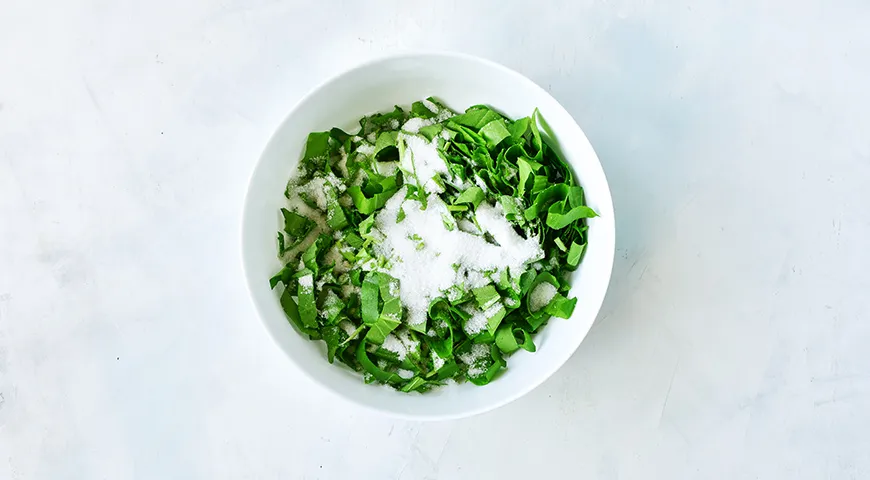
Rinse the sorrel under cold water, discarding any damaged leaves or stems. Pat dry with paper towels. Stack the leaves and slice them crosswise into 2.5‑cm wide ribbons. Toss with the remaining 70 g of sugar and set aside. If you prefer a smoother filling, you can briefly blitz the sorrel in a wheatgrass juicer (the sorrel will release liquid, but the texture changes).
Step 4: Assemble the Pie – Bottom Crust
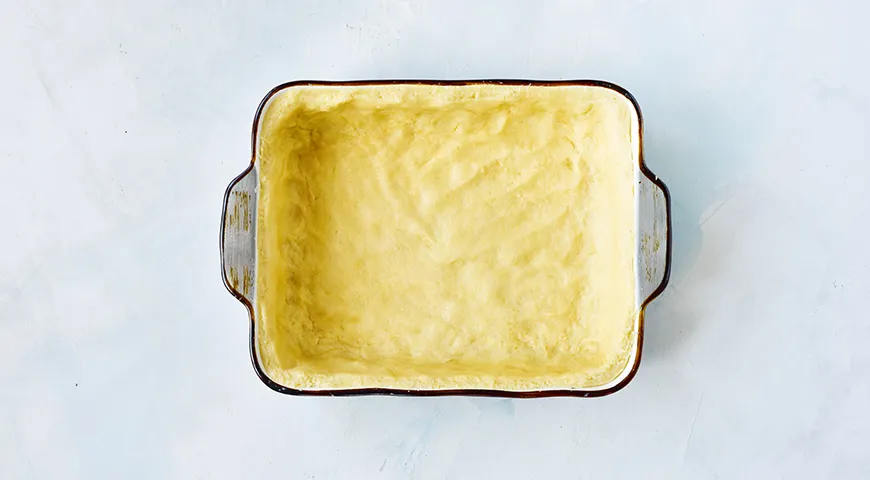
Grease a rectangular baking pan (about 20×30 cm) with vegetable oil. Lightly oil your hands. Divide the dough into two unequal pieces—one slightly larger for the bottom. Press the larger piece evenly into the pan, forming a crust with raised edges. For a non‑stick surface, consider using an oil sprayer for even coverage.
Step 5: Fill and Top the Pie
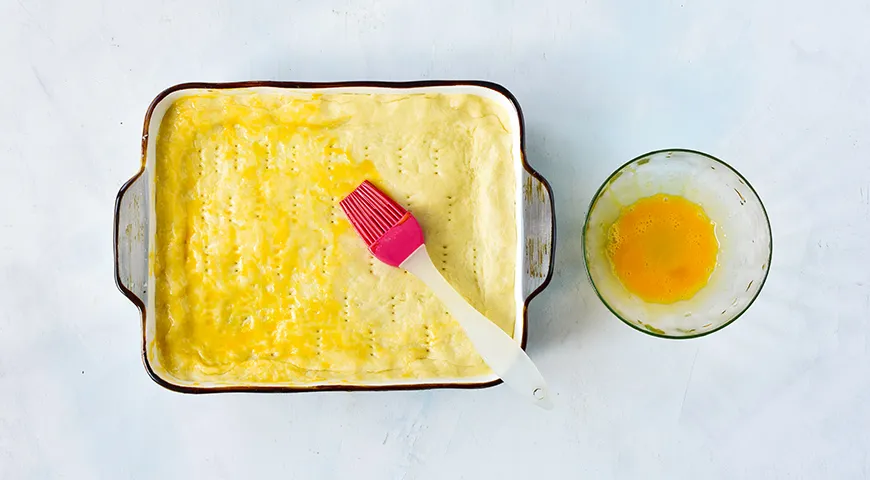
Spread the sorrel mixture evenly over the bottom crust. Roll out or pat the remaining dough into a rectangle that covers the filling. Lay it on top, pinch the edges to seal, and prick the surface several times with a fork or toothpick to allow steam to escape. Lightly beat the egg yolk and brush it over the top using a pastry brush. For a flawless glaze, a non‑toxic immersion blender can be used to emulsify the yolk if needed.
Step 6: Bake and Cool
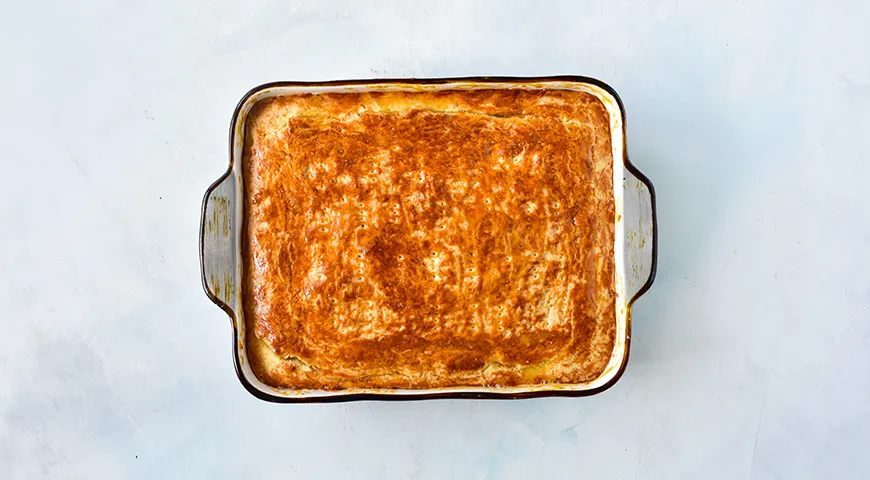
Preheat your oven to 200 °C (400 °F). Bake the pie on the middle rack for 35–40 minutes, until the crust is deep golden and the filling bubbles slightly. If using a convection oven, check at the 25‑minute mark. For consistent results, refer to our guide on the best commercial countertop convection oven. Let the pie cool in the pan for at least 15 minutes before slicing—this allows the sorrel juices to set.
Tips for Success
- Don’t overwork the dough: Mix just until it comes together to keep the crust tender. A planetary mixer on low speed works well.
- Balance the sweetness: Sorrel’s acidity varies. Taste a leaf—if very tart, you can increase the sugar in the filling by 10–15 g.
- Prevent a soggy bottom: Blind‑bake the bottom crust for 10 minutes if you prefer a firmer base. A wall oven microwave combo with air fryer can also help achieve even browning.
- Storage: Keep the pie uncovered at room temperature for up to two days. For longer storage, wrap well and refrigerate; reheat in a non‑toxic air fryer to revive the crust.
Variations
- Add leafy greens: Mix sorrel with spinach or Swiss chard for a milder flavor. A splash of organic vodka in the dough adds extra tenderness.
- Herb infusion: Fold chopped dill or mint into the filling for a fresh twist. For a smoother texture, blitz the herbs with the sorrel using a wheatgrass juicer.
- Gluten‑free option: Substitute the all‑purpose flour with a 1:1 gluten‑free blend. Add a teaspoon of xanthan gum to improve structure. A food processor for nut butter can help incorporate the butter evenly.
- Savory sorrel pie: Omit the sugar, add sautéed onions and feta cheese, and season with black pepper. Bake as directed.
Frequently Asked Questions
Can I use frozen sorrel for this pie?
Yes, but thaw and squeeze out excess liquid before mixing with sugar. Frozen sorrel tends to be more watery, so reduce the sugar slightly. If you’re preserving sorrel from your garden, a steam canner is a great tool for long‑term storage.
What if I don’t have kefir?
Substitute with buttermilk, plain yogurt thinned with a little milk, or even sour cream diluted to a pourable consistency. The tanginess will be slightly different but still delicious. For optimal freshness, always store kefir in a built‑in refrigerator.
How do I keep the crust from getting too hard?
Avoid over‑baking and use a light hand when mixing the dough. Brushing the top with egg yolk creates a glossy finish that also seals in moisture. Using a coffee maker for Airbnb isn’t relevant here, but a good oven thermometer ensures accurate temperature.
Can I make this pie vegan?
Replace the butter with coconut oil (solid, not melted), use a plant‑based yogurt or kefir alternative, and substitute the egg yolk with a mixture of 1 tablespoon aquafaba and 1 teaspoon maple syrup for glazing. A non‑toxic immersion blender helps emulsify aquafaba.
Why did my filling turn brown?
Sorrel contains oxalic acid, which can cause slight discoloration when baked. To minimize this, don’t overmix the filling with sugar, and bake the pie as soon as it’s assembled. For the brightest color, use the freshest sorrel you can find. If you’re juicing sorrel for another use, check out the best wheatgrass juicer review.
This sorrel and kefir pie is a celebration of simple, seasonal ingredients. Whether you serve it as a dessert, a tea‑time treat, or a light lunch, its bright tang and tender crust will win hearts. With the right tools—from a reliable planetary mixer to a precise microwave pressure cooker for quick side dishes—you’ll create a pie that feels both rustic and refined.







