


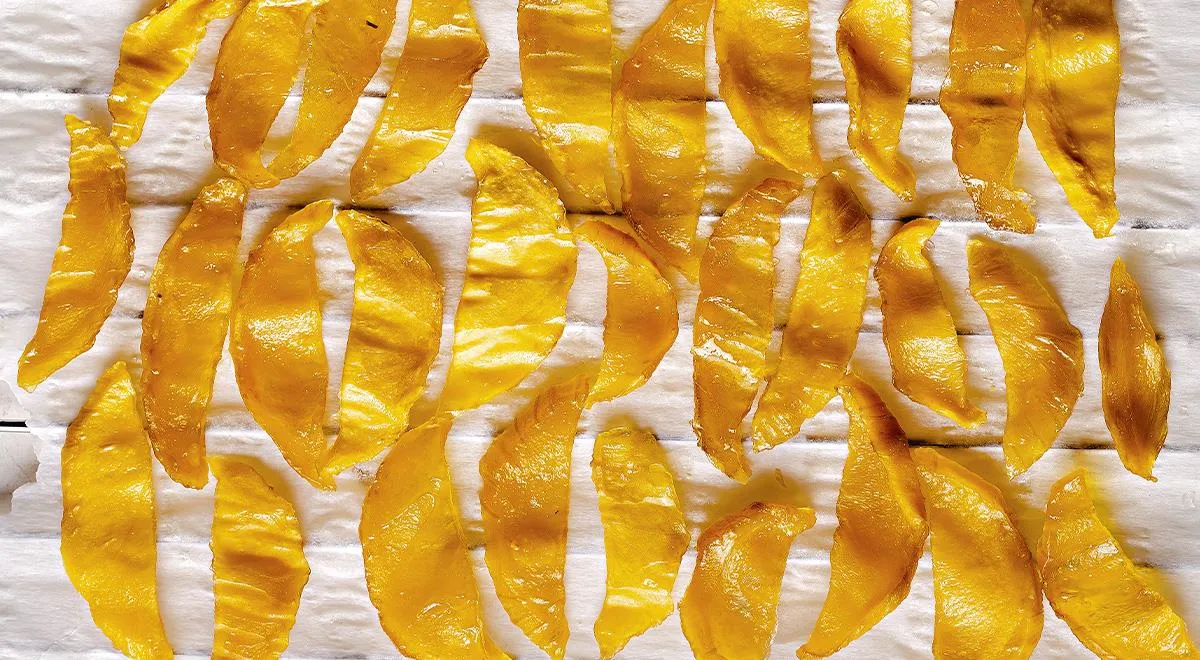
Imagine biting into a sun‑kissed mango—its sweetness intensified, its texture magical, and its flavor concentrated into a chewy, golden morsel. That is the essence of homemade candied mango. This recipe transforms ripe mangoes into a luxurious treat that feels both decadent and wholesome. With just three ingredients and a little patience, you can create a snack that rivals any confectionery. Whether you tuck a few slices into your handbag for a quick energy boost, crumble them over yogurt, or bake them into a show‑stopping cake, these candied mangoes are a testament to the beauty of simple, slow cooking.
About This Recipe
Candied fruit has a storied past, from ancient Middle Eastern sweetmeats to European glacé fruits. Here, we embrace a straightforward, fuss‑free approach that lets the mango’s natural character shine. The process—poaching slices in a sugar syrup and then drying them gently in a low oven—requires no specialized equipment. Yet the result is a pantry staple that elevates everything from morning oatmeal to afternoon tea. For an even more streamlined method, consider using a non‑toxic air fryer on a dehydrating setting; it can reduce the drying time while preserving that luscious chew.

Ingredients
- 1 kg ripe but firm mangoes (about 2–3 large fruits)
- 600 g granulated sugar
- 250 ml water
That is all. The quality of your mangoes is paramount—look for fragrant, slightly tender specimens with no soft spots. If you enjoy experimenting with syrups, a microwave pressure cooker can speed up the initial syrup preparation, ensuring the sugar dissolves evenly before you add the fruit.
Step‑by‑Step Instructions
- Prepare the mangoes. Slice each mango lengthwise just alongside the pit. Peel the halves, then remove any remaining flesh from the pit. Cut the flesh into neat, even slices about 1 cm thick. For perfect, uniform pieces, a sturdy food processor with a slicing disc can be a game‑changer—though hand‑cutting works beautifully.
- Make the syrup. In a medium saucepan, combine the water and sugar. Bring to a rolling boil over high heat, stirring until the sugar dissolves. Reduce the heat to medium, add the mango slices, and cook for exactly 5 minutes. Do not overboil; you want the fruit to soften slightly without turning to mush. After 5 minutes, pour the contents through a fine‑mesh sieve set over a bowl. Allow the syrup to drain completely—reserve it for another use, such as sweetening cocktails or drizzling over pancakes.
- Dry the mangoes. Preheat your oven to 40 °C (or the lowest possible setting, ideally with a convection fan). Line a wire rack or baking sheet with parchment paper. Arrange the mango slices in a single layer, ensuring they do not touch. Slide the rack into the oven and dry for 6–8 hours. The exact time depends on humidity and slice thickness. The candied mango is ready when it feels dry to the touch but remains pliable—like a soft leather. For consistent results, a commercial countertop convection oven provides superior airflow and temperature stability. Alternatively, a wall oven microwave combo with air fryer works wonderfully for smaller batches.
- Cool completely. Turn off the oven, prop the door open slightly, and let the candied mangoes cool inside for at least 1 hour. This gradual cooling prevents condensation and ensures a perfect texture.
Tips for Perfect Candied Mango
- Don’t oversoak. The 5‑minute syrup bath is critical—longer cooking will break down the fruit fibres.
- Even slicing. Aim for slices of uniform thickness to guarantee even drying. A fine‑mist oil sprayer can be handy for lightly greasing the parchment if you worry about sticking.
- Patience. Low‑temperature drying preserves the mango’s bright colour and intense flavour. Rushing the process with higher heat will produce hard, sugary nuggets.
- Store properly. Once cool, place the candied mango in an airtight container lined with wax paper. For long‑term storage, a high‑quality glass container with a tight seal keeps moisture out. A spacious built‑in refrigerator with humidity control can also extend freshness.
Variations and Serving Suggestions
Spiced candied mango. Add a cinnamon stick, star anise, or a vanilla bean to the syrup for an aromatic twist.
Mango puree leather. For a different texture, puree the mango flesh with a non‑toxic immersion blender before simmering, then spread the paste thinly and dry—a rustic fruit leather.
Cocktail accents. Finely dice the candied mango and use it to rim a glass or garnish a mojito. Pair with organic vodka for a clean, bright cocktail.
Dessert star. Chop the slices and fold them into a simple butter cake batter, or scatter them over a Catalan sponge (pa de pessic) for a tropical twist.
Pairing idea. Serve alongside a sweet wine with high alcohol content like a late‑harvest Riesling, or enjoy with a strong George Howell coffee for an afternoon pick‑me‑up.
Snack mix. Combine with chocolate‑covered raisins and toasted almonds for an irresistible trail mix.
Preserving the bounty. If you make a large batch, a steam canner can safely seal the candied mangoes in jars for gifting or long‑term storage.
Frequently Asked Questions
Can I use frozen mangoes?
Yes, but thaw and drain them first; frozen mangoes release more water, which may extend drying time by 1–2 hours.
How do I know when the candied mango is done?
The slices should feel dry on the surface but still flexible when bent. If they snap, they’re over‑dried. If they’re sticky or moist, continue drying and check every 30 minutes.
Can I reduce the sugar?
Yes, but the sugar acts as a preservative and aids texture. For a less sweet version, use 400 g sugar and 400 ml water, but expect a softer, less shelf‑stable result.
How long does homemade candied mango last?
Stored in an airtight container in a cool, dark place, it keeps for up to 2 months. Refrigeration extends this to 4 months, but allow the slices to come to room temperature before serving to restore chewiness.
My oven won’t go as low as 40 °C. What can I do?
Use the oven’s lightbulb setting or the lowest temperature (often 50–60 °C) and prop the door open. Alternatively, a non‑toxic air fryer with a dehydrate function is ideal. You can also dry the mangoes in a sunny, well‑ventilated spot for 2–3 days, covered with cheesecloth.
Can I use this method with other fruits?
Absolutely. Pineapple, papaya, and firm peaches work beautifully. Adjust the syrup cooking time (shorter for berries, longer for apples) and drying time according to water content.
Candied mango is proof that the simplest ingredients, treated with care, can become something remarkable. Whether you savor it as a snack, a baking ingredient, or a gift, this recipe invites you to slow down and taste the sweetness of patience. Pair it with your afternoon espresso for a moment of pure indulgence.







