


Transform your everyday meals into culinary masterpieces with a sprinkle of raspberry salt—a vibrant, aromatic finishing salt that marries the tartness of raspberries with the herbal warmth of cilantro and coriander. This elegant condiment elevates simple dishes like vegetable salads, grilled meats, and even roasted vegetables, adding both visual appeal and a burst of flavor. Packaged in a pretty jar, it also makes an unforgettable homemade gift for winter holidays. In this guide, we’ll walk you through every step to create your own raspberry salt, with tips for drying, variations, and answers to common questions.
About Raspberry Salt
Raspberry salt is a type of flavored finishing salt that combines the bright, fruity acidity of raspberries with the earthy, citrusy notes of coriander and fresh cilantro. Unlike regular table salt, this blend is meant to be used sparingly as a final touch—sprinkled over salads, grilled meats, or even avocado toast. The result is a delightful contrast of salty, sour, and herbaceous flavors that awaken the palate. Originating from the trend of gourmet flavored salts, this recipe uses frozen raspberries for convenience, but fresh berries work equally well. For more inspiration on incorporating flavored salts into your cooking, explore our guide to best store-bought au jus for prime rib—a perfect pairing for this salt.

Ingredients
To make this stunning raspberry salt, you will need:
- 200 g coarse sea salt or kosher salt
- 30 g fresh or frozen raspberries (about a small coffee cup’s worth)
- 15 g fresh cilantro leaves, finely chopped
- 10 g coriander seeds, lightly crushed in a mortar and pestle
Use high-quality salt for the best texture. For more on choosing the right kitchen equipment, read our review of the best food processor for nut butter—though a blender works fine here.
Step-by-Step Instructions
Step 1: Prepare the Herbs and Spices
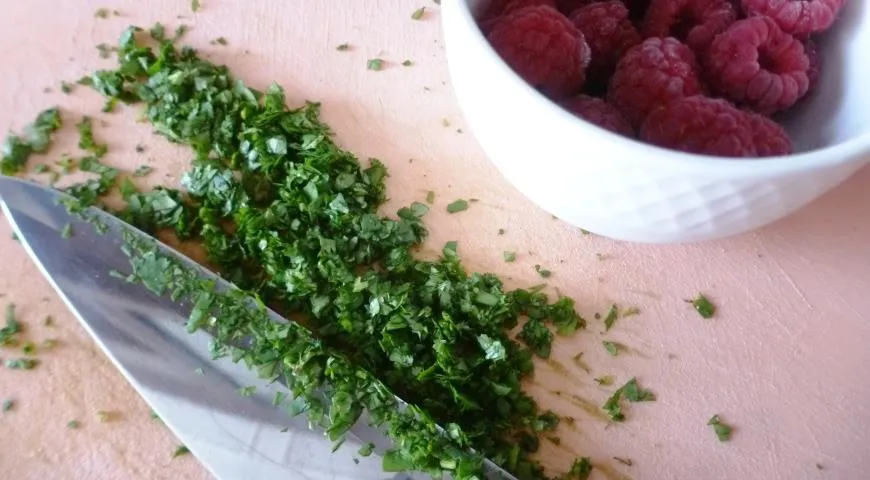
Finely chop the cilantro leaves. Lightly crush the coriander seeds in a mortar and pestle until they become a coarse powder—this prevents large pieces from remaining after blending. Place your raspberries in a small bowl; if using frozen, let them thaw slightly.
Step 2: Blend Everything Together
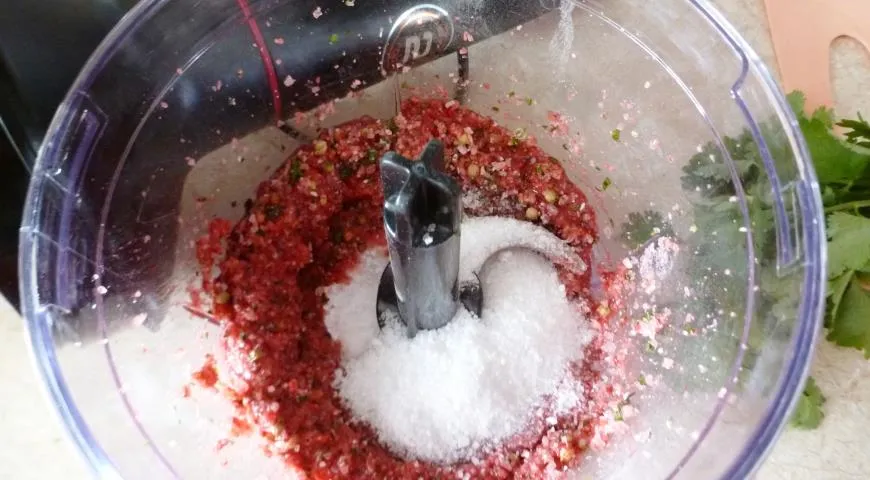
In a blender or food processor, combine the salt, chopped cilantro, crushed coriander, and raspberries. Pulse until the mixture resembles wet sand—moist but not pasty. Be careful not to over-blend; you want a consistent granulate. If your blender leaves large chunks, consider using a non-toxic immersion blender for better control.
Step 3: Dry the Salt
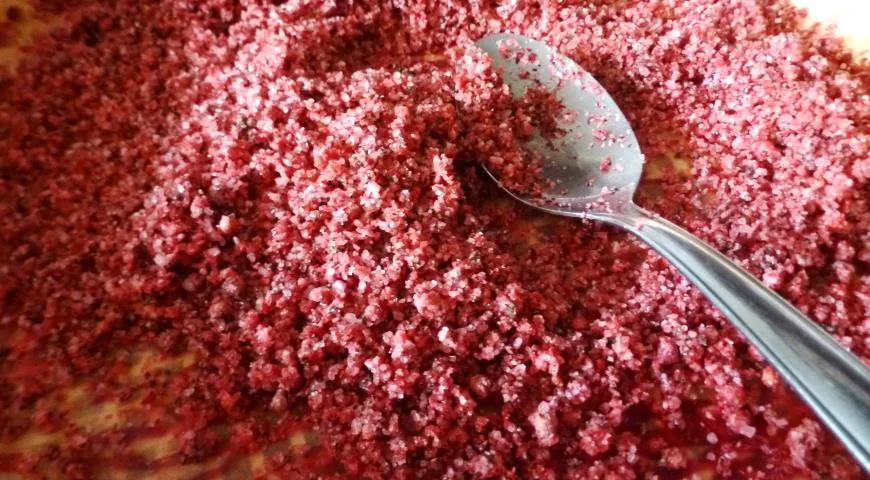
Spread the mixture in a thin layer on a baking sheet lined with parchment paper. Dry it using your preferred method: in an oven at the lowest setting (around 50–60°C) for 2–3 hours, on a radiator, or in a dehydrator at 40°C for 4–5 hours. Stir occasionally and break up any clumps. The salt is ready when completely dry and crumbly. Allow it to cool before storing. For reliable drying, check out our top pick for the best non-toxic air fryer—though not for drying, it’s great for other kitchen tasks.
Tips for Perfect Raspberry Salt
Always crush coriander seeds before blending to ensure even distribution. Avoid fresh raspberries that are too juicy, as they can make the salt pasty—frozen berries are ideal. Dry the salt thoroughly to prevent mold; if using an oven, keep the door slightly ajar to let moisture escape. Store in an airtight container in a cool, dark place for up to three months. For more kitchen tips, see our review of the best planetary mixer—ideal for larger batches of flavored salts.
Variations to Try
Swap cilantro with fresh basil or mint for a different herbal note. Add a pinch of chili flakes for heat, or orange zest for a citrusy twist. You can also experiment with freeze-dried raspberries (skip the drying step). This salt pairs beautifully with grilled meats—consider it with recipes that call for a sweet wine with high alcohol content for contrast. For a gift presentation, spoon the salt into small jars and attach a handwritten label.
Frequently Asked Questions
Can I use fresh raspberries instead of frozen?
Yes, but they contain more water, which may require longer drying time. Start with slightly underripe berries if possible.
How long does homemade raspberry salt last?
Stored in an airtight container away from light and moisture, it can last up to three months. The flavor may fade gradually.
What dishes pair well with raspberry salt?
It’s fantastic on fresh green salads, grilled steak, roasted vegetables, avocado toast, or even chocolate desserts. Try it with our favorite wheatgrass juicer recipes for a health boost.
Is it necessary to dry the salt? Can I skip drying?
Drying is essential to remove moisture from the raspberries. Without it, the salt will clump and may spoil quickly. Use an oven, dehydrator, or radiator for best results.
Can I reduce the saltiness for a milder flavor?
Yes, you can use a lower ratio of salt to raspberries, but note that the salt acts as a preservative. For less intense salt, combine with other spices like dried garlic powder.
How do I break up large clumps after drying?
Gently crush the dried salt with a mortar and pestle or pulse briefly in a clean spice grinder. For even grinding, check out the best espresso machine under $2000—though not for salt, it shows our commitment to quality appliances.
What if my blender can’t handle the mixture?
If the salt mixture gets stuck, use a food processor with a sharp blade. Our review of best food processor for nut butter is a reliable reference.
For more creative condiments, explore our collection of best lava flavors—a different way to add heat and personality to your dishes.







