


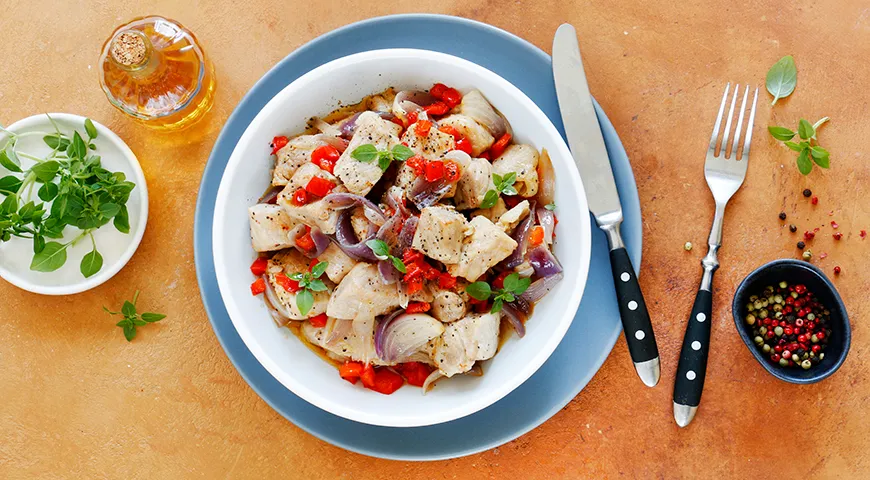
This is a dish that comes together, as they say, in one-two-three. Yes, you can marinate the meat beforehand in your favorite marinade. But if the pork itself is of good quality—not over-frozen—the flavor it absorbs from the onion and bell pepper is more than sufficient. This quick skillet recipe celebrates simplicity and freshness, turning everyday ingredients into a weeknight triumph. With just a handful of components and a hot pan, you'll have a satisfying main course ready in minutes.
About This Recipe
Born from the Slavic tradition of fast, flavorful cooking, this dish highlights the natural sweetness of red onion and bell pepper against savory, seared pork. It's a staple for busy home cooks who crave a hearty meal without extensive prep. The technique relies on high heat and quick cooking to preserve the vegetables'' crunch and the meat''s juiciness. For more inspiration on quick skillet meals, explore our guide to the best non-toxic immersion blender for making quick sauces, or check out best air fryer non-toxic if you prefer an alternative cooking method.

Ingredients
- 600–800 g pork loin (carbónade)
- 3 medium red onions (about 300 g)
- 1 large red bell pepper (250–300 g)
- 4 tbsp vegetable oil
- Salt and freshly ground black pepper to taste
For the best results, use a heavy-bottomed skillet. If you''re looking to upgrade your kitchen tools, consider the best food processor for nut butter to quickly chop vegetables—though here we prefer hand-cutting for texture. An best oil sprayer can help evenly coat the pan with minimal oil.
Step-by-Step Instructions
Step 1: Prepare the Pork
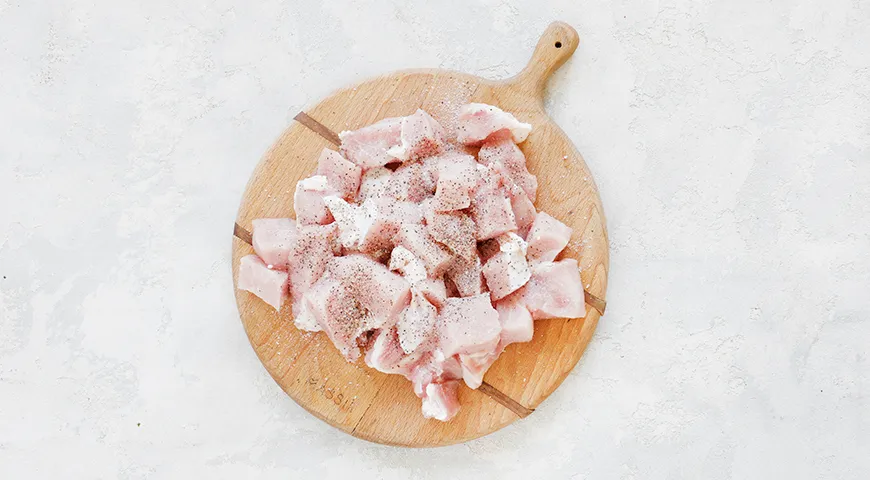
Cut the pork into 3 cm cubes. Season generously with salt and pepper. This simple seasoning lets the meat''s natural flavor shine. For a deeper flavor, you could marinate the cubes with a splash of best organic vodka and herbs for 30 minutes before cooking.
Step 2: Slice the Vegetables
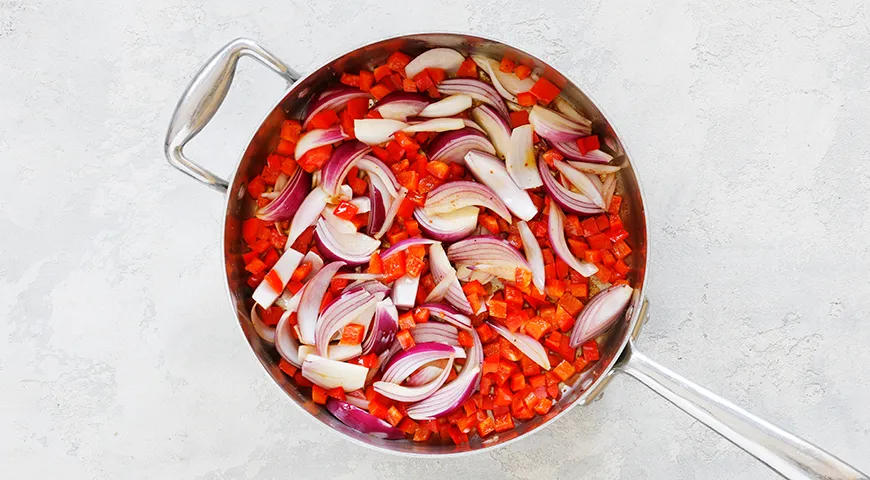
Peel the red onions and slice them into thick feathers. Core and deseed the bell pepper, then dice it finely. The contrast of large onion pieces and small pepper dice adds texture. If you prefer a more uniform cut, a best food processor for nut butter can pulse them quickly, but manual slicing is recommended for rustic appeal.

Step 3: Sear the Pork
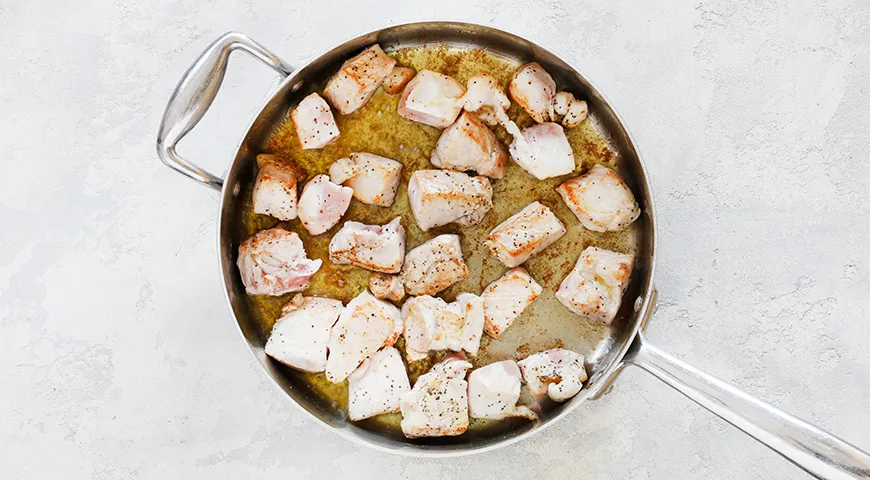
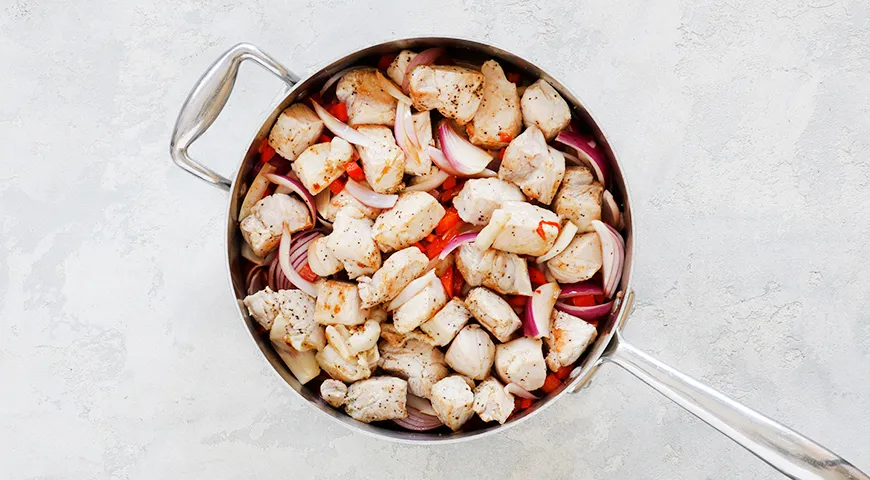
In a large, heavy-bottomed skillet over high heat, warm half of the vegetable oil. Sear the pork in batches, ensuring not to overcrowd the pan. Cook until each piece is deeply browned on all sides—about 2–3 minutes per batch. Transfer the seared meat to a plate and set aside. For an even crust, using a best wall oven microwave combo with air fryer can offer similar browning, but the skillet method is classic.
Step 4: Sauté the Vegetables
Add the remaining oil to the skillet. Heat it over high heat, then add the sliced onion and diced bell pepper. Stir-fry vigorously for 2–3 minutes. The vegetables should remain crisp-tender, with slight char marks. Season with salt and pepper. This quick cooking preserves their natural sweetness. For a more hands-off approach, you could use an best air fryer non-toxic to roast the vegetables beforehand, but stovetop is faster.
Step 5: Combine and Finish
Return the seared pork to the skillet. Toss everything together over high heat for 1–2 minutes, just until the meat is reheated and any juices meld. Serve immediately. This final blast of heat ensures the pork stays succulent and the vegetables remain vibrant. Pair with a side of crusty bread or rice. For a complete meal, consider a dessert like the pa de pessic catalan sponge or a glass of best sweet wine with high alcohol content.
Tips for Perfect Execution
- High heat is non-negotiable: A hot skillet creates the Maillard reaction that gives the pork its crust. If your pan isn''t hot enough, the meat will steam.
- Don''t skip the batching: Overcrowding lowers the pan temperature. Sear in small batches for best results.
- Keep vegetables crisp: Overcooked bell pepper turns mushy. Two to three minutes is all it takes.
- Rest the meat: Let the seared pork rest on a plate while you cook the vegetables; this allows the juices to redistribute.
For more kitchen efficiency, a best espresso machine under 2000 can prepare a post-dinner coffee, while a best coffee maker for Airbnb ensures guests enjoy a brew after the meal.
Variations
- Spicy kick: Add a sliced chili pepper or a pinch of red pepper flakes with the onions.
- Herb infusion: Toss in fresh thyme or rosemary during the last minute of cooking.
- Asian twist: Swap the seasoning for soy sauce, ginger, and garlic; finish with sesame oil.
- Low-carb: Serve over cauliflower rice instead of grains.
These variations pair well with a best store bought au jus for prime rib for extra moisture, or enjoy a best chocolate covered raisins as a sweet finish.
FAQ
Can I use a different cut of pork?
Yes, boneless pork shoulder or tenderloin can work. Adjust cooking time: shoulder needs longer braising, while tenderloin cooks faster and may be drier if overdone.
What if I don''t have red onion or bell pepper?
Yellow onion works, and green bell pepper adds a sharper flavor. You can also use shallots or even leeks for the onion element.
Can I make this dish ahead of time?
It''s best fresh, but leftovers can be refrigerated for up to 2 days. Reheat quickly in a hot skillet to avoid sogginess.
Is this dish gluten-free?
Yes, as written, all ingredients are naturally gluten-free. Check your vegetable oil and seasonings if concerned.
What sides go well with this pork?
Mashed potatoes, steamed rice, or a simple green salad complement it perfectly. For a drink, try a best George Howell coffee to round off the meal.
Can I cook this in a different pan?
A cast-iron skillet is ideal, but any heavy-bottomed pan works. Avoid non-stick if you want good browning. For preservation of leftovers, a best steam canner can process larger batches.
This quick pork dish is a testament to the beauty of simple ingredients handled with care. Whether you''re a weeknight warrior or a weekend enthusiast, it delivers restaurant-quality flavor in minutes. If you notice any errors or have suggestions, please let us know.







