


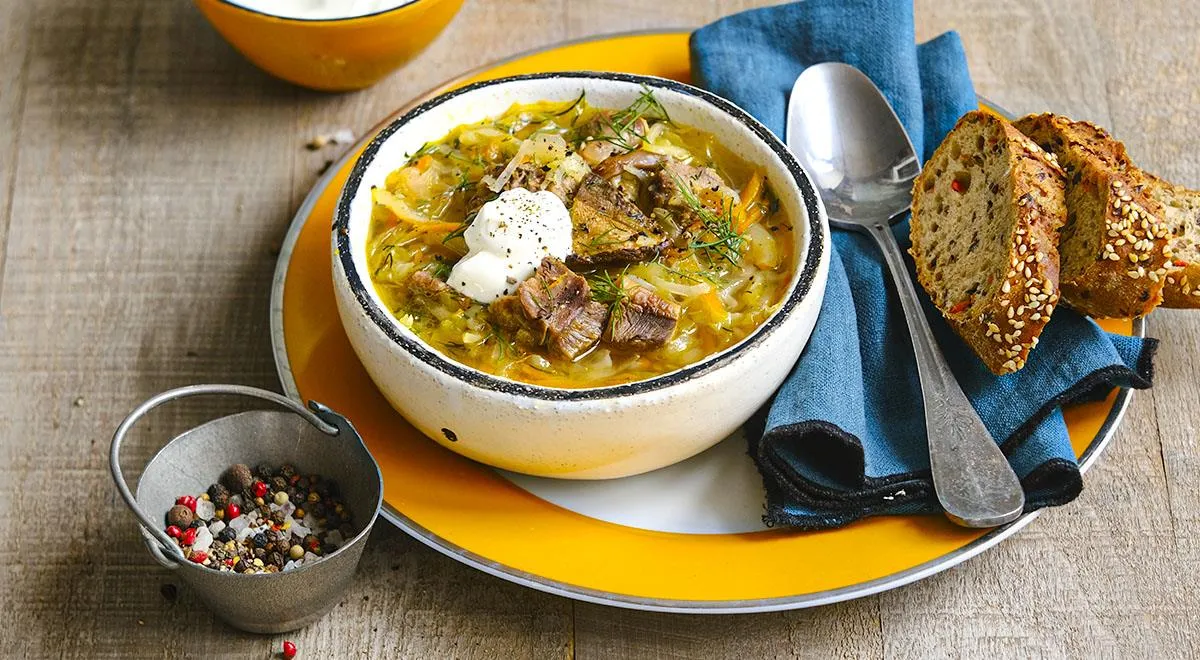
Deep in the heart of Russian culinary tradition lies a soup that transforms humble ingredients into a symphony of umami and comfort: Kostroma Shchi. This ancient recipe, originating from the Kostroma region, is a testament to the magic of slow cooking—where sauerkraut, beef, and dried mushrooms meld over hours to create a broth that is both tangy and deeply savory. Unlike quick cabbage soups, this version requires patience: the sauerkraut is first braised in a low oven for eight hours, then simmered with a rich bone broth and finished with velvety mashed potatoes and aromatic vegetables. The result is a dish that warms the soul and pays homage to the Russian hearth.
About Kostroma Shchi
Shchi has been a cornerstone of Russian cuisine for centuries, with each region adding its own twist. Kostroma Shchi stands out for its methodical layering of flavors: the sauerkraut undergoes a slow caramelization in a gentle oven, the beef bones are roasted to extract maximum depth, and dried forest mushrooms contribute an earthy note that no pantry staple can replicate. This soup is often served with a dollop of sour cream and a slice of dark rye bread. For those looking to explore traditional Russian cookery, Kostroma Shchi is a rewarding journey that teaches the value of time and temperature. Pair it with a robust sweet wine or a shot of organic vodka for an authentic experience.

Ingredients
- 800 g beef with bone (ribs or brisket)
- 700 g shchanitsa (coarse sauerkraut) or regular sauerkraut
- ½ celeriac root (celery root)
- 2 carrots
- 2 tablespoons sunflower oil
- 2 onions
- 2 potatoes
- 5–6 dried white mushrooms (porcini)
- 2 bay leaves
- 5 black peppercorns
- Salt to taste
Step-by-Step
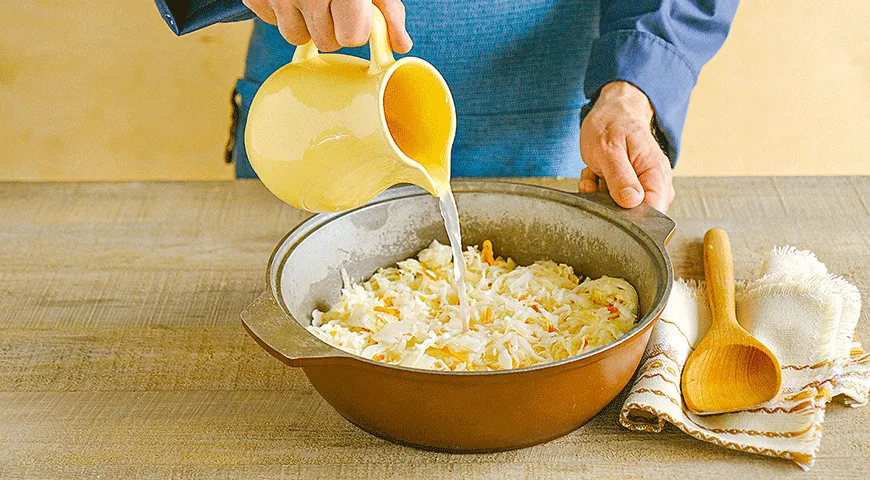
Step 1: Place the sauerkraut in a clay pot or cast-iron Dutch oven. Add a little brine diluted with water, cover tightly with foil, and put in an oven preheated to 100 °C (212 °F) for 8 hours. This slow braise tenderizes the cabbage and deepens its tang.
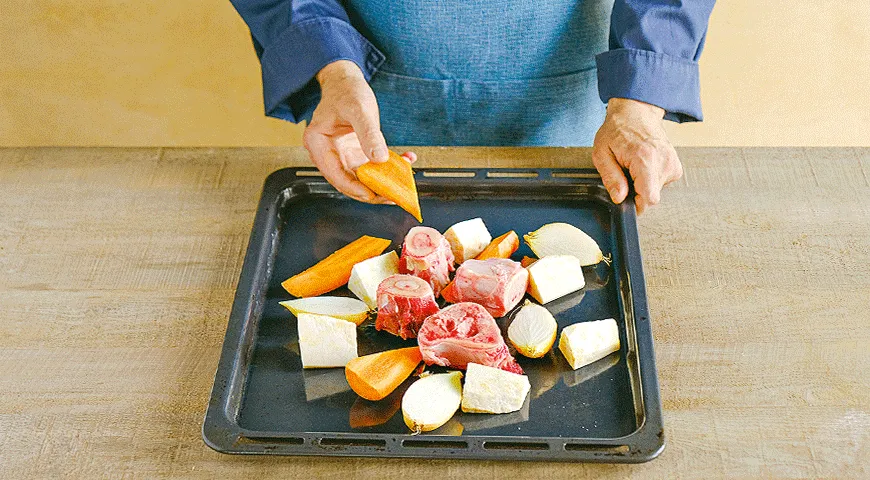
Step 2: Place the beef bones on a baking sheet. Roughly chop one onion, one carrot, and the celeriac root, and arrange them beside the bones. Roast in an oven preheated to 220 °C (428 °F) for 30 minutes. This step builds a dark, savory base; consider using a wall oven microwave combo with air fryer for even browning.
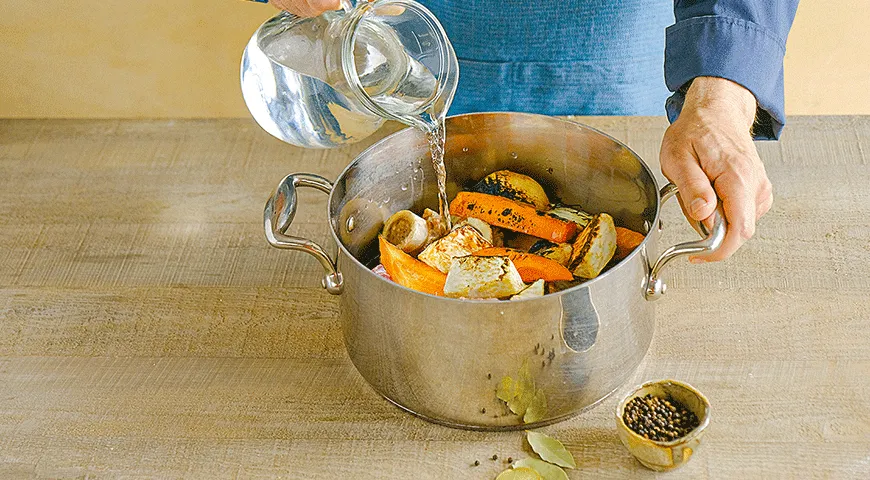
Step 3: Transfer the roasted meat, bones, and vegetables to a large pot. Add 2.5 liters of water, the black peppercorns, and bay leaves. Bring to a boil, then reduce to a low simmer and cook for about 2 hours. For quicker results, you could use a microwave pressure cooker, but traditional stovetop simmering yields the clearest broth.
Step 4: Pour boiling water over the dried mushrooms and let them soak for 1 hour. Strain and reserve the soaking liquid—it is packed with flavor.
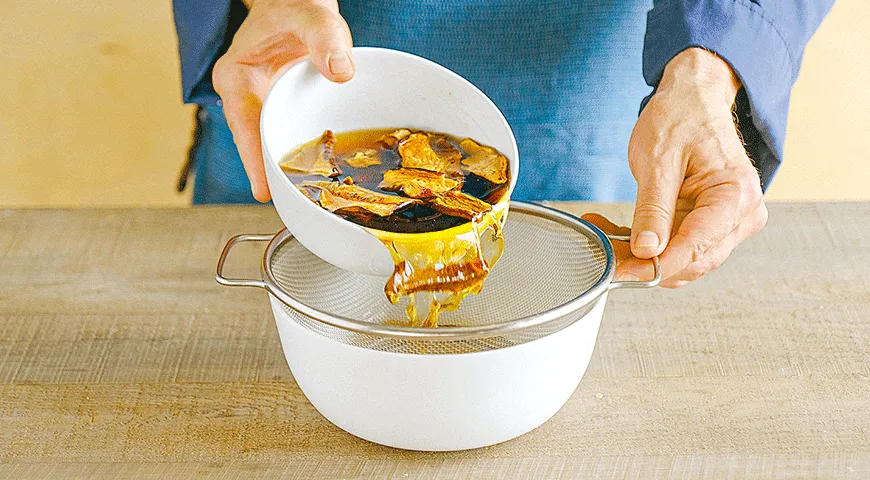
Step 5: Strain the meat broth through a fine sieve. Discard the bones and roasted vegetables—they have given their all. Cut the meat into bite-sized pieces and set aside.
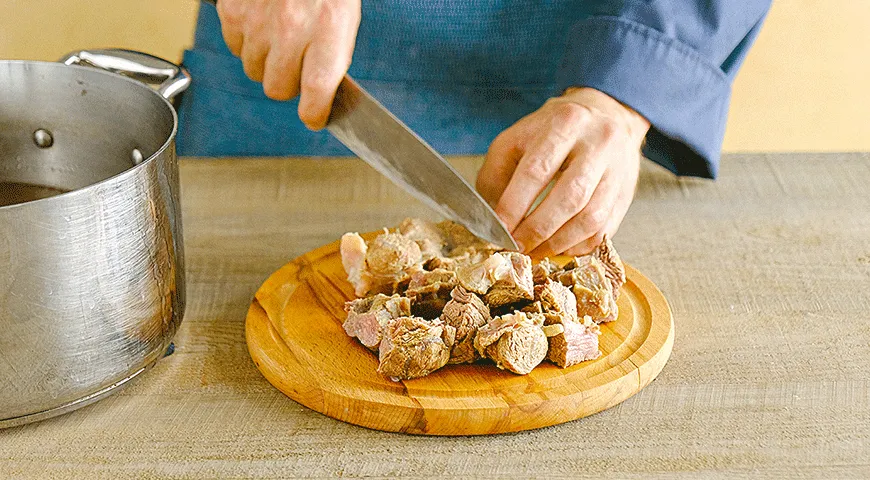
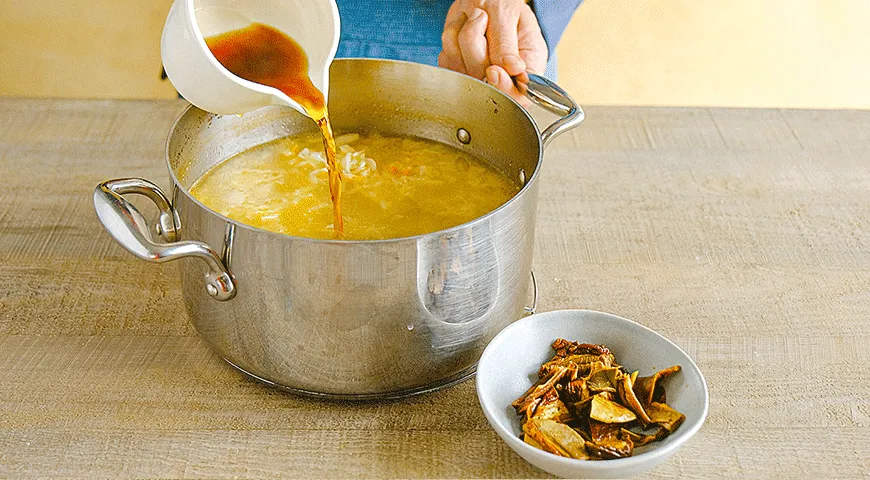
Step 6: Add the braised sauerkraut to the strained broth. Pour in the reserved mushroom soaking liquid and add the rehydrated mushrooms. Bring to a gentle boil, then reduce to low heat and simmer for about 1 hour.
Step 7: Finely chop the remaining carrot and onion. Sauté them in sunflower oil over medium heat until golden brown. A good oil sprayer can help control the amount of oil for a lighter finish.

Step 8: Boil the potatoes separately until tender, then mash them to a smooth purée. This thickens the soup naturally.
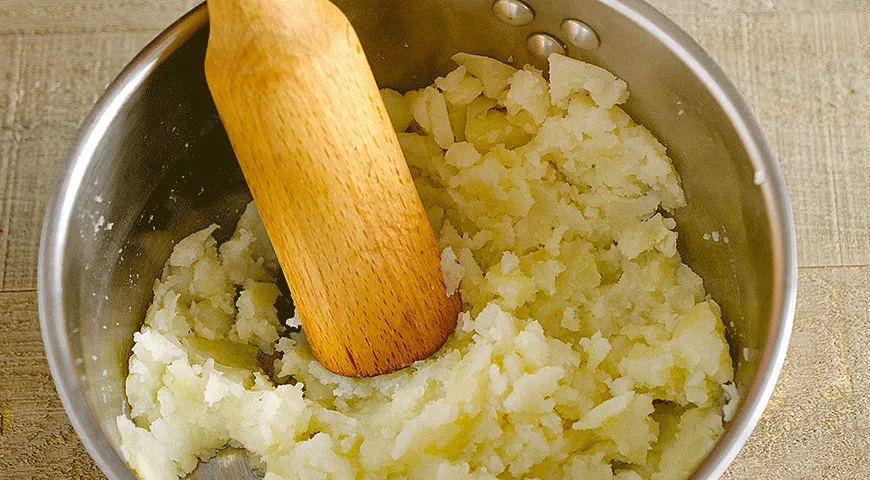
Step 9: About 20 minutes before the soup is finished, stir in the mashed potatoes and the sautéed carrot-onion mixture. Just before removing from heat, add the chopped garlic, reserved meat, and a generous sprinkle of fresh herbs (dill or parsley).

Step 10: Stir well, season with salt if needed, and let the shchi rest in the pot for at least 2 hours before serving. This resting period allows the flavors to marry beautifully. Store any leftovers in a 48-inch built-in refrigerator for up to 5 days.

Tips for Perfect Shchi
- For the most authentic texture, use a commercial countertop convection oven for the sauerkraut braising—the gentle, even heat prevents scorching.
- If you prefer a smoother broth, blitz part of the soup with an immersion blender before adding the meat.
- To maximize umami, add a splash of store-bought au jus along with the mushroom liquid.
- For a vegetarian version, replace beef with a robust mushroom stock and add a teaspoon of castor oil for richness (optional).
- The soup improves overnight; make it a day ahead and reheat gently. Serve with a piece of chocolate-covered raisins on the side for a sweet contrast.
Variations
- Meatless Shchi: Omit the beef and use a double dose of dried mushrooms plus a splash of tamari. The long-braised sauerkraut provides enough body.
- Spicy Twist: Add a finely chopped chili pepper or a teaspoon of lava flavors paste for heat.
- Heritage Version: Some Kostroma families add a handful of buckwheat groats or barley for extra substance. For a crisp garnish, air-fry some bread cubes in an air fryer.
- Quick Pressure Cooker Method: After the initial 8‑hour cabbage braise (which can be done ahead), combine all ingredients in a planetary mixer? No—use a pressure cooker for 30 minutes. But note that the slow simmer is irreplaceable for depth.
- Pairing Suggestion: Enjoy a cup of George Howell coffee after the meal to complement the earthy notes.
Frequently Asked Questions
Can I make this soup in a slow cooker?
Yes, after the initial sauerkraut braise and bone roasting, transfer everything to a slow cooker and cook on low for 6–8 hours. The large refrigerator can store any leftovers.
Can I use fresh cabbage instead of sauerkraut?
Fresh cabbage will yield a different, milder soup—more like a traditional cabbage shchi. To mimic the tang, add a tablespoon of vinegar or a tablespoon of home-canned sauerkraut juice.
How long does Kostroma Shchi keep?
Stored in an airtight container in the refrigerator, it keeps for up to 5 days. The flavor deepens over time. For longer storage, freeze in portions; thaw overnight in the refrigerator.
Can I freeze it?
Absolutely. Freeze without the potato (which can become grainy) and add freshly mashed potato when reheating. Use an ice maker for plenty of ice to chill the soup quickly before freezing.
What can I substitute for dried mushrooms?
Fresh wild mushrooms like chanterelles or shiitake can be used, but the intensity will be lower. For a concentrated umami boost, add a teaspoon of digestive health supplement? No—use a dash of mushroom powder or a few slices of fried eggplant for texture.
Enjoy this iconic Russian soup as a hearty meal that celebrates patience and tradition. With its complex broth and tender meat, Kostroma Shchi is a dish worth every minute of your time.







