


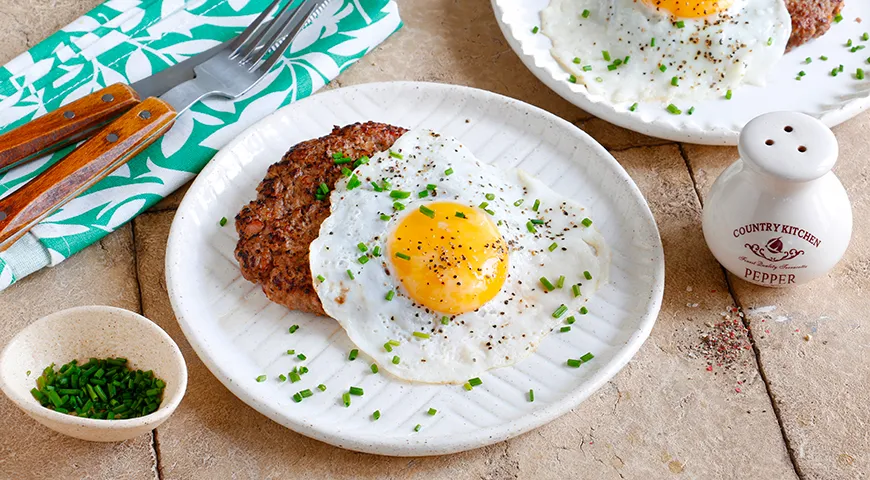
There is something unashamedly decadent about a perfectly seared beef patty crowned with a golden, runny egg – a dish that straddles the line between rustic comfort and elegant brunch. Our recipe for Juicy Ground Beef Steak with Fried Egg, finished in a low oven, delivers exactly that: deep, caramelized crusts, a tender interior, and a silky yolk that enriches every bite. The secret lies in a few clever techniques – from grating onion straight into the mince to using a dry, screaming-hot pan – that transform simple ingredients into a restaurant-worthy plate. Whether you serve it for a leisurely weekend breakfast or a quick dinner, this steak with egg is sure to impress.
About the Dish
Hailing from Russian and Eastern European culinary traditions, the term bifshteks (бифштекс) originally referred to a beefsteak, but over time evolved to describe a hearty, minced-meat patty – similar to a hamburger steak but with its own distinct character. In the classic Soviet-era version, the patty is pan-fried and often topped with a fried egg, creating a satisfying, protein-packed meal. This modern interpretation respects that heritage while adding a gentle oven finish to ensure the meat stays moist and perfectly cooked through. The result is a dish that feels both nostalgic and contemporary, perfect for those who appreciate a well-made steak without the premium cut.

Ingredients
- 800 g beef mince (preferably 20% fat)
- 1 small onion (100 g), peeled
- 2 tbsp ketchup or BBQ sauce
- 1 tbsp mayonnaise
- 4 large eggs
- 4 tsp unsalted butter (40 g)
- Salt, to taste
- Freshly ground black pepper, to taste
- Optional: 100 g beef fat or suet for extra richness
Step-by-Step Instructions
Follow these steps for impeccable results. A quality food processor can simplify the grating step, but a box grater works beautifully too.
Step 1: Prepare the mince mixture.
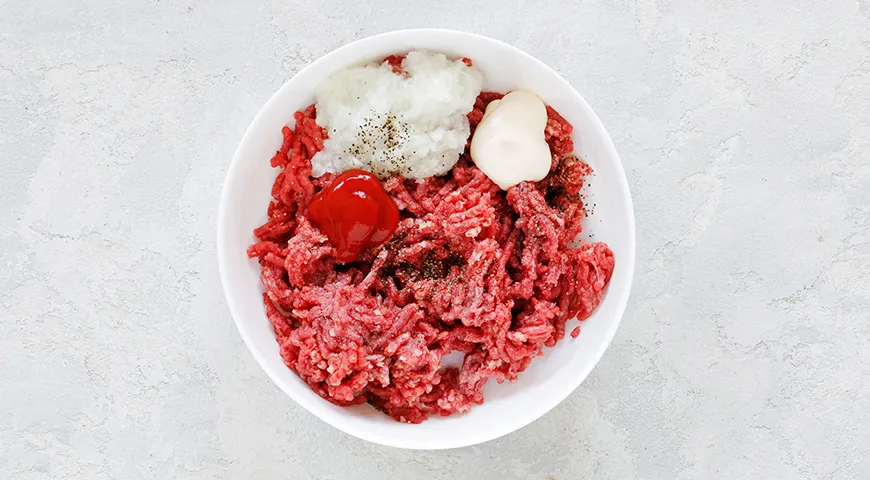
Grate the onion on the finest side of a box grater (or use a non-toxic immersion blender for a super-smooth puree). In a large bowl, combine the grated onion with 50 ml warm water, salt, pepper, ketchup (or BBQ sauce), and mayonnaise. Add the beef mince and mix thoroughly until everything is evenly incorporated. The warm water helps bind the mixture and keeps the patties tender.
Step 2: Incorporate extra fat (if using).
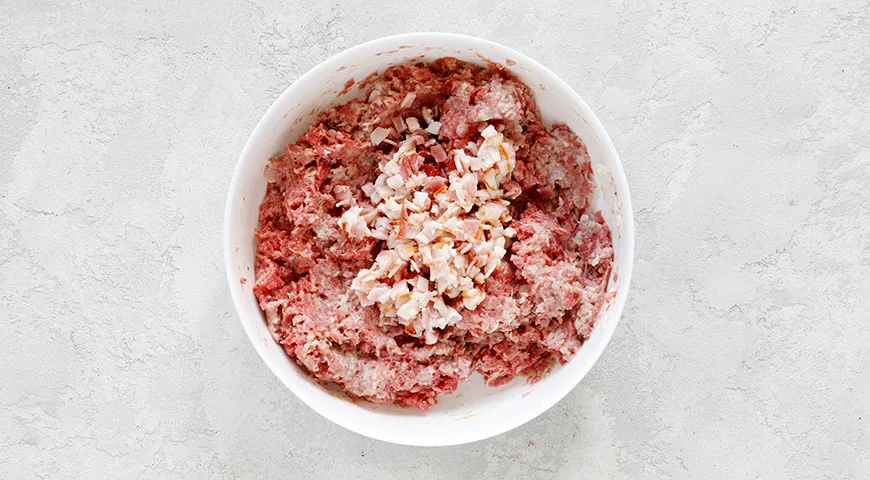
If you have beef fat trimmings or suet, cut them into very small dice, then chop finely. Work the fat into the mince mixture with your hands until it is evenly distributed. This step adds luxurious juiciness, but you can skip it if your mince already has good fat content.
Step 3: Shape and chill the patties.
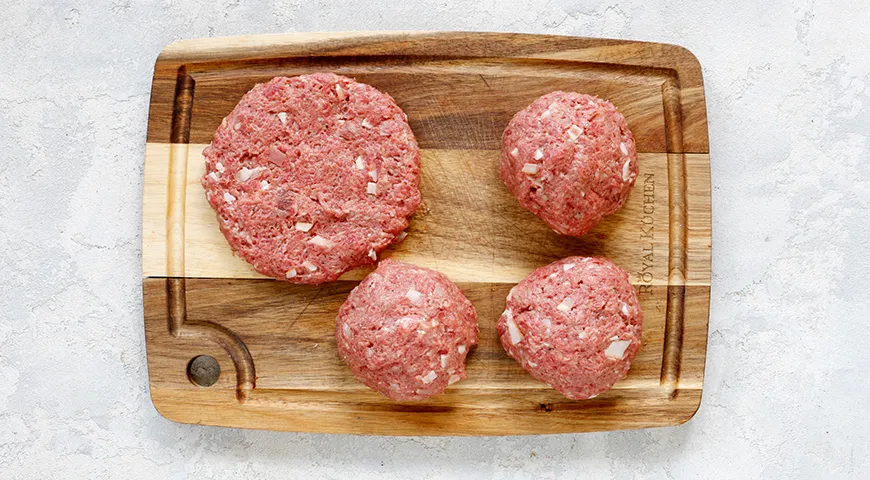
Divide the mince into four equal portions. With wet hands to prevent sticking, shape each portion into a flat, round patty about 15 cm in diameter (they will shrink slightly). Place the patties on a plate lined with parchment, cover, and refrigerate for at least 30 minutes. Chilling firms them up and helps them hold shape during searing. If you own a planetary mixer, you can mix the mince in its bowl for even distribution, but hand mixing is perfectly fine.
Step 4: Sear the patties.
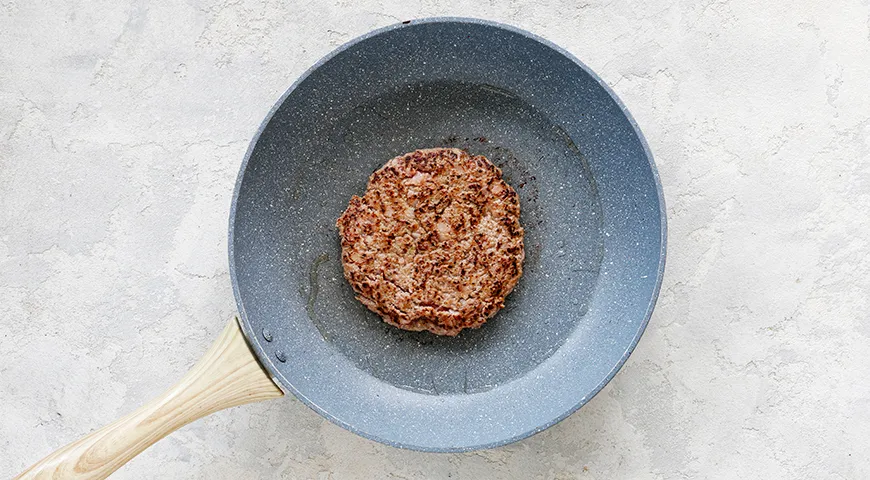
Preheat your oven to 120°C. Line a baking sheet with parchment and place it in the oven to warm. Meanwhile, heat a dry, heavy-bottomed skillet (cast iron or stainless steel) over medium-high heat until it is smoking hot. Do not add any oil. Sear the patties in batches – one or two at a time – for 2 minutes per side, flipping twice (total 4 minutes per patty). This creates a deep, crusty exterior while keeping the interior rare or medium-rare. Transfer each seared patty to the warm baking sheet in the oven. A non-toxic air fryer can replicate the dry heat for the finishing step if you prefer, but the oven method is traditional.
Step 5: Fry the eggs and assemble.
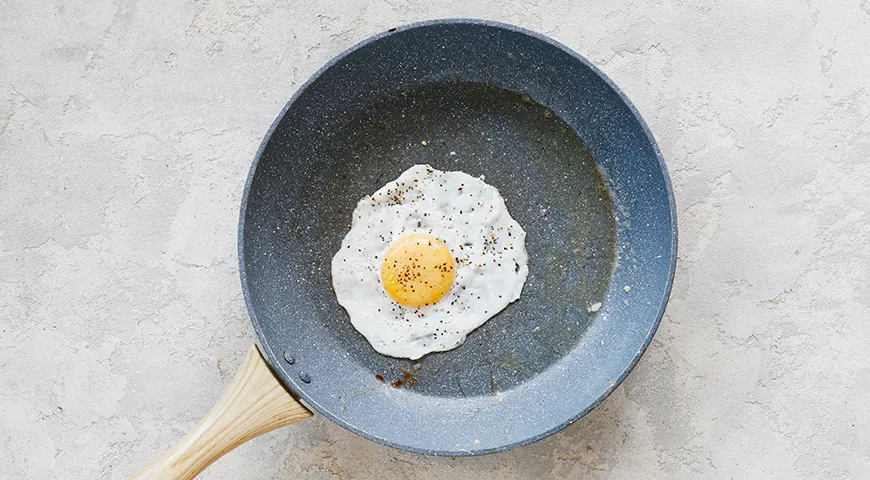
In the same skillet (still hot but with residual heat), melt the butter over medium-low heat. Crack the eggs into the pan, taking care not to break the yolks. Cook sunny-side-up until the whites are set but the yolks remain runny, about 2–3 minutes. Season with salt and pepper. Place one fried egg on top of each patty (still in the oven – or remove the tray, top with eggs, and return for 30 seconds if you like the eggs warm). Serve immediately, while the yolks are still glistening. For an extra touch, pair with a crisp green salad or crusty bread. If you enjoy a fuller brunch, consider experimenting with a high-quality espresso machine for a coffee accompaniment.
Tips for Perfect Steaks
- Don't overmix: Combine the ingredients just until uniform – overworking the meat can make patties dense.
- Pat them dry: Before searing, pat the chilled patties dry with paper towels to ensure a deep brown crust.
- Use a thermometer: For precision, an instant-read thermometer is ideal. Target 55°C for medium-rare, 60°C for medium. If you own a microwave pressure cooker, you can use it to warm the eggs, but the skillet method is recommended for texture.
- Rest properly: Let the finished patties rest for 2–3 minutes in the warm oven before topping with eggs – this retains juices.
Variations
Feel free to adapt the recipe to your taste:
- Swap the sauce: Replace ketchup with best store-bought au jus for prime rib for a deeper umami note, or use sriracha for heat.
- Add herbs: Mix in chopped parsley, thyme, or even a pinch of smoked paprika.
- Make it a burger: Serve the patty and egg on a toasted brioche bun with lettuce and tomato. Pair with best chocolate-covered raisins for a sweet contrast.
- Try other meats: Substitute ground pork, lamb, or turkey – adjust cooking times accordingly.
FAQ
Can I use a different type of mince?
Absolutely. Ground pork, lamb, or even a mix of beef and pork work well. Just ensure the fat content is around 20% for juiciness. If using leaner meat, consider adding a tablespoon of olive oil.
How do I prevent the patties from sticking to the pan?
The key is a very hot, dry pan – do not add oil. The high heat creates a quick sear that releases naturally. If you still have sticking, use a best oil sprayer to lightly coat the pan before searing, but this may reduce crust formation.
Can I make the patties ahead of time?
Yes, shape the patties and refrigerate them up to 24 hours in advance. You can also freeze them between layers of parchment for up to 3 months; thaw in the fridge before cooking.
Is it necessary to chill the patties?
Chilling is highly recommended. It firms the meat, making it easier to handle during searing, and helps the patty retain its shape. Skipping this step may result in a more fragile patty.
What can I serve alongside this dish?
Classic sides include roasted potatoes, a simple green salad, or sautéed mushrooms. For a low-carb option, try steamed broccoli or cauliflower rice. A glass of best sweet wine with high alcohol content can complement the richness.
Can I cook the eggs differently?
Certainly. Choose over-easy, poached, or even scrambled eggs if you prefer. The sunny-side-up style with runny yolk is traditional, but any egg preparation works well atop the steak.
How do I achieve a perfect medium-rare steak in the oven?
After searing, bake at 120°C until the internal temperature reaches 55°C – about 8–10 minutes depending on thickness. Use a meat thermometer for accuracy. If you have a best wall oven microwave combo with air fryer, the convection setting can speed this up.
Can I use an air fryer instead of the oven?
Yes, preheat the air fryer to 120°C and place the seared patties in the basket for 5–6 minutes. This mimics the gentle finishing heat and frees up oven space. A non-toxic air fryer is a great choice for this.
What if I don't have a heavy pan?
A non-stick skillet will work but may not produce as deep a crust. Increase the heat slightly and be careful not to burn the butter later. Alternatively, use a cast-iron pan – if you don't have one, consider investing in a best planetary mixer for mixing and a quality pan for searing.
Enjoy this decadent dish that perfectly balances technique and taste – a true celebration of simple, high-quality ingredients.







