


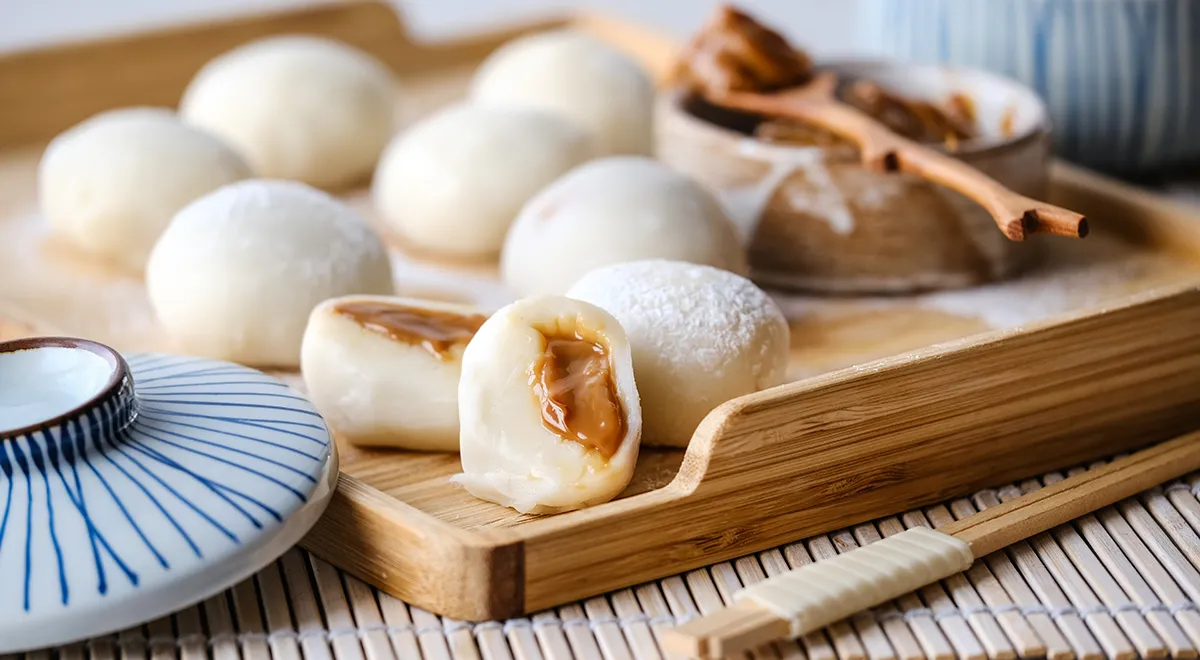
Mochi, the beloved Japanese rice cake, is a study in textural elegance: a pillowy-soft, chewy exterior yielding to a luscious center. While traditional Japanese mochi often features sweet red bean paste, this interpretation embraces a Western twist with dulce de leche—the caramelized condensed milk that brings a rich, velvety sweetness. The result is a dessert that feels both timeless and utterly modern, perfect for home cooks eager to explore the art of confectionery without requiring a trip to Japan.
About This Japanese Mochi Dessert
Mochi is made from glutinous rice flour (mochiko), which gives it that distinctive stretchy, bouncy texture. In Japan, mochi is often enjoyed during celebrations like New Year, but its accessibility has made it a global phenomenon. This recipe uses a microwave method, streamlining the traditional steaming process. The dulce de leche filling offers a deep caramel note that complements the subtle sweetness of the rice dough, while cornstarch prevents sticking and adds a delicate finish. For an authentic touch, you can substitute cooking oils or experiment with natural colorings like cranberry juice or turmeric.

Ingredients
- 100 g glutinous rice flour (mochiko)
- 55 g fine granulated sugar
- 165 g drinking water (room temperature)
- 100 g cornstarch (for dusting)
- 1 can (about 200 g) dulce de leche (boiled condensed milk)
These simple components come together to create a dessert that is both elegant and approachable. Use a high-quality espresso machine to brew a coffee pairing, or simply enjoy these mochi as a sweet finale to any meal.
Step-by-Step Instructions
- Mix the dough: In a microwave-safe bowl, combine glutinous rice flour with sugar and cold drinking water. Whisk until smooth and free of lumps. Cover the bowl tightly with plastic wrap, then poke a few small holes with a toothpick for steam venting.

- First microwave session: Place the bowl in a microwave and cook on high power for 1 minute. Carefully remove the bowl (it will be hot), unwrap, and stir the dough until homogeneous. Re-cover with plastic wrap, making new holes if needed.
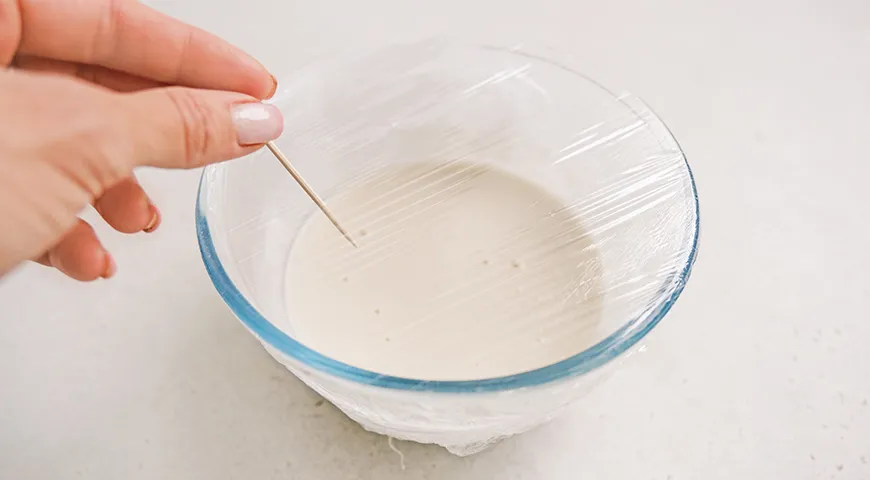
- Second microwave session: Return the covered bowl to the microwave and cook on high for 30 seconds. Stir again, re-cover, and repeat the 30-second heating cycle once more.
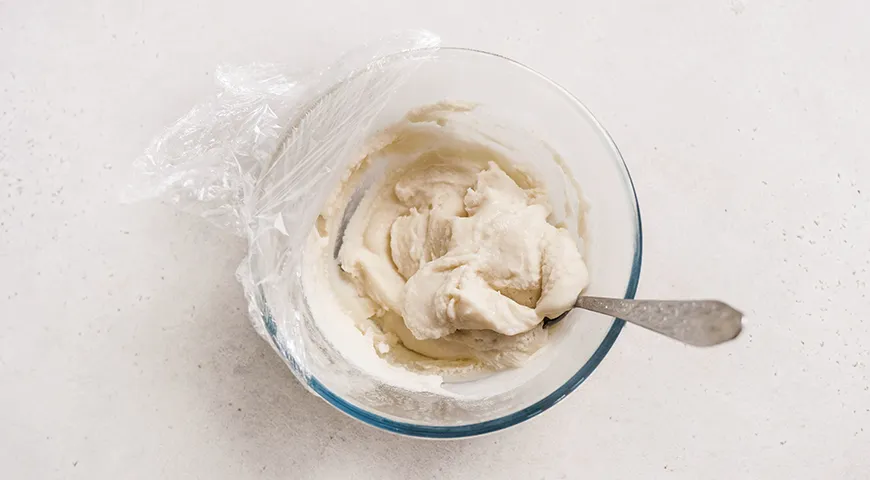
- Third and fourth repetitions: Repeat the stirring, covering, and 30-second heating cycle two more times (for a total of four 30-second cycles after the initial minute). After the final cycle, the dough should be glossy, stretchy, and very sticky—a sign that the starch is fully gelatinized.
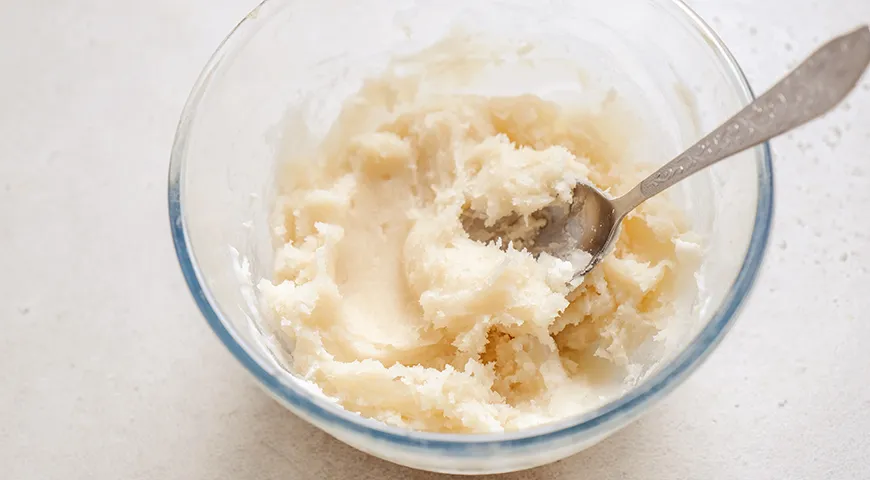
- Dust and cool: Generously dust a clean work surface with cornstarch. Turn the hot dough out onto the starch. Dip your fingers in cornstarch, then fold the dough in half. Press it into a thick, even disc. Allow to cool for 10 minutes—this makes it easier to handle.

- Cut the dough: Dip a sharp knife into cornstarch and cut the cooled dough into pieces weighing about 30 g each. Keep the pieces dusted to prevent sticking.
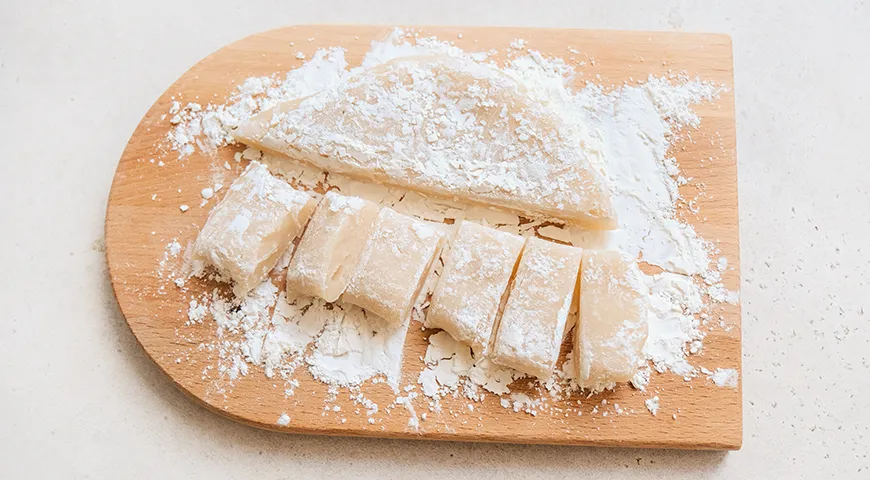
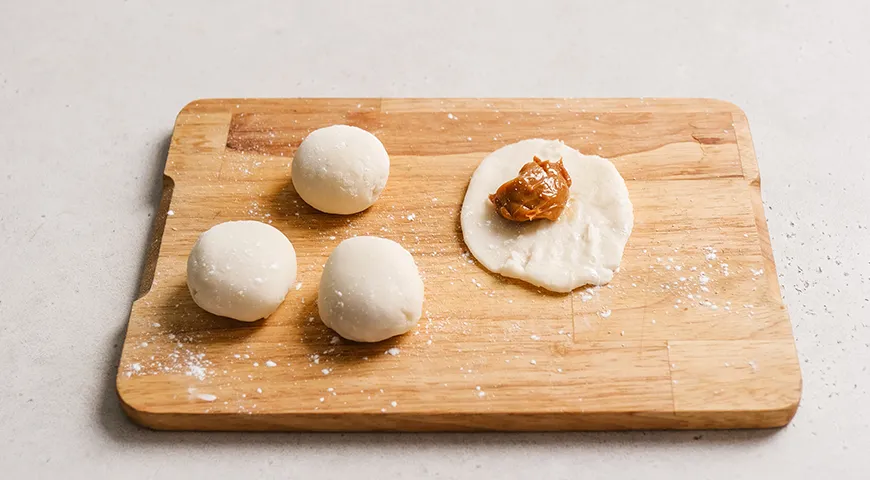
- Shape the mochi: Dust your hands again with cornstarch. Take one piece of dough and flatten it into a small disc. Shake off excess starch from one side, then place a spoonful of dulce de leche in the center. Gently lift the edges of the dough over the filling, pinch to seal, and roll into a smooth ball. Repeat with remaining pieces.
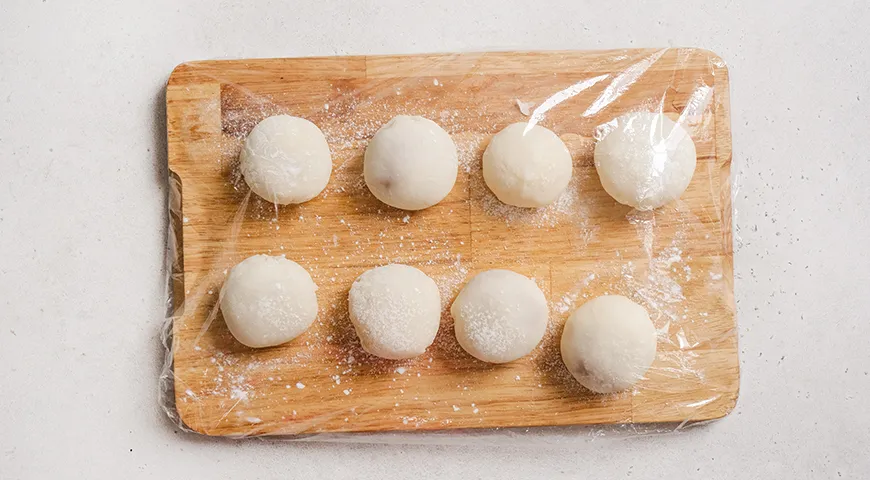
- Rest and serve: Cover the finished mochi with plastic wrap and refrigerate for 1 hour to firm up, or enjoy immediately. For a natural pink hue, add a splash of cranberry juice to the dough; for yellow, a pinch of turmeric.
Using a microwave pressure cooker can speed up cooking, but standard microwaves work beautifully. For precise temperature control, a refrigerator with even cooling helps the mochi set perfectly.
Tips for Perfect Mochi
- Cornstarch is your friend: Be generous during dusting—it prevents the sticky dough from adhering to surfaces and your hands.
- Work quickly but gently: The dough firms as it cools, so shape the mochi while still pliable. Avoid overworking, or the texture may become tough.
- Store properly: Mochi is best eaten the same day, but can be stored in an airtight container at room temperature for up to 24 hours. Refrigeration may harden the dough; bring to room temperature before serving.
- For an extra glossy finish, lightly brush the finished mochi with a neutral oil like spray oil.
Variations to Try
The beauty of mochi lies in its versatility. Swap the dulce de leche for savory fillings in a fusion twist, or stick to sweet options like:
- Matcha white chocolate: Add matcha powder to the dough and fill with white chocolate ganache.
- Strawberry cream: Use a dollop of whipped cream and a fresh strawberry for a classic strawberry daifuku.
- Black sesame: Incorporate black sesame paste into the filling for a nutty, earthy contrast.
If you enjoy crafting homemade confections, explore more sponge cake recipes for inspiration.
Frequently Asked Questions
Can I use regular rice flour instead of glutinous rice flour?
No, glutinous rice flour (mochiko) is essential for the stretchy, chewy texture. Regular rice flour will produce a crumbly dough. For alternative flours, consider juicing fresh ingredients for color.
Why did my mochi turn out hard?
Overcooking in the microwave can dry out the dough. Stick to the recommended timings, and ensure the bowl is covered to retain moisture. Also, avoid over-dusting with cornstarch, which can absorb moisture and create a tough skin.
Can I make mochi without a microwave?
Yes, you can steam the dough over a pot of boiling water for 15–20 minutes, stirring occasionally, until it becomes glossy and translucent. This method is traditional and produces equally good results.
How do I prevent mochi from sticking to my fingers?
Keep a bowl of cornstarch nearby and dip your fingers, knife, and work surface frequently. Some cooks use a non-toxic immersion blender for mixing, but hand mixing works fine.
Can I freeze homemade mochi?
Yes, freeze shaped mochi in a single layer on a parchment-lined tray, then transfer to an airtight bag. Thaw at room temperature for 30 minutes before eating. Avoid freezing with fillings that contain too much moisture.
For more creative dessert ideas, browse our chocolate-covered treats and air fryer desserts collection.
Find the top-rated resume builder free with our comprehensive buying guide. Find the top-rated Cecotec secador with our comprehensive buying guide. Find the top-rated Building Block Toy with our comprehensive buying guide. Find the top-rated Grand Goldman Shop with our comprehensive buying guide. For top recommendations, explore our guide on batteries for door locks. Looking for the best options? Check out our article on all inclusive resorts types. Discover our expert picks for small portable countertop dishwashers in our detailed review. Looking for the best options? Check out our article on convection oven for bakery. Looking for the best options? Check out our article on bag with trolley sleeve women. Discover our expert picks for mobili fiver emma 160 table review in our detailed review.







