


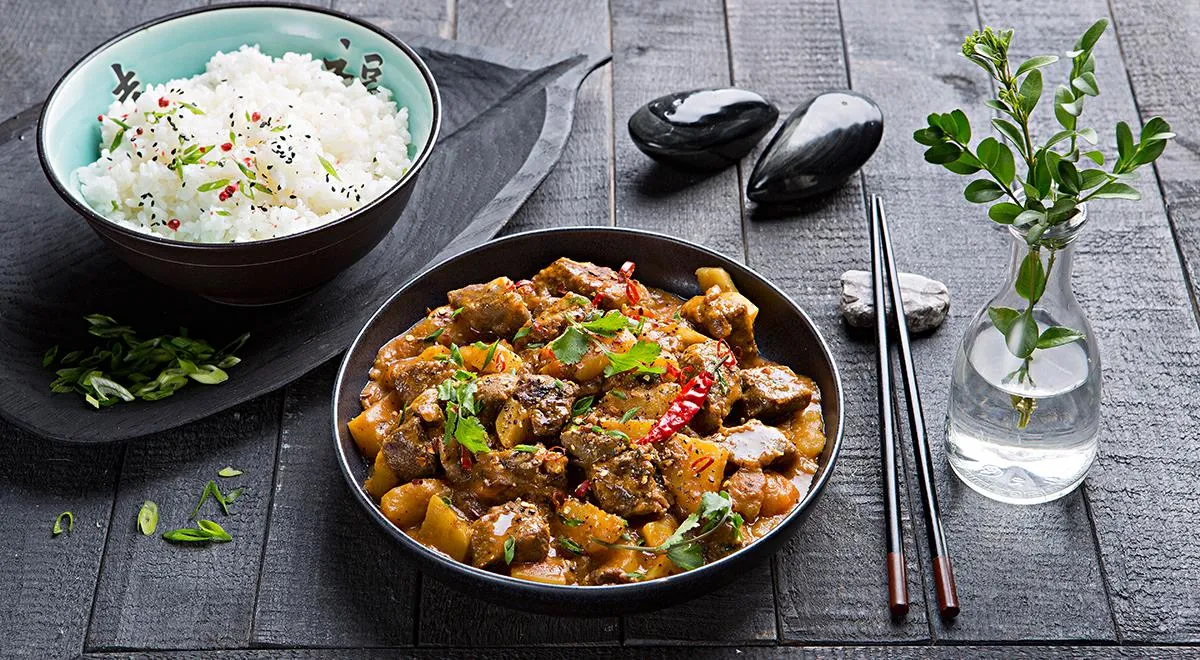
Japanese beef curry, or kare raisu, is a beloved comfort dish that beautifully marries Western and Japanese culinary traditions. Unlike Indian or Thai curries, this version is characterized by a thick, savory sauce with a subtle sweetness, often cooked with chunks of beef, carrots, potatoes, and mushrooms. While it might remind you of a hearty stew, its unique flavor profile comes from a homemade curry roux—a simple blend of flour, butter, and curry powder that transforms into a rich, glossy thickener. This recipe takes you through each step, from searing the beef to crafting the perfect roux from scratch. No need for store-bought blocks; you can whip up the roux in 20 minutes and even make extra to keep on hand. Serve over steamed rice for a soul-warming meal that tastes better than takeout.
About Japanese Curry
Japanese curry, introduced during the Meiji era, evolved from British colonial versions of Indian curry. It quickly became a staple in Japanese households, often made with a prepackaged roux block. However, making your own roux allows you to control the depth of flavor and adjust the heat. The key lies in slowly browning the flour and butter to a light caramel color before adding curry powder. This dish is typically served with a bed of fluffy rice, and the leftover curry tastes even better the next day as the flavors meld. For the best results, use a heavy-bottomed skillet or Dutch oven to ensure even browning and heat retention.

Ingredients
For the Curry:
- 600 g beef chuck or stewing beef, cut into 3 cm cubes
- 2 tablespoons all-purpose flour
- Salt and freshly ground black pepper to taste
- 1 teaspoon curry powder (for dusting meat)
- 2 tablespoons vegetable oil (plus extra if needed)
- 2 large onions, cut into thick wedges
- 3 cloves garlic, finely grated
- 1 tablespoon fresh ginger, finely grated
- 2 large carrots, cut into medium chunks
- 2 large potatoes, peeled and cut into 4 cm pieces
- 150 g mushrooms (shiitake or button), sliced
- 2 tablespoons tomato paste
- 750 ml beef broth or water
For the Curry Roux:
- 60 g (4 tbsp) unsalted butter
- 60 g (4 tbsp) all-purpose flour
- 2 tablespoons curry powder (adjust to taste)
- Pinch of cayenne (optional, for heat)
Step-by-Step Instructions
Step 1: Prepare the Meat
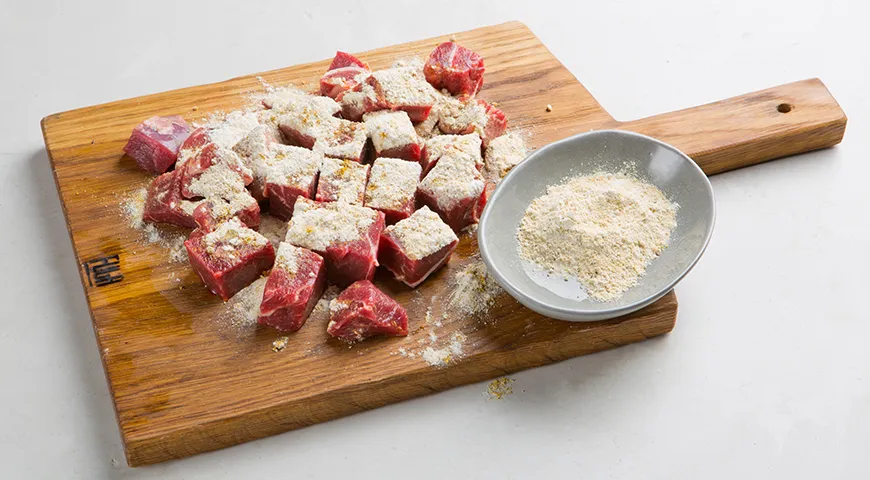
Cut the beef into 3 cm cubes. In a bowl, mix the flour with salt, pepper, and 1 teaspoon of curry powder. Coat the beef cubes evenly with this mixture. This helps create a flavorful crust when seared.
Step 2: Prep the Vegetables
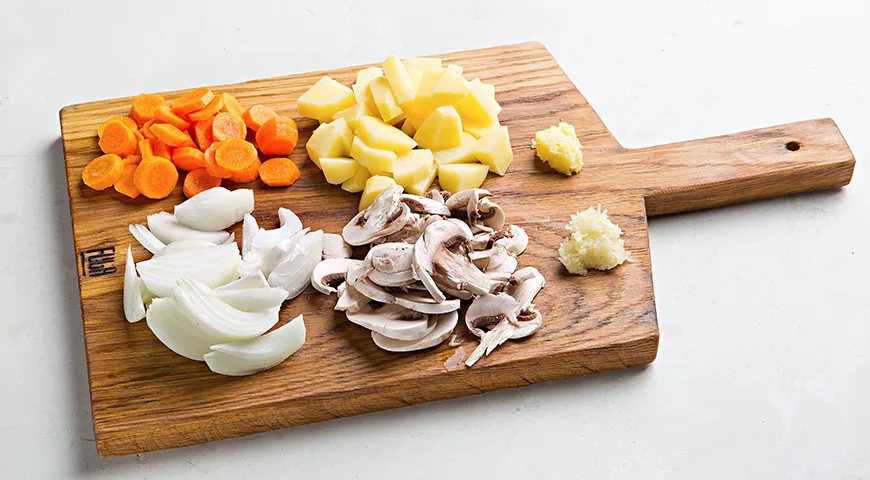
Peel and cut the onions into thick wedges. Chop the carrots and potatoes into medium, irregular chunks. Grate the garlic and ginger on a fine grater. Thinly slice the mushrooms. Having everything ready ensures smooth cooking.
Step 3: Sear the Beef
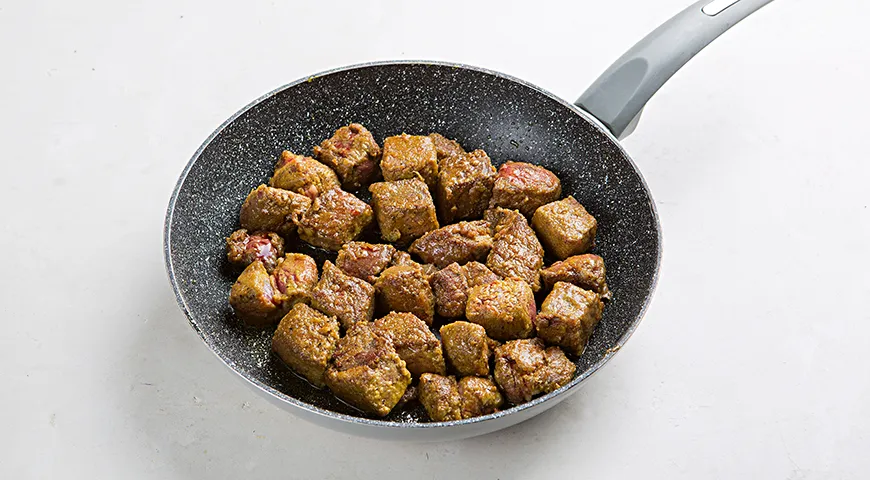
Heat oil in a deep skillet or heavy pot over medium heat. Sear the beef in batches, turning to brown all sides. Do not overcrowd the pan. Transfer the browned pieces to a plate; they will finish cooking later.
Step 4: Sauté Aromatics
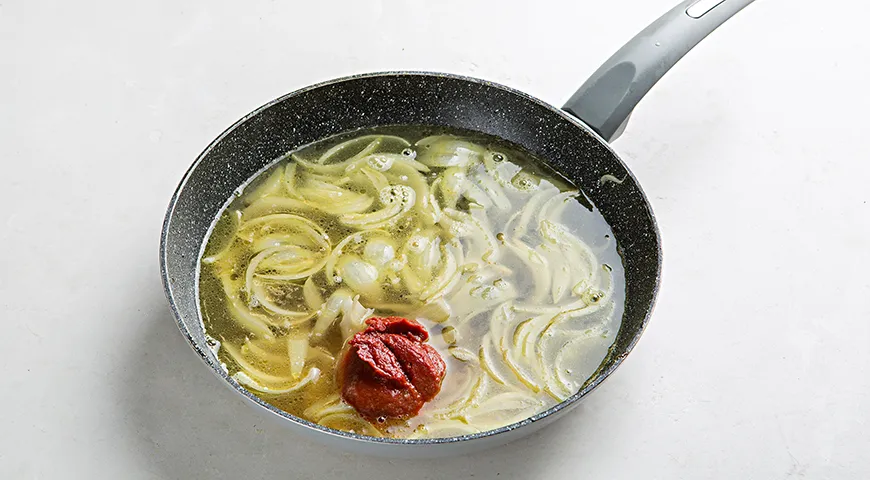
If the pan looks dry, add a couple of tablespoons of oil. Add the onion, garlic, and ginger. Sauté over medium heat until the onion turns light golden, about 10 minutes. Stir in the tomato paste and cook for 1 minute, then pour in the broth or water. Season with salt and pepper.
Step 5: Simmer the Curry Base
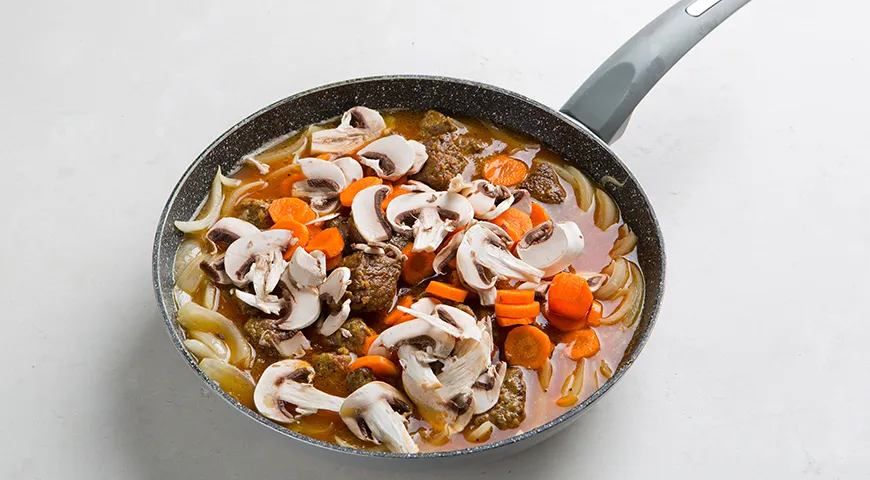
Return the beef and any accumulated juices to the pan. Add the mushrooms and carrots. Cover with a lid, bring to a boil, then reduce the heat to low. Simmer until the beef is tender, 40 minutes to 1.5 hours depending on the cut. Add the potatoes during the last 20–25 minutes of cooking.
Step 6: Make the Roux and Finish
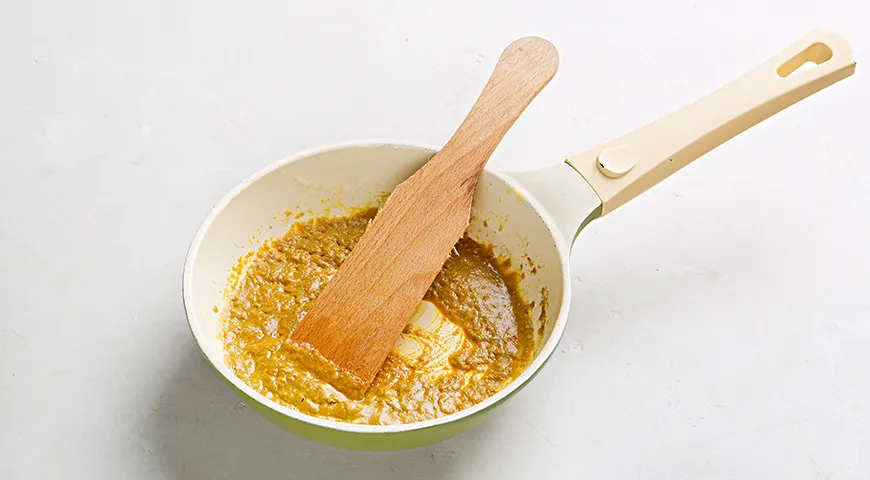
In a small, heavy-bottomed pan, melt the butter over low heat. Add the flour and cook, stirring constantly, until the mixture turns light brown (like peanut butter), about 10 minutes. Stir in the curry powder and cook for another 10 minutes, stirring continuously. This homemade roux is the heart of the dish. Ladle a cup of the hot curry liquid into the roux, whisk until smooth, then pour it back into the pot. Stir well and simmer uncovered for 3–5 minutes until the sauce thickens. Serve immediately over steamed rice.
Tips for a Perfect Roux
Making a scratch curry roux is simpler than it seems, but patience is key. Use a small, thick-bottomed pan to avoid burning the flour. Keep the heat low and stir frequently; the roux should turn a light caramel color—any darker and it will taste bitter. You can double or triple the roux recipe and refrigerate it for weeks. For an even deeper flavor, try using a splash of apple cider or sake when deglazing the pan after browning the meat. If you prefer a smoother sauce, pulse the finished curry with an immersion blender—but traditional Japanese curry is chunky. A non-toxic immersion blender is great for this, but leaving the vegetables intact is equally delicious.
Variations
Japanese curry is wonderfully adaptable. For a vegetarian version, omit the beef and use mushroom broth. Add firm tofu or chickpeas for protein. You can also swap potatoes for sweet potatoes or add apples for natural sweetness. Another popular twist is katsu curry—serve the curry sauce over a breaded, fried pork or chicken cutlet. For a quicker weeknight meal, prepare the roux in advance and use leftover roast beef. If you enjoy meal prepping, this curry freezes beautifully. Simply cool the curry, portion it into containers, and can or freeze for up to three months. Reheat gently on the stovetop.
FAQ
What cut of beef is best for Japanese curry?
Chuck, brisket, or any stewing beef works well. The long, slow simmer breaks down connective tissue, making the meat incredibly tender. Avoid lean cuts like sirloin as they can dry out.
Can I use store-bought curry roux instead?
Absolutely. However, making it from scratch allows you to control the salt and spice level. Our homemade version uses only natural ingredients and none of the preservatives found in commercial blocks.
How do I thicken the curry if it's too thin?
If your roux didn't thicken enough, mix 1 tablespoon of cornstarch with 2 tablespoons of cold water and stir into the simmering curry. Cook for 2 more minutes. Alternatively, let the curry simmer uncovered for another 5–10 minutes to reduce.
Can I make Japanese curry in a pressure cooker?
Yes! After browning the beef and aromatics, add broth and pressure cook on high for about 20 minutes (natural release). Then add the potatoes and pressure cook for 5 more minutes. Finally, stir in the roux and simmer to thicken. A microwave pressure cooker can also speed things up.
What sides go with Japanese curry?
Steamed white rice is classic. For a low-carb option, serve over cauliflower rice. Pickled vegetables like fukujinzuke or a simple cucumber salad add a refreshing crunch. Some people also love a sprinkling of raisins for a sweet contrast.
How long does it keep in the fridge?
Store in an airtight container for up to 4 days. The flavors continue to meld, making leftovers even better. Reheat in a pot over low heat, adding a splash of water if needed.
Can I freeze Japanese curry?
Yes. Cool completely, then transfer to freezer-safe containers. It will keep for up to 3 months. Thaw overnight in the fridge before reheating. Note: potatoes may become a bit soft after freezing, so you can add fresh potatoes when reheating.
Why is my curry roux lumpy?
Lumps happen when you add liquid too quickly. Always whisk the hot broth into the roux a little at a time, ensuring each addition is fully absorbed before adding more. A good whisk or immersion blender can smooth out any lumps.
Is Japanese curry spicy?
It's typically mild to medium. The curry powder used in Japanese recipes is a blend that favors turmeric, cumin, and coriander over chilies. You can increase the heat by adding cayenne or using a spicier curry powder. For reference, a hint of chili paste works well.
What is the best rice for serving?
Short-grain Japanese rice (like calrose or sushi rice) is ideal because of its sticky, fluffy texture that holds up to the thick curry. Rinse the rice well before cooking. For perfectly cooked rice every time, consider a dedicated rice cooker.







