


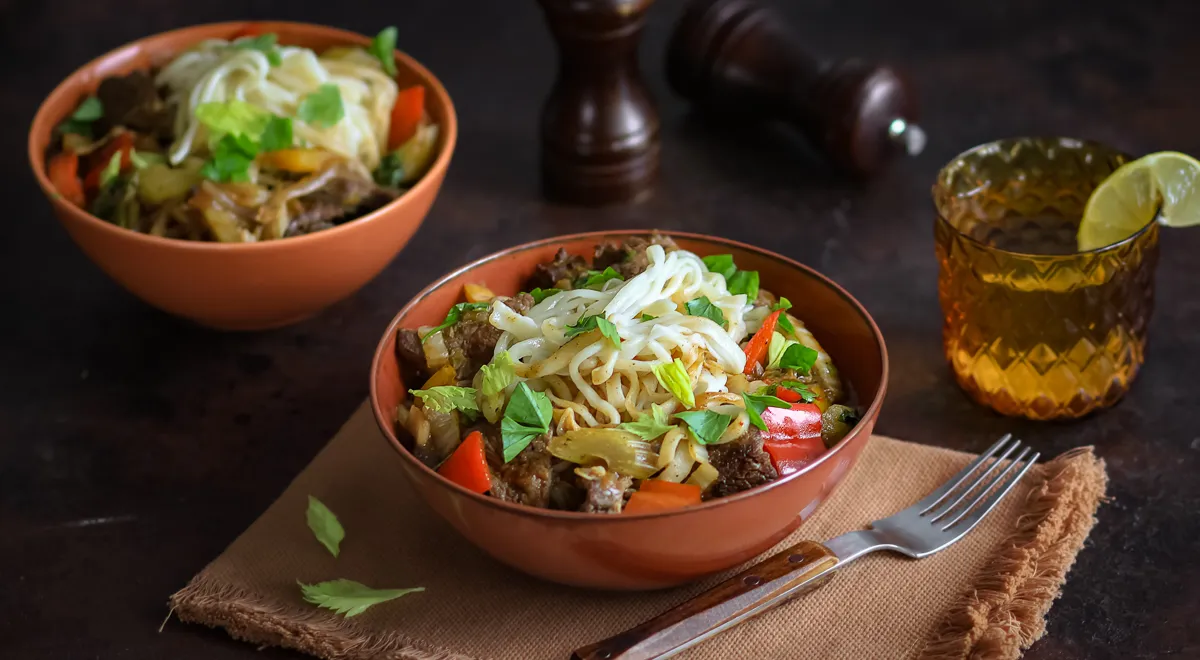
Guyru lagman, also known as Uyghur-style lagman, is a traditional Central Asian noodle dish that combines hand-pulled noodles with a rich, aromatic meat sauce. Unlike other versions, the vegetables are cut into large pieces and quickly stir-fried over high heat, preserving their texture and flavor. The dish is a celebration of spices, with ginger, garlic, and peppers taking center stage. Each serving typically consists of 100 grams of freshly cooked noodles topped with 150 grams of savory meat sauce. This recipe guides you through every step, from making the noodles to assembling the perfect bowl.
About Guyru Lagman
Originating from the Uyghur community in China’s Xinjiang region, Guyru lagman is a beloved comfort food known for its bold flavors and satisfying chewiness. The name "Guyru" refers to the stir-frying technique that gives the sauce its deep, layered taste. The dish has traveled across borders, becoming a staple in many parts of Russia and Central Asia. Its popularity lies in the contrast between the tender noodles and the crunchy, spiced vegetables. For those new to healthy cooking oils, this recipe uses vegetable oil for high-heat stir-frying, but you can also experiment with other options.

Ingredients
For the Meat and Marinade
- 200 g beef or lamb
- 15 g raw egg (about 1/4 of a small egg)
- 20 ml soy sauce
- 15 g cornstarch
- 1 tbsp vegetable oil
- Salt to taste
For the Hand-Pulled Noodles
- 300 g all-purpose flour
- 30 g cornstarch
- 165 ml water
- 7 g salt
- Vegetable oil for coating
For the Sauce
- 200 g beef or lamb (already marinated)
- 150 g Napa cabbage
- 80 g onion
- 1 yellow bell pepper
- 1 red bell pepper or semi-hot pepper
- 1 celery stalk
- 20 g celery leaves
- 2 garlic cloves
- 200 ml vegetable oil
- 80 ml wheat vinegar
- 2–3 tbsp soy sauce
- 1 tsp cornstarch mixed with 70 ml water
- Salt, sugar, red chili flakes to taste
High-quality ingredients elevate this dish. Consider using organic ingredients for purity, though the vodka link here is just for curiosity—stick to fresh produce.
Step-by-Step Instructions
Step 1: Prepare the Meat
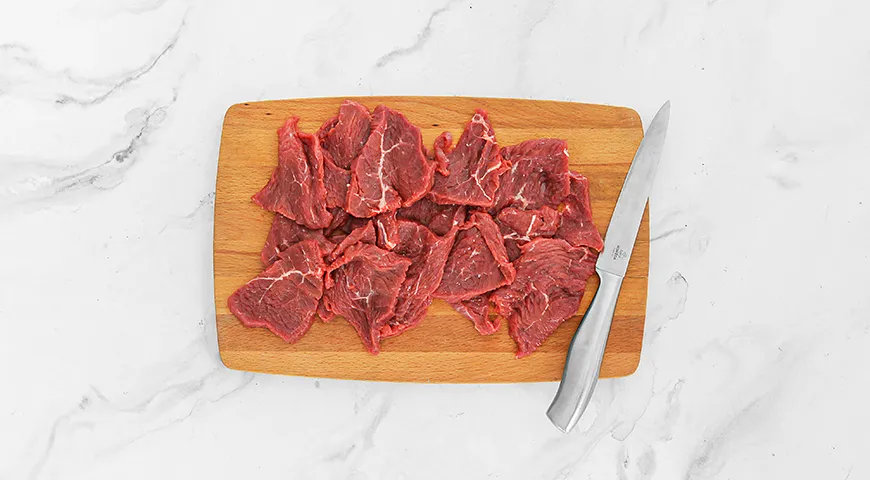
Trim any membranes from the beef or lamb, then pat dry with a paper towel. Slice into thin, small pieces. For easier cutting, freeze the meat for 2 hours beforehand.
Step 2: Marinate the Meat
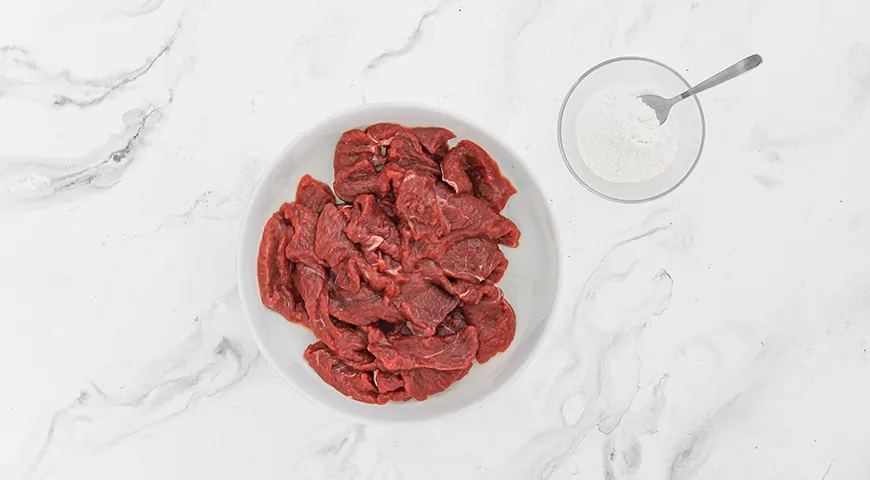
In a bowl, add water to the meat and knead until all liquid is absorbed. Beat the egg and separate 15 g; add it to the meat and mix thoroughly as if kneading dough. Sprinkle in the cornstarch and mix again. Finally, add salt, stir, and refrigerate for at least 2 hours.
Step 3: Make the Noodle Dough
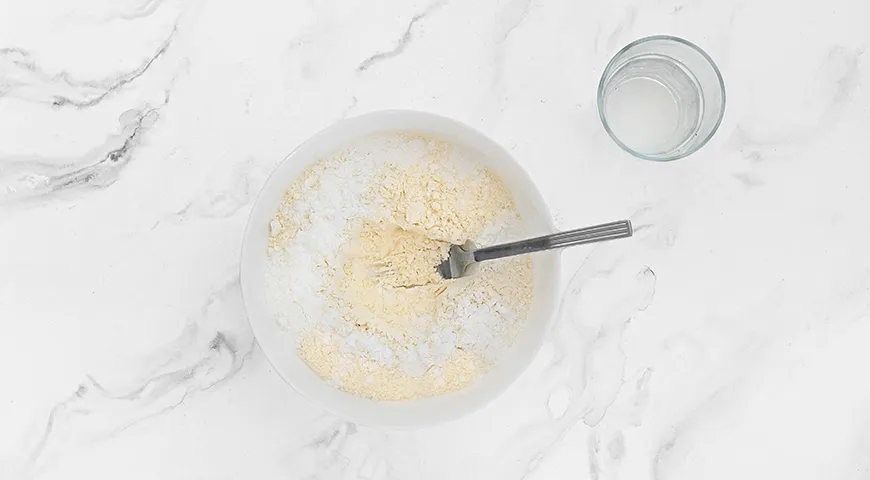
Sift the flour and cornstarch into a deep bowl, create a well in the center. Gradually pour in salted water and knead into an elastic dough, about 15–20 minutes. Cover with plastic wrap and let rest for 30 minutes.
Step 4: Roll and Cut Dough
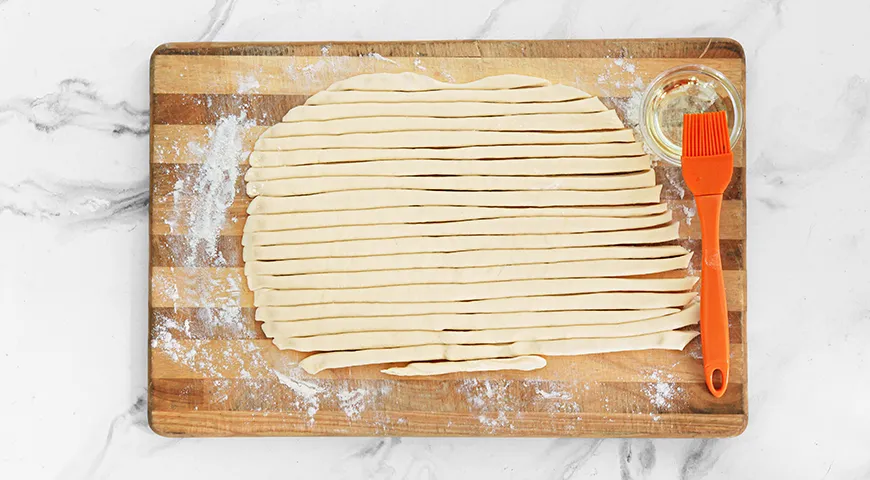
Knead the rested dough briefly, then roll into a 1 cm thick rectangle. Cut into 1 cm wide strips, brush each with vegetable oil, place in a bag, and let rest another 30 minutes.
Step 5: Form the Noodle Strips
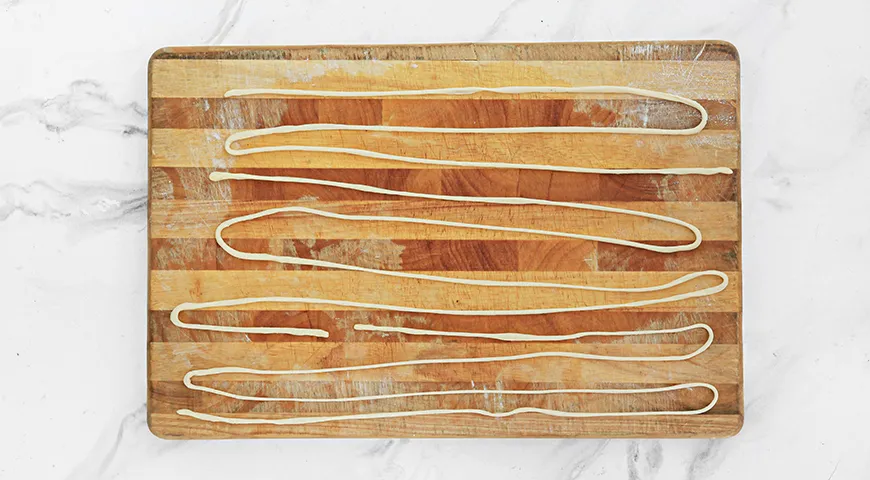
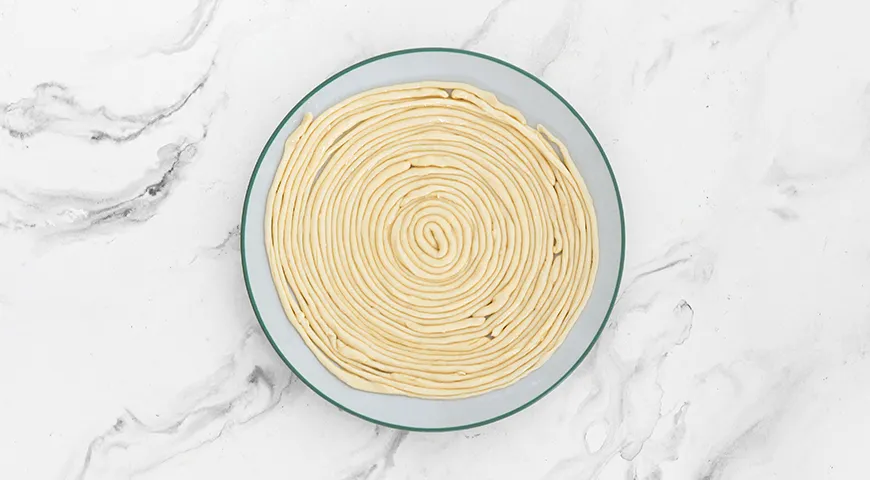
Take each strip and roll it into a long rope with your hands. Oil a large plate and coil the ropes into a snail shape. Cover with plastic and let rest 20 minutes.
Step 6: Stretch the Noodles
Uncoil each rope and roll again on the table until about 5 mm thick. As you roll, lift one end to stretch upward. Oil again, cover, and rest 20 minutes.
Step 7: Final Noodle Stretching
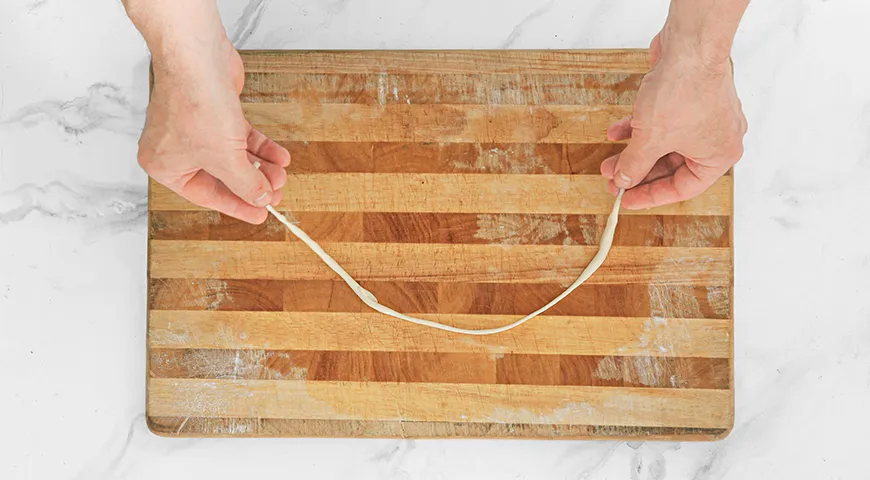
Cut the ropes into 15 cm lengths. Hold each piece in both hands and gently pull to desired thickness—slightly thicker than spaghetti. Shake and slap the noodles on the counter, twisting lightly as you pull. Fold in half as they lengthen; each 15 cm piece should stretch to about 1 meter. Oil the finished noodles and refrigerate.
Step 8: Prepare Vegetables
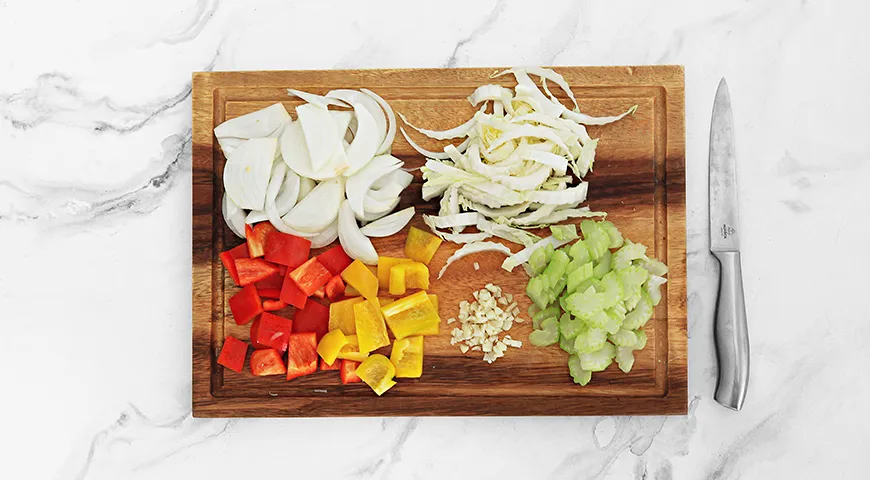
Slice onion into thin feathers, bell peppers into 2 cm squares. Cut the thick part of Napa cabbage into 1 cm strips. Mince garlic. Slice celery stalk thinly, roughly chop celery leaves.
Step 9: Cook the Noodles
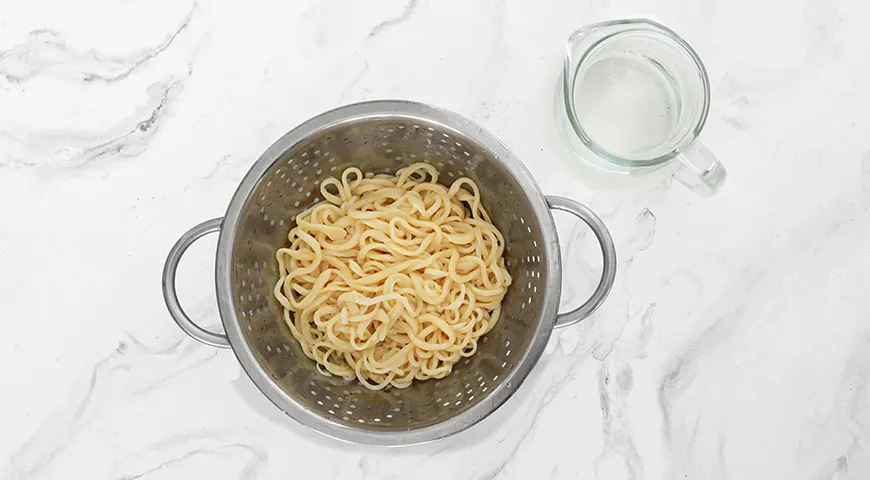
Bring a large pot of salted water to a boil. Add noodles and cook for 2–3 minutes, stirring constantly. Drain in a colander, rinse with cold water, then briefly with hot water (reserve the hot water in case noodles cool down before serving).
Step 10: Stir-Fry the Meat and Vegetables
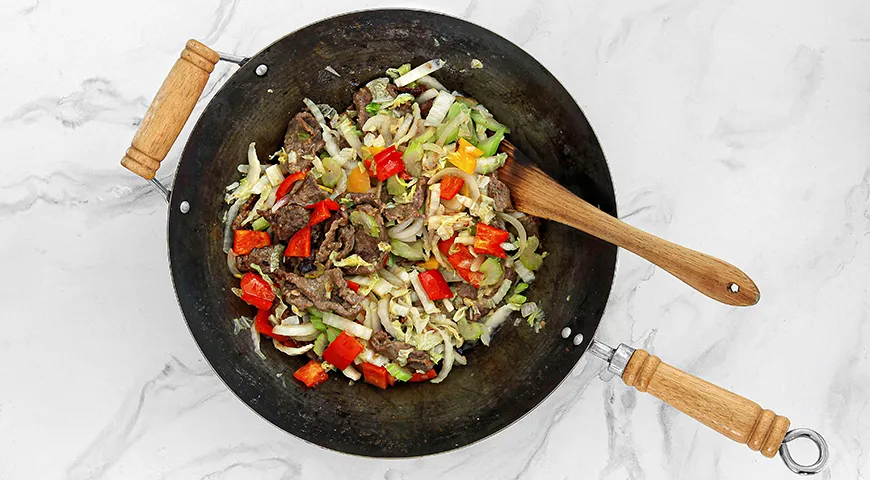
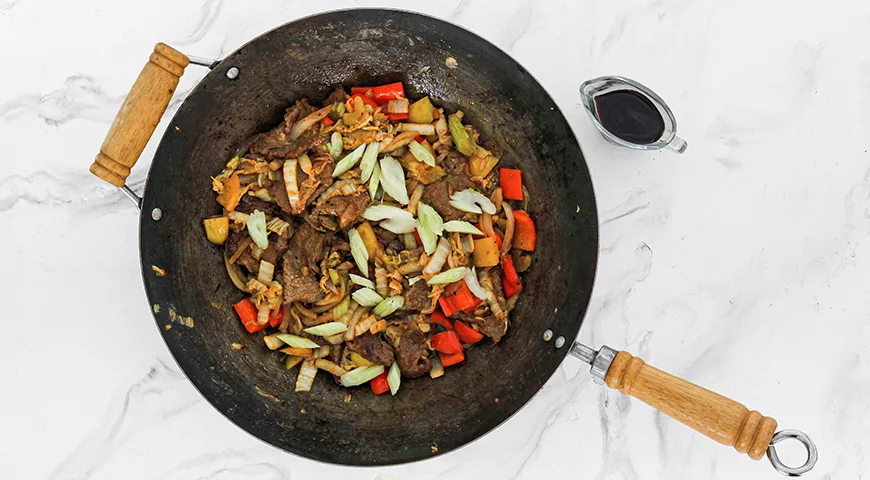
Heat 200 ml vegetable oil in a wok until very hot. Quickly fry the marinated meat until golden, about 2 minutes. Add onion, then garlic after 1 minute, then cabbage and peppers after another minute. Stir-fry continuously for 2–3 minutes.
Step 11: Drain Excess Oil
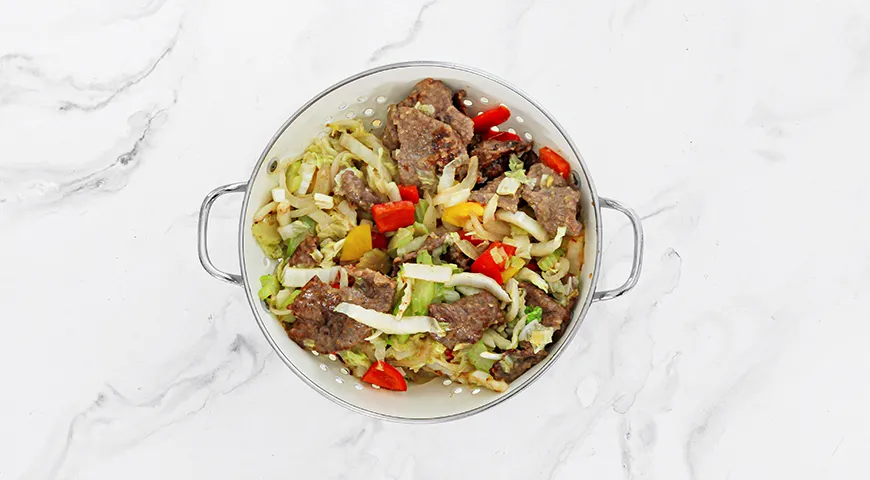
Place a colander over a clean pot and dump the entire wok contents. Let the oil drain into the pot. Return 1–2 tbsp of the drained oil to the wok along with the meat and vegetables. Discard the rest (save for later batches if desired).
Step 12: Finish the Sauce
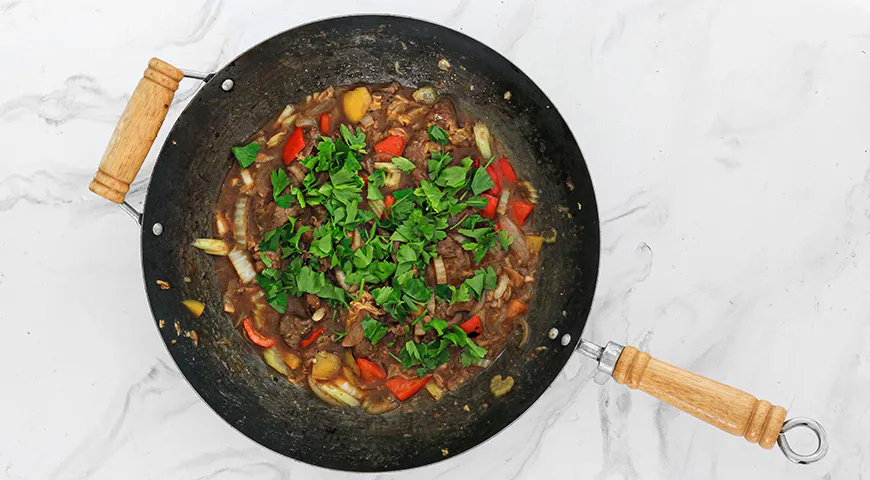
Add the cooked noodles to the wok and toss to combine. Stir in soy sauce, wheat vinegar, salt, sugar, red chili flakes, and celery stalk. Pour in the cornstarch slurry (1 tsp cornstarch dissolved in 70 ml water). Cook over high heat for 1 minute. Add celery leaves, stir, cook another minute. Adjust seasoning.
Step 13: Serve
Place a portion of hot noodles in a deep bowl. Ladle the meat and vegetable sauce over the top. Serve immediately, garnished with extra celery leaves if desired.
Tips for Perfect Guyru Lagman
- Use a planetary mixer with a dough hook to knead the noodle dough if you prefer less manual effort.
- For the best texture, avoid over-soaking the noodles; they should be al dente.
- Double the sauce batch if feeding a crowd; it stores well in the fridge for a day.
- Resting the dough is crucial for elasticity—never skip the resting periods.
Variations
Substitute beef with lamb for a more traditional flavor. Add mushrooms or zucchini for extra vegetables. For a spicy kick, include lava flavors like hot chili oil. Vegetarians can replace meat with firm tofu, though the dish is best known with meat. If you don’t have time to make noodles from scratch, use fresh store-bought udon or ramen noodles—adjust cooking time accordingly. For a different vinegar profile, try sweet wine vinegar for a subtle sweetness.
Frequently Asked Questions
What makes Guyru lagman different from other lagman dishes?
Guyru lagman emphasizes large-cut vegetables and high-heat stir-frying, resulting in a crunchier texture and more intense spice. The noodles are also hand-pulled thicker than typical spaghetti.
Can I prepare the noodles ahead of time?
Yes, you can shape the noodles and refrigerate them for up to 24 hours. Coat with oil and keep covered. Boil just before serving.
What if I don’t have a wok?
A large skillet or commercial convection oven with a stovetop pan works, but a wok’s high sides and heat distribution are ideal for stir-frying.
Is it necessary to use cornstarch in the marinade?
Yes, cornstarch tenderizes the meat and helps the marinade stick, creating a velvety texture that is characteristic of the dish.
Can I use gluten-free flour?
You can substitute a gluten-free all-purpose blend, but the texture will differ. For best results, use regular wheat flour. Check gluten-free resources for alternative noodles.
How do I store leftovers?
Keep the noodles and sauce separately in the fridge for up to 3 days. Reheat the sauce in a pan and pour over freshly boiled noodles for best results.
Why You’ll Love This Recipe
This Guyru lagman recipe brings the authentic Uyghur experience to your kitchen. The hand-pulled noodles are chewy and satisfying, while the aromatic sauce is packed with layers of flavor from garlic, ginger, and peppers. With a non-toxic immersion blender you can even puree extra sauce for a smoother texture. It’s a versatile dish that celebrates traditional cooking techniques and bold spices. Serve it with a crisp side salad or steamed dumplings for a complete meal. For more culinary adventures, explore our Catalan sponge cake recipe for dessert. Enjoy!







