


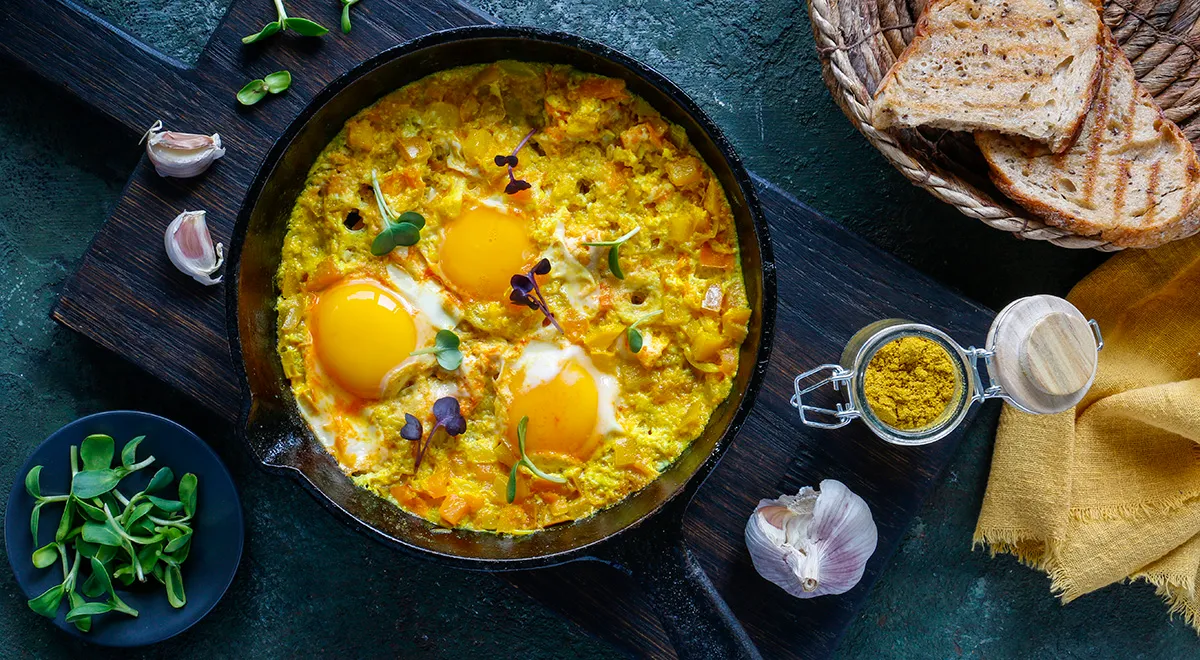
Imagine waking up to a skillet of sunshine—golden, aromatic, and brimming with the warmth of turmeric and sweet yellow peppers. This is not just any shakshuka; it is a luminous twist on the classic North African–Israeli dish, where golden tomatoes and a generous pinch of turmeric create a saffron-hued sauce that cradles perfectly poached eggs. Traditionally served with crusty rye bread and a side of Moroccan mint tea with cinnamon and honey, this breakfast elevates the ordinary into the extraordinary. The best part? You can prepare the sauce the night before, then simply reheat and crack in the eggs for a five-minute morning luxury. Here, we guide you through every step, with chef-approved tips and clever variations that turn this simple recipe into a weekend staple.
About This Recipe
Shakshuka, meaning "a mixture" in Arabic, has roots across the Mediterranean and North Africa. This version, however, leans into a sunnier palette by using exclusively yellow tomatoes and sweet yellow peppers. Turmeric—the star spice—not only gives the dish its brilliant colour but also brings earthy, anti-inflammatory benefits. The result is a mild, slightly sweet sauce that pairs beautifully with the richness of eggs. The method is remarkably forgiving: a non-toxic immersion blender can quickly puree the sauce if you prefer a smoother texture, or you can keep it chunky for rustic appeal. The recipe scales easily for a crowd, and because it comes together in one pan, cleanup is minimal. For a more indulgent brunch, serve it alongside Catalan sponge cake for a sweet contrast.

Ingredients
- 2 eggs (grade C1 or C0)
- 200 g yellow tomatoes (cherry or regular)
- 1–2 sweet yellow peppers
- 1 medium onion
- 1–2 garlic cloves
- 2 tablespoons vegetable oil
- 1 teaspoon turmeric
- Salt and black pepper to taste
- 100–120 ml hot water
- Rye bread for serving
Using high-quality organic vegetables elevates the dish. A best organic vodka might not go into the shakshuka, but organic produce ensures the sweet, pure flavours shine through. Choose firm, ripe yellow tomatoes for maximum sweetness.
Step-by-Step Instructions
Step 1: Peel the onion, garlic, and peppers. Finely chop all vegetables, including the tomatoes. Uniform cuts ensure even cooking.
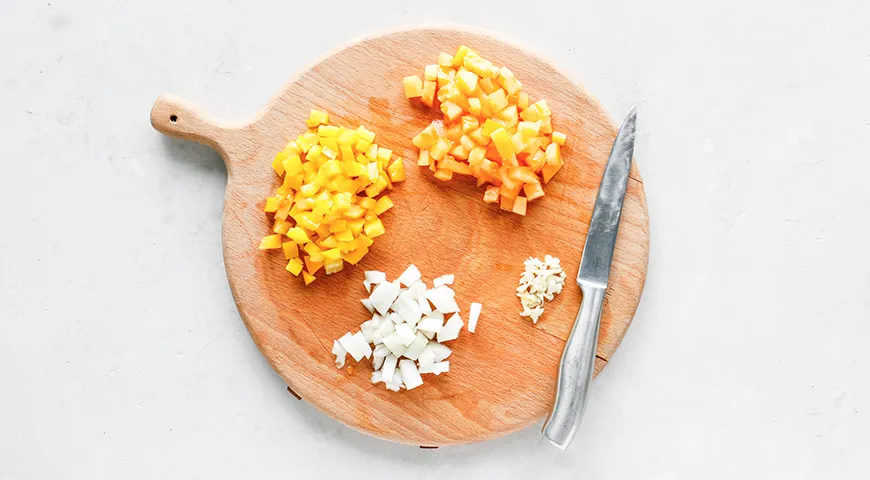
Step 2: Heat oil in a deep skillet over medium heat. Add onion, garlic, and sweet pepper; sauté for 5 minutes until softened. Stir in turmeric and mix well. The oil should sizzle gently—use a best oil sprayer for even distribution if you prefer to control fat.
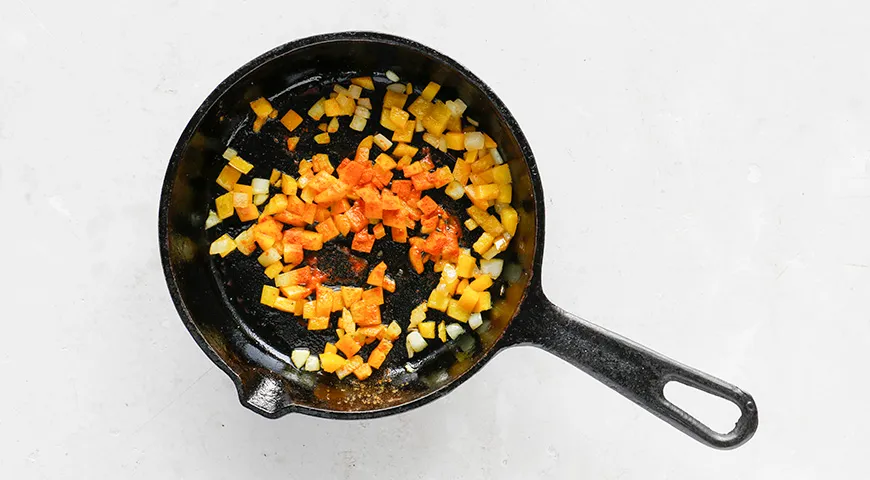
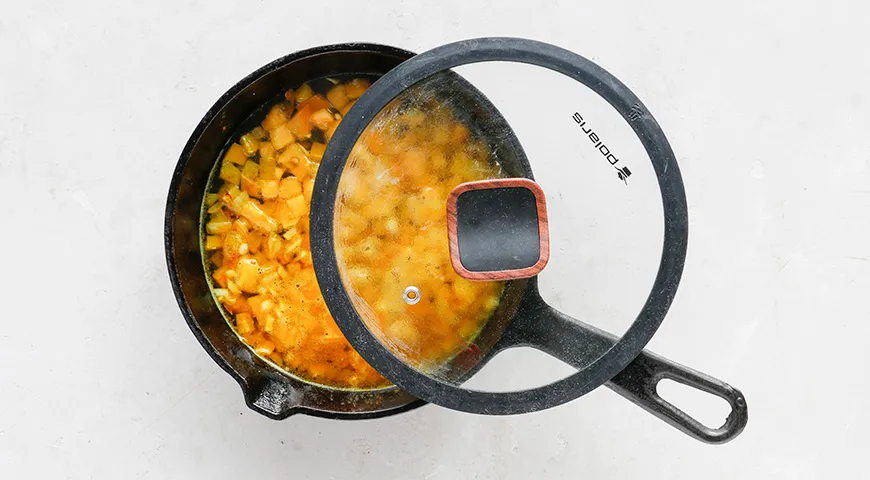
Step 3: Immediately add the chopped tomatoes and 100–120 ml hot water. Cover and simmer for 15–20 minutes, stirring occasionally, until the sauce thickens. For a velvety finish, use an immersion blender directly in the pan.
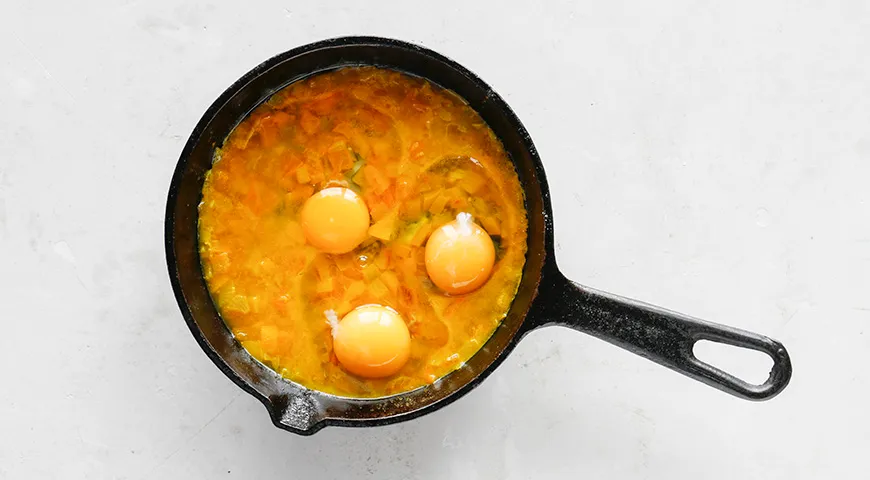
Step 4: Season the sauce with salt and pepper. Crack the eggs into the sauce, gently stirring the whites into the hot mixture while keeping the yolks intact. Cook to your desired yolk doneness—2 to 5 minutes. Serve hot with rye bread. For perfect eggs every time, consider using a non-toxic air fryer to toast the bread simultaneously.
Tips for Perfect Shakshuka
- Control heat: Use medium-low after adding eggs to prevent rubbery whites. A high-end espresso machine might be overkill here, but a reliable stovetop makes all the difference.
- Make ahead: Cook the sauce up to 2 days in advance and refrigerate. Reheat gently before adding eggs. Store in an airtight container—a built-in refrigerator keeps it fresh.
- Spice boost: Add a pinch of cumin or smoked paprika for depth. Turmeric’s flavour pairs well with a squeeze of lemon at the end.
- Egg freshness: Use the freshest eggs for best shape. Older eggs spread too thinly.
Variations
Explore the world of shakshuka with these creative spins:
- Spicy red shakshuka: Substitute red tomatoes and bell peppers, add chili flakes. Serve with a side of chocolate-covered raisins for a sweet-spicy contrast.
- Green shakshuka: Use tomatillos, green peppers, and cilantro. Omit turmeric for a fresher profile.
- Protein-packed: Add crumbled feta or cooked chorizo before the eggs. Pair with a steam canner if you want to preserve extra sauce.
- Vegan version: Replace eggs with silken tofu or chickpeas for a plant-based protein boost. A castor oil trick? Not here, but a drizzle of olive oil works wonders.
FAQ
What type of pan is best for shakshuka?
A deep, wide skillet with a lid works perfectly. Cast iron retains heat beautifully. For precise temperature control, consider a coffee maker for Airbnb won’t help here, but a quality pan is essential.
Can I use regular red tomatoes?
Absolutely, but the colour and sweetness will differ. Yellow tomatoes are milder and less acidic. For a deeper flavour, roast them first—use a wall oven microwave combo with air fryer to speed up roasting.
How do I prevent the sauce from burning?
Stir occasionally and keep the heat medium-low. Adding the hot water early prevents sticking. If the sauce thickens too much, add a splash more water. A food processor for nut butter is great for grinding spices but not needed here—just use a wooden spoon.
Can I make this dairy-free?
Yes, the recipe contains no dairy. Serve with dairy-free bread and a George Howell coffee for a full morning ritual.
What should I serve with shakshuka?
Rye bread, pita, or crusty sourdough are classic. A simple salad of cucumbers and mint complements the warm spices. For a beverage, Moroccan mint tea with cinnamon is traditional—use best lava flavors to infuse your tea with exotic notes.
Can I freeze the sauce?
Yes, freeze the sauce alone (without eggs) for up to 3 months. Thaw overnight in the refrigerator. Reheat before adding eggs. A best undercounter ice maker might seem unrelated, but icy drinks pair well after a spicy shakshuka.
Enjoy your golden turmeric shakshuka—a breakfast that feels like a warm Mediterranean morning, any day of the week.







