


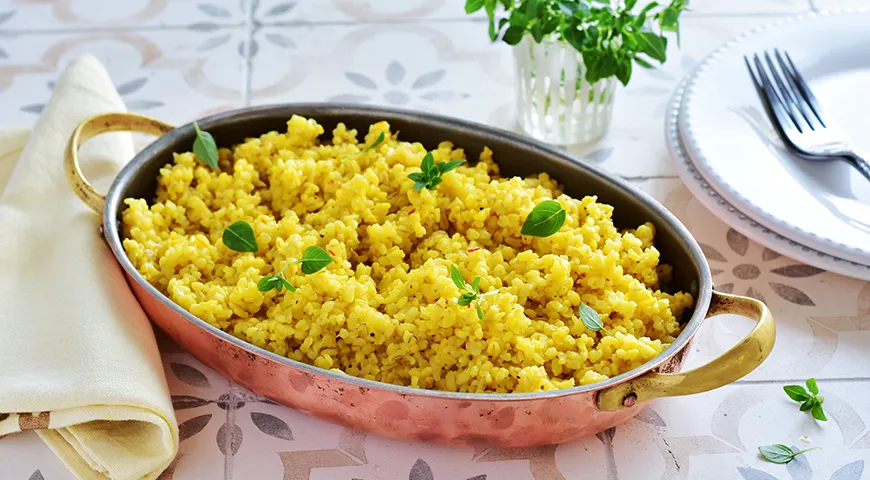
There are dishes that transcend time, carrying the whispers of ancient kitchens into our modern lives. Golden Bulgur is one such creation—a recipe over 500 years old, once served at medieval feasts in noble houses. Back then, cooks used various wheat groats and tinted them with saffron, which was surprisingly affordable in Europe because it grew locally, unlike the precious black pepper that had to be imported from distant lands. Today, this dish is a stunning, budget-friendly side that pairs beautifully with poultry or meat. Its vibrant golden hue comes from saffron steeped in white wine, while cream and egg yolks add a luxurious richness. Let us embark on a culinary journey to recreate this historic gem.
About the Dish: A Taste of Medieval Luxury
Golden Bulgur is not merely a side dish; it is a story on a plate. In medieval times, saffron was used not just for flavor but for its brilliant color, symbolizing wealth and celebration. The combination of nutty bulgur, creamy sauce, and delicate saffron creates a harmony that is both comforting and elegant. This recipe, adapted for modern kitchens, uses simple techniques that anyone can master. Whether you are hosting a dinner party or seeking a special weeknight side, this dish delivers an unforgettable experience. For more inspiration on pairing with grains, explore our guide to the best planetary mixer for perfect doughs and batters.

Ingredients
- 200 g bulgur wheat (medium or coarse grind)
- 150 ml heavy cream (20–30% fat)
- 2 large egg yolks (size C0 or equivalent)
- 50 ml dry white wine (e.g., Sauvignon Blanc)
- 1 g saffron threads (a generous pinch)
- Salt to taste
- 400 ml water (for cooking bulgur)
For the best results, use fresh saffron and high-quality cream. If you prefer a plant-based version, substitute the cream with full-fat coconut milk—check our review of non-toxic immersion blenders for easier blending.
Step-by-Step Guide
-
Step 1: Soak the Saffron
Place the saffron threads in a small bowl and pour the dry white wine over them. Let soak for 15–20 minutes. This releases the color and aroma, creating the signature golden hue.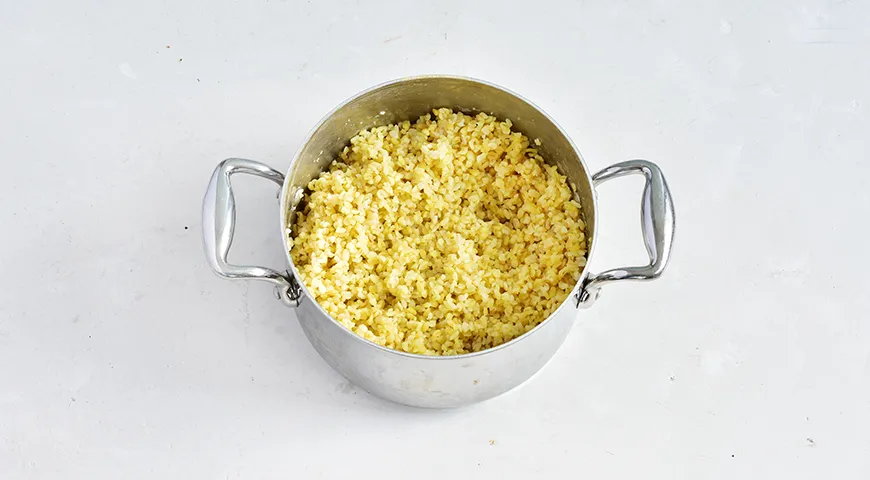
-
Step 2: Cook the Bulgur
In a medium saucepan, bring 400 ml water to a boil. Add a pinch of salt, then stir in the bulgur. Cook, stirring occasionally, until it returns to a boil. Cover with a tight lid, reduce heat to low, and simmer for about 15 minutes, until all water is absorbed. Fluff with a fork if needed.
-
Step 3: Prepare the Cream Mixture
While the bulgur cooks, whisk together the cream and egg yolks in a small bowl until smooth. For a silky texture, strain through a fine-mesh sieve to remove any egg white strands. This step is optional but recommended—using a reliable oil sprayer can help with greasing the sieve lightly.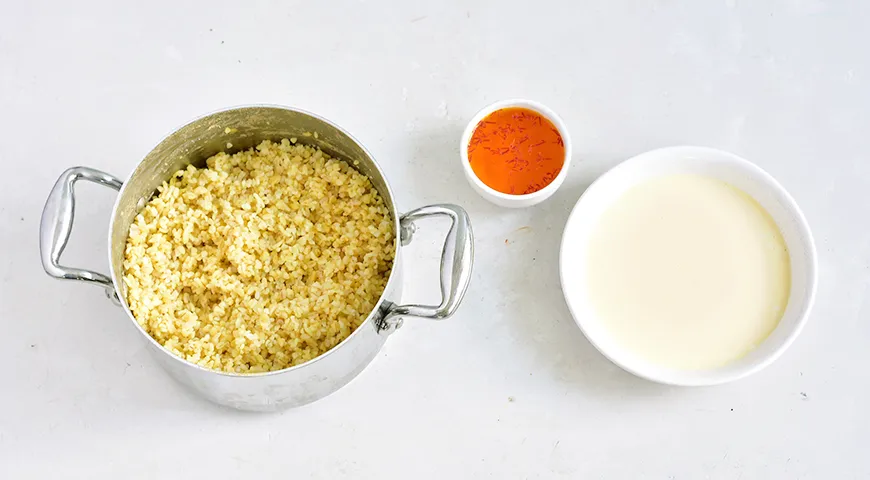
-
Step 4: Combine and Finish
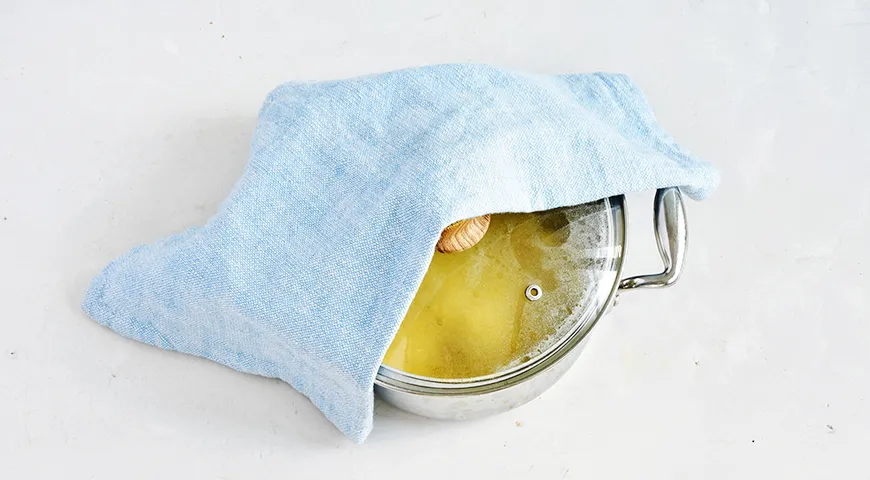
Pour the saffron-infused wine and the cream-yolk mixture into the cooked bulgur. Stir vigorously with a wooden spoon until the color and liquid are evenly distributed. Remove from heat, cover the pot with a clean kitchen towel, and let stand for 10 minutes. This allows the flavors to meld and the texture to become creamy.Sponsored
Serve hot, alongside roasted chicken, grilled lamb, or seared duck breast. For a complete meal, consider using a microwave pressure cooker to speed up the cooking of sides.
Tips for Perfect Golden Bulgur
- Don’t skip the saffron soak: The wine draws out saffron’s full potential. Use a good-quality dry white wine—our best sweet wine guide can help you choose if you prefer sweetness.
- Use fresh eggs: Fresher yolks yield a richer color and smoother emulsion. Store your eggs in a top-rated refrigerator to maintain quality.
- Adjust consistency: If the bulgur seems dry after resting, add a splash of warm broth or cream. For a lighter version, replace cream with milk—check our coffee maker reviews for breakfast pairings.
- Strain the cream mixture: Eliminating egg white threads ensures a velvety finish, much like the texture achieved with a high-performance juicer.
Variations to Explore
Herbed Golden Bulgur: Stir in chopped fresh parsley, dill, or mint before serving. Spicy Twist: Add a pinch of cayenne or black pepper for warmth. Vegan Option: Replace cream with cashew cream and egg yolks with cornstarch slurry (1 tbsp cornstarch mixed with 2 tbsp water). For kitchen tools that simplify these adaptations, browse our selection of food processors for nut butter.
Frequently Asked Questions
Can I use pearl couscous instead of bulgur?
Yes, but the cooking time will differ. Pearl couscous needs about 10–12 minutes on low heat. Adjust liquid accordingly and watch for doneness. For more grain ideas, see our best chocolate-covered raisins post—not bulgur, but a great snack while cooking!
Why is my bulgur too sticky?
Overcooking or using too much water can cause stickiness. Stick to a 1:2 bulgur-to-water ratio and fluff gently with a fork. A non-toxic air fryer can also reheat leftovers without added moisture.
Can I make this dish ahead?
Absolutely. Cook and let cool completely, then refrigerate in an airtight container up to 3 days. Reheat in a pan with a splash of cream or broth. For reheating tips, refer to our convection oven guide.
What wine pairs well with Golden Bulgur?
A dry Chenin Blanc or unoaked Chardonnay complements the creamy saffron notes. If you prefer sweeter options, explore our George Howell coffee recommendations for non-alcoholic pairings.
Is saffron necessary? Can I substitute it?
Saffron is essential for the authentic golden color and subtle floral aroma. Turmeric can mimic the hue but lacks the same flavor. For budget-friendly saffron, check our organic vodka review—sometimes a splash adds depth!
Storage and Reheating
Leftover Golden Bulgur keeps well in the fridge for up to 3 days. To reheat, place in a pan over medium-low heat with a tablespoon of water or cream, stirring until warmed through. For best texture, avoid microwaving; use a undercounter ice maker to chill leftovers quickly if you plan to store them.
This ancient recipe has stood the test of time for good reason—its simplicity, elegance, and comfort. Now you have the tools to bring medieval splendor to your table. Enjoy your Golden Bulgur and the stories it tells.







