


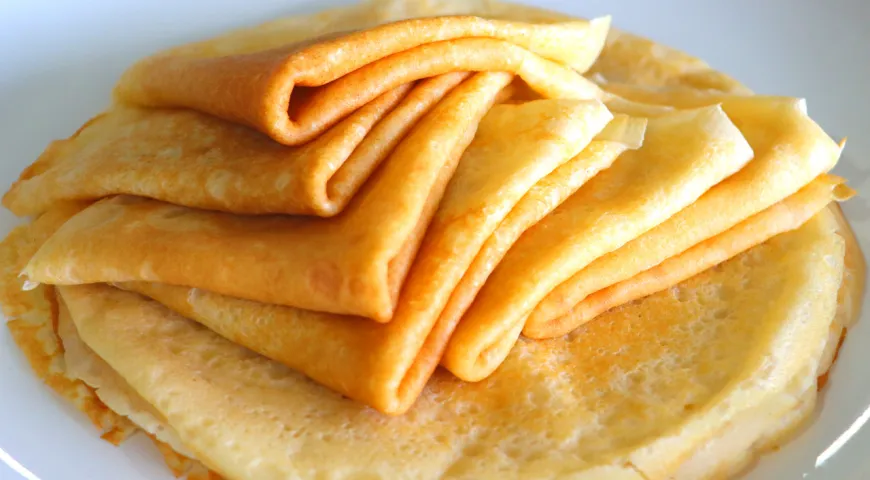
There is something profoundly satisfying about mastering the art of the French crêpe—a delicate, paper-thin pancake that embodies the elegance of French home cooking. This particular recipe comes from the legendary chef Paul Bocuse, the father of modern French cuisine, who believed that simplicity, when executed with precision, yields extraordinary results. By translating his time-honored technique into your own kitchen, you create crêpes that are ethereally light, buttery rich, and infinitely versatile—whether served with a squeeze of lemon and sugar for dessert or filled with ham and cheese for a savory lunch. This article guides you through every step, from mixing the batter to achieving that perfect golden lacy edge, ensuring that your crêpes rival those served in Lyon’s finest brasseries.
About This Recipe: A Touch of Bocuse Genius
Paul Bocuse, often hailed as the pope of French gastronomy, championed the idea that cooking is an act of love and respect for ingredients. His crêpe batter is a masterclass in balance: whole milk for richness, melted butter for flavor, and eggs for structure. The resting period, a non‑negotiable step, allows the gluten to relax, resulting in tender, flexible crêpes that refuse to tear. This recipe is a testament to the power of patience—a philosophy that extends beyond the kitchen into the heart of French culinary tradition. For more inspiring baking from around the world, explore our collection of Catalan sponge cake recipes that share a similar devotion to simple, high‑quality ingredients.

Ingredients
- 500 ml whole milk
- 50 g unsalted butter, plus extra for greasing the pan
- 250 g all‑purpose flour
- 3 large eggs
- 1/2 teaspoon fine sea salt
- 1 tablespoon granulated sugar (optional, for sweet crêpes)
All ingredients should be at room temperature to ensure a smooth, emulsified batter. If your milk is cold, gently warm it—this helps the butter incorporate seamlessly.
Step‑by‑Step Instructions
Step 1: Combine Dry Ingredients and Eggs
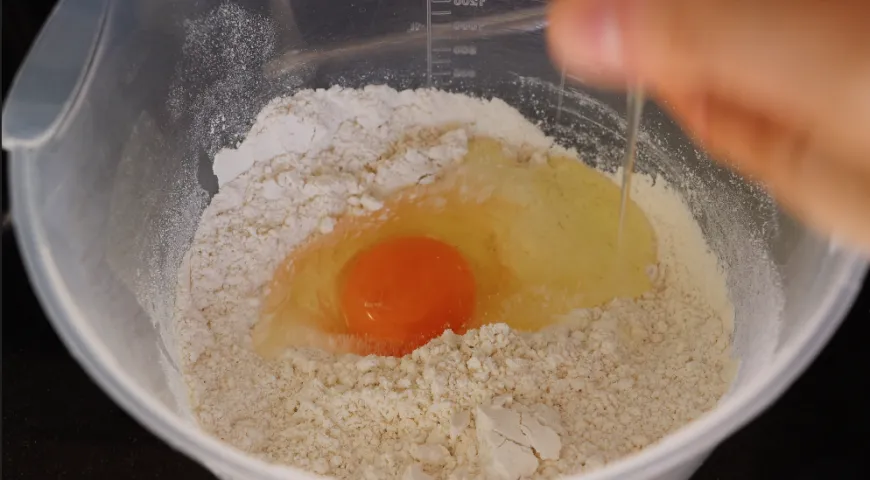
In a large mixing bowl, whisk together the flour, salt, and sugar. Create a well in the center and crack in the eggs, one at a time, whisking vigorously after each addition until the mixture forms a thick, smooth paste. This gradual incorporation prevents lumps from forming later. If you have a high‑quality planetary mixer, you can use the whisk attachment on low speed to achieve a flawless start.
Step 2: Add Milk and Melted Butter
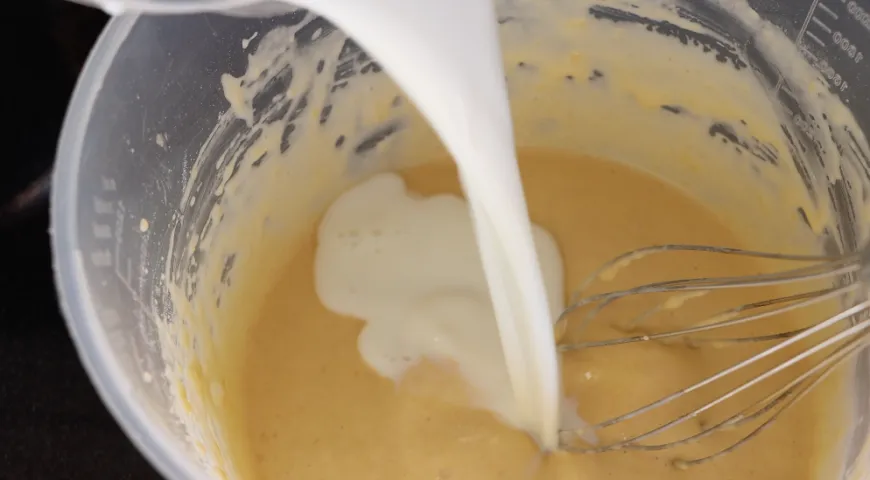
Pour in a small amount of the milk (about 100 ml) and whisk or blend with an immersion blender until the batter is completely smooth and free of lumps. Then add the remaining milk and the melted butter, whisking gently until fully combined. The batter should have the consistency of heavy cream—thin enough to coat the back of a spoon. Using an immersion blender at this stage guarantees a silky texture without overworking the gluten.
Step 3: Rest the Batter
Cover the bowl with plastic wrap and refrigerate for at least 1 hour. This resting period is crucial—it allows the flour to fully hydrate and the bubbles to settle, resulting in crêpes that are tender and elastic. While the batter rests, you can prepare your fillings or explore other breakfast inspiration such as pairing with a rich cup of coffee brewed from George Howell coffee.
Step 4: Cook the Crêpes
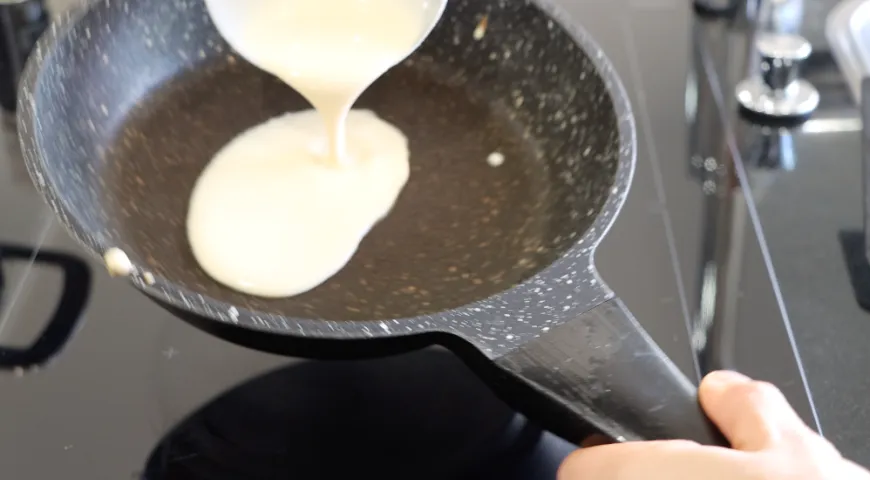
Heat a non‑stick crêpe pan or a well‑seasoned skillet over medium heat. Lightly grease the surface with a touch of butter using a best oil sprayer or a paper towel. Pour a ladleful of batter into the center, then quickly tilt and rotate the pan to spread it into an even, thin round. Cook for about 1 minute until the edges turn golden and lift easily, then flip and cook the other side for 30 seconds. Stack the finished crêpes on a plate, covering them with a clean kitchen towel to keep warm. Serve immediately with your favorite accompaniments.
Tips for Perfect French Crêpes
- Temperature control: Medium heat is essential—too high and the crêpes brown too quickly; too low and they become thick and chewy.
- Batter consistency: If the batter thickens after resting, whisk in a tablespoon of milk to return it to a pourable state.
- No over‑mixing: Once the flour is incorporated, stop mixing to avoid tough crêpes. A glass food processor bowl can help you visualize the process.
- Storage: Cooked crêpes freeze beautifully—layer them between sheets of parchment paper, then seal in a freezer bag.
Variations to Explore
- Savory galettes: Substitute 50% of the all‑purpose flour with buckwheat flour and omit the sugar. Serve with ham, grated cheese, and a fried egg.
- Dessert crêpes Suzette: Flambé the crêpes with orange juice, zest, and Grand Marnier for a classic French spectacle.
- Chocolate crêpes: Replace 2 tablespoons of flour with unsweetened cocoa powder and add an extra tablespoon of sugar.
For a complete French‑style brunch, consider pairing your crêpes with a side of chocolate‑covered raisins or a glass of sweet wine. And if you’re curious about other breakfast bakes, our best coffee maker for Airbnb guide can help you design a guest‑worthy morning menu.
FAQ
Why does the batter need to rest for an hour?
Resting hydrates the flour, relaxes the gluten, and allows air bubbles to escape. This ensures crêpes that are tender, flexible, and less likely to tear during cooking.
Can I use a regular pan instead of a crêpe pan?
Absolutely. A well‑seasoned cast‑iron skillet or any non‑stick frying pan with low sides works well. Just ensure the surface is evenly heated. A commercial convection oven isn’t suitable for stovetop cooking, but it’s excellent for keeping crêpes warm.
Can the batter be made gluten‑free?
Yes. Substitute the all‑purpose flour with a 1:1 gluten‑free baking blend that contains a binder like xanthan gum. Expect a slightly different texture, but the result is still delicious.
How do I store leftover batter?
Cover the batter tightly and refrigerate for up to 24 hours. Give it a gentle whisk before using. The batter may thicken slightly—thin it with a splash of milk.
What is the best way to reheat crêpes?
Stack them, wrap in foil, and warm in a 150°C (300°F) oven for 10 minutes. Alternatively, reheat each crêpe in a hot, dry pan for 20 seconds per side. Using a microwave pressure cooker is not recommended as it may make them soggy.
Can I add flavorings to the batter?
Absolutely. Vanilla extract, orange blossom water, or a splash of rum are classic additions. For a richer crêpe, replace 50 ml of milk with heavy cream.
Is it necessary to use a mixer for the batter?
No, but a whisk works well. For lump‑free results, an immersion blender is ideal. In a pinch, a food processor can also blend the batter smooth.
Mastering Paul Bocuse’s crêpe recipe is a gateway to French culinary confidence. Whether you’re celebrating Mardi Gras, preparing a leisurely weekend brunch, or simply craving a taste of Paris, these crêpes deliver elegance and comfort in every bite. For more inspiration, check out our guide on the best non‑toxic air fryer to make healthier versions of classic fried treats, or browse our selection of best steam canners if you wish to preserve seasonal fruit fillings. Bon appétit!
Discover our expert picks for resume builder free in our detailed review. Looking for the best options? Check out our article on Cecotec secador. Find the top-rated Building Block Toy with our comprehensive buying guide. Looking for the best options? Check out our article on Grand Goldman Shop. Discover our expert picks for waatfeet double induction cooktop portable in our detailed review. Looking for the best options? Check out our article on happy dough proofer for baking. Find the top-rated vibrator for menopause with our comprehensive buying guide. For top recommendations, explore our guide on walfos cute dog silicone mold. For top recommendations, explore our guide on coconut oil for tanning. Find the top-rated gift for someone with back pain with our comprehensive buying guide.







