


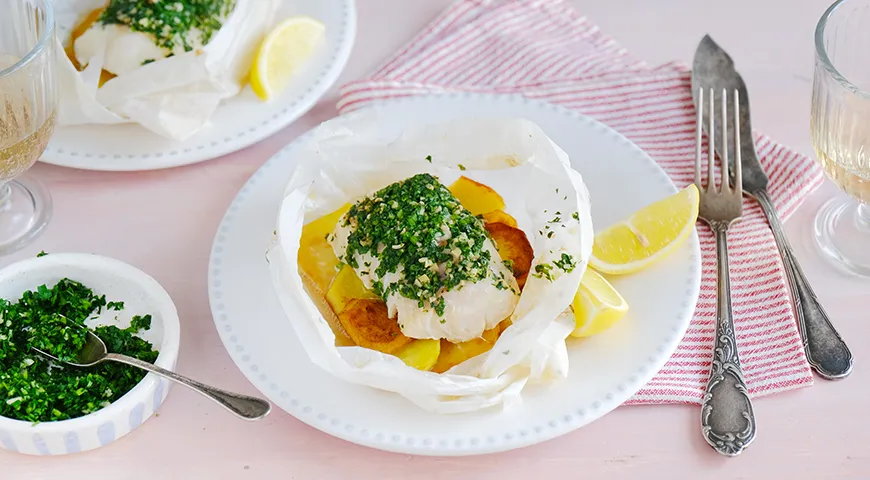
Few cooking methods marry health and elegance as seamlessly as the parchment packet. Originating from the French technique en papillote, this approach transforms humble ingredients into a steamy, aromatic masterpiece. Our recipe for Fish with Potatoes in a Parchment Packet draws on Russian home‑cooking traditions while embracing a globally loved technique. By sealing fish and potatoes in individual parchment envelopes, you lock in every drop of moisture and every whisper of herb‑infused flavor—no heavy sauces or excessive fats required. The result is a dish that is at once delicate and deeply satisfying, perfect for a weeknight dinner or an impressive dinner party. For more inspiration on cooking with minimal cleanup, explore our guide on the best non‑toxic air fryers for a similar hands‑off approach.
About This Dish
Fish and potatoes are a timeless pairing, but the parchment packet elevates them to new heights. The paper allows a gentle circulation of steam, creating a moist cooking environment that keeps fish flaky and potatoes tender. Unlike foil, parchment lets a faint blush of browning develop on the fish, adding a subtle crust. This technique is also naturally low‑fat—only a spoonful of clarified butter is used—making it a go‑to for health‑conscious home cooks. If you enjoy one‑pan meals, you might also love our Catalan sponge cake for a sweet finish.

Ingredients
- 4 medium potatoes (approximately 500 g)
- 3 tbsp (60 g) clarified butter
- 1 small bunch (20 g) fresh parsley
- 3 cloves (15 g) garlic
- Freshly ground black pepper
- Salt
- 4 skinless white fish fillets (e.g., cod, haddock, or pollock)
For the best results, use uniform potatoes and firm, fresh fish. If you'’re new to working with whole spices, consider a high‑performance food processor to make quick work of herb pastes.
Step‑by‑Step Instructions
Step 1: Prepare the Herb Paste
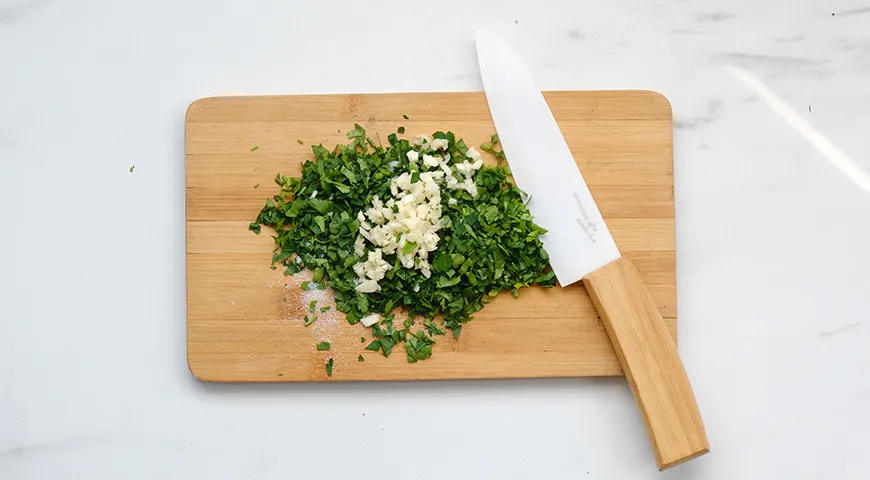
Finely chop the parsley. Crush, peel, and mince the garlic. Place the garlic on the chopped parsley, add a pinch of salt, and chop together until you form a rough paste. This step releases the essential oils and creates an aromatic base.
Step 2: Prepare the Fish
Check the fish fillets for any remaining bones by running your fingers against the grain. Remove any bones with tweezers. Spread the herb paste over one side of each fillet, season with pepper, and let it marinate while you prepare the potatoes.

Step 3: Prep and Fry the Potatoes
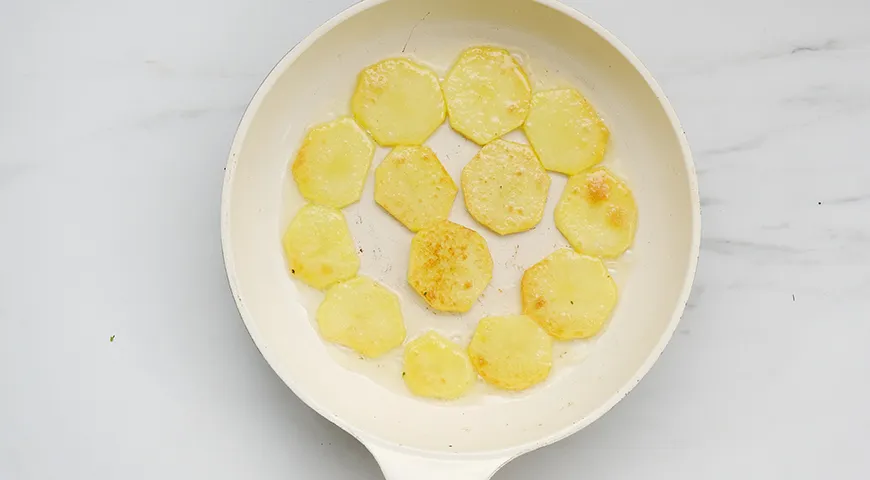
Peel the potatoes and slice them into 1 cm thick rounds. Heat half of the clarified butter in a large skillet over medium heat. Fry the potato slices until they develop a golden crust but remain slightly undercooked in the center—about 4–5 minutes per side. Use a best oil sprayer for even butter distribution if needed.
Step 4: Assemble the Packets
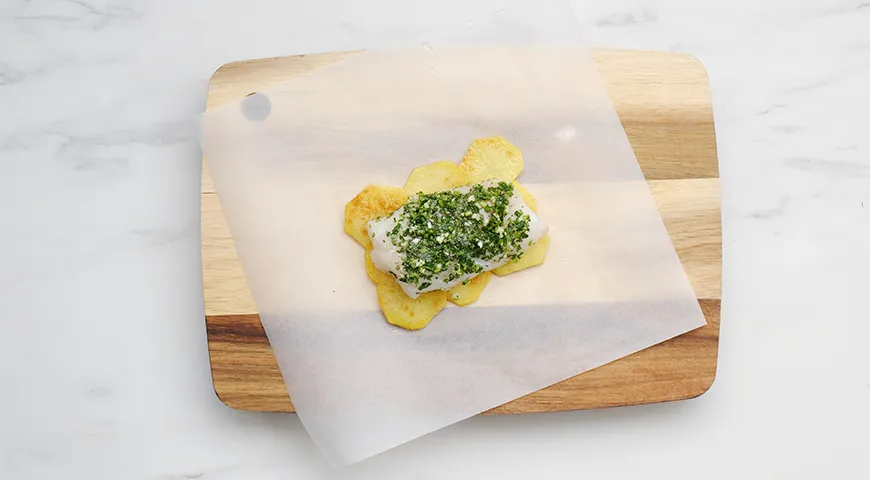
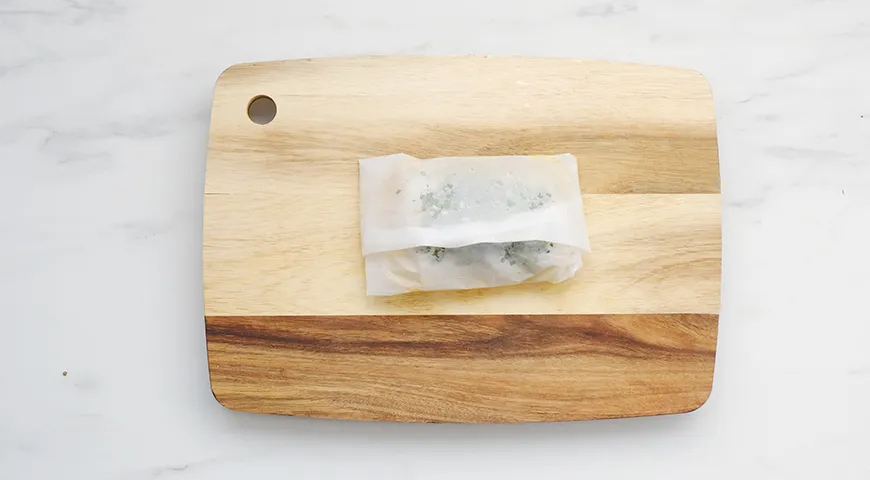
Take four sheets of parchment paper, each about 30x40 cm. In the center of each sheet, arrange a layer of fried potatoes. Place a fish fillet on top, green (herb) side up. Bring the two long edges of the paper together above the filling and fold them over to seal. Twist the open ends tightly like candy wrappers—this creates the classic “envelope” shape.
Step 5: Bake and Serve
Tuck the twisted ends under the packets and place them on a baking sheet. Bake in the center of a preheated 200°C (400°F) oven for 15–20 minutes, depending on the thickness of the fish fillets. To serve, transfer the packets to plates and carefully open them—watch out for the hot steam! For a perfect side, consider pairing with a fresh green salad. If you'’re curious about other cooking methods, read about the best microwave pressure cookers for speed.
Tips for Perfect Parchment Packets
- Use high‑quality parchment paper that can withstand oven heat up to 220°C.
- Seal the packet tightly to prevent steam from escaping; a planetary mixer can be handy for whipping up a quick herb butter as an alternative sauce.
- If you don’t have clarified butter, use ghee or a neutral oil like avocado oil.
- For extra flavor, add a splash of white wine or lemon juice inside the packet.
- Always let the packets rest for 1–2 minutes before opening to avoid steam burns.
Variations
- Mediterranean twist: Replace parsley with basil and add sliced cherry tomatoes and olives.
- Asian fusion: Use ginger, soy sauce, and a drizzle of sesame oil.
- Herb‑crusted: Add a breadcrumb topping before sealing for extra crunch.
- For a complete one‑dish meal, toss in steamed green beans or asparagus alongside the potatoes.
FAQ
Can I use frozen fish fillets?
Yes, but thaw them completely and pat dry with paper towels to avoid excess moisture in the packet. A best 48‑inch built‑in refrigerator can help maintain consistent storage temperatures.
How do I keep potatoes from becoming mushy?
Par‑fry them until golden but not fully cooked. The steam inside the packet will finish cooking them without turning them into mush.
What type of fish works best?
Firm white fish like cod, haddock, or halibut hold up well. For a more delicate option, try sole or flounder. Check out our guide on best store‑bought au jus for pairing suggestions.
Can I make these ahead of time?
Assemble the packets up to 4 hours in advance and refrigerate. Add 2–3 minutes to the baking time if starting from cold.
Is parchment paper reusable?
No, parchment is single‑use for safety and hygiene. For eco‑friendly alternatives, consider silicone baking mats (not for packets).
What if I don’t have clarified butter?
Regular butter works, but may burn at high heat. Ghee or a high‑smoke‑point oil like avocado oil is a better substitute. For the best kitchen tools, see our best espresso machine under $2000 for a sophisticated side drink.
How do I get a crispy fish skin if using skin‑on fillets?
This method keeps the skin moist. For crispy skin, pan‑sear the skin side before assembling the packet.
For more culinary inspiration, explore our articles on best chocolate‑covered raisins and best organic vodka for beverages that complement this dish. Also, read about sweet wines with high alcohol content that pair beautifully with fish.







