


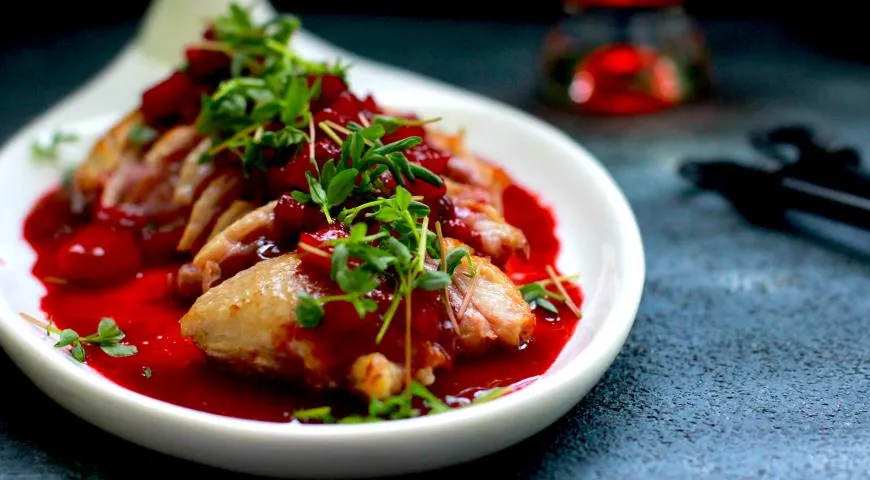
There are few things more deeply satisfying than the crackling skin of perfectly seared duck breast, its fat rendered to a golden crisp while the meat remains rosy and tender. In this recipe, we pair duck magret—the lean, flavourful breast of a Moulard duck—with a vividly spiced apple and lingonberry sauce that balances sweetness, acidity, and warm aromatic notes. The sauce, reduced with juniper and cinnamon, becomes a glossy, ruby‑hued companion that elevates every slice. Whether you are planning an intimate dinner or a festive holiday table, this dish delivers restaurant‑worthy elegance with surprisingly simple technique. For those who value precision in the kitchen, using a reliable immersion blender can help achieve a silky‑smooth sauce in seconds.
About the Dish
Duck magret is a staple of French bistro cooking, prized for its rich, beef‑like flavour and its generous layer of fat that crisps beautifully when cooked skin‑side down. Here we follow the classic method: score the skin, sear in a dry hot pan, then finish in the oven. The accompanying sauce draws inspiration from Scandinavian and Eastern European traditions, where tart lingonberries and apples are simmered with wine and forest spices. The result is a sauce that cuts through the duck’s richness without overwhelming it. This recipe is adapted from the original Russian version on Gastronom.ru, a trusted source for gourmet home cooking.

Ingredients
- 2 duck magrets (about 300–350 g each)
- 2 medium apples (preferably tart varieties like Granny Smith)
- 100 g fresh or frozen lingonberries (or cranberries as a substitute)
- 100 ml dry red wine (such as Merlot or Pinot Noir)
- 2 tablespoons unsalted butter
- 1 tablespoon granulated sugar
- 2–3 juniper berries (crushed)
- 1 small cinnamon stick (or ½ teaspoon ground cinnamon)
- Salt and freshly ground black pepper to taste
A high‑quality sweet wine can also be used if you prefer a richer sauce, though dry wine preserves a more balanced tartness.
Step‑by‑Step Instructions
Step 1: Prepare the Apples
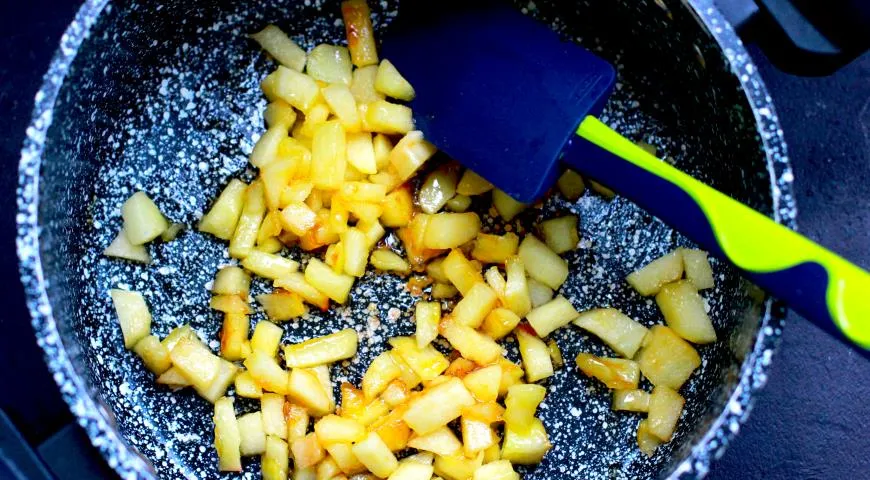
Peel the apples, remove the cores, and cut them into ½‑cm cubes. In a medium saucepan or a wide skillet, melt the butter over medium heat. Add the apple cubes and sugar, and sauté for 5 minutes, stirring occasionally, until the apples soften and begin to caramelize. The gentle browning adds depth to the final sauce.
Step 2: Build the Sauce
Pour the red wine into the saucepan with the apples. Add the lingonberries, a generous pinch of salt, a crack of black pepper, the crushed juniper berries, and the cinnamon stick. Bring the mixture to a gentle boil, then reduce the heat to a simmer. Cook until the liquid has reduced by about half—this should take 8–10 minutes. Once thickened, remove the cinnamon stick. The sauce should be glossy and intensely flavoured. For an ultra‑smooth texture, you can blend the sauce with an immersion blender directly in the pot, then strain if desired.

Step 3: Prepare and Sear the Duck
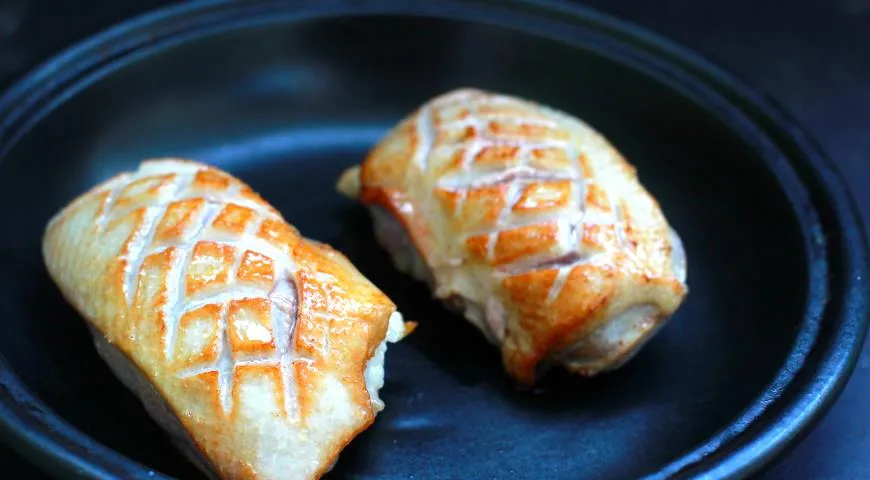
Trim any excess fat from the sides of the duck breasts, leaving an even ½‑cm layer of fat on the skin. Using a sharp knife, score the skin in a diamond pattern—light cuts about ½‑cm deep, taking care not to cut into the meat. This allows the fat to render more efficiently. Place a heavy‑bottomed skillet over high heat. Once the pan is very hot, lay the duck breasts skin‑side down in the dry pan (no oil needed as the fat will render). Sear for 2–3 minutes, then flip and sear the meat side for another 2–3 minutes, basting the duck with its own rendered fat. Transfer the duck to a baking dish and place it in a preheated oven at 180°C for 10 minutes (for medium‑rare).
Step 4: Rest the Duck
Remove the duck from the oven and immediately wrap each breast tightly in aluminium foil. Let them rest for 10 minutes. This crucial step allows the juices to redistribute throughout the meat, ensuring every slice is moist and tender. While you wait, keep the sauce warm on the stove.
Step 5: Slice and Serve
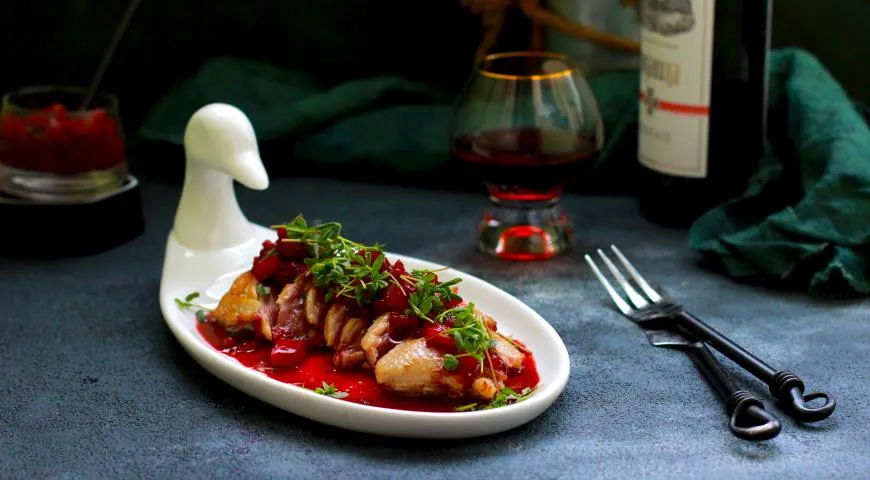
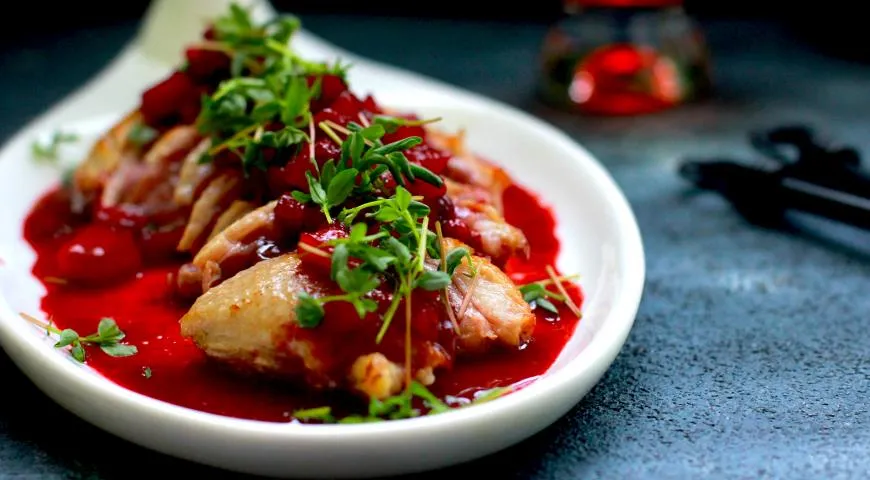
Unwrap the duck and transfer to a cutting board. Using a sharp knife, slice the breasts against the grain into ½‑cm thick medallions. Arrange the slices on warm plates and spoon the spiced apple‑lingonberry sauce generously over the top. Garnish with a few fresh lingonberries or a sprig of thyme if desired. Serve immediately with crusty bread, roasted vegetables, or a simple green salad.
Tips for Perfect Duck Magret
- Start with a cold pan? No—for duck magret, a hot pan is essential to get immediate browning. If you prefer a more gradual render, you can start skin‑side down in a cold pan and let it heat slowly, but the high‑heat method yields better colour and less greasy skin.
- Don’t skip the scoring. Fine crosshatch cuts ensure the fat melts evenly. If you have a planetary mixer with a slicing attachment, you can even achieve perfectly uniform cubes for the sauce, but a simple chef’s knife works beautifully.
- Baste continuously while searing. Use a good oil sprayer for an even mist if you need additional fat, though the duck’s own fat is usually sufficient.
- Use a meat thermometer if you’re unsure about doneness. Duck magret is best at 54–56°C (medium‑rare). Remember that it will continue cooking during the resting phase.
- Store leftover duck in an airtight container in the refrigerator. The best refrigerators maintain stable humidity to keep the meat from drying out.
Variations
While the classic combination is hard to beat, you can adapt the sauce to your pantry. Substitute dried cranberries for fresh lingonberries if fresh ones are unavailable. For a deeper, more complex flavour, replace the red wine with a robust sweet wine or even a splash of port. If you own a wheatgrass juicer, you could juice a fresh apple to use as a base—though the acidity from the wine is preferable. For a non‑alcoholic version, use pomegranate juice and a dash of balsamic vinegar. The duck itself can be finished in an air fryer for a different texture: air‑fry skin‑side down at 180°C for 8 minutes, then flip and cook 2 minutes more. The sauce is also wonderful spooned over roasted chicken or pork loin.
FAQ
What is duck magret exactly?
Duck magret is the boneless, skin‑on breast of a Moulard or Pekin duck that has been raised specifically for foie gras production. It is larger, leaner, and more flavourful than a standard duck breast. Look for it at specialty butchers or gourmet grocery stores. Store it properly in a high‑quality refrigerator until ready to use.
Can I use frozen lingonberries?
Absolutely. Frozen lingonberries work just as well as fresh. There is no need to thaw them first—add them directly to the saucepan. The extra liquid will simply boil off during reduction. For a sweeter sauce, you can use chocolate‑covered raisins as an interesting garnish, though they are not traditional.
Why is my duck skin not crispy?
Several factors can prevent crispiness: the pan may not have been hot enough, the duck may have been crowded (which lowers the pan temperature), or the skin was not scored deeply enough. Ensure the duck is patted very dry before cooking. Using a convection oven for the finishing step can also enhance browning.
Can I make the sauce ahead of time?
Yes, the sauce can be prepared up to three days in advance. Cool it completely, then store it in an airtight container in the refrigerator. Reheat gently on the stovetop before serving. If the sauce thickens too much, thin it with a splash of wine or water. You can also can the sauce using a steam canner for longer preservation.
What wine pairs best with this dish?
A dry Pinot Noir or a light‑bodied red with bright acidity is ideal. For white wine lovers, a full‑bodied Chardonnay with a touch of oak works surprisingly well. If you prefer something bolder, try a sweet wine with high alcohol content like a late‑harvest Riesling—the sweetness contrasts nicely with the tart sauce.
Can I substitute the duck with another protein?
Certainly. The spiced apple‑lingonberry sauce pairs wonderfully with pork chops, chicken thighs, or even roasted turkey. For a vegetarian version, serve the sauce over grilled halloumi or roasted cauliflower steaks. If you own a non‑toxic immersion blender, you can purée the sauce for a smoother consistency that coats vegetables perfectly.







