


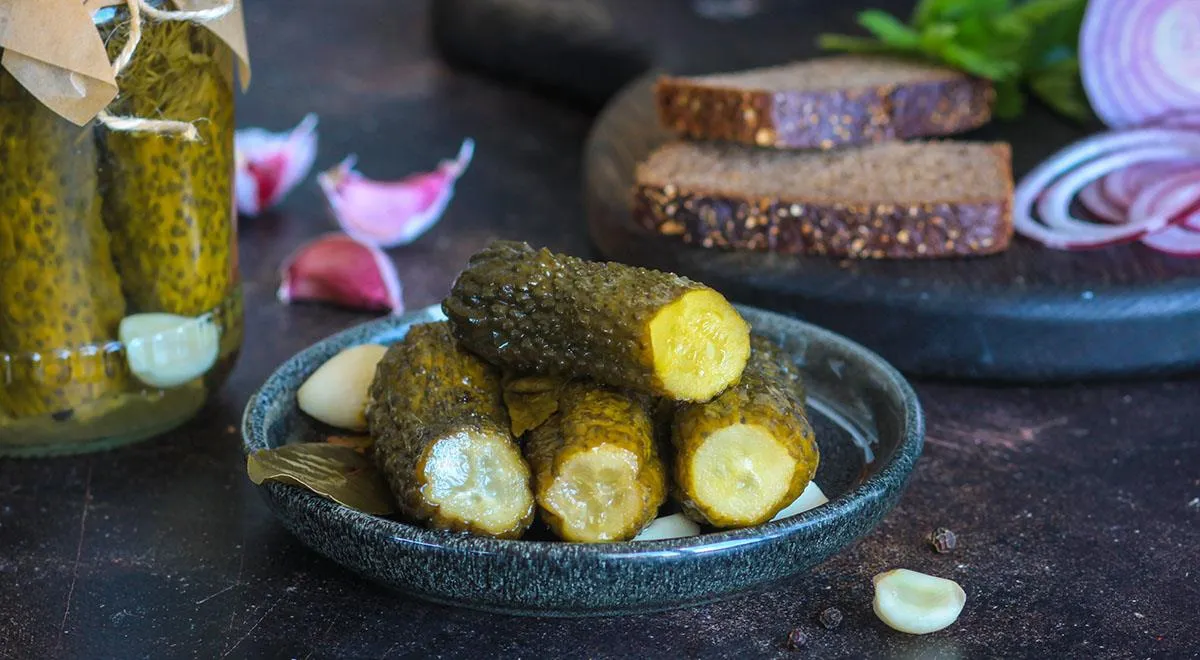
There is something profoundly satisfying about opening a jar of homemade pickles in the depths of winter—the sharp snap of a perfectly crisp cucumber, the tangy embrace of vinegar and spices, and the memory of summer gardens preserved in glass. This classic Russian recipe for marinated crispy cucumbers delivers exactly that: a bright, crunchy pickle that stands up to hearty winter meals. The secret lies in a balance of sweet, sour, and savory elements, plus a precise sterilization process that locks in texture. Whether you are a seasoned preserver or a curious newcomer, this recipe will become a staple in your pantry.
About This Recipe
Russian pickling traditions date back centuries, with each family guarding its own blend of herbs and spices. This version from Gastronom emphasizes maximum crunchiness—achieved through a cold soak, careful packing, and a brief sterilization bath. The use of apple cider vinegar (6% acidity) lends a mellow fruitiness that complements the garlic and currant leaves, while a touch of sugar rounds out the brine. The result is a pickle that is neither too sweet nor too sharp, perfect alongside cold cuts, stews, or simply as a snack with rye bread.

Ingredients
- 2 kg fresh cucumbers (small, firm pickling variety)
- 5 cloves garlic
- 6 black peppercorns
- 5 cloves
- 5 blackcurrant leaves (fresh or dried)
- 2 bay leaves
- 1.5 L water
- 6 tbsp apple cider vinegar (6%)
- 6 tbsp granulated sugar
- 3 tbsp salt (non-iodized)
Note: For the best crunch, choose cucumbers that are no longer than 10 cm, with few seeds and a dark green color. Soaking them in cold water for at least an hour before pickling helps maintain crispness. If you prefer a more complex spice profile, consider adding a small piece of horseradish root or a sprig of dill—both are classic additions. For equipment, a food processor can speed up garlic prep, but a sharp knife works just as well.
Step-by-Step Instructions
Step 1: Prepare the Cucumbers
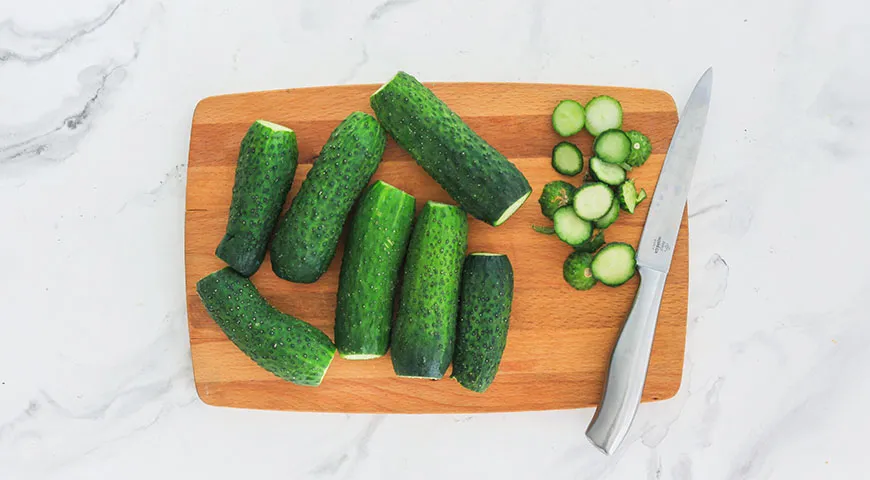
Thoroughly wash the cucumbers under cold running water. For extra crispness, place them in a bowl of ice water for 30 minutes. Drain, pat dry, and trim about 1 cm off both ends of each cucumber. Removing the ends allows the brine to penetrate evenly.
Step 2: Make the Marinade
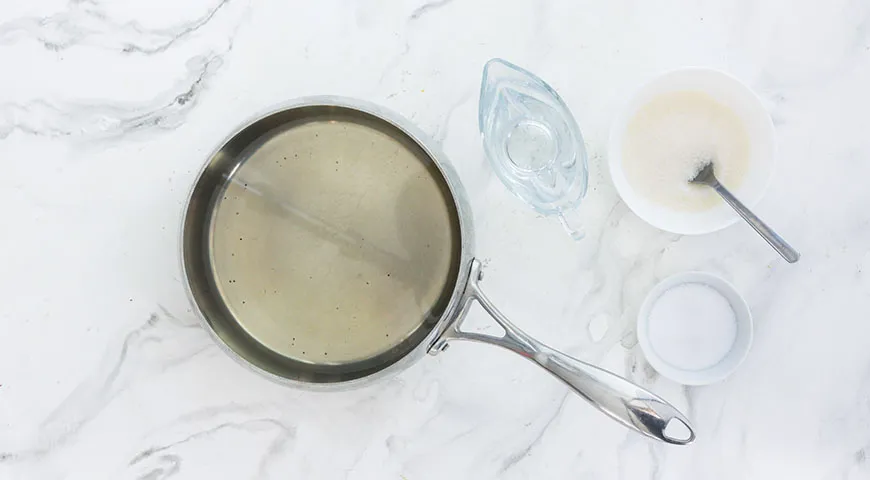
In a large saucepan, combine water, apple cider vinegar, salt, and sugar. Bring to a boil over medium-high heat, stirring until the salt and sugar dissolve completely. Let the marinade boil for 5–7 minutes, then remove from heat and allow it to cool slightly. The vinegar’s acidity not only flavors the pickles but also helps preserve their color. A precise ratio is key—consider using a sprayer if you want to control oil splatters in other recipes, but here a simple stirring spoon is fine.
Step 3: Prepare the Jars
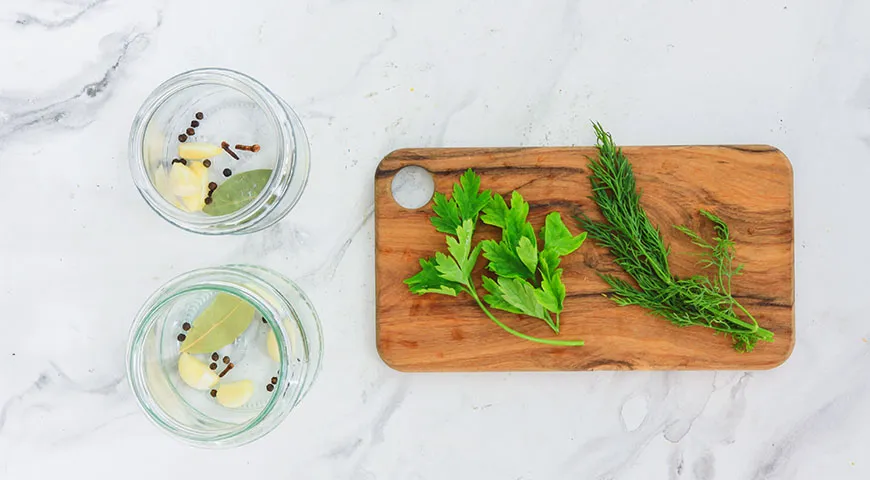
Wash the jars thoroughly with hot water and baking soda, then rinse. Sterilize them by placing them in a 120°C oven for 15 minutes, or by boiling them for 10 minutes. While still hot, add the garlic cloves (peeled and halved if large), black peppercorns, cloves, currant leaves, and bay leaves to the bottom of each jar. For an even more aromatic pickle, you can lightly toast the spices in a dry pan beforehand. A well-stocked pantry includes a planetary mixer for baking, but for canning, simple glass jars are all you need.
Step 4: Fill the Jars with Cucumbers
Pack the cucumbers firmly into the jars, standing them upright and filling any gaps with smaller cucumbers. Press down gently to remove air pockets. Pour the hot (but not boiling) marinade over the cucumbers, leaving about 1 cm headspace at the top. The brine should completely cover the cucumbers; if needed, make a little extra brine using the same ratio. For a neat presentation, arrange cucumbers in alternating layers (tips up and down). This is also a good time to check that your refrigerant leak detector isn’t needed in the kitchen—your focus should be on the jars.
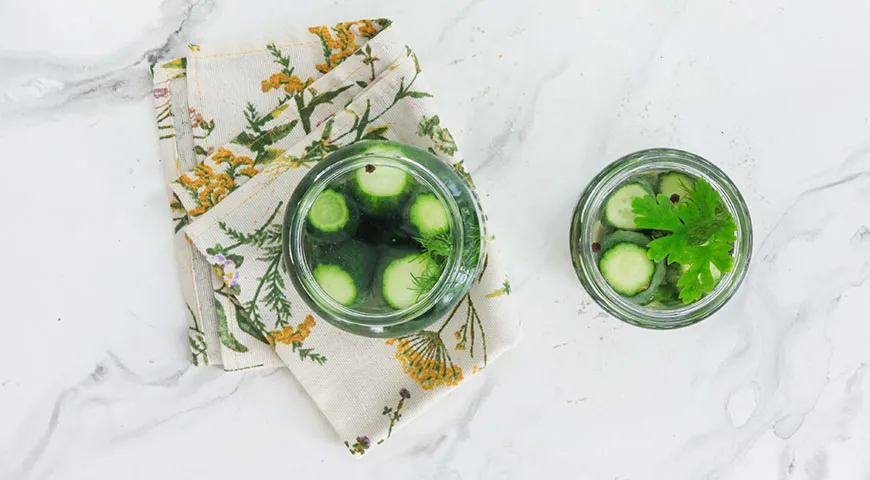
Step 5: Sterilize the Jars
Place the filled jars (without lids) into a large pot lined with a kitchen towel or a canning rack. Add enough hot water to reach the necks of the jars. Bring to a gentle boil over medium heat, then cover the pot and maintain a steady simmer. Sterilize the cucumbers for 15–20 minutes. The cucumbers will change color from bright green to a pale olive shade—that’s your indicator they are ready. Use heat-resistant gloves or tongs to handle hot jars. A reliable microwave pressure cooker can speed up low-acid canning, but this stovetop method is foolproof.
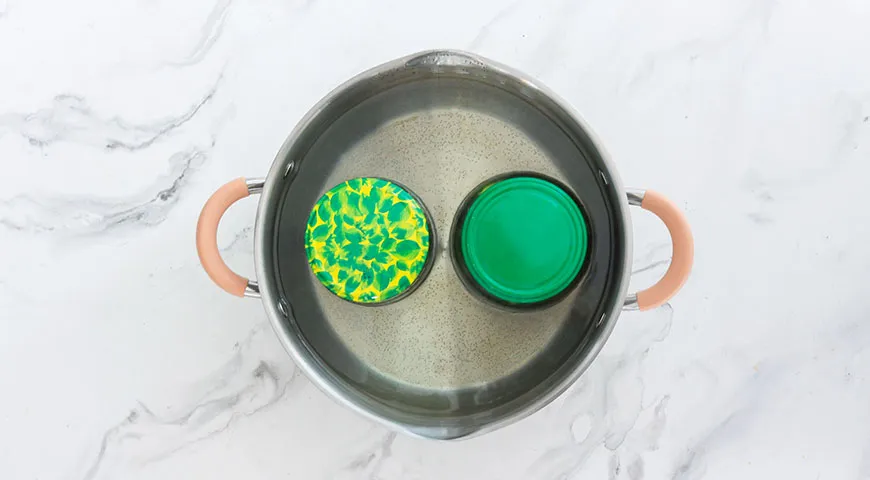
Step 6: Seal and Cool
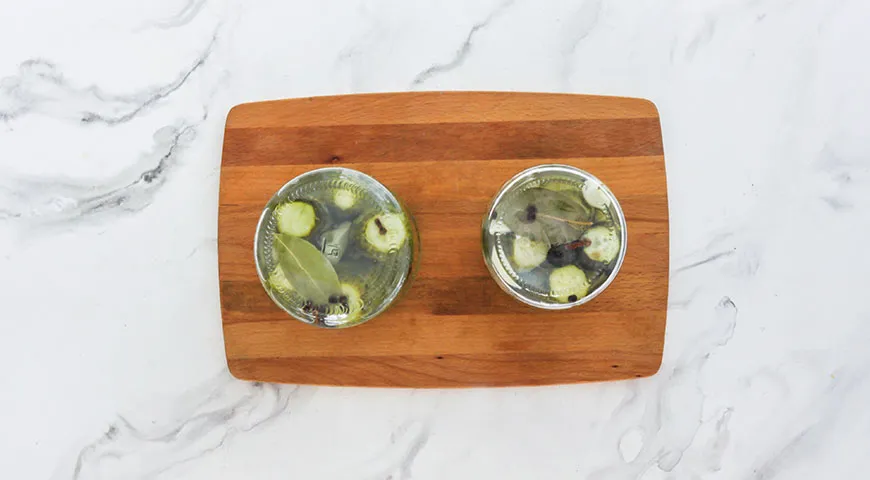
Carefully remove the jars from the water bath using jar lifters. Immediately place sterilized lids on top and screw the rings on firmly but not overly tight. Invert the jars for 10 seconds to create a vacuum seal, then turn them upright. Let them cool completely at room temperature (about 12 hours). You should hear a satisfying “pop” as each lid seals. Once cool, press the center of each lid—if it doesn’t flex, the seal is secure. Store in a cool, dry place away from sunlight. For long-term storage, a 48-inch built-in refrigerator can hold many jars, but a cellar or pantry works too.
Tips for Perfect Crunchy Pickles
- Use the smallest, freshest cucumbers you can find—they have fewer seeds and a denser texture.
- Soak cucumbers in ice water for at least 1 hour before pickling. Some cooks add a few ice cubes to the brine to maintain cold temperatures during filling.
- Add a slice of horseradish root or a grape leaf to each jar—natural tannins help retain crispness.
- Do not over-sterilize: 15–20 minutes at a gentle simmer is enough. Overcooking makes pickles soft.
- Use non-iodized salt (pickling salt or kosher salt). Iodine can cause cloudiness and affect flavor.
- If you live in a humid climate, consider using a steam canner for a gentler sterilization process.
Variations
This recipe is a canvas for creativity. Add a single dried chili pepper for heat, or swap the apple cider vinegar with white wine vinegar for a sharper finish. For a sweeter pickle, increase the sugar to 8 tablespoons. You can also substitute blackcurrant leaves with oak or cherry leaves—they add their own subtle tannins. A sprinkle of dill seeds or a sprig of fresh dill is a classic Russian twist. If you enjoy experimenting with fermentation, try a lacto-fermented version using a sweet wine with high alcohol content isn't needed here, but a glass of dry Riesling pairs wonderfully with these pickles.
FAQ
Why are my pickles soft?
Soft pickles usually result from over-sterilization, using old cucumbers, or skipping the cold soak. Ensure your cucumbers are very fresh and follow the timing closely. Adding a source of tannin (like a grape leaf) can help. If your air fryer is non-toxic and you're frying other foods, don't confuse the processes—pickling requires moisture, not hot air.
Can I reduce the amount of sugar?
Yes, you can cut the sugar to 4 tablespoons without compromising preservation, though the balance of flavors will shift. Sugar contributes to the taste and helps maintain color. For a sugar-free version, use a natural sweetener like erythritol, but be aware it may affect the brine’s texture. A high-quality organic vodka might be a surprising companion to pickles, but it's best left for cocktails.
How long do these pickles keep?
When properly sealed and stored in a cool, dark place, these pickles last up to 12 months. Once opened, refrigerate and consume within 2 weeks. Always check for signs of spoilage like gas bubbles, off odors, or mold. For peace of mind, use a undercounter ice maker to keep ice on hand for serving drinks alongside your pickles.
Do I have to sterilize the jars in a water bath?
Yes, for safe long-term storage at room temperature, water bath sterilization is essential. It kills harmful bacteria and creates a vacuum seal. You can also process in a pressure canner, but this recipe’s acidity level makes water bath acceptable. If you want to skip sterilization entirely, store the pickles in the refrigerator and eat within 2 months. A wall oven microwave combo won't help here, but a dedicated canning pot is ideal.
Can I use regular table vinegar instead of apple cider vinegar?
Yes, but adjust the acidity. If using white distilled vinegar at 5% acidity, use the same amount. Avoid vinegar above 7% as it may taste too sharp. Apple cider vinegar adds a mild fruitiness that is especially pleasant in Russian-style pickles. For a different twist, try champagne vinegar. You can also blend vinegars. When taste-testing, a best lava flavors recipe might seem unrelated, but pickle brines are equally about balancing flavor profiles.
Conclusion
These crispy pickled cucumbers are more than a preserve—they are a taste of Russian hospitality. Serve them alongside pelmeni, use them to garnish a Bloody Mary, or simply enjoy them straight from the jar. The process is deeply rewarding, and the result is a pantry treasure that will brighten even the grayest winter day. For more canning inspiration, explore our collection of Catalan sponge cake and other recipes that celebrate tradition with a modern twist. Happy pickling!







