



Shchi is the soul of Russian cuisine—a hearty, tangy soup that warms the spirit and fills the belly. This version, made with fermented sauerkraut and succulent beef stew (known as tushyonka), embodies rustic comfort. The slow simmering of earthy vegetables, pungent garlic, and aromatic herbs creates a deeply savory broth that improves with each passing minute. Perfect for cold days or when you crave a nourishing one-pot meal, this recipe is a testament to the beauty of simple, robust ingredients.
About This Classic Russian Soup
Shchi has been a staple for centuries, traditionally prepared with cabbage—fresh or fermented—and often enriched with meat. Using sauerkraut adds a distinctive lactic tang that balances the richness of the beef stew. The key to authentic shchi lies in the technique: gently sweating the vegetables, then long, slow cooking to meld flavors. This recipe follows the traditional method but streamlines it with readily available tushyonka, a canned beef stew beloved in Eastern Europe. For an even faster preparation, consider using a microwave pressure cooker to tenderize the roots in record time. The result is a soup that’s both humble and extraordinarily satisfying—perfect for family dinners or meal prepping.

Ingredients
- Sauerkraut – 1 kg (about 4 cups, drained weight)
- Carrots – 200 g (2 medium)
- Onions – 300 g (2 large)
- Potatoes – 300 g (3 medium)
- Vegetable oil – 2 tablespoons
- Water – 2.5 liters
- Tomato paste – 2 tablespoons
- Bay leaves – 2
- Black peppercorns – 4
- Beef stew (tushyonka) – 500 g (one large can)
- Garlic cloves – 2
- Fresh parsley – 2 sprigs
- Salt and freshly ground black pepper – to taste
Step-by-Step Instructions
Step 1: Soak the Sauerkraut
Place the sauerkraut in a large bowl and cover with cold water. Let it sit at room temperature for 30 minutes. This helps reduce excess salt and softens the kraut without stripping its flavor.

Step 2: Prepare the Vegetables
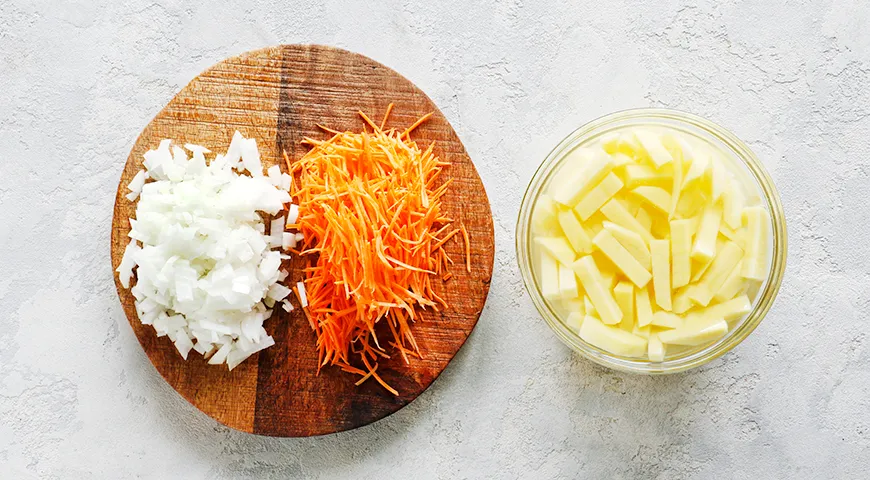
Wash, peel and cut the carrots into thin julienne strips or grate them on a box grater. Peel and finely dice the onion. Peel the potatoes, cut them into 2 cm cubes, and cover with cold water to prevent browning. A glass food processor makes quick work of shredding carrots and chopping onions, ensuring even cooking.
Step 3: Sauté the Aromatics
Heat oil in a heavy-based pot over medium heat. Add the onion and carrot and sauté for 7 minutes, stirring occasionally, until softened and lightly golden. Drain the soaked sauerkraut, squeezing out excess liquid, and add to the pot. Stir in the tomato paste and 150 ml of water. Reduce heat to low, cover, and let the mixture stew for 15 minutes.

Step 4: Add the Broth
Pour the remaining 2.35 liters of water into the pot and bring to a boil. Cook uncovered for 15 minutes over medium heat. Then add salt to taste, bay leaves, and peppercorns. Continue boiling for another 5 minutes. For a deeper flavor, you can substitute part of the water with beef broth—check our guide on best store‑bought au jus for inspiration.

Step 5: Add Potatoes and Beef
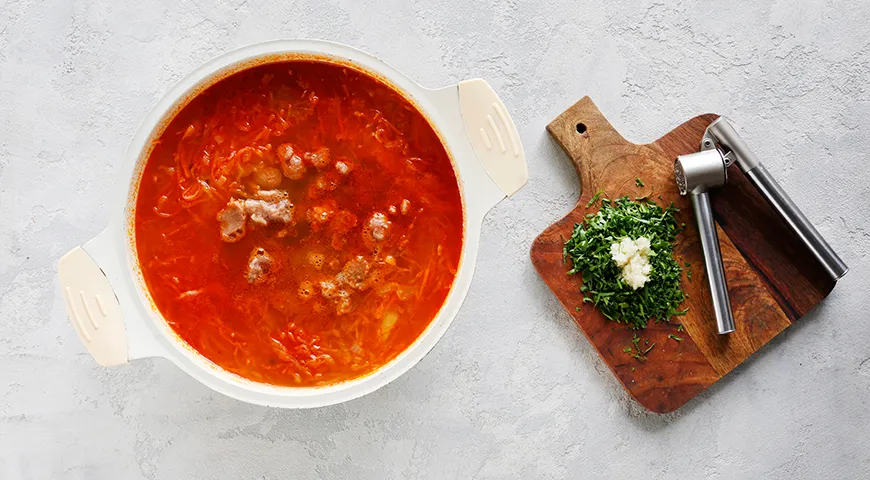
Drop the potato cubes into the soup and cook for 10 minutes until tender. Break the canned beef stew into chunks and stir gently into the pot. Peel and press the garlic cloves, then rinse and chop the parsley. Add both to the soup, along with more salt and pepper if needed.
Step 6: Rest and Serve
Simmer for another 5 minutes, then turn off the heat. Cover the pot and let the soup rest on the warm stove for at least 15 minutes. This step allows flavors to meld beautifully. Ladle into bowls and serve with a dollop of sour cream or a slice of dark rye bread.

Tips for Perfect Shchi
- Balance the tang: If your sauerkraut is very sour, rinse it lightly after soaking. For extra tang, add a splash of sauerkraut brine.
- Uniform cuts: Cut potatoes and carrots into similar-sized pieces to ensure even cooking. A food processor for nut butter can also handle vegetable prep with precision.
- Browning the tomato paste: Stir the tomato paste into the oil for a minute before adding water—this deepens the umami character. An oil sprayer helps coat the pan evenly.
- Use quality canned beef: Not all tushyonka is equal; look for brands with high meat content and natural juices. For more on canned products, see best chocolate‑covered raisins (a sweet contrast).
- Resting is essential: Never skip the final 15‑minute rest. It allows the starch from potatoes to slightly thicken the soup.
Variations to Explore
While this recipe is a classic, you can adapt it in several ways. For a vegetarian version, omit the beef and add extra mushrooms or smoked tofu. For a more robust broth, sear pieces of fresh beef shank before simmering. If you own a non‑toxic air fryer, you can crisp up chopped bacon as a garnish. Some families add a tablespoon of sour cream at the end for creaminess. For a modern twist, serve the shchi with crispy croutons made in a wall oven microwave combo with air fryer. Pair the soup with a glass of sweet wine with high alcohol content to complement the tangy broth.
Frequently Asked Questions
Can I make shchi in advance?
Absolutely! In fact, shchi tastes even better the next day as the flavors meld. Store it in a 48‑inch built‑in refrigerator or any airtight container for up to five days. Reheat gently on the stovetop, adding a splash of water if needed.
Do I need to soak the sauerkraut?
Soaking for 30 minutes reduces excess salt and mellows the sharpness. If you prefer a very tangy soup, skip this step or soak for only 10 minutes.
Can I use fresh cabbage instead?
Yes, but the flavor profile will be different. Substitute 1 kg of shredded green cabbage and add 2 tablespoons of vinegar or lemon juice to mimic the acidity. A planetary mixer with a shredding attachment makes quick work of fresh cabbage.
What cut of beef works best for homemade tushyonka?
Brisket, chuck, or round cuts are ideal. They become meltingly tender after long braising. For a guide to premium meat stocks, see best commercial countertop convection oven for braising techniques.
How can I thicken the soup naturally?
Mash a few potato cubes into the broth before adding the beef. Or stir in a tablespoon of flour sautéed in butter. For a gluten‑free option, use a non‑toxic immersion blender to blend a portion of the soup.
What are the best accompaniments?
Dark rye bread, a dollop of sour cream, and fresh dill are traditional. For a special meal, start with a light appetizer like Catalan sponge cake as a bread substitute. Finish with a sip of organic vodka chilled.
Can I freeze shchi?
Yes, without the potatoes—they become mealy. Freeze the base for up to three months in a undercounter ice maker machine tray or container. Thaw, reheat, and add fresh potatoes.
For more comforting Russian recipes, explore our collection of soup and stew ideas. This shchi, with its deep sour‑savory balance and tender beef, is sure to become a household favorite. Serve it proudly, perhaps with a side of coffee for Airbnb guests to add a cozy touch.







