


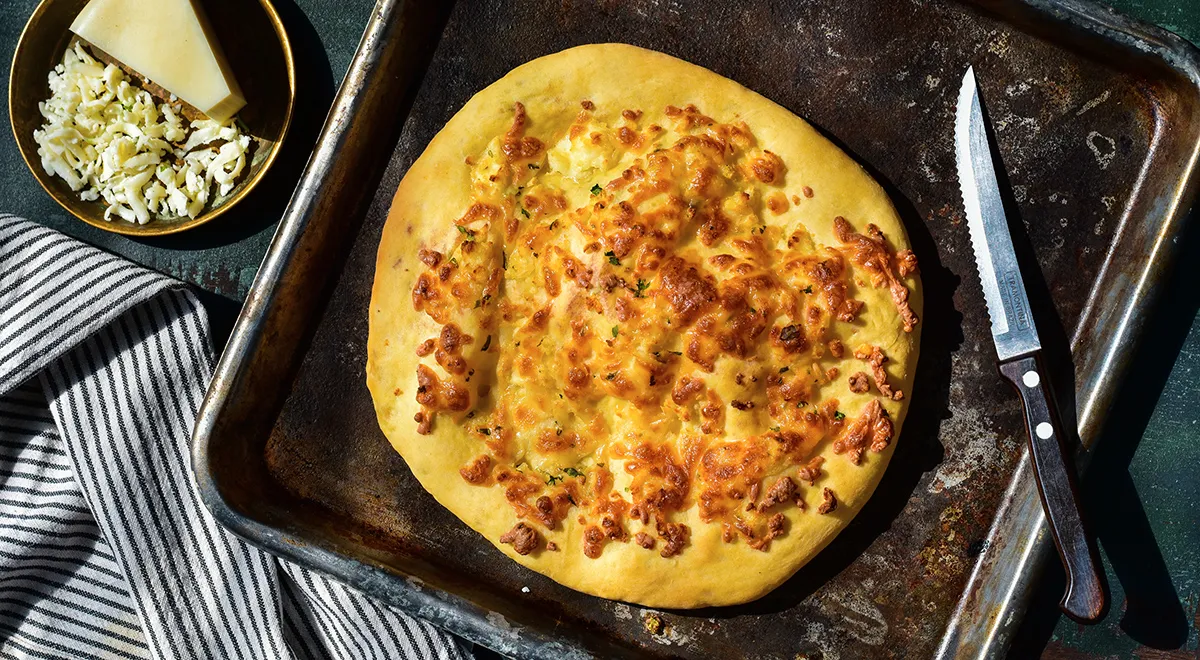
There is a bread that breathes the spirit of the Caucasus—its crust crackles like mountain streams, its interior pulls apart in long, elastic strands of molten cheese. This is khachapuri Megrelian style, a proud pillar of Georgian cuisine. Unlike its boat-shaped Adjarian cousin, this version is a closed, round pie generously studded with cheese both inside and atop the dough, resulting in a dramatic interplay of textures: a crisp, burnished shell giving way to a lush, savory custard-like filling. For centuries, shepherds in the highlands of Mingrelia carried these pies on long journeys—a portable feast that sustained the soul as much as the body. To master it is to grasp the essence of Georgian hospitality; a dish where the ratio of filling to dough tips decisively in favor of cheese. And to make it at home, you need nothing more than patience, good ingredients, and a few reliable kitchen companions, such as a best planetary mixer for the dough or a non-toxic air fryer for a quicker bake.
About Megrelian Khachapuri
In the western Georgian province of Samegrelo, food is robust and unapologetic. Khachapuri here differs from its Imeretian relative: the dough is thinner, the crust more pronounced, and the cheese is not only hidden inside but scattered on the surface like a golden treasure. The name comes from the Mingrelian people, an ethnic subgroup known for their love of sulguni and imeruli cheeses. Historically, these pies were baked in clay ovens called tone, but modern home cooks replicate that magic in standard ovens. The key? High heat and a generous hand with butter. One bite, and you understand why Georgians say ”Khachapuri is the answer — now what was the question?” For those seeking to recreate the perfect crust, consider using a commercial countertop convection oven for even browning.

Ingredients
- 400 g sulguni cheese
- 200 g Imeretian cheese (or substitute with mozzarella + feta blend)
- 500 g all-purpose flour, plus extra for dusting
- 100 ml matsoni (Georgian yogurt; or plain full-fat yogurt)
- 150 ml warm water
- 1 medium egg
- 50 g unsalted butter, melted
- 8 g sugar
- 5 g salt
- 7 g active dry yeast
- Fresh cilantro or parsley, chopped (optional, but traditional)
Optional tools: A reliable glass food processor for grating cheese quickly, or a wheatgrass juicer if you want to experiment with green variations (though not traditional).
Step-by-Step Instructions
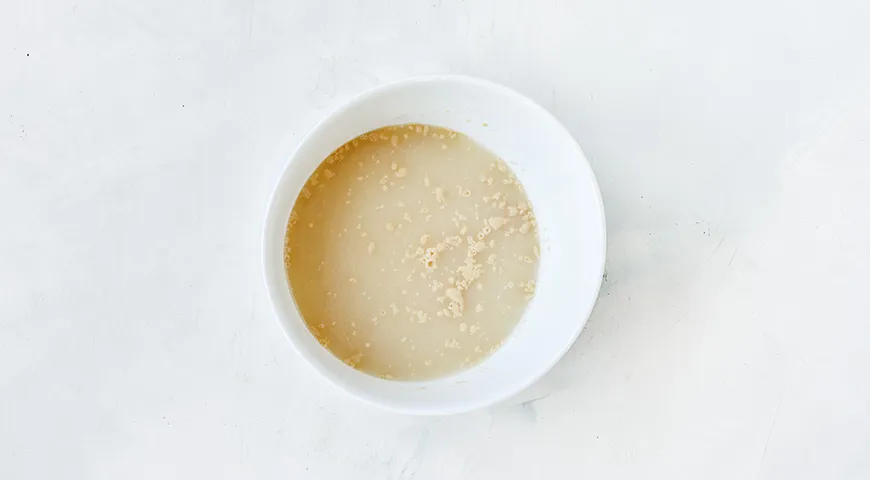
1. Prepare the Sponge
In a small bowl, combine the warm water (about 40°C), yeast, and sugar. Stir gently, then cover with a tea towel and let it stand in a warm place for 20–30 minutes. The mixture should become frothy and double in volume—a sign the yeast is alive and ready.
2. Mix Dry Ingredients
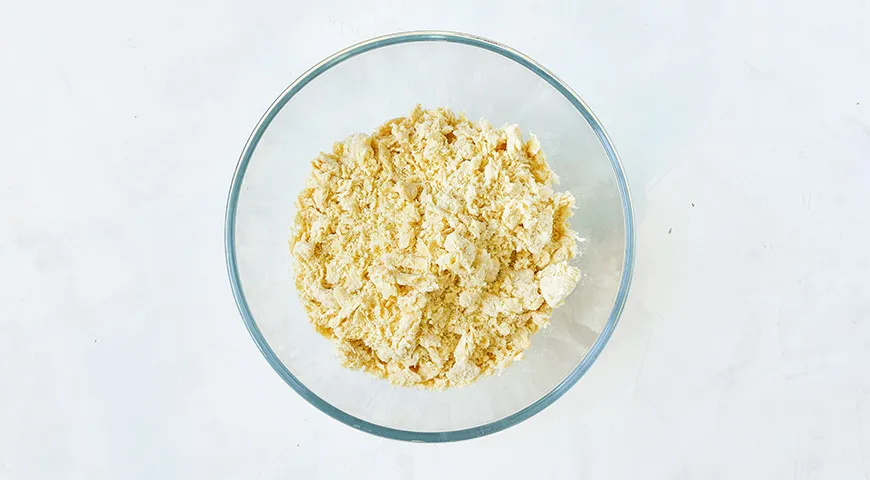
In a large mixing bowl, sift the flour and salt. Add the egg, matsoni, and melted butter. Using a wooden spoon or the dough hook of a best planetary mixer, stir until a shaggy dough forms.
3. Combine and Knead
Pour the activated sponge into the flour mixture and begin kneading on a lightly floured surface. Use your hands or the mixer on low speed for about 10 minutes. The dough should be soft, supple, and no longer sticky—think baby's bottom. If it clings, dust with a little extra flour.
4. First Rise
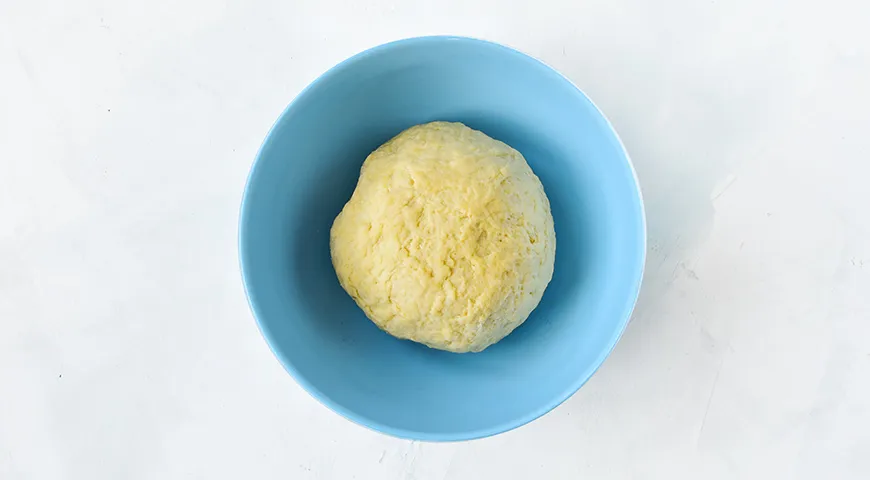
Shape the dough into a smooth ball. Lightly oil the bowl with vegetable oil, place the dough inside, cover with a damp towel, and let it rise in a warm spot for about 2 hours, until doubled in size.
5. Prepare the Cheese Filling
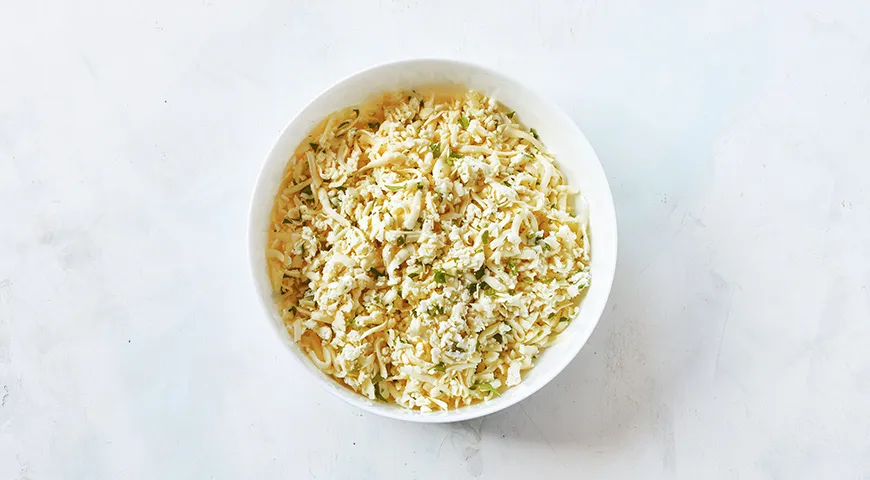
Meanwhile, grate the sulguni and Imeretian cheese on the large holes of a box grater. If using fresh herbs, rinse and chop them finely, then mix into the cheese. (A food processor for nut butter can also handle cheese grating—just use the grating disc.) Set aside about one-third of the cheese for the topping.
6. Shape and Assemble
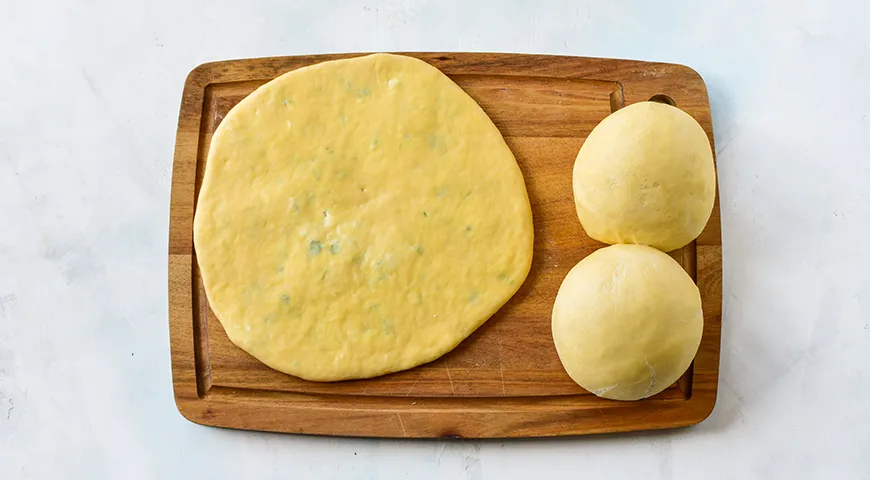
Punch down the risen dough and divide into 4 equal portions. On a lightly floured surface, roll one portion into a disc about 5 mm thick. Place 120 g of cheese filling in the center. Gather the edges up and pinch tightly to seal, forming a pouch. Flip it seam-side down and use a toothpick to prick a few holes for steam venting. Then roll it out again to a flat circle, about 1.5 cm thick. Repeat with the remaining portions.
7. Bake to Golden Perfection
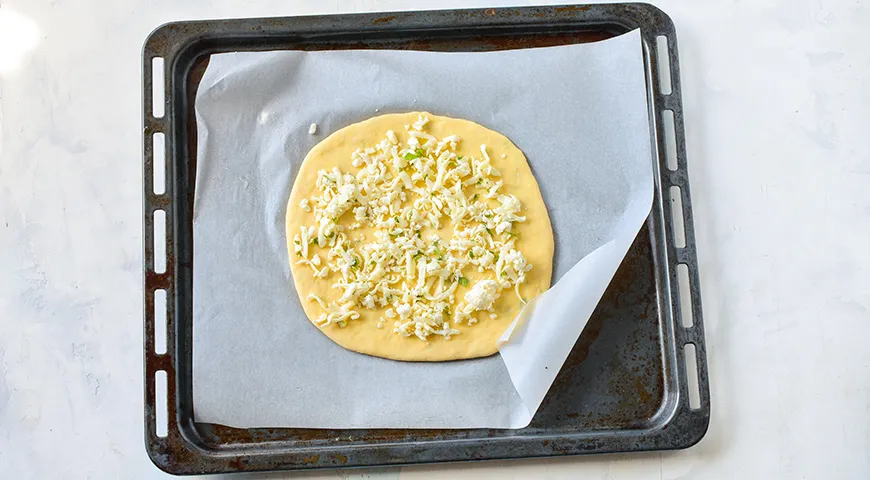
Preheat the oven to 180°C (350°F). Line a baking sheet with parchment paper and lightly oil it. Transfer the round pies onto the sheet, spacing them evenly. Sprinkle the reserved grated cheese generously over the top of each. Bake for about 20 minutes, or until the crust is deep golden brown and the cheese on top is bubbling with spots of caramelization. Serve immediately—these pies wait for no one.
Tips for the Perfect Khachapuri
- Cheese matters: Authentic sulguni has a salty, elastic quality. If unavailable, combine mild mozzarella with crumbled feta or halloumi. Avoid pre-shredded cheese—it often contains anti-caking agents that hinder melting.
- Don't skimp on the rise: A long fermentation develops flavor and produces a lighter, airier dough. If you're short on time, use a microwave pressure cooker to create a warm proofing environment.
- Ventilation: The toothpick pricks prevent the pie from ballooning like a pita. If you forget, your khachapuri may erupt—still delicious, but less photogenic.
- Butter finish: Brush the baked pies with melted butter for a glossy, deeply flavorful crust.
Variations
- Catalan sponge? Not here. For a twist, add sautéed spinach or wild greens to the cheese filling—popular in western Georgia.
- Spicy kick: Mix in finely chopped chili pepper or a dash of organic vodka (yes, some Georgians add a splash to the dough for extra crispness).
- Mini bites: Shape into smaller discs for appetizers, baking only 12–15 minutes.
Frequently Asked Questions
What is the difference between Megrelian and Imeretian khachapuri?
Megrelian khachapuri has cheese both inside and outside the dough, creating a crusty, cheesy surface. Imeretian style encloses the cheese entirely, resulting in a softer, more uniform pie. Both are delicious, but Megrelian offers that irresistible browned cheese crunch.
Can I use store-bought puff pastry?
Traditionalists would say araki ar—absolutely not. The yeast dough is essential for the correct texture. However, in a pinch, you could use laminated dough like puff, but the result will be more like a cheese turnover than authentic khachapuri. For a cheat, try a non-toxic air fryer which can bake small yeast pies quickly.
What if I can’t find matsoni?
You can substitute plain full-fat Greek yogurt thinned with a little milk, or use kefir. The acidity helps tenderize the dough and adds complexity.
How do I store leftover khachapuri?
Reheat in a 180°C oven for 5 minutes to restore crispness. Microwaving will turn the crust rubbery. For best results, use a air fryer (non-toxic models work wonderfully) at 160°C for 3 minutes.
Can I freeze unbaked khachapuri?
Yes. Assemble the pies but do not add the top cheese. Place on a baking sheet and freeze until solid, then wrap tightly. Bake from frozen, adding 5–7 minutes, and sprinkle cheese halfway through.
Which wine pairs best with Megrelian khachapuri?
Georgian amber wines (qvevri-fermented) like Rkatsiteli or Mtsvane are classic. For a non-Georgian option, look for a sweet wine with high alcohol content like a late-harvest Riesling to contrast the salty cheese.
Why is my dough tough?
Over-kneading or too much flour. Use a planetary mixer with a dough hook on low speed, and stop as soon as the dough becomes smooth and elastic. Also, ensure your water temperature is not too hot—it can kill the yeast and toughen the gluten.
Conclusion
Classic Megrelian khachapuri is more than a recipe—it's a living tradition. With its crackling crust, molten heart, and the unmistakable scent of butter and toasted cheese, it brings the warmth of a Georgian hearth into any kitchen. Whether you bake it in a wall oven microwave combo with air fryer or a humble electric oven, the result is a pie that demands to be torn, shared, and savored. Invite friends, pour a glass of something bold, and let the khachapuri speak for itself—in the language of golden, gooey perfection.







