


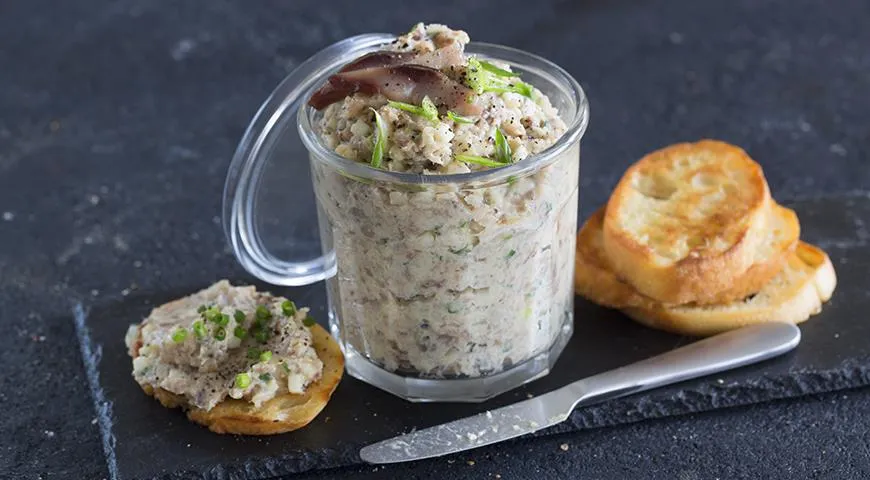
In the pantheon of Eastern European appetizers, few dishes carry the quiet dignity and complex flavor of forshmak. This classic herring spread, beloved across Ashkenazi cuisine, transforms humble ingredients into something utterly elegant. Originating from the Jewish communities of the Pale of Settlement and later adopted by Russian and Polish kitchens, forshmak is a masterclass in balance: briny, buttery, tangy, and slightly sweet. Traditionally served on dark bread or crispbread, it is the kind of dish that elevates any gathering, from a festive zakuski table to a simple winter supper. In this comprehensive guide, we will explore everything you need to create the perfect classic forshmak, from selecting the finest herring to serving it with style.
About This Classic Forshmak Recipe
This recipe adheres to the most cherished version of forshmak, often called "forchmak" in Yiddish, which means "prepared before" – a fitting name for a dish that improves with time. The combination of salted herring, softened butter, soaked bread, and fresh green apple creates a mousse-like texture that is both rich and refreshing. Unlike many modern interpretations that rely on food processors to blitz everything into a paste, we recommend a traditional hand-chopped approach that preserves a delightful rustic texture. The secret lies in the careful preparation: removing every tiny bone from the herring, soaking the bread until it melts into the mixture, and allowing the flavors to meld overnight in the refrigerator. This forshmak is not just an appetizer; it is a conversation starter, a link to centuries of culinary heritage.

Ingredients for the Perfect Herring Forshmak
- 2 whole salted herrings (or 400–500 g skinless, boneless herring fillet)
- 1 small yellow onion
- 1 small green apple (such as Granny Smith)
- 4 spring onions (green part only)
- 50 g unsalted butter, softened
- 1–2 teaspoons Dijon or whole-grain mustard
- 1 teaspoon white wine vinegar
- Salt, to taste
- Freshly ground black pepper
- Crispbread, toasted baguette slices, or boiled potatoes for serving
For best results, use a non-toxic air fryer to make your own crisp croutons if desired, but store-bought crispbread works beautifully.
Step-by-Step: How to Make Classic Forshmak
- Prepare the bread and butter. Soak a thick slice (about 50 g) of stale white bread in cold water for 5 minutes. Meanwhile, leave the butter at room temperature to soften. Once the bread is soft, squeeze out excess water thoroughly.
- Clean and chop the herring. If using whole herrings, fillet them, removing all tiny bones with tweezers. Place the fillets on a cutting board and using a heavy chef’s knife, chop the fish into a coarse paste – not too fine, you want some texture. Transfer to a mixing bowl and combine with the softened butter and squeezed bread. This step is traditionally done by hand, but if you prefer a smoother consistency, a planetary mixer on low speed can work.
- Prepare the onions and apple. Dice the yellow onion as finely as possible. Rinse the diced onion under ice‑cold water and pat dry – this removes harsh bite. Slice the spring onions thinly. Peel the apple, cut into small cubes (4–5 mm), and toss immediately with the vinegar to prevent browning.
- Combine the mixture. Add the prepared onion, spring onion, and apple to the herring mixture. Stir in the mustard, a pinch of salt, and several grinds of black pepper. Taste and adjust seasoning – the herring may already be salty, so go easy on the salt.
- Chill and rest. Cover the bowl and refrigerate for at least 2 hours, preferably overnight. This resting phase is crucial for the flavors to marry and the spread to achieve the perfect consistency. Before serving, bring it to slightly cool room temperature – not cold from the fridge.
- Serve. Spoon the forshmak onto crispbread, toasted baguette rounds, or alongside boiled potatoes. A final garnish of fresh dill or a few slices of hard-boiled egg adds elegance. For an even more refined presentation, consider using an espresso machine to brew a bold coffee that complements the richness of the herring.
Tips for a Flawless Forshmak
- Choose the right herring: Look for matjes or salted herring from a reputable source. Avoid heavily vinegared pickled herring – the flavor will be off.
- The apple makes a difference: Green apples add acidity and crunch. If unavailable, a firm pear can be a surprising substitute.
- Luxury variation: For a more decadent spread, fold in a tablespoon of full-fat sour cream or crème fraîche before chilling.
- Make ahead: Forshmak tastes better after a day in the fridge. It will keep for up to 4 days in an airtight container.
- Bone removal: Invest in a good pair of tweezers for pin‑bones. Alternatively, use a wheatgrass juicer? No – stick with manual deboning; it's the only reliable method.
Variations Around the World
While this recipe remains true to the Ashkenazi original, forshmak has inspired many regional interpretations. In Latvia, cooks sometimes add a boiled egg for extra creaminess. Swedish sillsallad incorporates beetroot and pickled herring. Modern chefs have turned forshmak into a dip with cream cheese or even a topping for blinis. For those who love experimenting, try substituting half the herring with smoked mackerel for a deeper, more assertive flavor. And if you are hosting a brunch, serve it alongside an microwave pressure cooker for perfectly steamed vegetables as a counterpoint.
Frequently Asked Questions
Can I make forshmak without bread?
Yes, you can omit the bread for a gluten‑free version, though the texture will be less creamy. Add a little extra butter or a peeled boiled potato to maintain the body.
Why does my forshmak taste too salty?
Salted herring varies in intensity. If your forshmak is overly briny, soak the fillets in cold milk or water for 30 minutes before using. The apple and butter also help balance saltiness.
How long does homemade forshmak last?
Stored in a sealed container in the refrigerator, forshmak keeps well for 3–4 days. Freezing is not recommended as the texture becomes watery upon thawing.
Can I use a food processor instead of chopping by hand?
Absolutely, but pulse gently – you want a coarse paste, not a puree. A glass food processor bowl is ideal because it doesn’t absorb odors.
What do I serve with forshmak besides bread?
Classic accompaniments include boiled potatoes, rye crackers, black bread, pickled cucumbers, and even hard‑boiled eggs. For a more elaborate spread, add steamed beets or a countertop ice maker to chill vodka – a perfect pairing.
Is forshmak healthy?
Herring is rich in omega‑3 fatty acids and vitamin D, and this recipe uses minimal added fat. The main nutritional considerations are sodium (from the herring) and moderate butter. It can be part of a balanced diet when enjoyed in moderation.
Closing Thoughts
Classic forshmak is more than just a spread – it is a culinary tradition that bridges generations and cultures. Whether you serve it for a festive holiday table or a casual weekday snack, its humble elegance never fails to impress. Take your time with the preparation, respect the ingredients, and let the flavors meld. And if you are looking to expand your kitchen toolkit, explore our selection of steam canners for preserving your own herring, or a high‑quality oil sprayer for perfectly toasting bread. Happy cooking!







