


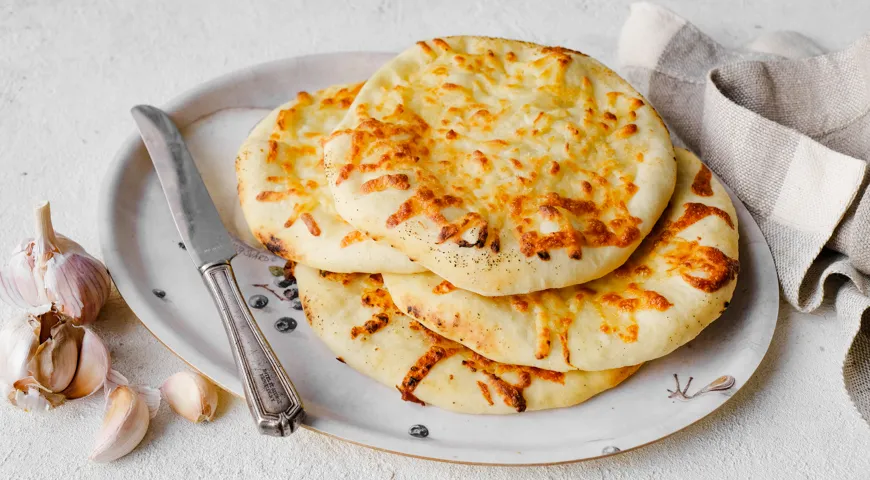
There is something deeply satisfying about a warm, cheesy flatbread fresh from the oven—crisp on the outside, tender within, with pockets of melted cheese and a subtle whisper of garlic. This Russian-inspired recipe for cheese flatbreads on water dough (lepyoshki s syrom na vode) achieves that perfect balance with a surprisingly simple ingredient list. The dough relies on water rather than milk, yielding a lighter, more digestible crumb that lets the cheese and butter shine. Whether served as a snack, a side to hearty soups, or as a quick bread for dipping, these flatbreads are a testament to the beauty of humble cooking. For those who adore artisan bread-making without the fuss, this recipe is a gateway to homemade perfection. If you enjoy experimenting with doughs, you might also appreciate our guide to the best Catalan sponge cake for a sweet counterpart.
About This Recipe
Water-based doughs have a long tradition in Eastern European baking, prized for their clean flavour and ability to absorb rich toppings without greasiness. Here, the combination of yeast, warm water, and a touch of sugar creates a gentle sponge that aerates the dough naturally. Unlike richer milk or yogurt doughs, this version stays delicate and folds beautifully under a blanket of grated hard cheese and garlic powder. The result is a flatbread with a golden, buttery crust and a soft, pull‑apart interior. The technique is forgiving—perfect for weeknight cravings or weekend baking projects. For kitchen efficiency, a reliable best planetary mixer can handle the mixing, but hand‑kneading is equally rewarding.

Ingredients
- 300 g all‑purpose flour
- 160 ml warm water (about 35–40 °C)
- 100 g hard cheese (e.g., Gouda, Cheddar, or Russian-style cheese)
- 60 g unsalted butter
- 50 g garlic powder (adjust to taste)
- 60 ml vegetable oil (for greasing)
- 15 g granulated sugar
- 5 g fine salt
High‑quality hard cheese is essential—look for one with good melting properties. A microplane or box grater works best; a best glass food processor can also grate cheese quickly if you prefer an electric option.
Step‑by‑Step Instructions
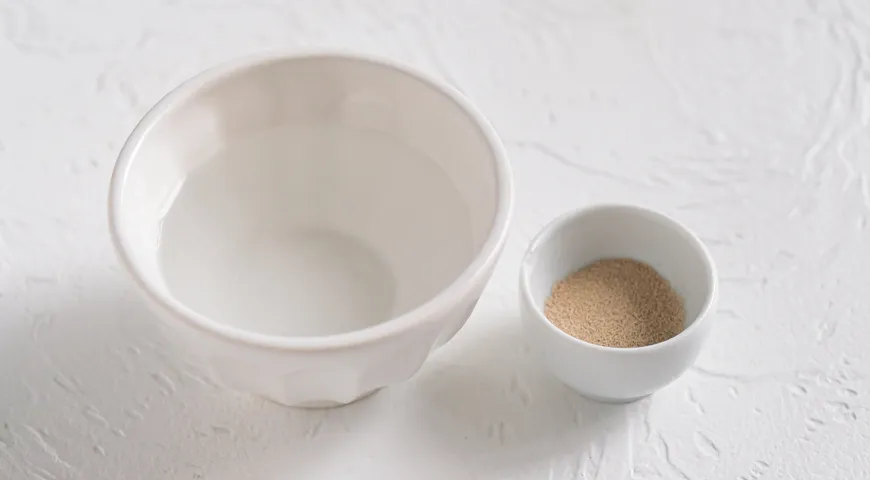
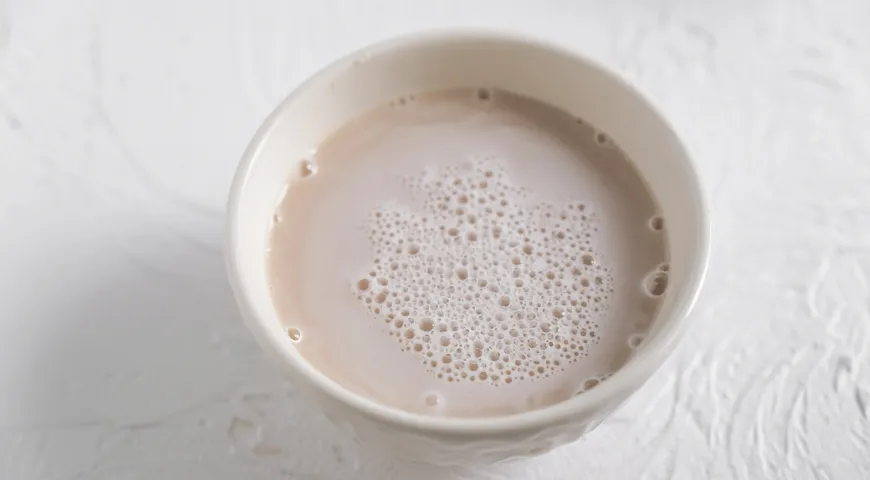
Step 1: Activate the yeast. In a deep bowl, combine the yeast (from the flour amount—note that yeast is not listed separately? Actually the recipe doesn't specify yeast quantity; assume 5–7 g active dry yeast) with a small amount of the warm water. Stir gently, then cover with a clean kitchen towel. Let the mixture stand in a warm place for 5–10 minutes until it becomes frothy. This sponge activates the yeast and ensures a light texture. Meanwhile, you can set up your workspace with a best oil sprayer for greasing later.
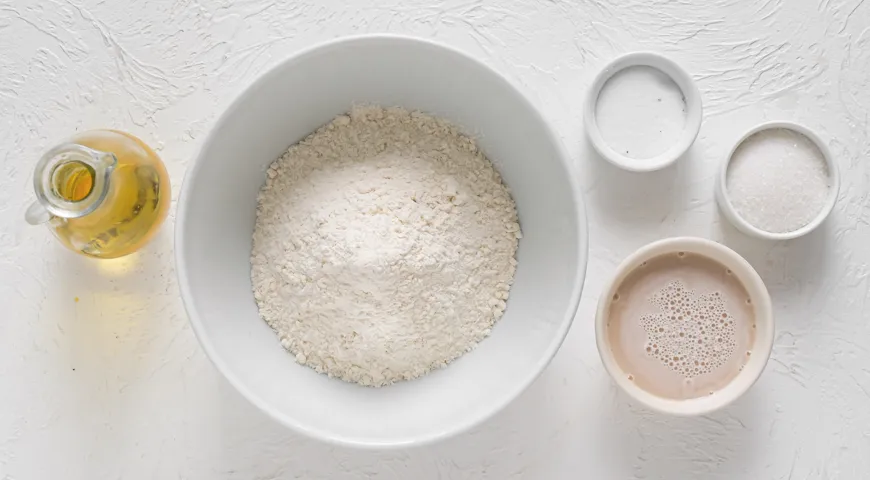
Step 2: Mix the dough. In a large mixing bowl, whisk together the sifted flour, salt, and sugar. Pour in the activated yeast mixture, the remaining warm water, and the vegetable oil. Stir with a wooden spoon or dough hook attachment until a shaggy mass forms. Turn out onto a lightly floured surface and knead for 8–10 minutes until smooth and elastic. The dough should feel supple but not sticky. Place it back in the bowl, cover with plastic wrap, and let rise in a warm place for 35 minutes, or until doubled in volume. For effortless mixing, a best food processor for nut butter can double as a dough kneader in a pinch.
Step 3: Shape the flatbreads. Dust your work surface with a little flour. Gently punch down the risen dough and transfer it to the floured area. Knead briefly to expel air, then divide into 6 equal portions. Using a rolling pin, roll each piece into a disc about 0.5 cm thick. As you work, keep the unrolled pieces covered with a towel to prevent drying. A steady hand and a best non‑toxic immersion blender is not needed here, but its reviews remind us to choose safe kitchen tools for every task.
Step 4: Prepare the baking sheet and assemble. Line a large baking sheet with parchment paper and brush it lightly with vegetable oil using a silicone pastry brush. Arrange the discs on the sheet, leaving at least 2 cm between each to allow for spreading. At this stage, you can cover them with a cloth and let them rest while you prepare the topping. For even baking, consider using a best commercial countertop convection oven for consistent heat distribution.
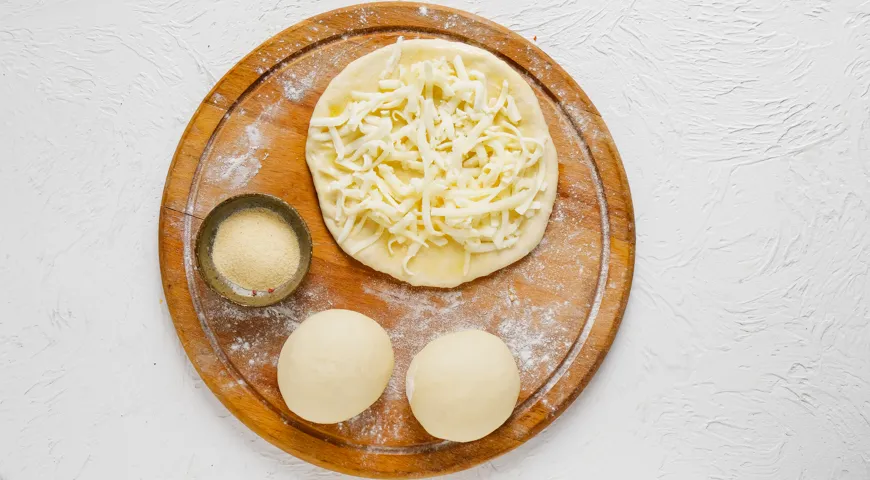
Step 5: Top with butter and cheese. Melt the butter in a small bowl using a hot water bath or a microwave; a best microwave pressure cooker can speed up this step safely. Grate the hard cheese on the large holes of a box grater. Using a pastry brush, coat each flatbread with melted butter, then sprinkle evenly with garlic powder and grated cheese. Let the topped flatbreads rest in a warm spot for 15–20 minutes—this final proof ensures a fluffy interior.
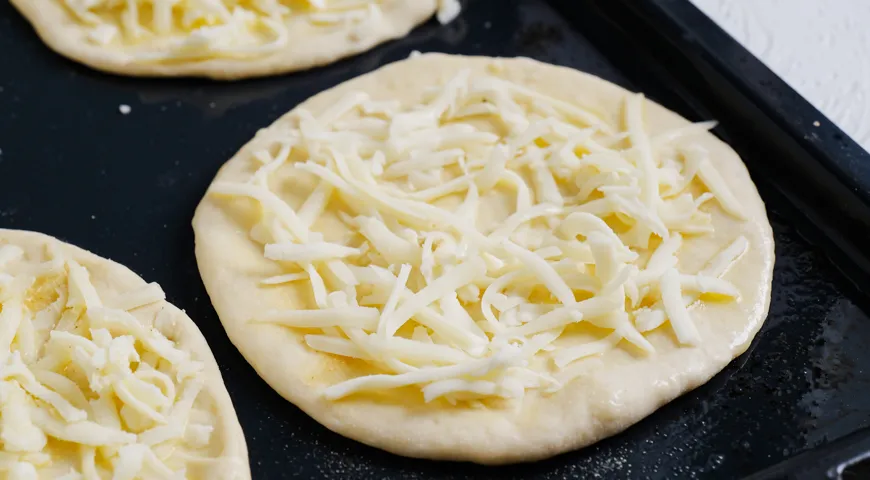
Step 6: Bake to golden perfection. Preheat your oven to 175 °C (350 °F). Place the baking sheet in the centre of the oven and bake for 20 minutes, or until the cheese is bubbly and golden-brown. The edges should be crisp and the bottoms well-browned. For a slightly different texture, you can try an best air fryer non‑toxic at a lower temperature—but the oven gives the most reliable results. Serve warm, straight from the pan, with a dollop of sour cream or a fresh salad on the side.
Tips for Perfect Flatbreads
- Water temperature: Use water at about 35–40 °C—too hot kills the yeast, too cold slows activation. Test on your wrist like baby milk.
- Cheese choice: Opt for a firm cheese that melts smoothly, such as Gouda, Emmental, or a young Pecorino. Avoid pre‑shredded cheese as it contains anti‑caking agents.
- Garlic powder vs. fresh: Garlic powder provides a mellow, even flavour without burning. Fresh garlic may become bitter during baking.
- Butter application: Don’t skimp on the butter—it creates the golden crust and enhances the cheese’s richness. Use a quality unsalted butter.
- Resting time: The optional 15‑minute rest after topping allows the flatbreads to rise slightly, resulting in a lighter crumb. For perfect proofing, a best 48‑inch built‑in refrigerator with a dedicated proofing drawer can maintain ideal humidity.
Variations
This versatile dough welcomes endless adaptations. Swap the hard cheese for crumbled feta or goat cheese for a tangier bite. Add a pinch of smoked paprika or dried herbs (oregano, thyme) to the butter topping. For a dairy‑free version, use vegan butter and a good melting plant‑based cheese. You can also roll the dough thinner and cut it into strips to make cheese straws. Pair these flatbreads with a comforting bowl of soup, and for a complete meal experience, browse our collection of best sweet wine with high alcohol content to complement the savoury notes.
Frequently Asked Questions
Can I use whole wheat flour instead of white flour?
Yes, but the texture will be denser. Substitute up to half the flour with whole wheat and add an extra tablespoon of water to maintain hydration. Whole wheat absorbs more liquid.
Do I need a stand mixer?
Not at all. Hand‑kneading works beautifully and only takes a few extra minutes. However, a best planetary mixer can reduce effort if you bake frequently.
How do I store leftover flatbreads?
Cool completely, then store in an airtight container at room temperature for up to 2 days. Reheat in a toaster oven or dry skillet to restore crispness. For longer storage, freeze unbaked flatbreads after shaping—thaw and bake as directed.
Can I bake these in an air fryer?
Absolutely. Preheat your air fryer to 160 °C (320 °F) and cook for 10–12 minutes, checking halfway. The smaller space may require fewer pieces per batch. The best air fryer non‑toxic ensures even browning without harmful coatings.
What if I don’t have garlic powder?
Substitute with 2–3 finely minced garlic cloves mixed into the melted butter. Let the butter sit for 5 minutes to infuse, then brush onto the flatbreads. The flavour will be more pungent but equally delicious.
Can I make the dough ahead of time?
Yes. After the first rise, punch down the dough, wrap tightly in plastic, and refrigerate for up to 24 hours. Let it come to room temperature for 30 minutes before shaping and proceeding with the recipe.
What should I serve with these flatbreads?
They pair wonderfully with borscht, creamy mushroom soup, or a fresh tomato salad. For a brunch spread, serve alongside scrambled eggs and a cup of coffee made with a best coffee maker for Airbnb—a thoughtful addition for guests. A small glass of best organic vodka or a chilled sweet wine can elevate the experience to a true feast.
These cheese flatbreads on water dough deliver rustic charm with minimal fuss. The interplay of buttery cheese, gentle garlic, and airy bread makes them impossible to resist. For a sweet finish, treat yourself to a handful of best chocolate covered raisins or a sip of rich espresso. Whether you’re a seasoned baker or a curious beginner, this recipe rewards you with warmth and flavour—exactly what comfort food should be.







