


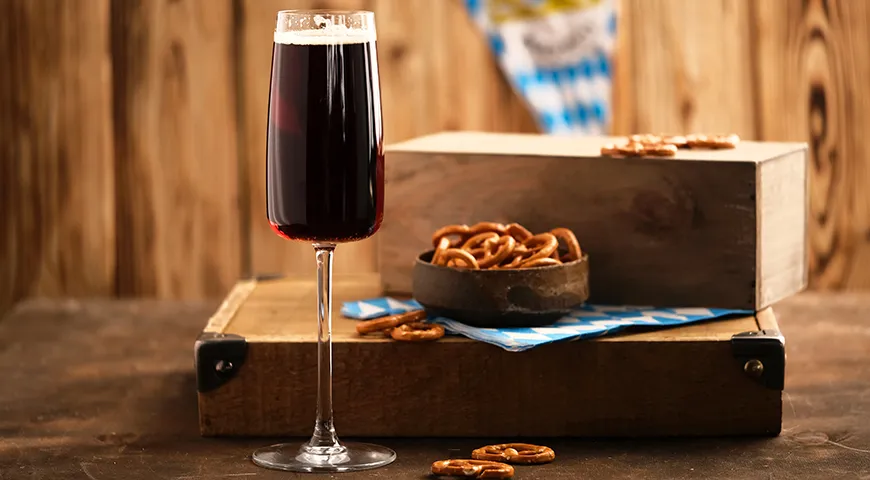
In the world of classic cocktails, few possess the elegant duality of the Black Velvet. Born in the hushed corridors of London's Brooks's Club in 1861, this striking libation layers effervescent sparkling wine with the velvety depth of dark stout. Despite its somber origin—created to mourn the death of Prince Albert—the Black Velvet has transcended its melancholy beginnings to become a global bar staple. The secret lies in gravity: the lighter champagne floats above the denser stout, creating a mesmerizing two-tone effect that is as beautiful as it is delicious. With just two ingredients and a handful of techniques, you can craft this historic cocktail at home.
About the Black Velvet
The Black Velvet is a testament to simplicity and balance. Traditionally equal parts (120 ml each) of well-chilled dry sparkling wine and a robust stout—think Guinness or a rich oatmeal stout—this cocktail is served in a highball or chimney glass to showcase its layered presentation. The recipe has endured for over 160 years, appearing on cocktail menus from London to Tokyo. Whether sipped as a prelude to dinner or as a conversation starter at parties, its creamy texture and complex flavor profile—bittersweet cocoa from the stout and crisp acidity from the wine—offer a sophisticated experience. For the ideal glassware to display these layers, explore our guide to the best glass for cocktails.

Ingredients
- 120 ml dark stout (such as Guinness or a craft oatmeal stout)
- 120 ml dry sparkling wine (Champagne, Cava, or Prosecco)
That's it. The magic lies in the quality of each component and the precision of the pour. Use well-chilled bottles to ensure temperature stability during layering. If you enjoy making your own flavored syrups or infusions, a non-toxic immersion blender can be a handy tool for blending herbs or fruits to complement your cocktail.
Step-by-Step
Step 1: Fill a tall highball glass halfway with chilled sparkling wine. Pour slowly to minimize foam. A gentle tilt of the glass helps preserve the bubbles.
Step 2: Slowly pour the chilled stout over the back of a spoon held just above the wine surface. This technique encourages the stout to flow gently and settle beneath the champagne, forming a clean separation. Serve immediately to enjoy the contrast of layers. For perfect pours every time, consider using a precision oil sprayer repurposed for liquid control—though a steady hand works best!
Tips for the Perfect Layering
- Temperature matters: Both ingredients must be ice-cold. Warm liquids mix readily and ruin the stratification.
- Choose the right glass: A narrow, tall chimney glass (like a Pilsner glass) concentrates the layers. Learn more about glass choices in our glassware review.
- Pouring speed: A slow, steady stream is crucial. Agitating the stout causes it to cascade into the wine.
- Use fresh ingredients: Sparkling wine should be newly opened for maximum carbonation. A coffee maker for guest spaces might not relate directly, but for home entertaining, a dedicated cocktail fridge can keep everything at the perfect temperature.
- Experiment with stouts: Try an imperial stout for a bolder, more intense profile, or a milk stout for added sweetness. The best organic vodka is unrelated, but quality spirits always elevate mixed drinks.
Variations
While the classic remains iconic, adventurous mixologists have riffed on the theme. Substitute a fruit lambic for the stout to create a Fruity Velvet, or use a dry rosé sparkling wine for a lighter blush effect. For a non-alcoholic version, try a dealcoholized sparkling wine paired with an alcohol-free stout. If you love culinary experimentation, a food processor for nut butters can help you create homemade nut syrups to add a layer of flavor. For those who enjoy baking alongside cocktail crafting, the Catalan sponge cake recipe pairs beautifully with the Black Velvet's creamy notes. If you prefer a sweeter finish, consider pairing with best chocolate covered raisins as a garnish or side.
FAQ
What is the origin of the Black Velvet cocktail?
It was created in 1861 at Brooks's Club in London to mark the death of Prince Albert, Queen Victoria's consort. The bartender combined champagne and stout as a sign of mourning, and the drink quickly became a classic.
Can I use any stout for this cocktail?
Yes, but a nitro stout (like Guinness) offers a creamier texture and denser body, which helps maintain layers. Avoid overly carbonated stouts that may cause excessive mixing. For a deeper dive into stout varieties, check our review of best lava flavors—though not directly stout, it explores bold taste profiles.
Why does the stout sink below the champagne?
Stouts have a higher density than most sparkling wines because of their unfermented sugars and proteins. This density differential allows the stout to settle beneath the lighter wine, creating the iconic layered look.
Can I prepare Black Velvet in advance?
No—the layers will dissolve as the gases equilibrate. Always serve immediately after pouring. For parties, have both bottles chilled and assemble each glass to order. A under-counter ice maker ensures a steady supply of ice for chilling glasses or ingredients.
What food pairs well with Black Velvet?
The cocktail's bittersweet character complements oysters, smoked salmon, or dark chocolate desserts. For a full dining experience, consider serving with dishes from a wall oven microwave combo for efficient cooking. The combination of bubbles and stout also cuts through the richness of cheese plates.
Is it necessary to use a spoon for pouring?
Using a spoon diffuses the stout's flow, preventing it from plunging into the wine and mixing. It's a simple bartending trick that greatly improves the visual effect. For other bar tools, explore our best planetary mixer for large-batch cocktail syrups.
The Black Velvet remains a timeless testament to the art of the cocktail—where two humble ingredients create something far greater than their sum. Whether you're raising a glass to history or simply enjoying a quiet evening, this layered beauty promises an unforgettable experience. For more classic recipes and kitchen inspiration, browse our collection of built-in refrigerators ideal for home bars, or discover the best espresso machine under $2000 for a coffee‑cocktail twist. Cheers!







