


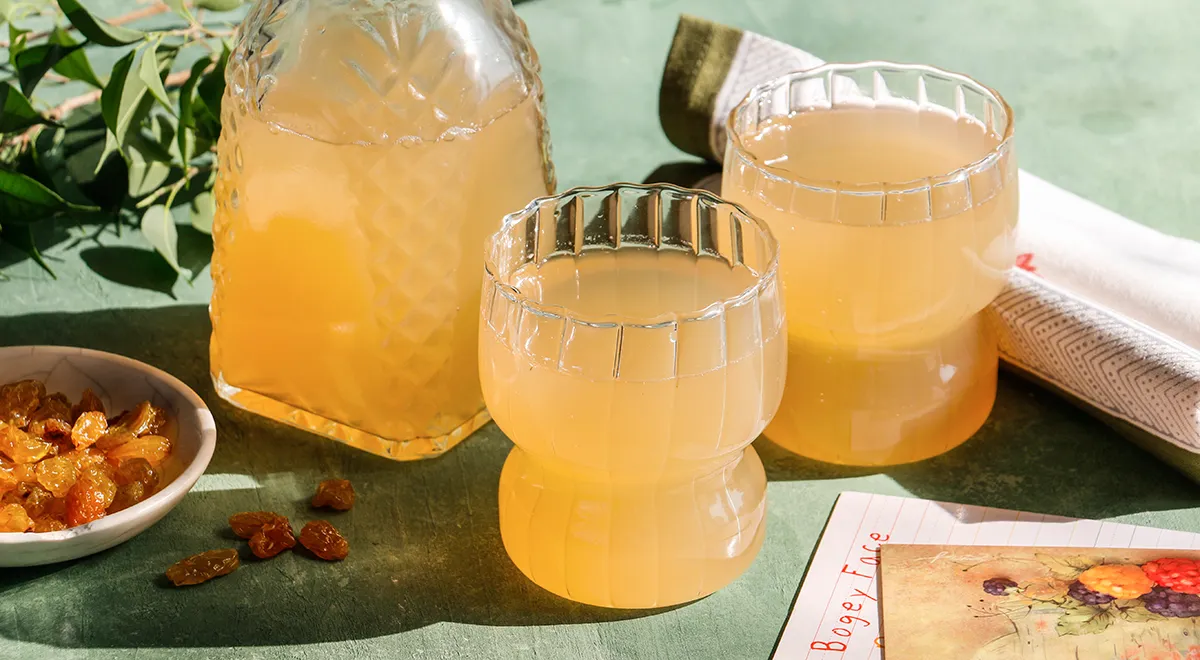
Birch kvass is a luminous spring tonic that has refreshed generations of Eastern Europeans. Made from freshly tapped birch sap, this naturally fermented drink bridges the gap between rustic tradition and sophisticated palate. Unlike its grain-based cousin, birch kvass offers a delicate, honeyed sweetness with a subtle effervescence that dances on the tongue. It was once a household staple in Russian villages, valued for its ability to quench thirst and replenish energy during the lean days of early spring—a time when fresh vegetables were scarce and fatigue ran rampant. Today, this artisanal beverage is experiencing a revival, celebrated for its simplicity and its profound connection to the land. With just three ingredients and a few minutes of active work, you can create a batch that will ferment slowly, rewarding your patience with a drink that is both invigorating and deeply satisfying.
About Birch Kvass
Birch kvass (березовый квас) belongs to a family of fermented drinks that have been crafted from birch sap for centuries. The process is elegantly straightforward: the sap’s natural sugars are encouraged to ferment with the help of added sugar and raisins, which introduce wild yeasts. The result is a lightly alcoholic, probiotic-rich beverage that supports digestion and immunity. In traditional Russian households, birch kvass was believed to cure spring fatigue and was often given to children as a safe, nourishing alternative to water. Its flavor profile is remarkably complex—think of a cross between a soft cider and a floral kombucha, with notes of green apple and wildflower honey. This recipe yields approximately 1.5 liters of kvass, which should be stored in the refrigerator and enjoyed within a month.

Ingredients
- Birch sap – 1.5 L (fresh or frozen, but not pasteurized)
- Sugar – 140 g (white granulated or raw cane)
- Raisins – 10 g (untoasted, organic if possible)
The quality of your birch sap is paramount. For best results, source sap that has been collected early in the season, ideally from trees that have not been treated with chemicals. The raisins serve as both a yeast starter and a flavor enhancer; choose plump, moist raisins—our guide to the best chocolate covered raisins also highlights the importance of high-quality dried fruit. For a cleaner fermentation, consider using a glass container similar to those recommended in our best glass food processor review.
Step-by-Step Instructions
Step 1: Prepare the Bottles and Ingredients
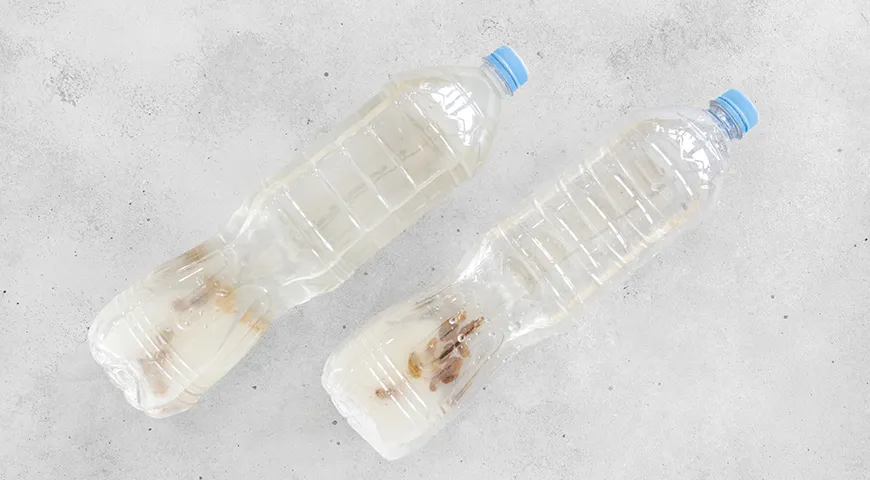
Start by thoroughly washing two 1-liter plastic bottles with hot soapy water and rinsing well. Divide the 140 g of sugar evenly between the bottles (70 g each). Add 5 g of raisins to each bottle. Pour the birch sap into the bottles, leaving about 2 cm of headspace. The raisins will float; that is perfectly normal.
Step 2: Dissolve Sugar and Release Air
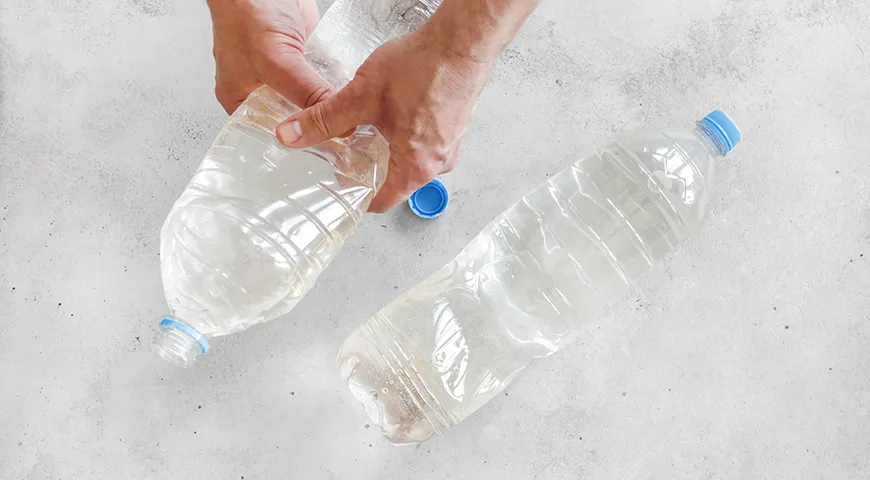
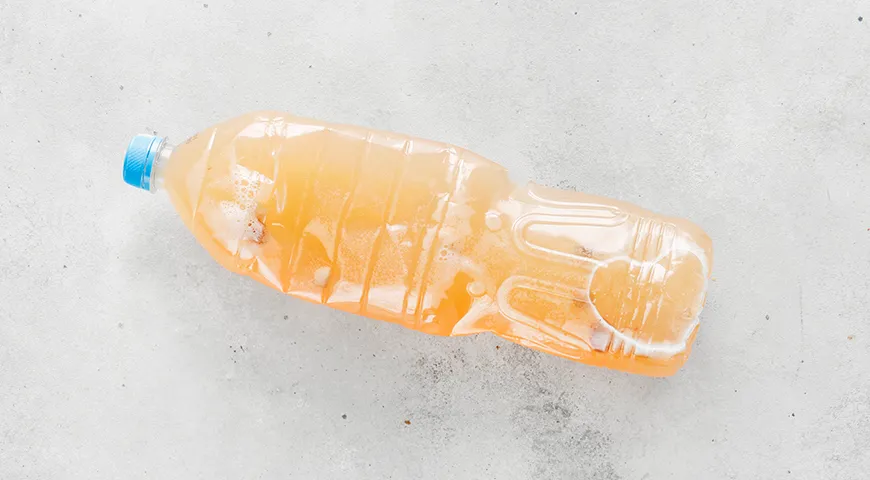
Close the bottles tightly and shake vigorously for about 30 seconds until the sugar is fully dissolved. Then, open each bottle and gently press the sides to force out as much air as possible—the liquid should rise almost to the rim. This step is crucial to create a near‑anaerobic environment that encourages lactic acid fermentation and reduces the risk of mold.
Step 3: Ferment
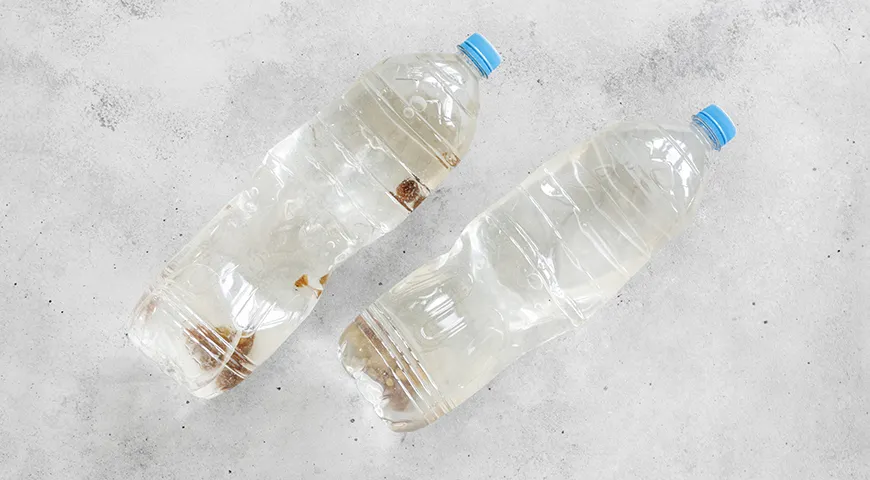
Immediately after expelling the air, seal the bottles tightly. Place them in a dark, cool spot with a stable temperature of at least 15°C (59°F). Leave undisturbed for three full weeks. During this time, the raisins will sink and the liquid will become slightly cloudy as fermentation proceeds. You may notice small bubbles clinging to the sides—a sign that wild yeasts are at work. If you have a wheatgrass juicer, you might use it for other spring tonics, but for kvass, no electricity is needed.
Step 4: Chill and Serve
After three weeks, your birch kvass is ready. Transfer the bottles to the refrigerator and chill for at least one hour before serving—this step mellows the flavors and makes the drink especially refreshing on a warm day. Pour carefully, as some sediment may have settled. Serve in small tumblers or wine glasses. For a beautiful presentation, consider using a dedicated undercounter ice maker to produce clear, slow‑melting ice cubes that won’t dilute the kvass.
Tips for Perfect Birch Kvass
Always use fresh, unpasteurized birch sap for the best fermentation activity. If you cannot find fresh sap, frozen sap that has been thawed slowly also works. Avoid using tap water—the mineral content can interfere with yeast growth. Plastic bottles are recommended because they allow slight gas expansion without breaking, but you can also use sturdy glass fermentation bottles. For kitchen safety, ensure your utensils are non‑toxic, much like the models in our non‑toxic immersion blender review. If the kvass develops an off‑smell or visible mold, discard it immediately. A successful batch will smell fruity and slightly yeasty. For a more effervescent result, reduce the temperature during the last week of fermentation to slow down yeast activity and retain carbonation. To store your kvass long‑term, a steam canner can be used for bottling, but note that heat will kill the live probiotics.
Variations
Birch kvass is endlessly adaptable. For a herbal twist, add a few sprigs of fresh mint or lemon balm to the bottles during fermentation. A piece of cinnamon stick or a star anise pod will lend a warming spiced character. For a more adult version, stir in 30 ml of vodka after fermentation—our list of the best organic vodka has excellent choices that won’t overpower the delicate birch flavor. If you prefer a sweeter finish, add an extra 20 g of sugar before sealing. Some traditionalists increase the raisin quantity to 15 g for a more pronounced wine‑like depth. And if you’re feeling adventurous, experiment by blending the finished kvass with sparkling water and a squeeze of lemon for a light cocktail—perfect for pairing with a slice of Catalan sponge cake.
Frequently Asked Questions
How long does birch kvass keep?
Refrigerated, homemade birch kvass will stay fresh for up to one month. Over time, the flavor will become more acidic as fermentation continues slowly. For best quality, consume within two weeks.
Can I use honey instead of sugar?
Yes, honey can substitute for sugar, but it will produce a different flavor profile and may ferment more unpredictably. Use 120 g of honey for the same quantity of sap. Be aware that honey contains natural antimicrobials that can slow fermentation.
Why is my kvass not bubbling?
Lack of fermentation activity usually indicates that the sap was pasteurized or that the temperature is too low. Ensure your sap is raw and the storage area is at least 15°C. Adding a handful of organic raisins (which naturally carry yeasts) can restart fermentation.
Is birch kvass safe for children?
Yes, in moderation. The alcohol content is very low (under 1%) and the probiotics are beneficial. However, because it is a live fermented drink, it may cause mild digestive upset in very young children if consumed in large amounts. Start with small servings.
Can I reuse the raisins for another batch?
No, the raisins become bloated and lose their yeast‑carrying capacity after one fermentation. Always start with fresh raisins for the next batch. For a consistent source of high‑quality dried fruit, check our chocolate covered raisins guide (the plain raisins inside are excellent).
Making birch kvass is a beautiful ritual that connects you to the rhythms of spring. With minimal effort and a little patience, you can craft a beverage that is both ancient and modern—a true taste of the forest. For other kitchen essentials to elevate your home brewing, explore our reviews of the best espresso machine under $2000 and the best air fryer non‑toxic. And if you’re hosting a spring gathering, a coffee maker for Airbnb might be just the thing to complement your homemade kvass. Cheers to the season of renewal!







