


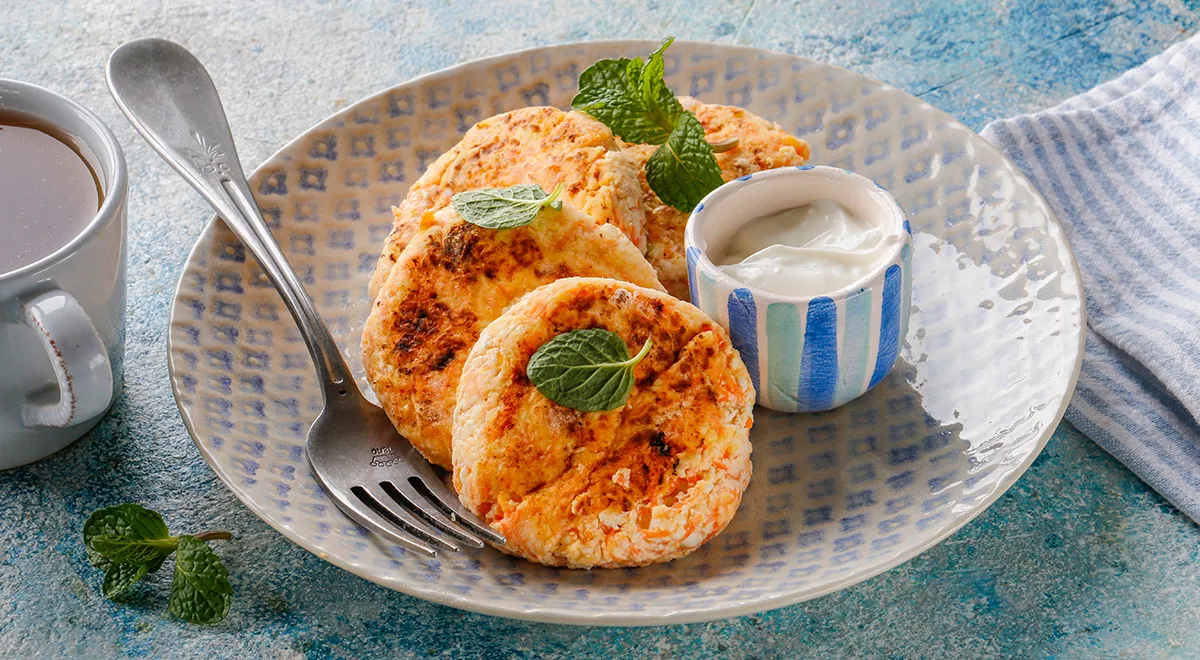
There’s something deeply comforting about syrniki—those golden, tender cheese pancakes that evoke memories of Russian grandmothers bustling in cosy kitchens. But when you add the earthy sweetness of roasted pumpkin and the bright tang of dried apricots, you elevate a humble breakfast into a refined culinary experience. These oven-baked pumpkin syrniki are not only healthier than their fried counterparts, but they also deliver a delicate, custard-like interior with a lightly crisp exterior. Whether you’re looking to diversify your morning routine or impress at a brunch gathering, this recipe—inspired by the classic Gastronom.ru version—brings a modern twist to a beloved tradition.
About This Recipe: A Symphony of Autumn Flavours
Syrniki are traditionally made with tvorog (a fresh, slightly tangy curd cheese) and pan-fried until brown. Here, we trade the frying pan for the oven and introduce pumpkin purée into the mix. The result? A lighter, fluffier pancake that’s naturally sweetened with dried apricot purée and brightened by orange zest. The rice flour coating adds a subtle crunch without gluten, making this recipe adaptable for those following a Pevzner dietary system or simply seeking wholesome, balanced eating.

Ingredients
- 300 g pumpkin flesh (peeled weight)
- 400 g full-fat tvorog (or ricotta as a substitute)
- 2 large eggs
- 100 g dried apricots (soaked and puréed)
- Zest of 1 large orange
- 1 teaspoon vanilla extract
- 3–4 tablespoons rice flour (for coating; more if needed)
- 1–2 tablespoons vegetable oil (for greasing hands and tray)
Optional: a pinch of salt to balance sweetness.
Step-by-Step Instructions
1. Prepare the Dried Apricot Purée
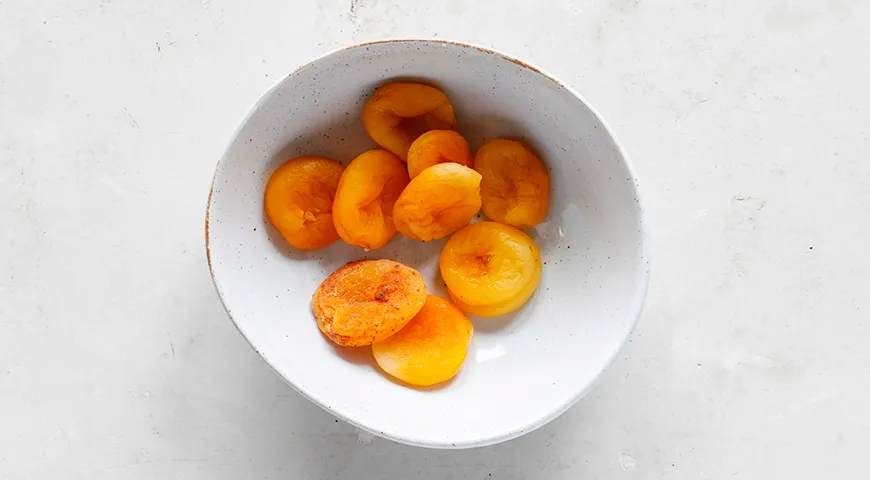
Begin by washing the dried apricots thoroughly. Place them in a small bowl and cover with warm water. Let them soak at room temperature for at least 2 hours (or overnight for extra softness). Drain, then transfer to a high-performance immersion blender and purée until smooth. Set aside.
2. Preheat Oven and Prepare Pumpkin
Preheat your oven to 180°C (356°F)—using the convection setting if available, as it promotes even browning. Line a baking tray with parchment paper. Grate the pumpkin flesh on the fine side of a box grater directly into a large mixing bowl.
3. Mix the Dough
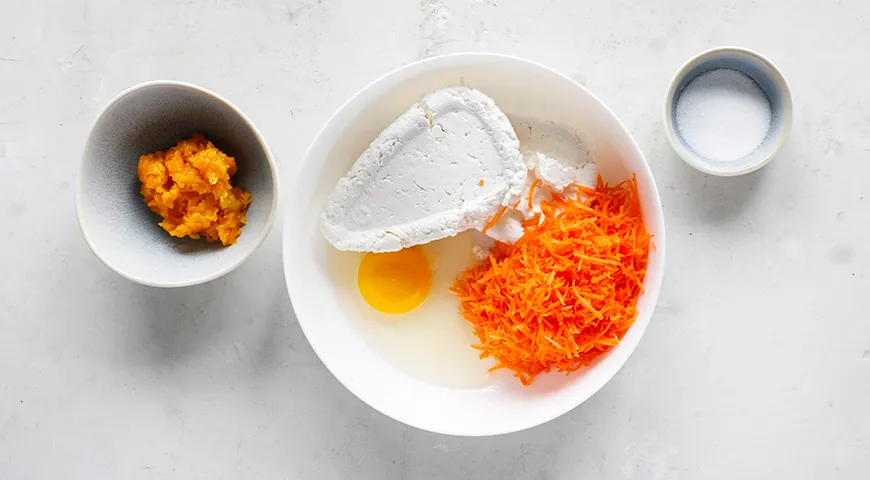
To the grated pumpkin, add the eggs, tvorog, apricot purée, orange zest, and vanilla extract. Stir thoroughly using a stand mixer with paddle attachment or a sturdy spatula until the mixture is completely homogeneous. The batter should be thick but not dry—if it seems too wet, add a tablespoon of rice flour.
4. Shape the Syrniki
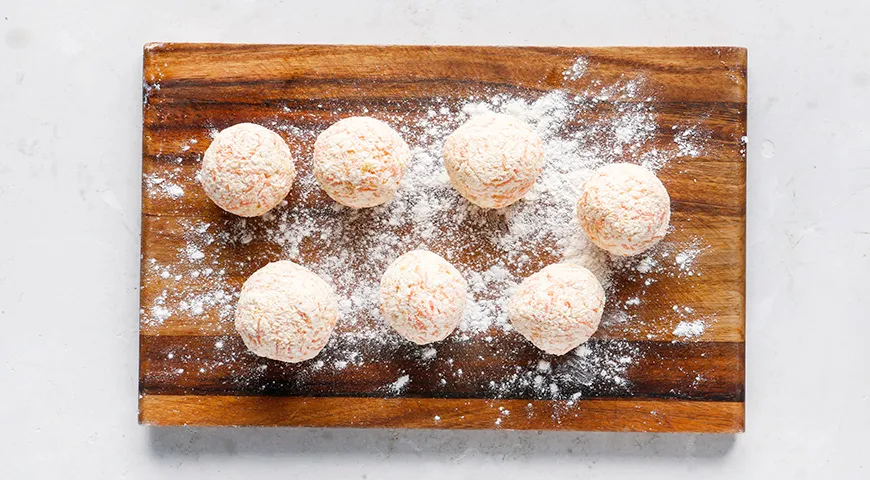
Divide the dough into portions of 50–60 g each—this is roughly the size of a generous walnut. Dust a cutting board with rice flour. Lightly oil your hands with vegetable oil to prevent sticking, then roll each piece into a smooth ball. Place the balls on the floured board and roll them lightly to coat.
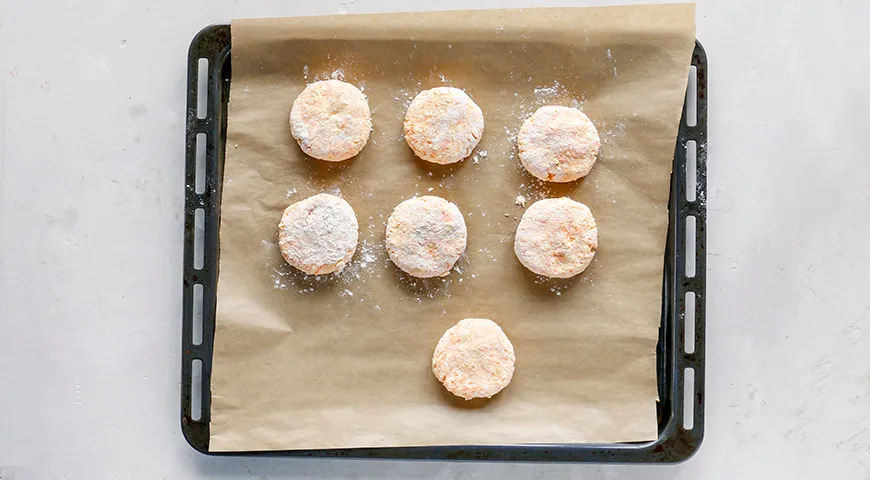
5. Flatten and Bake
Turn each ball over in the flour once more, then gently flatten into discs about 2.5 cm thick. Shake off any excess flour and arrange the syrniki on the prepared baking tray. Bake in the upper third of the oven for 20 minutes, or until the bottoms are golden and the tops feel firm to the touch. Allow them to rest on the tray for 2–3 minutes before transferring to a wire rack.

Tips for Perfect Syrniki
- Use high-quality tvorog: The drier the curd, the less likely your syrniki will spread. If using ricotta, drain it through cheesecloth for 30 minutes.
- Don’t skip the soaking: Dried apricots need time to rehydrate; a high-powered food processor can handle them even when less soft, but soaking ensures a silky purée.
- Rice flour is key: It provides a crisp, gluten-free crust. For a nuttier flavour, mix in a little almond flour.
- Oil your hands: This prevents the sticky dough from clinging and helps you shape uniform discs.
- Convection mode: If your oven has a convection or fan setting, use it—it circulates hot air for even browning without turning the syrniki.
Variations to Explore
- Spiced Pumpkin Syrniki: Add ½ teaspoon each of cinnamon and ginger, plus a pinch of nutmeg.
- Savory Twist: Omit the vanilla and orange zest, reduce the apricot purée to 50 g, and add 30 g finely grated Parmesan and a pinch of black pepper.
- Vegan Option: Replace eggs with flax eggs (1 tbsp ground flax + 3 tbsp water per egg) and use a plant-based curd alternative (like firm silken tofu blended with lemon juice).
- Air Fryer Method: Following the best non-toxic air fryer advice, cook at 175°C for 10–12 minutes, flipping halfway through.
FAQs
1. Can I make these syrniki without tvorog?
Yes! Use well-drained ricotta, cottage cheese (blended until smooth), or a homemade nut-based cheese. The texture will be slightly different but still delicious.
2. Why did my syrniki turn out flat?
This usually happens when the curd is too wet. Try pressing the tvorog through a sieve or wrapping it in a clean towel and squeezing out excess moisture. Also, ensure you’re using enough rice flour for coating.
3. Can I freeze baked syrniki?
Absolutely. Let them cool completely, then place on a tray in the freezer for 1 hour. Transfer to a zip-top bag and store for up to 3 months. Reheat in a toaster oven or microwave with convection for best results.
4. Are these syrniki suitable for a low-FODMAP diet?
Pumpkin and tvorog are low-FODMAP in moderate portions, but dried apricots are high in fructans. Replace with 2 tablespoons of maple syrup or a low-FODMAP sweetener like stevia, and skip the orange zest if sensitive.
5. What can I serve with pumpkin syrniki?
They pair beautifully with a dollop of crème fraîche, a drizzle of honey, or fresh berries. For a savoury breakfast, serve alongside a soft-boiled egg and a handful of arugula.
6. How do I know when the syrniki are done?
The bottoms should be deep golden brown and the interior should reach 75°C when tested with a digital thermometer. If they feel soft but spring back to the touch, they’re ready.
7. Can I use other squash instead of pumpkin?
Butternut squash works wonderfully; it’s slightly sweeter and has a creamy texture. You can also try kabocha or acorn squash—just adjust the moisture by squeezing out the grated flesh if needed.
These baked pumpkin syrniki are more than a recipe—they’re a celebration of seasonal produce and mindful cooking. Whether you’re exploring new baking techniques or simply craving a nourishing breakfast, they deliver both comfort and elegance. Serve warm, with a steaming cup of artisan coffee and enjoy the quiet joy of a perfect morning.
Loved this recipe? Share your results or tag us in your syrniki creations—we’d love to see your golden, puffy discs of goodness.







