


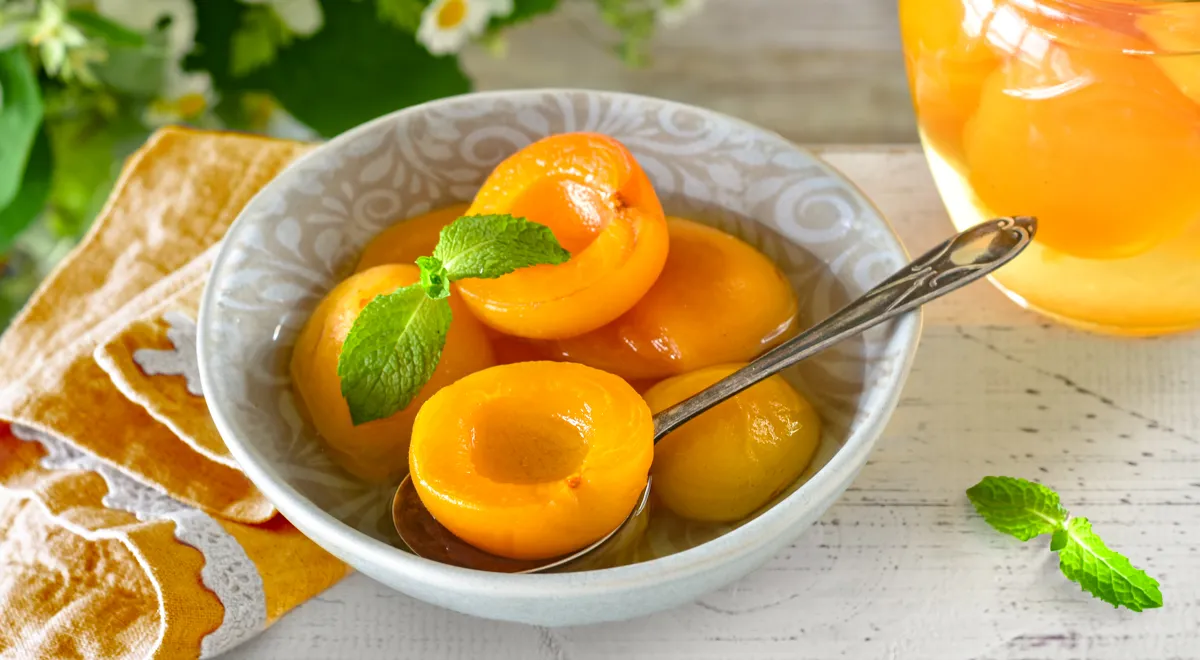
There is a quiet alchemy to capturing summer in a jar—sweet, sun-warmed apricots suspended in a clear, golden syrup that tastes of long afternoons and the hum of bees. This Russian-inspired recipe for apricots in syrup for winter transforms 3.5 kilograms of ripe fruit into a pantry treasure that brightens everything from morning yogurt to elegant tarts. The process is straightforward: a quick simmer in a sugar syrup enriched with a squeeze of lemon, then sealed for the colder months. The result? A jewel-toned compote that holds its shape and flavor beautifully.
About Apricots in Syrup
This classic home-canning method hails from the days when glass jars lined every pantry shelf and a proper dessert often began with a preserved fruit. The recipe relies on the purity of refined sugar—our grandmothers insisted on using rafinated cubes rather than granulated sugar to minimize foam during boiling. Apricots are halved and briefly cooked in a light syrup, then packed in sterilized jars. The lemon juice balances the sweetness and helps preserve the fruit's vibrant colour. For best results, choose firm, slightly underripe apricots that won't fall apart during heating. If you own a glass food processor, you can quickly chop any leftover fruit for jams or sauces.

Ingredients
- 3.5 kg fresh apricots (preferably firm, ripe but not overripe)
- 800 g white sugar (ideally cube sugar or unrefined rafinad)
- 2 litres drinking water
- Juice of ½ lemon
Step-by-Step Instructions
Step 1: Prepare the Apricots
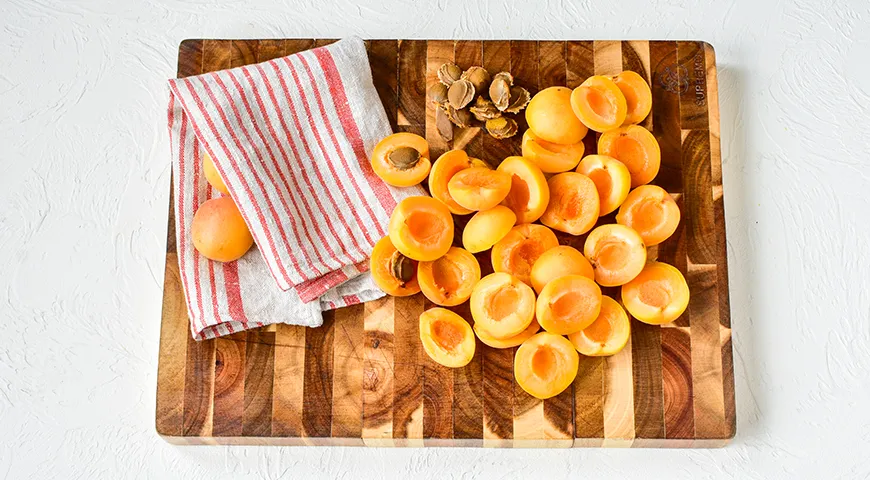
Wash the apricots thoroughly and dry them well with paper towels. Cut each apricot in half and remove the stones. Set the halves aside. If you’re working with a large batch, a powerful food processor can help process leftover fruit for other preserves.
Step 2: Make the Syrup
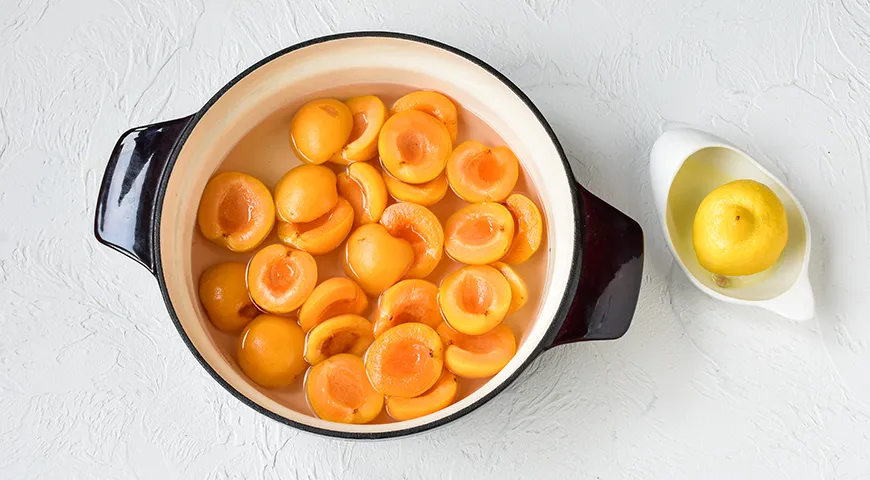
Pour the sugar into a wide enamel saucepan or preserving pan. Add the drinking water and bring to a boil over medium-high heat. Cook for 2 minutes, stirring occasionally to dissolve the sugar completely. A non‑toxic immersion blender is excellent for smoothing any lumps, though a simple spoon works fine. Once the syrup is clear, add the lemon juice and the apricot halves.
Step 3: Cook the Apricots
Bring the mixture to a gentle boil and cook the apricots for exactly 7 minutes. The fruit should soften slightly but still hold its shape. Do not overcook or they will turn mushy. While they cook, prepare your sterilized jars—keep them hot and dry. A microwave pressure cooker can sterilise jars quickly if you prefer a modern shortcut.
Step 4: Pack and Seal
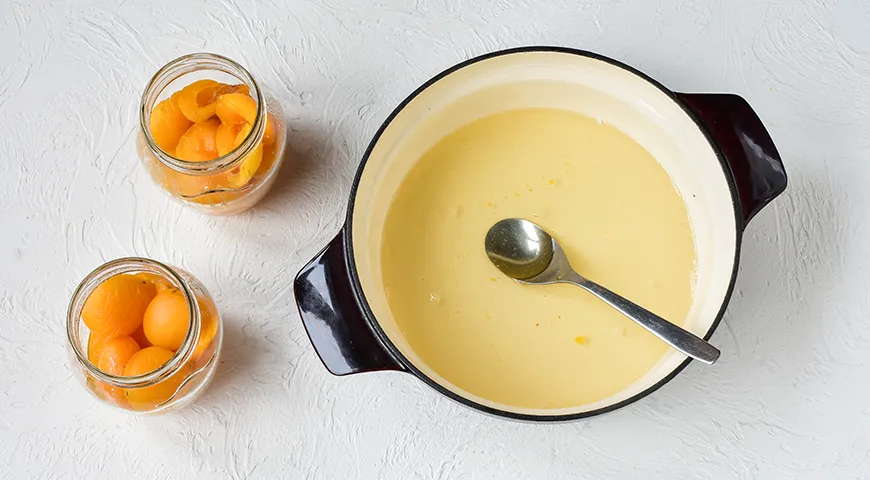
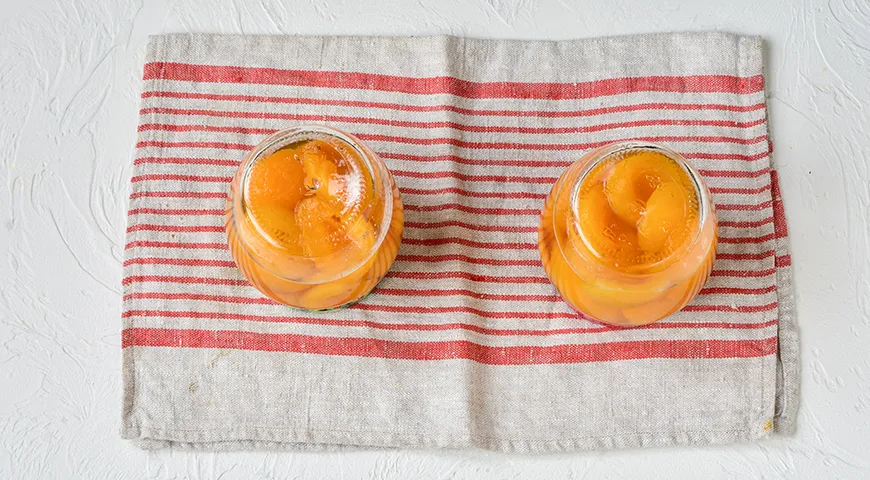
Using a slotted spoon, immediately transfer the apricot halves into the sterilised jars, filling each jar to about three‑quarters full. Bring the remaining syrup back to a rolling boil over high heat, then pour it over the apricots, covering them completely. Seal the jars with sterilised lids. Invert each jar onto a folded towel and leave to cool completely. Store in a cool, dark, dry place. For long‑term storage, consider using a dedicated steam canner for added safety.
Tips for Perfect Apricot Syrup
- Use cube or refined sugar rather than standard granulated—it produces less foam and a clearer syrup.
- Choose apricots that are firm but ripe; overripe fruit will disintegrate during cooking.
- Sterilise jars and lids thoroughly. A non‑toxic air fryer can double as a sterilising oven for small jars at 120°C for 10 minutes.
- Add a vanilla pod or a cinnamon stick to the syrup for an aromatic twist.
- Let the sealed jars rest upside down for 12‑24 hours to create a vacuum seal. Check each lid for a concave centre before storing.
Variations
This base recipe welcomes creative tweaks. Swap half the water for white wine to make a sophisticated apricot wine syrup—pair it with a glass of sweet high‑alcohol wine for a decadent pairing. For a spiced version, add star anise and a slice of fresh ginger. You can also replace the lemon juice with orange juice and add a strip of orange zest. If you’d like a lower‑sugar preserve, reduce the sugar to 600 g and use a small amount of organic vodka as a natural preservative.
FAQs
Can I use frozen apricots?
Yes. Thaw them completely, drain excess liquid, and reduce cooking time by about 2 minutes to avoid mushiness.
How long will these apricots keep?
Properly sealed jars stored in a cool, dark place will last up to 12 months. Once opened, refrigerate and consume within 2 weeks.
Why did my syrup turn cloudy?
Cloudiness usually results from using granulated sugar with impurities, or from over‑stirring during boiling. Stick to refined cube sugar and avoid vigorous stirring.
Can I double the recipe?
Absolutely. Just scale all ingredients proportionally. Ensure your largest pot can hold the extra liquid without boiling over. A commercial countertop oven can help dry sterilised jars if you’re working in large batches.
What can I do with the leftover syrup after eating the apricots?
Use it as a cocktail sweetener, drizzle over pancakes or ice cream, or whisk into salad dressings for a fruity kick. The syrup stores well in the refrigerator for up to a month.
Is this recipe safe for water‑bath canning?
Yes. Process jars in a water‑bath canner for 10 minutes (pints) or 15 minutes (quarts) to ensure a shelf‑stable seal. A large built‑in refrigerator with a spacious freezer also works for long‑term frozen storage if you prefer that method.
Conclusion
Preserving apricots in syrup is a beautiful way to capture the peak of summer. This traditional Russian method yields fruit that stays firm, flavourful, and endlessly versatile—whether spooned over sponge cake, partnered with chocolate‑covered raisins for a decadent dessert, or simply enjoyed straight from the jar on a cold winter morning. With a few simple tools and a little patience, you can fill your pantry with gold. For more inspiration, explore our guide to the best planetary mixer for whipping cream to serve alongside, or try our Catalan sponge cake recipe for the perfect pairing.







