


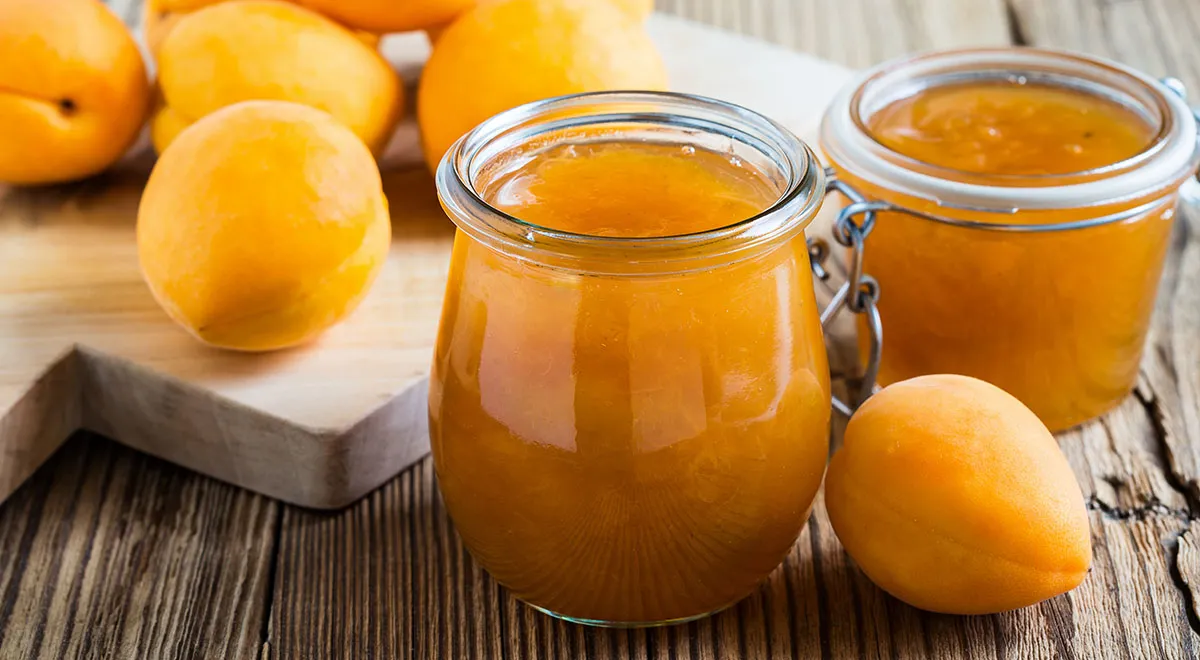
There is something profoundly satisfying about capturing the essence of summer in a jar—the golden blush of ripe apricots, their honeyed fragrance, and that fleeting, sun-drenched sweetness. This apricot purée for winter is not merely a preserve; it is a culinary time capsule, a spoonful of July warmth to brighten the darkest February morning. Whether swirled into yogurt, brushed over a sponge cake, or transformed into a velvety sauce for roasted meats, this purée is a testament to the art of homemade preservation. With just two ingredients—apricots and a splash of water—you can create a versatile pantry staple that rivals any store-bought version.
About Apricot Purée
Apricot purée has been a cherished preserve across Eastern Europe, the Caucasus, and the Mediterranean for generations. Unlike jam or marmalade, purée is smooth, seedless, and free of added pectin, relying solely on the fruit’s natural texture and sweetness. This recipe comes from the Russian tradition, where summer’s bounty is lovingly bottled to endure long winters. The key lies in selecting perfectly ripe, fragrant apricots—preferably organic or from a trusted grower—and processing them with minimal intervention. The result is a vibrant, shelf-stable purée that can be used in desserts, glazes, or even savory dishes like tagines. For those new to canning, this is a forgiving first project; for veterans, it is a reminder of the purest form of summer’s gift. If you are looking for more ways to use your kitchen tools, consider pairing this technique with a high-quality glass food processor bowl that resists staining and odor absorption.

Ingredients
- 2 kg fresh, ripe apricots
- Water as needed (for thinning, though often not required)
That’s it. No sugar, no pectin, no citric acid—unless you prefer a tart edge. If your apricots are especially firm, a splash of water will help them break down during cooking. For a sweeter finish, you can add a small amount of honey or sugar to taste, but traditional purée relies on the natural sugar in the fruit. The absence of preservatives means the steam canner or water-bath method is essential for long-term storage, though the purée can also be frozen in airtight containers.
Step-by-Step Instructions
-
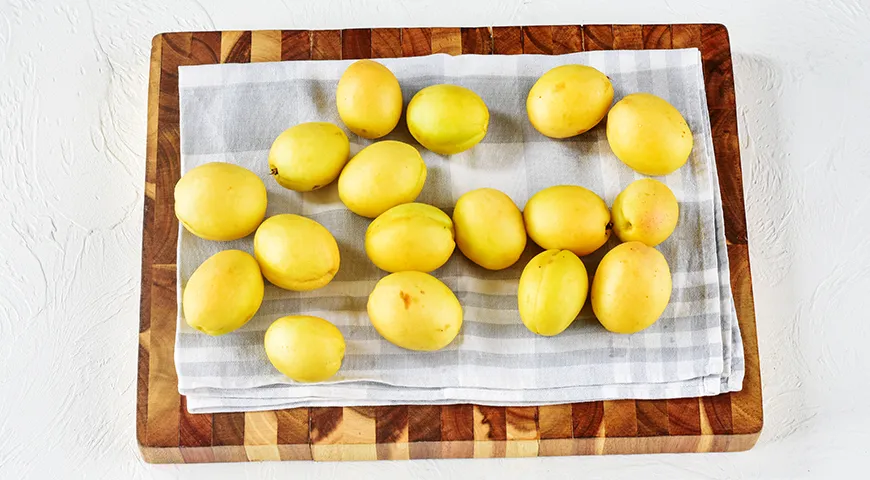
Prepare the Apricots. Sort through the apricots, discarding any bruised or overripe fruit that could compromise flavor. Rinse them under cool running water, gently rubbing the skins to remove any dust or residue. Spread the washed apricots on a clean kitchen towel and allow them to air-dry completely—any residual moisture can affect the purée’s concentration and shelf life. While the apricots dry, assemble your tools: a sharp knife, a blender or food processor, and a heavy-bottomed saucepan. A reliable non-toxic immersion blender is ideal for making ultra-smooth purée directly in the pot, saving you time on transfer.
-
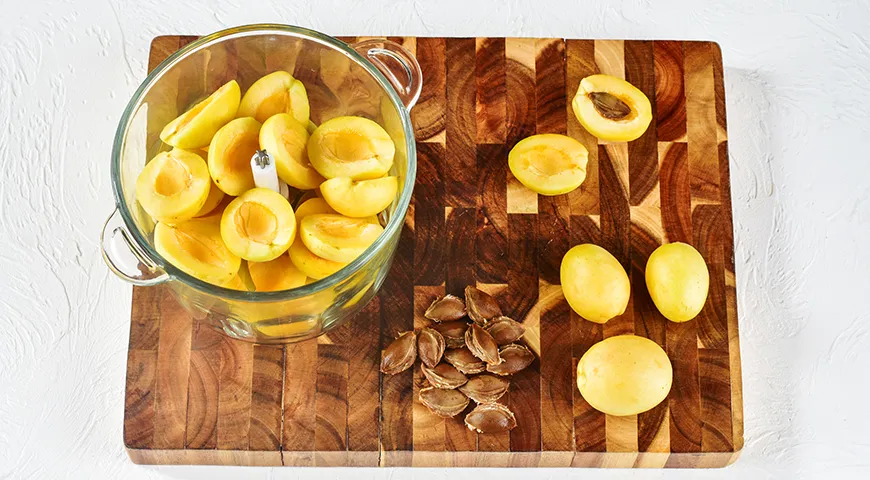
Halve and Pit the Apricots. Once the apricots are fully dry, use a paring knife to cut each fruit in half along its natural seam. Twist gently to separate the halves, then remove the pit with your fingers or a small spoon. If some apricots are reluctant to release the stone, you can slice around it. Discard the pits. Working in batches, place the apricot halves into the bowl of a blender or food processor. Pulse until smooth, scraping down the sides as needed. For an even finer texture, you can pass the purée through a fine-mesh sieve or use a food processor capable of handling stone fruits without overheating.
-
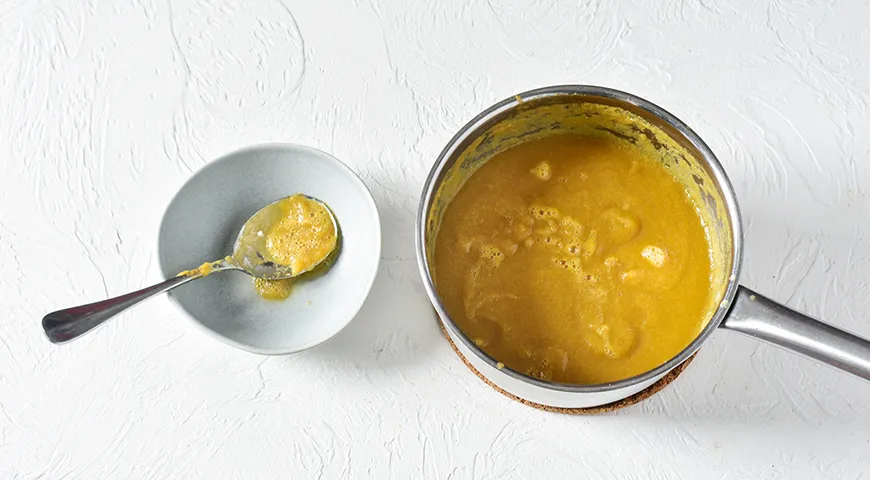
Cook the Purée. Transfer the apricot purée to a large, non-reactive saucepan (stainless steel or enameled). Place over medium heat and bring to a gentle boil, stirring frequently with a wooden spoon to prevent scorching. As the mixture heats, a frothy pinkish foam will rise to the surface—this is natural and should be skimmed off with a slotted spoon or shallow ladle. Once boiling, reduce the heat to low and let the purée simmer for exactly 10 minutes, stirring occasionally. The purpose is not to thicken dramatically but to sterilize the fruit and concentrate flavors slightly. If the purée seems too thick, add a tablespoon of water; if too thin, extend the simmer by a few minutes. This process is similar to making a fruit compote, and you can adapt the technique using a microwave pressure cooker for a faster result—though traditional stovetop offers more control.
-
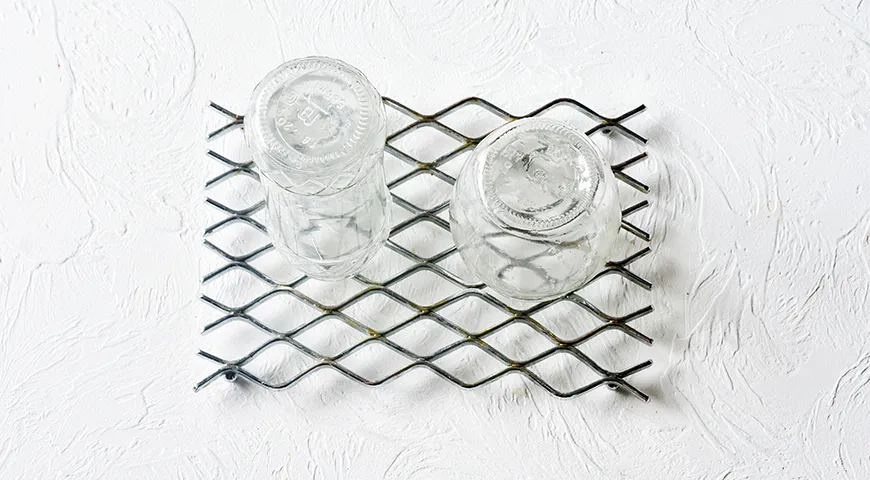
Sterilize the Jars. While the purée cooks, prepare your jars and lids. Wash them in hot soapy water (or run through a dishwasher cycle with a sanitizing setting). Then sterilize them using your preferred method: steam in a best steam canner for 10 minutes, bake in a 130°C (265°F) oven for 20 minutes, or microwave individually with a splash of water for 1–2 minutes. Ensure everything is thoroughly dried—moisture can lead to mold during storage. Place the sterilized jars on a clean towel, upside down, to cool slightly before filling. For consistent results, use small to medium jars (200–500 ml) so the purée is used quickly once opened.
Sponsored
-
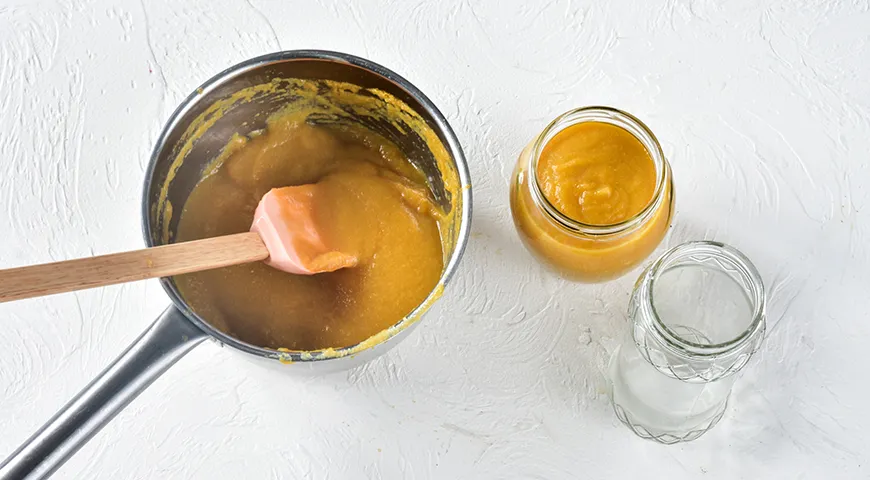
Fill and Seal. Ladle the hot apricot purée into the prepared jars, leaving about 1 cm of headspace. Wipe the rims with a damp, clean cloth to remove any residue—this ensures a tight seal. Place the lids on and screw the bands fingertip-tight. Allow the filled jars to sit on the counter for 2 minutes; this brief rest lets the heat distribute evenly. Then tighten the bands fully, invert the jars (placing them upside down) and wrap them in a thick towel or blanket. Let them cool completely, undisturbed, for at least 24 hours. This inverted method creates a vacuum seal without a water-bath, though for absolute safety you can process in a boiling water canner for 15–20 minutes. Once cooled, check the lids: they should be concave and not pop when pressed. For a modern twist, consider using an undercounter ice maker to chill the purée before drinking as a refreshing summer-style beverage after opening.
Tips for Perfect Apricot Purée
- Choose the right apricots: Look for deeply orange, slightly soft fruit with a strong fragrance. Avoid greenish ones, which will yield a tart, pale purée.
- Skip the sugar if you prefer a natural taste—the purée will still be delicious and can be sweetened later when using. For a more intense apricot flavor, add a tiny pinch of salt.
- Blend thoroughly to avoid any fibrous bits. If using an immersion blender, run it for at least a minute. Alternatively, use a wheatgrass juicer to extract only the juice, though that yields a thinner product.
- Test the seal by pressing the center of each lid; if it springs back, it hasn't sealed. Store those jars in the refrigerator and use within two weeks.
- Store in a cool, dark place—pantry, cellar, or a cupboard away from heat sources. Properly sealed jars will keep for up to a year.
Variations
This basic purée lends itself to endless customization. Add a vanilla bean split and scraped into the simmering pot for a floral note. Stir in 1–2 tablespoons of fresh lemon juice or a pinch of citric acid to brighten the color and extend shelf life. For a spiced version, infuse with a cinnamon stick, star anise, or a few cardamom pods (remove before jarring). You can also blend in a handful of raspberries or a pureed banana for a different fruit profile. If you prefer a chunky texture, reserve a portion of diced apricots and fold them into the purée after cooking. For a deeper caramelized flavor, roast the apricot halves at 180°C (350°F) for 15 minutes before pureeing. Pair this approach with an air fryer non-toxic for a quick roast—just spread the halves in a single layer.
Frequently Asked Questions
Can I use frozen apricots?
Yes! Thaw frozen apricots completely, then drain any excess liquid before pureeing. The texture may be slightly thinner, so you may need to simmer a few extra minutes to concentrate.
Do I need to peel the apricots?
No. The skins are thin and become imperceptible after pureeing. If you prefer a completely smooth texture without specks, blanch the apricots for 30 seconds, plunge into ice water, then slip off the skins before halving.
How long does homemade apricot purée last?
Sealed and stored in a cool, dark place, it remains stable for up to 12 months. Once opened, refrigerate and use within 1–2 weeks. You can also freeze the purée in ice cube trays for portioned use.
Can I reduce the cooking time?
Yes, if you are using the purée within a few weeks (e.g., for immediate use or freezing), you can skip the 10-minute simmer and simply puree the raw apricots. For canning, however, the simmer is crucial to prevent spoilage.
What if my apricots are too tart?
Add a small amount of honey, agave syrup, or granulated sugar during the pureeing process. Start with 50 g per kg of fruit, then taste and adjust. Remember that the flavor will slightly mellow during cooking.
Can I use this purée in baking?
Absolutely. It works beautifully as a filling for thumbprint cookies, a swirl in cheesecake batter, or a glaze for sponge cakes. It also substitutes for oil or butter in some muffin recipes—reduce the liquid in the recipe accordingly. For a unique dessert twist, try folding the purée into a Catalan sponge cake (Pa de Pessic) for a vibrant apricot layer.
Why Make Your Own Apricot Purée?
Beyond the pure joy of self-sufficiency, homemade purée is free from preservatives, corn syrup, and artificial colors. It captures the fruit’s full nutritional profile, including beta-carotene, vitamin C, and fiber. It also reduces food waste—slightly blemished apricots that are still flavorful can be turned into this purée rather than discarded. Moreover, it’s incredibly economical: a single batch from 2 kg of apricots yields about 4–5 jars, enough to last through salads, glazes, and sauces until next summer. And if you are already stocking your kitchen with quality tools, consider a best planetary mixer for mixing purée into batters, or an espresso machine under $2000 to brew a perfect coffee to enjoy alongside a spoonful of this golden treasure. For those who love pairing seasonal produce with thoughtful kitchen equipment, this recipe is just the beginning—you might also explore best chocolate-covered raisins as a sweet contrast, or use your purée as a base for a bespoke cocktail.







