


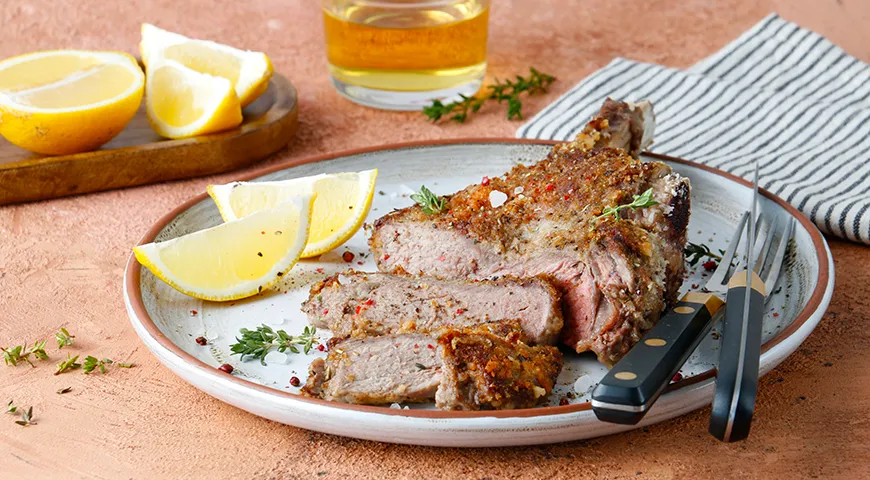
A classic of Italian cucina povera, the Milanese cutlet reaches its apotheosis in this masterful recipe from celebrated chef Anatoly Komm. What appears deceptively simple—a breaded, pan-fried veal chop—becomes a symphony of textures and flavors through precise technique and an aromatic herb crust. This is not merely a weeknight dinner; it is a lesson in the art of respect for quality ingredients and the transformative power of heat.
About the Milanese Cutlet
Originating in 19th-century Milan, the cotoletta alla milanese is a bone-in veal rib chop pounded thin, breaded, and fried in butter or clarified butter until crisp and golden. Unlike its Viennese cousin, the Wiener Schnitzel, the Milanese leaves the bone attached and is traditionally fried in clarified butter. Chef Komm's rendition introduces a fragrant dried herb-and-garlic breadcrumb coating that elevates the dish with Mediterranean warmth. The result is a crust that shatters with each bite, yielding to tender, juicy veal. For those seeking a lighter approach, consider pairing this with a non-toxic air fryer for a lower-fat version.

Ingredients
- 600–800 g veal loin (boneless or bone-in rib chop)
- 30–40 g grated Parmesan cheese
- Vegetable oil (for frying)
- 4 g dried garlic granules
- 4 g dried thyme
- 4 g dried basil
- ½ tsp dried rosemary (crumbled)
- Salt
- Freshly ground black pepper
- Breadcrumbs (about 100 g, as base for breading)
The quality of your breadcrumbs matters. To ensure the right texture, a food processor can produce uniform crumbs from stale artisan bread.
Step-by-Step Instructions
Step 1: Portion and Season
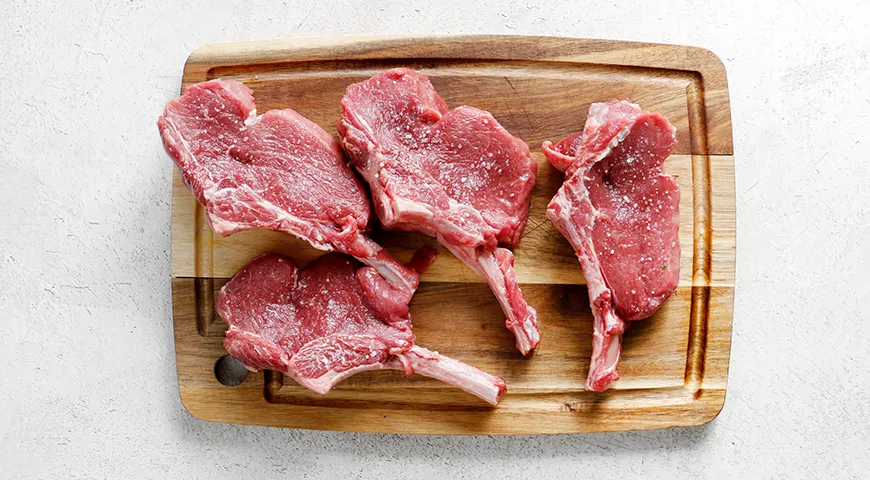
Cut the veal into four equal pieces. Lightly season each piece with salt on all sides. Allow the meat to come to room temperature for about 15 minutes.
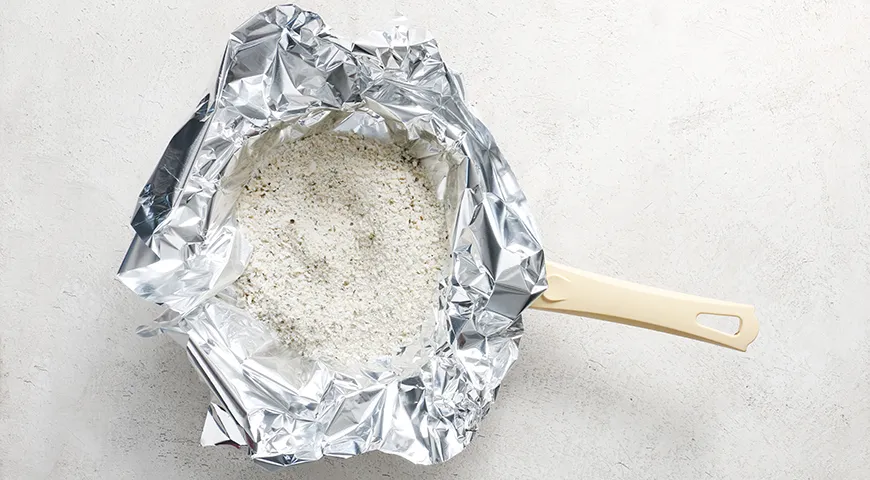
Step 2: Prepare the Herb Breading
In a bowl, combine the breadcrumbs with dried thyme, garlic granules, rosemary, and basil. Wrap the mixture in a sheet of aluminum foil and heat it thoroughly in a dry skillet or in the oven at 150°C (300°F) for about 10 minutes, shaking occasionally. The goal is to toast the breadcrumbs and bloom the dried herbs without burning. Let the mixture cool completely.
Step 3: Pound the Veal
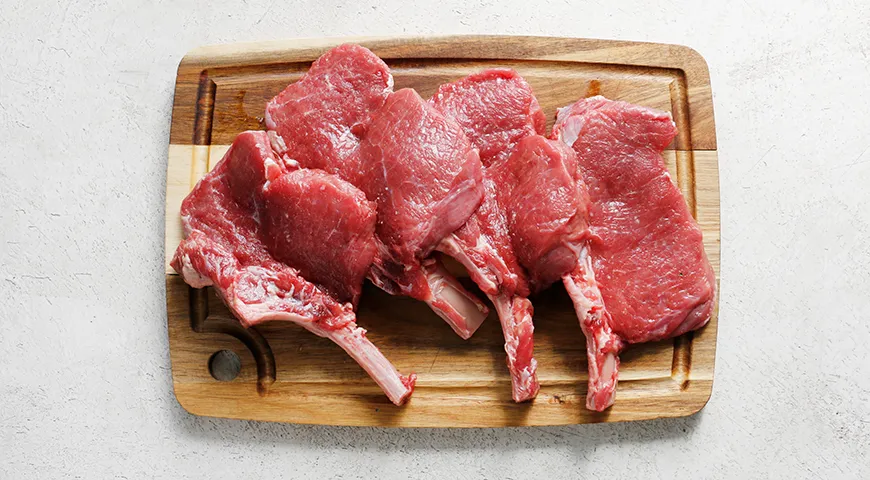
Place each piece of veal between two sheets of plastic wrap or parchment paper. Using a meat mallet, pound gently but evenly until the meat is about 0.5 cm thick. The process should take several minutes per side. This not only tenderizes the veal but also creates a tacky surface that will grip the breading. A planetary mixer won't help here—a simple mallet and patience are key.
Step 4: Finish the Breading Mix
Once the breadcrumb mixture is cool, stir in the grated Parmesan, a generous grinding of black pepper, and a pinch of salt. Taste and adjust seasoning.

Step 5: Pan-Fry
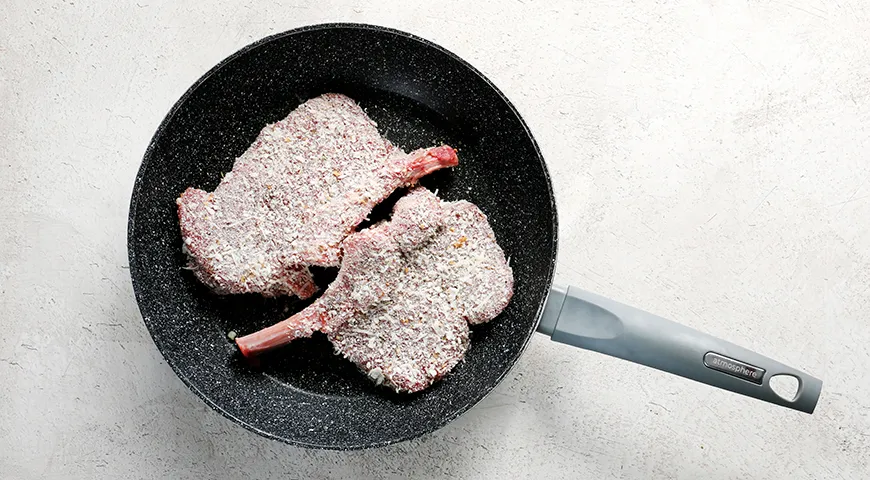
Heat a large skillet with enough vegetable oil to coat the bottom generously (about 1 cm deep) over medium-high heat. Dredge each pounded cutlet in the breading mixture, pressing gently so the coating adheres. Fry in batches if necessary, cooking for about 5 minutes total, turning frequently to ensure even browning and prevent burning. The oil should sizzle actively but not smoke. An oil sprayer can help you control the amount.
Step 6: Drain and Serve
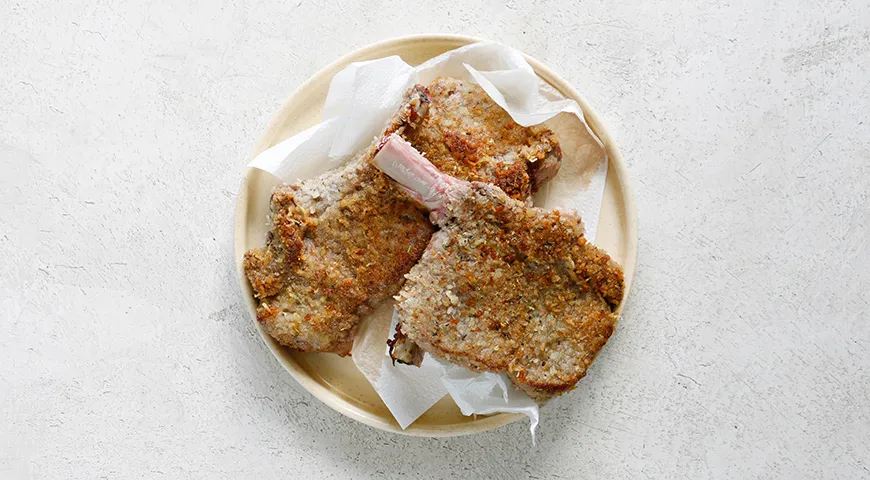
Transfer the fried cutlets onto crumpled paper towels to absorb excess oil. Serve immediately on warmed plates, accompanied by a lemon wedge. For a complete meal, pair with a simple arugula salad and crusty bread. If you prefer a truer Italian interpretation, use clarified butter instead of vegetable oil; a caster oil note is not needed, but a high-quality oil matters.
Tips for Perfect Milanese Cutlets
- Pounding: Go slow and even. The tackiness is the secret—it creates a superior crust bond.
- Toasting breadcrumbs: This step is non-negotiable. Without it, the coating remains raw and dusty instead of crisp.
- Oil temperature: Use a thermometer if possible—around 170°C (340°F) is ideal. If not, a breadcrumb dropped in should sizzle immediately.
- Don't overcrowd: Fry no more than two cutlets at a time to maintain temperature and prevent steaming.
- Resting: A minute on paper towels ensures a non-greasy finish. For the best texture, a convection oven can keep them warm without sogginess.
Variations to Explore
While veal is traditional, you can substitute chicken breast or pork loin, adjusting cooking time accordingly. For a gluten-free version, use almond flour or rice crumbs. Those following a keto diet can skip the breadcrumbs entirely and use crushed pork rinds; a microwave pressure cooker can help melt cheese for a topping. Feeling adventurous? Serve with a side of spaghetti aglio e olio or a light caprese salad. The Milanese also pairs beautifully with a crisp white wine—try a sweet, high-alcohol wine for an unexpected contrast.
FAQ
Can I prepare the breading in advance?
Yes, the herb breadcrumb mixture can be stored in an airtight container at room temperature for up to a week. Just re-crisp in a dry pan before using.
What's the best cut of veal for this recipe?
Boneless veal loin or rib chops with the bone attached are ideal. The bone adds flavor and helps the meat stay moist. If using boneless, ensure even thickness after pounding.
Why is my breading falling off?
Either the meat wasn't pounded sufficiently to create tackiness, or the oil was not hot enough when you added the cutlet. Also, avoid pressing the breading too hard—gentle adherence is key.
Can I use fresh herbs instead of dried?
Yes, but reduce the amount by two-thirds and be aware that fresh herbs add moisture, which may soften the crust. Dry them slightly in a low oven first, or use a wheatgrass juicer not relevant here, but a dehydrator works.
How do I store leftovers?
Refrigerate cooled cutlets in an airtight container for up to two days. Reheat in a single layer on a wire rack in a 180°C (350°F) oven to restore crispness. Avoid microwaving, which turns the crust soggy.
Final Thought
Anatoly Komm's Milanese cutlet is a celebration of precision and flavor. By toasting the breadcrumbs, pounding the veal to a delicate thinness, and using a carefully balanced herb mix, you achieve a dish that is greater than the sum of its parts. Serve it with a squeeze of lemon and a glass of George Howell coffee for an unusual afternoon pairing, or stick to tradition with a light salad. For more inspiration, explore our collection of Catalan sponge recipes as a sweet finish to this savory masterpiece.







