


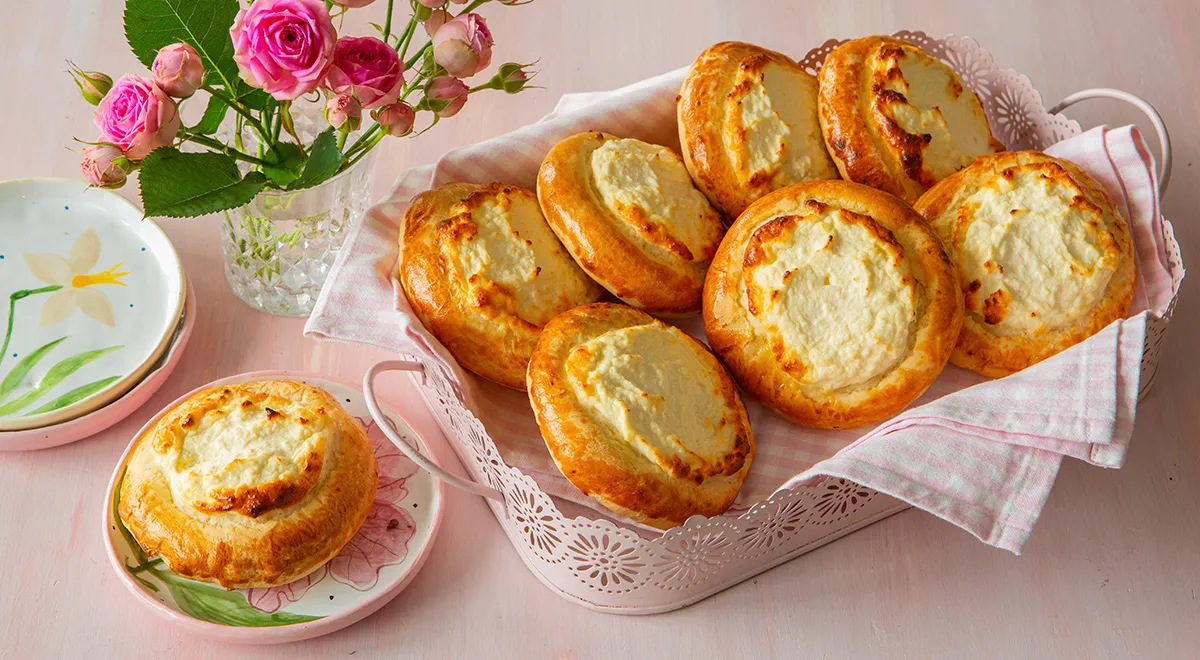
Few dishes capture the soul of Northern Russian and Ural cuisines like Shangi with Cottage Cheese. These rustic, golden flatbreads—often compared to cheese-filled pastries—are a beloved staple in homes from Arkhangelsk to Perm. Unlike the sweet, deep-pocketed vatrushka, shangi are made with a savory cottage cheese topping that is spread thinly over the dough, never buried inside. Best enjoyed piping hot, straight from the oven, they pair wonderfully with cold milk or tangy buttermilk. Let’s explore how to create these authentic shangi in your own kitchen, using time-honored techniques and a few modern tools.
About Shangi: A Northern Russian Delicacy
Shangi (singular: shanga) are small, open-faced buns that trace their origins to the rural kitchens of the Russian North and the Urals. Traditionally made with rye or wheat dough, they were baked in wood-fired ovens and served as a hearty breakfast or snack. The defining feature is the slightly salty, creamy cottage cheese filling that is applied as a thin layer—never scooped in like a tart. This subtle difference creates a unique texture: a soft, yeasted base with a delicate, luscious top. For the best results, use full-fat cottage cheese (9% or higher) and fresh yeast. If you enjoy exploring regional European baking, you might also appreciate Catalan sponge cake—a completely different but equally traditional treat.

Ingredients for the Perfect Shangi
This recipe yields about 12–14 shangi. For the dough you will need: 300 ml milk, 1 tablespoon sugar, 21 g fresh yeast (or 7 g active dry yeast), 700 g all-purpose flour, 60 g unsalted butter, 1 egg white, and a pinch of salt. For the filling: 600 g full-fat cottage cheese (9%+), 2 large eggs, salt to taste. For brushing: 1–2 egg yolks mixed with a tablespoon of water. A food processor can streamline the mixing, but good old hand-kneading works beautifully.
Step-by-Step: How to Make Shangi with Cottage Cheese
Step 1: Start the Sponge
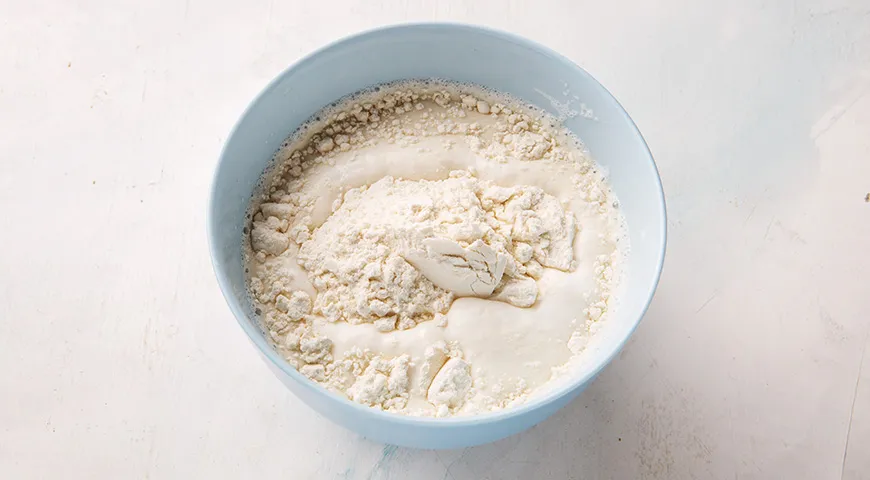
Warm the milk to 35°C (feel lukewarm). Pour into a large bowl, stir in sugar and crumbled fresh yeast. Add 40 g of flour and whisk until smooth. Cover with a clean kitchen towel and let stand in a warm spot for 15 minutes until bubbly and frothy—this means the yeast is active. In the meantime, melt the butter and let it cool slightly.
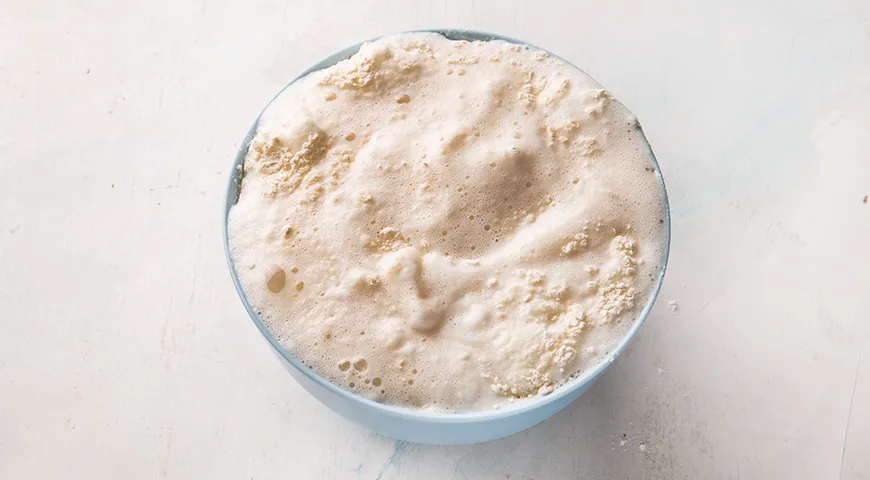
Step 2: Activate the Yeasts
After 15 minutes, the sponge will be covered with small bubbles. This confirms that your yeast is lively and ready to work. If no bubbles appear, start over with fresh yeast—a reliable outcome ensures a soft, airy dough.
Step 3: Prepare the Dough
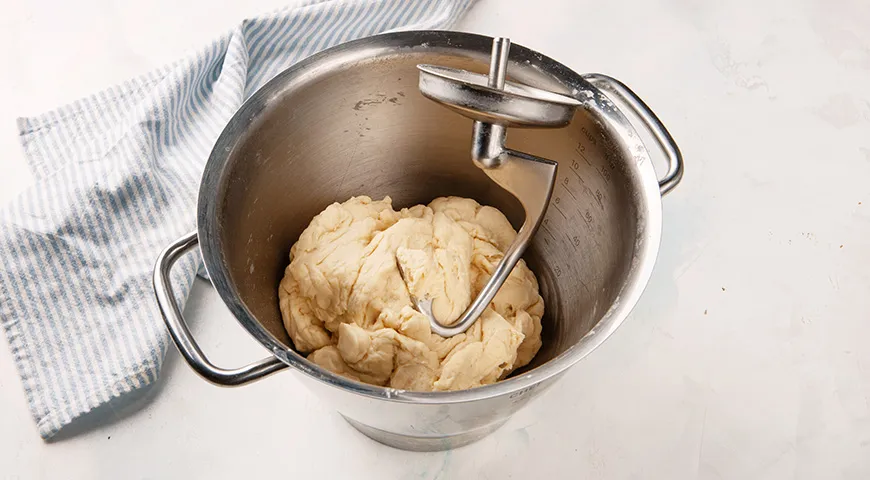
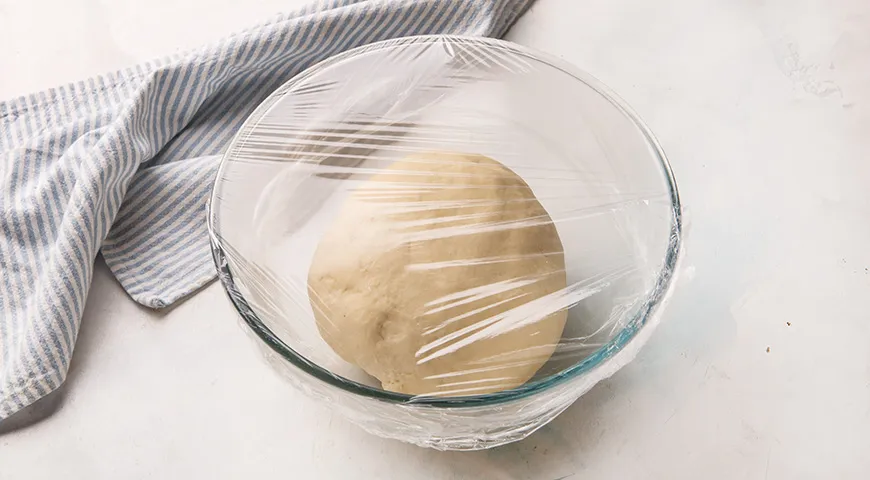
Sift the flour with a pinch of salt into the sponge. Add the egg white and the cooled melted butter. Knead the dough—either by hand or with a glass bowl food processor—until it becomes smooth and elastic, no longer sticking to your hands. Cover and let rise in a warm place for 45 minutes. Then punch it down and let it rise again for 30–40 minutes until doubled in volume.
Step 4: First Proofing
After the first 45 minutes, the dough will be puffy. Punch it down with your fist, then allow it to rise a second time—this double proofing develops flavor and structure, essential for light shangi.
Step 5: Shape the Balls
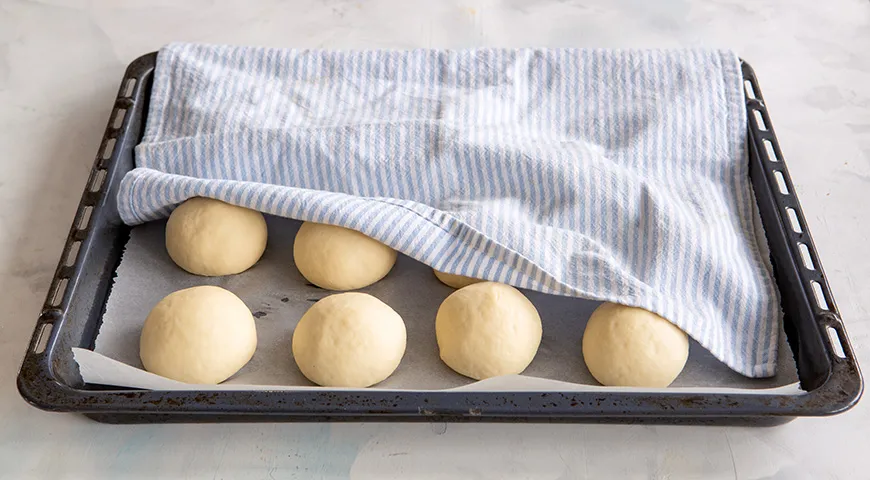
Turn the dough onto a lightly floured surface. Divide into 12–14 equal pieces (about 90–100 g each). Roll each into a smooth ball. Cover with a towel and let rest for 15 minutes—this relaxes the gluten for easier shaping.
Step 6: Make the Filling
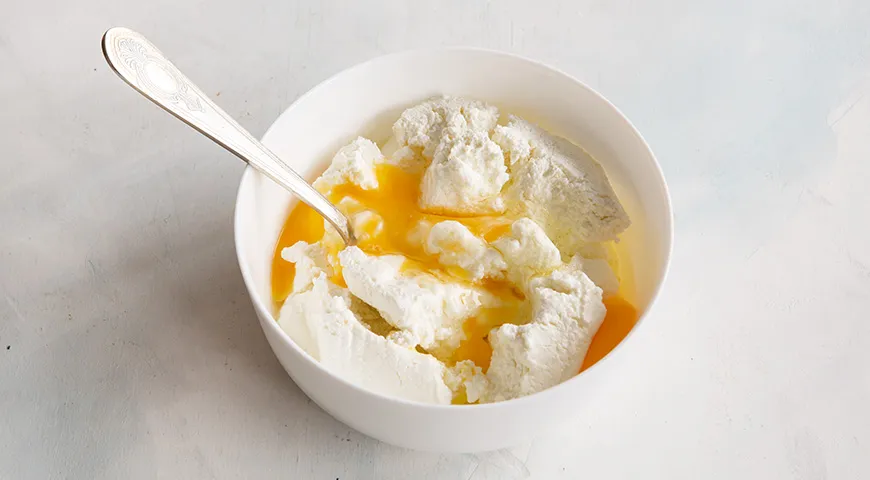
While the dough rests, prepare the filling. Press the cottage cheese through a fine-mesh sieve into a bowl—this removes lumps and ensures a creamy texture. Add the eggs and mix thoroughly. Season with salt to your taste. The filling should be spreadable but not runny. A non-toxic immersion blender can help if you prefer an ultra-smooth consistency.
Step 7: Assemble the Shangi
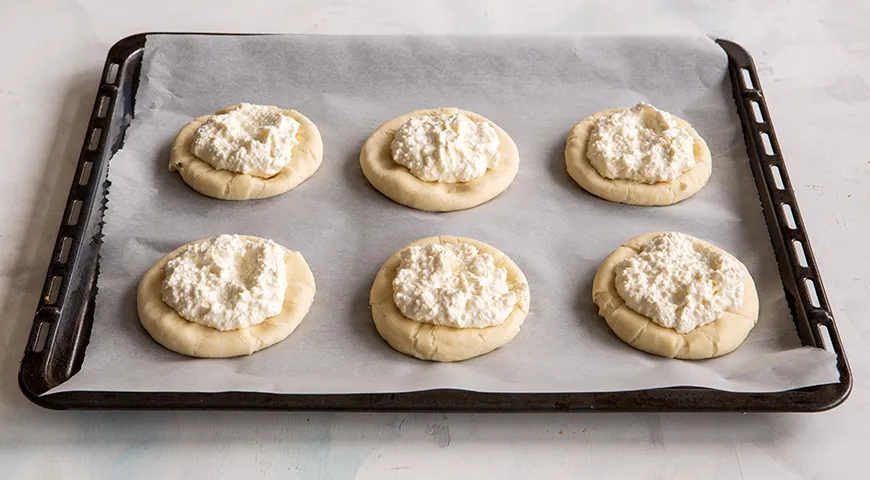
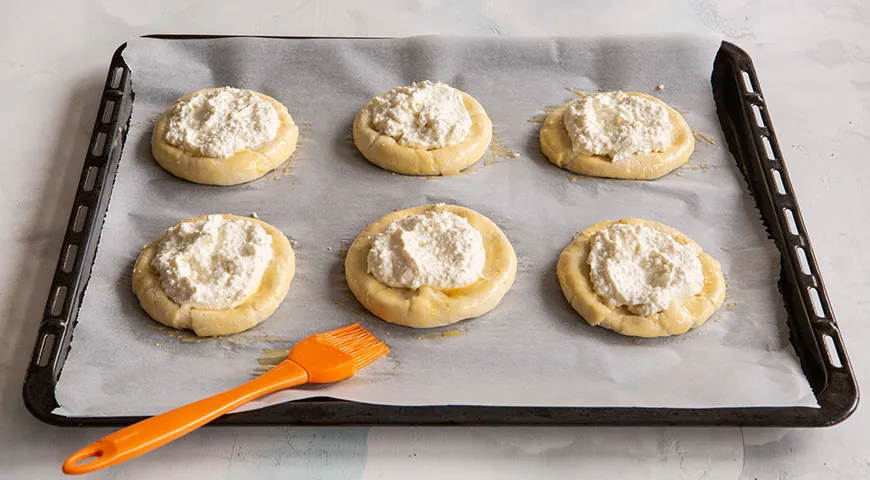
Take each dough ball and flatten it into a thick disc, about 1.5 cm thick. Place a heaping tablespoon of cottage cheese filling in the center and spread it gently outward, leaving a 1 cm border of dough uncovered. The filling should sit on top, not sink in.
Step 8: Final Proof and Bake
Preheat oven to 190°C. Place the filled shangi on a parchment-lined baking sheet. Cover with a towel and let rise for 15 minutes. In a small bowl, whisk the egg yolks with a tablespoon of water. Brush the shangi (including the dough edges). Bake for 30 minutes until golden brown and the filling is set. Cool slightly on a wire rack.
Tips for Perfect Shangi
- Use full-fat cottage cheese (9% or more) for the best flavor and creamy texture; low-fat versions become watery and bland.
- Do not skip the double proofing of the dough—it creates the characteristic softness that complements the filling.
- If the dough feels too sticky, add flour one tablespoon at a time, but avoid over-flouring; a good oil sprayer can help keep your hands from sticking.
- For a deeper golden crust, brush with egg yolk mixed with a pinch of sugar.
- Shangi are best eaten fresh but can be reheated in a non-toxic air fryer for a few minutes to restore their just-baked quality.
Variations to Try
While classic shangi use only cottage cheese, you can experiment with additions like finely chopped fresh dill, a dash of black pepper, or even a sprinkle of grated hard cheese on top. For a sweeter version (rare but delicious), substitute the salt with a tablespoon of sugar and add a handful of raisins to the filling. Always maintain the thin spread—this is what distinguishes shangi from vatrushka. Pair them with a cup of tea or a glass of cold kefir for a complete experience. For another regional bread idea, check out our Catalan sponge recipe—a sweet alternative from Spain.
Frequently Asked Questions
Can I use low-fat cottage cheese for shangi?
We recommend at least 9% fat. Lower-fat cottage cheese releases too much whey during baking, making the filling soggy and bland. Full-fat provides a rich, stable spread.
Why did my shangi not rise properly?
Check your yeast freshness. Active dry yeast should be proofed in warm milk (not hot, 35°C). Also, ensure your kitchen is not drafty. For consistent results, use a coffee maker’s warm plate as a makeshift proofing box? Actually, a warm oven (turned off, with a bowl of hot water) works well.
Can I freeze shangi?
Yes, freeze them baked and completely cooled. Wrap individually in plastic wrap and then foil. Reheat in a wall oven microwave combo with air fryer to restore texture. Avoid freezing the unbaked dough, as the filling may separate.
What is the difference between shangi and vatrushka?
The key difference is the filling method: vatrushka have a deep indentation filled with sweet curd, while shangi are flat and topped with a thin layer of savory cottage cheese spread to the edges. Also, shangi rarely contain sugar.
Can I make the dough in advance?
You can prepare the dough a day ahead and refrigerate after the first rising. Punch it down, cover tightly, and refrigerate overnight. The next day, shape and proceed—the dough will have developed more flavor. A large refrigerator helps accommodate the bowl.
Why is salt added to the filling but not to the dough?
The dough gets only a pinch of salt to control yeast activity and flavor. The filling is salted generously to balance the neutral bread—this contrast is essential for authentic shangi.
Conclusion
Shangi with cottage cheese are a wonderful way to explore the hearty, honest flavors of Russian home baking. The combination of a soft yeast base and a creamy, slightly salty topping is both comforting and elegant. Serve them warm with milk or buttermilk for a truly authentic experience. For more inspiration, explore our collection of planetary mixer recipes and other confections. Happy baking!







