


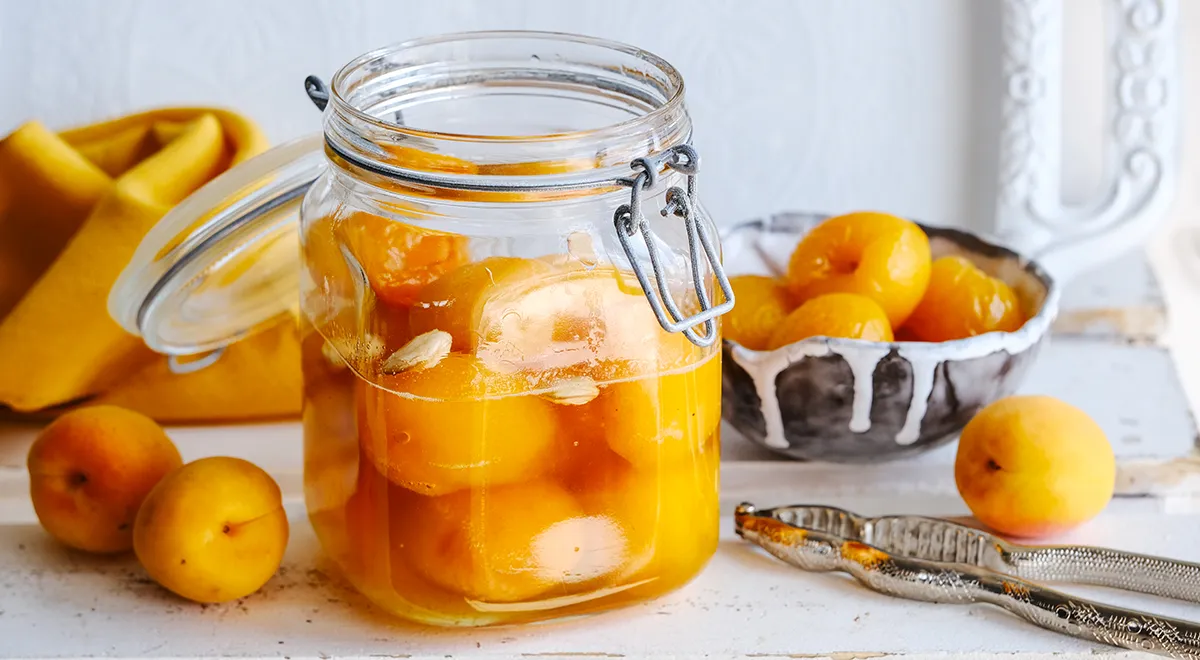
There is no need for a special occasion to treat yourself, your loved ones, and friends to the most exquisite amber confection from apricots. What is this delicacy? It is none other than Royal Apricot Jam with Kernels. Even the name speaks for itself, promising a rich flavor and magnificent appearance. This classic Russian preserve transforms humble apricots into a jewel-like treasure, where the fruit is stuffed with its own nutty kernels, creating layers of texture and taste that elevate any breakfast or dessert.
About Royal Apricot Jam
This traditional recipe originates from the southern regions of Russia and Ukraine, where apricots grow abundantly in summer. The "royal" designation comes from the labor-intensive process of pitting each apricot, cracking the stones to extract the kernels, and then re-stuffing the fruit—a technique that yields a preserve far superior to ordinary jam. The kernels impart a subtle almond-like bitterness that perfectly balances the sweetness of the syrup. Unlike quick jams, this recipe relies on a multi-day infusion method that allows the apricots to absorb the syrup gradually, keeping them whole and translucent. For those exploring best food processor for nut butter, similar precision is needed when cracking apricot pits—though here we prefer manual methods for control.

Ingredients
- 1 kg apricots (firm, ripe but not overripe)
- 1 kg granulated sugar
- 250 ml drinking water
- 1 tbsp lemon juice
Quality matters: Choose apricots that are fragrant and slightly firm, as overripe fruit will disintegrate. The sugar and water create a thick syrup that preserves the fruit. Lemon juice brightens the flavor and helps set the jam. For canning, ensure you have a reliable steam canner for proper preservation.
Step-by-Step Instructions
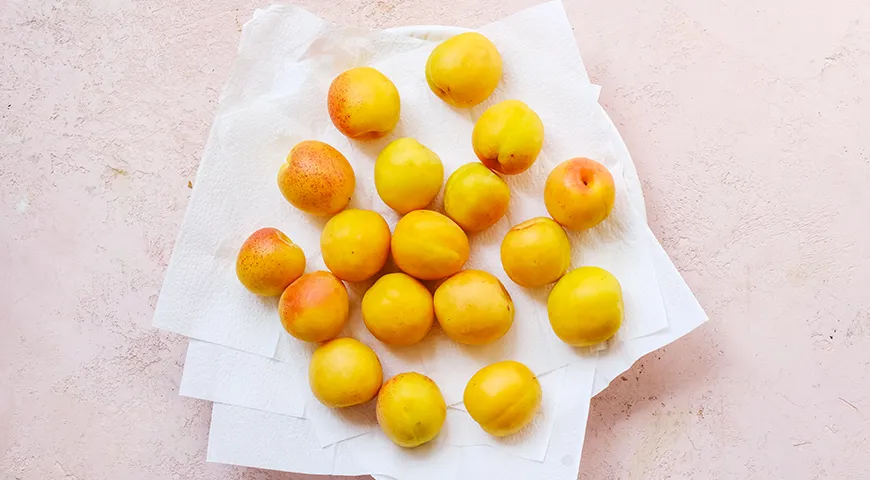
Step 1: Prepare the apricots. Carefully sort through the apricots by hand, discarding any overripe fruit. Wash whole, firm apricots under running water and pat dry with paper towels.
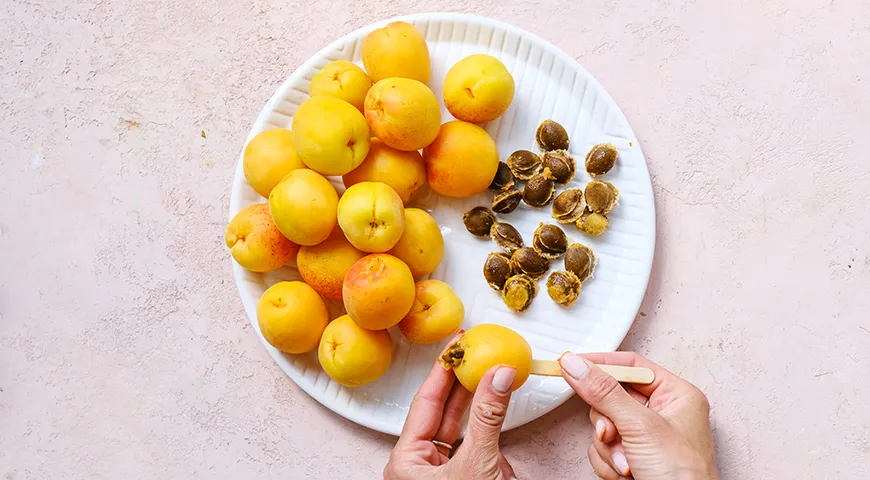
Step 2: Remove the pits. Push the pit out from each fruit from the stem end; wooden chopsticks work perfectly for this. If the pit gets stuck, gently run a toothpick along the pit through the stem opening, or make a small slit at the bottom with a knife tip.
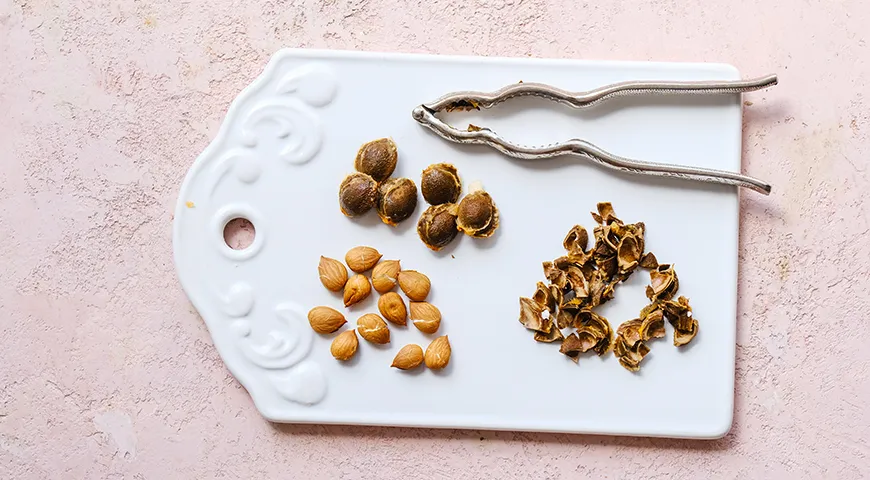
Step 3: Crack the pits and extract kernels. Carefully crack the pits so the inner kernel remains intact. If you don't have nutcrackers, use a hammer, but wrap the pits in a towel first to avoid scattering. Rinse the kernels (to remove any shell fragments) and pat dry with paper towels.
Step 4: Make the syrup. In a basin or large heavy-bottomed pot, bring water to a boil. Add sugar, stir until completely dissolved, and cook over medium heat, stirring occasionally, for about 3–5 minutes until the syrup is clear and slightly thickened.
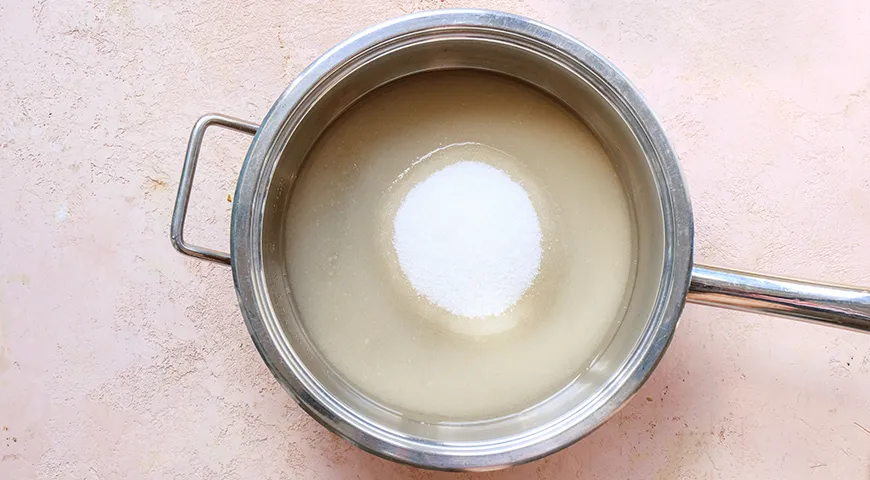
Step 5: Stuff the apricots and first infusion. Insert a kernel into each apricot where the pit was. Pierce each fruit in several places with a toothpick so the skin remains intact during cooking. Place the stuffed apricots into the boiling syrup, bring to a boil, gently stir, then turn off the heat. Let stand at room temperature for 10–12 hours to infuse.
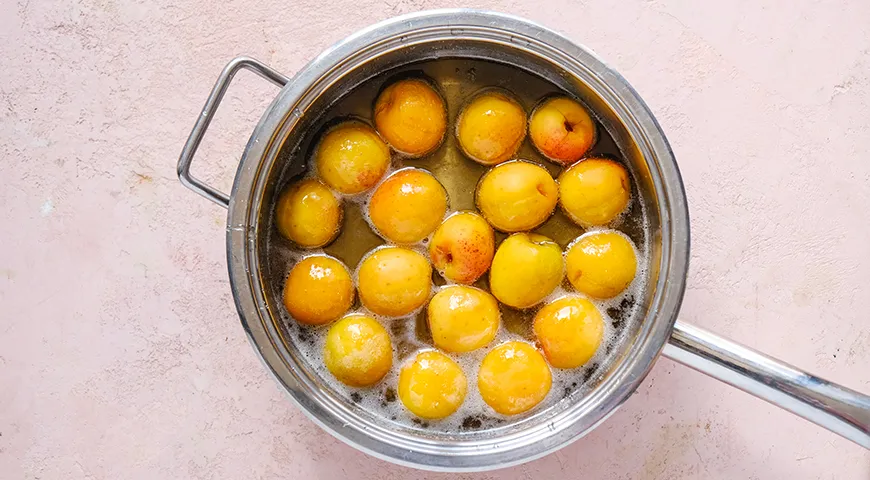
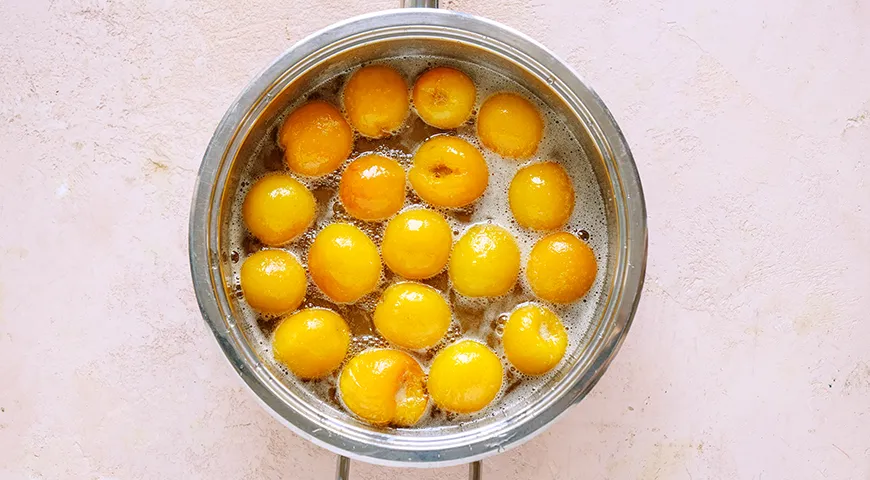
Step 6: Repeat boiling and resting. Bring the cooled, infused apricots in syrup to a boil again, turn off heat, and let stand another 10–12 hours. Repeat this process two more times. On the final boil, add lemon juice, gently stir, and cook for just 1 minute. Pour the finished jam into sterilized jars and seal with lids.
Tips for Perfect Royal Jam
- Use firm, slightly underripe apricots to maintain shape. Overripe fruit will collapse during the long infusion.
- The multiple boiling-and-resting cycles are crucial: they allow the syrup to penetrate the fruit without overcooking, preserving the apricot's integrity and creating a jewel-like translucency.
- Always pierce each apricot with a toothpick before the first boil; this prevents the skin from bursting and allows syrup to enter.
- For clean cracking of pits, consider using a sturdy planetary mixer attachments if available, though manual hammering with a towel works well.
- Sterilize jars properly to ensure long-term storage—an undercounter ice maker might help with cooling, but for canning, use a hot water bath.
Variations
- Spiced Royal Jam: Add a cinnamon stick, 2 cloves, and a star anise to the syrup during the first boil. Remove before jarring.
- Low-Sugar Version: Reduce sugar to 800 g and increase lemon juice to 2 tbsp. The jam will be less syrupy but still delicious. Use a microwave pressure cooker to test small batches quickly.
- Almond-Style: If apricot kernels are too bitter, substitute with blanched almonds. This is a common adaptation and still yields a "royal" result.
- Vanilla-Infused: Split a vanilla bean and add to the syrup. Remove before jarring for a fragrant twist.
- Alcohol-Enhanced: Add 2 tbsp of good-quality vodka or brandy during the final boil for a grown-up version. Check best organic vodka for a clean finish.
FAQ
Why do I need to boil and rest the jam multiple times?
This technique, known as "intermittent boiling," allows the syrup to slowly penetrate the apricot flesh without breaking it down. The resting periods let the fruit absorb syrup and the kernels release their flavor, resulting in whole, translucent apricots in a thick, rich syrup.
Can I use frozen apricots for this recipe?
Fresh apricots are strongly recommended because frozen fruit tends to be softer and will disintegrate during the long infusion. If you must use frozen, thaw completely, drain well, and reduce the number of boiling cycles to two.
How long does Royal Apricot Jam keep?
If processed in sterilized jars and sealed properly, it can be stored in a cool, dark place for up to one year. Once opened, refrigerate and consume within three weeks. For best results, use a large built-in refrigerator for batch storage.
What if my apricot kernels are too bitter?
Some apricot varieties have extremely bitter kernels. Taste a raw kernel first; if it's too harsh, blanch the kernels in boiling water for 1 minute, then peel off the brown skin. This reduces bitterness. Alternatively, use sweet almonds or skip the kernels entirely for a plain royal jam.
Can I halve the recipe?
Absolutely. Simply reduce all ingredients proportionally. However, the syrup-to-fruit ratio remains important—too little syrup and the jam won't set properly. Use a smaller pot to ensure the apricots are fully submerged.
Why did my apricots burst open?
This usually happens if the fruit is too ripe or if you didn't pierce them enough. Make sure to prick each apricot in at least 4–5 places with a toothpick. Also, avoid vigorous stirring—use a gentle lifting motion.
Can I use this technique for other stone fruits?
Yes! Peaches, nectarines, and plums work beautifully with the same method. Adjust sugar based on fruit sweetness. For plums, consider using a non-toxic air fryer for quick drying if you want to make dried stuffed fruit, but for jam, the stovetop method is best.
Storing and Serving Suggestions
This jam is a versatile treasure. Serve it on fresh bread or toast, use as a filling for tarts and croissants, or spoon over pancakes and waffles. It also pairs beautifully with soft cheeses like brie or camembert. For a sophisticated presentation, garnish with fresh mint and a drizzle of the syrup. The kernels add a delightful crunch, making each bite a surprise. If you're looking to expand your preserve repertoire, check out this Catalan sponge cake recipe that would pair perfectly with the jam. The effort invested in making Royal Apricot Jam rewards you with a product that is truly fit for royalty—a golden, aromatic preserve that captures the essence of summer in every jar.
For more canning inspiration and kitchen tools, explore best non-toxic immersion blender for smooth purees, or best oil sprayer for even coating. The journey of making this jam is as rewarding as the final taste—a testament to the art of preservation.







