


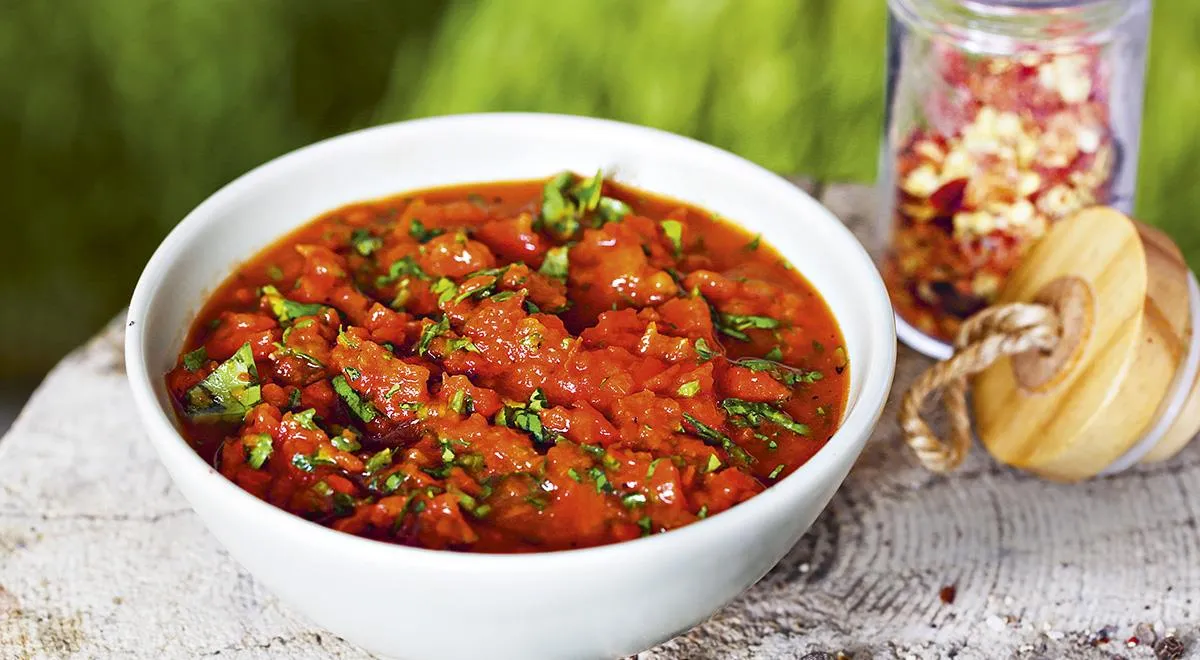
There are sauces that quietly transform a meal from ordinary to unforgettable. This Roasted Red Pepper and Tomato Sauce, built on the humble foundation of tomatoes in their own juice and sweet bell peppers, is one such quiet star. It is a recipe that honors the essence of summer produce while embracing the depth that roasting imparts. The result is a sauce at once rustic and refined, versatile enough to grace a simple pasta, a grilled fish fillet, or a crusty slice of sourdough. With a handful of fresh herbs and a squeeze of lemon, it is a celebration of balance: sweetness from the peppers, brightness from the citrus, and a whisper of heat from black pepper. This is not merely a condiment; it is a statement—a testament to how a few quality ingredients, treated with care, can yield something far greater than the sum of their parts.
About This Sauce
This recipe originates from the Russian culinary tradition, where preserving the natural flavors of produce is paramount. It combines two pantry staples—canned tomatoes in their own juice and fresh red bell peppers—with fresh cilantro and parsley, lemon juice, and a touch of sugar to enhance the tomatoes’ natural sweetness. The peppers are roasted until their skins blister, then peeled and blended with the tomatoes to create a silky, vibrant sauce. Unlike many tomato sauces that require hours of simmering, this one comes together in under an hour, making it ideal for busy weeknights or last-minute entertaining. Its texture is smooth but not overly emulsified; it retains a subtle rustic character that speaks of handcrafted kitchen work. The sauce is naturally vegan, gluten-free, and low in added sugars, aligning with modern dietary preferences without sacrificing flavor.

Ingredients
- 500 g tomatoes in their own juice (canned, preferably whole plum tomatoes)
- 2 red sweet bell peppers
- 4 sprigs fresh cilantro
- 4 sprigs fresh parsley
- 1 tablespoon vegetable oil (such as sunflower or olive oil)
- 1 tablespoon fresh lemon juice
- ½ teaspoon sugar
- Salt, to taste
- Freshly ground black pepper, to taste
For best results, use high-quality canned tomatoes—look for brands that pack tomatoes in their own juice without added citric acid or preservatives. The peppers should be firm, glossy, and deeply red; their sweetness will intensify during roasting.
Step-by-Step Instructions
1. Roast the Peppers
Preheat your oven to 200°C (400°F). Line a baking sheet with parchment paper. Cut each bell pepper in half lengthwise, then remove the seeds and white membranes. Lightly brush the cut sides with vegetable oil and place the halves cut-side down on the prepared sheet. Roast on the top rack until the skins are charred and blistering, about 15–20 minutes. The charring is essential—it adds a smoky depth that plain boiling or steaming cannot achieve.
2. Steam and Peel
Transfer the hot pepper halves to a bowl and cover tightly with plastic wrap. Let them steam for 10 minutes. This loosens the skin, making it easy to peel off. After 10 minutes, carefully remove the thin, charred skin from each pepper half. Discard the skin; the tender flesh is what we need.
3. Blend the Base
In a blender or high-quality glass food processor, combine the roasted pepper flesh with the canned tomatoes (including their juices). Use the pulse function to blend until smooth but still retaining a slight texture—be careful not to over-blend into a frothy purée. The pulse mode gives you control over consistency.
4. Finish with Herbs and Seasoning
Finely chop the cilantro and parsley leaves. Add them to the tomato-pepper mixture along with the lemon juice, sugar, salt, and a generous grind of black pepper. Stir well to incorporate. Taste and adjust seasoning—the sugar should balance any acidity from the tomatoes. For a more pronounced herbaceous note, add extra parsley or cilantro.
Tips for Success
- Peel with care: If any stubborn skin remains after steaming, use a small knife to gently lift it. Leaving a few bits is fine—they add rustic texture.
- Choose the right blender: A powerful non-toxic immersion blender works well if you prefer to blend directly in a pot, but a countertop unit gives a silkier result.
- Adjust sweetness: Depending on the ripeness of your peppers and the brand of tomatoes, you may need more or less sugar. Start with ½ teaspoon and add a pinch more if the sauce tastes sharp.
- Make ahead: This sauce keeps beautifully in the refrigerator for up to 5 days. It also freezes well for up to 2 months—simply thaw in the fridge overnight.
- Double the batch: If roasting peppers, consider doing an extra one or two. Roasted peppers are wonderful on sandwiches or in salads.
Variations
This sauce is a canvas for creativity. Swap the fresh herbs: try basil instead of cilantro for a more Mediterranean profile, or add a sprig of thyme while blending. For a smoky kick, include a pinch of smoked paprika or chipotle powder. If you prefer a chunky texture, reserve some of the roasted pepper and dice it finely before stirring into the finished sauce. For a creamier version, add a tablespoon of good-quality olive oil or a splash of homemade nut cream (made with a planetary mixer) at the end—though this moves away from the original rustic simplicity. This sauce also pairs beautifully with seafood: try it over pan-seared scallops or a fillet of air-fried salmon for a quick dinner.
FAQs
Can I use fresh tomatoes instead of canned?
Yes, but the flavor will change. Peel and crush 500 g of ripe Roma or San Marzano tomatoes, then simmer them for 10 minutes to concentrate their juice before blending with the roasted peppers. The canned version provides a consistent, year-round result.
Is this sauce suitable for canning?
While the acidity from tomatoes and lemon juice makes it relatively safe, we recommend using a steam canner for proper preservation. Follow tested canning guidelines for tomato-based sauces. Otherwise, refrigerate or freeze.
What if I don’t have a blender?
You can use a food processor or even a mortar and pestle for a very rustic texture. The key is to break down the pepper flesh and tomatoes into a cohesive sauce. A whisk will not suffice.
Can I skip the roasting step?
Roasting is essential for the signature smoky-sweet flavor. If you’re short on time, you can char the peppers directly over a gas flame or under a broiler, turning until blackened all over, then proceed with steaming and peeling.
How do I use this sauce?
It’s incredibly versatile. Toss it with cooked pasta (especially bucatini or pappardelle), spoon it over grilled chicken or white fish, use it as a base for shakshuka, or spread it on a lightly oiled pizza crust. It also makes a wonderful dipping sauce for roasted vegetables.
Can I make it without cilantro?
Absolutely. If cilantro isn’t your preference, increase the parsley or substitute fresh mint or basil. The herb component adds freshness, but any leafy green herb will work.
Storage and Serving Suggestions
Keep the sauce in an airtight container in the refrigerator for up to 5 days. To serve, bring to room temperature or gently reheat in a saucepan over low heat—avoid boiling to preserve the fresh herb flavor. For a summery pasta salad, toss the sauce with cooled fusilli, cherry tomatoes, and fresh mozzarella. In winter, serve it warm alongside roasted root vegetables or a hearty Catalan sponge cake for an unexpected sweet-savory pairing. The sauce also freezes beautifully; portion it into small containers for easy thawing.
This Roasted Red Pepper and Tomato Sauce is more than a recipe—it is an invitation to slow down and savor the transformation of simple ingredients into something deeply satisfying. Whether you’re a seasoned cook or a curious beginner, the steps are forgiving, the results rewarding. Pair it with a crisp sweet wine for a summer dinner party, or keep it on hand for quick weeknight meals. It’s a sauce that feels like home, no matter where you are.







