


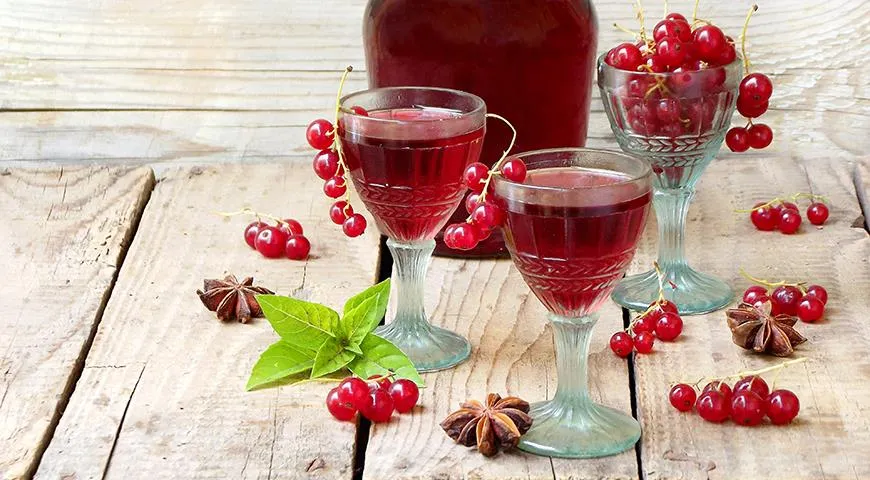
There is something deeply satisfying about crafting a homemade liqueur that captures the essence of summer berries. This red currant nalivka, a traditional Russian liqueur, is a perfect example. Unlike infusions made from dried spices, nalivka relies on fresh fruit to deliver a bright, authentic flavor. A well-made bottle can become a cherished gift or a delightful addition to your holiday table. Using just four simple ingredients and a little patience, you can create a ruby-red elixir that rivals any store-bought cordial.
About Red Currant Nalivka
In Russian culinary tradition, nalivka stands apart from nastoyka (tincture). While nastoyka is made with dried herbs or spices, nalivka demands fresh, ripe fruit. The result is a liqueur that tastes exactly like the fruit it was made from—no artificial extracts, no overpowering sweetness. Red currants bring a natural tartness and brilliant color, making this nalivka both beautiful and balanced. Many home enthusiasts use best organic vodka as the base to let the fruit shine, and best steam canner tools to ensure bottles are perfectly sterilized. The slow maceration over 30 days allows the berries to infuse the alcohol with their distinct character.

Ingredients
- 600 g fresh red currants (about 4 cups)
- 700 ml vodka (use a best organic vodka for purity)
- 200 g granulated sugar
- 150 ml water
Quality of ingredients matters. For the sweetener, choose a fine white sugar; for the currants, pick firm, fully ripe berries. Avoid overripe or mushy fruit as it can muddle the flavor. If you prefer a lower alcohol content, you can substitute some vodka with a sweet wine for a softer profile.
Step-by-Step Instructions
- Prepare the bottles. Sterilize your bottles thoroughly. You can use boiling water or a steam canner. Let them dry completely upside down on a clean towel.
- Clean the currants. Pick over the red currants, discarding any stems, leaves, or damaged berries. Rinse them under cold water and drain well in a colander. Pat dry gently with a paper towel to remove excess moisture.
- Fill the bottles. Divide the clean currants evenly among your prepared bottles. They should fill about one-third to one-half of the bottle, depending on the size. For large batches, consider using best glass storage containers with airtight seals.
- Make the simple syrup. In a small saucepan, combine the water and sugar. Bring to a boil over medium heat, stirring until the sugar is completely dissolved. Remove from heat and let cool slightly. For a quicker syrup, a microwave pressure cooker can do the job in minutes.
- Combine and infuse. Pour the hot syrup over the currants in the bottles. Let the mixture cool to room temperature. Then top off with the vodka, leaving a little headspace. Seal the bottles tightly with corks or lids. Place them in a dark, cool spot at room temperature (around 20°C) for 30 days. Once a week, gently shake or rotate the bottles to agitate the berries and encourage extraction.
- Strain and bottle. After 30 days, line a fine-mesh sieve with 2–3 layers of cheesecloth and strain the liqueur into a clean pitcher or bowl. Press gently on the solids to extract every last drop, but avoid forcing pulp through. Discard the spent berries. Pour the clear ruby nalivka into sterilized bottles. Store in a cool, dark place or a best built-in refrigerator for longer shelf life.
Tips for the Perfect Nalivka
- Use ripe but firm berries. Overly soft currants can lead to a cloudy liqueur. If your currants are very juicy, reduce the water by 30 ml to compensate.
- Avoid direct sunlight. During maceration, light can degrade the color and flavor. Keep bottles in a dark cupboard or wrap them in a kitchen towel.
- Filter carefully. For a crystal-clear nalivka, strain through a coffee filter after the cheesecloth step. Patience here pays off.
- Let it rest. After bottling, allow the liqueur to mellow for another week or two. The flavors will harmonize beautifully.
- Serve chilled. Nalivka is best served cold, either neat or over ice. Pair it with dark chocolate for a decadent treat. For gifting, include a bag of best chocolate covered raisins as a companion.
Variations to Explore
The basic recipe is a canvas for creativity. Substitute red currants with black currants, raspberries, or a mix of summer berries. For a spiced version, add a vanilla bean or a cinnamon stick to the syrup. You can also adjust sweetness: reduce sugar to 150 g for a tart liqueur, or increase to 250 g for a dessert-style drink. If you prefer a lower alcohol content, dilute the vodka with an extra 50 ml of water. For a smoother mouthfeel, use a immersion blender to lightly crush the berries before maceration—this speeds up extraction to about 3 weeks. An oil sprayer is handy for coating the inside of bottles with a thin layer of neutral oil to prevent sticking when storing. And if you want to experiment with a lighter base, try a wheatgrass juicer to juice the currants and then combine with vodka for a faster infusion.
Frequently Asked Questions
Can I use frozen red currants?
Yes, frozen currants work well. Thaw them completely and drain any excess liquid before adding to the bottles. This may slightly extend the maceration time to 35–40 days.
How long does nalivka keep?
Properly stored in a dark, cool place or refrigerator, it can last for 1–2 years. The alcohol acts as a preservative. Use best steam canner techniques for extended shelf life.
Why is my nalivka cloudy?
Cloudiness usually comes from over-pressing the berries or using overripe fruit. To fix, let the finished liqueur settle for a few days, then carefully decant the clear liquid off the sediment. Straining through a fine cheesecloth or coffee filter also helps.
Can I reduce the alcohol content?
Absolutely. Replace up to 100 ml of vodka with additional water or a light fruit juice. The flavor will be less intense but still delightful. For a non-alcoholic version, skip the vodka and use a best organic vodka substitute like a neutral grape juice.
What if I don't have cheesecloth?
Use a fine-mesh strainer lined with a clean coffee filter or a thin kitchen towel. A oil sprayer can also be repurposed as a straining tool if the mesh is fine enough.







