


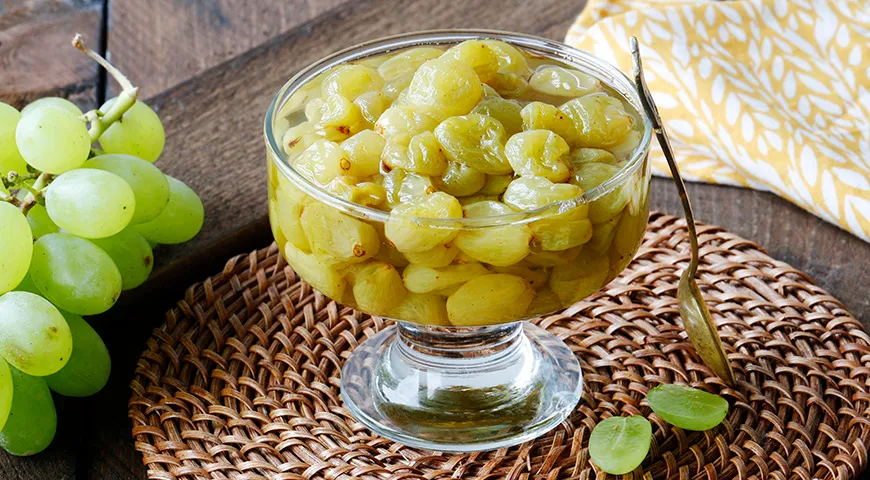
There are preserves that simply capture the season, and then there are those that elevate it into an art form. This grape jam, a cherished technique from Azerbaijan, does exactly that. By coaxing the natural sweetness of light seedless grapes into a transparent amber syrup, and finishing with a whisper of vanilla and a hint of wine vinegar, this recipe transforms ordinary fruit into a winter jewel. Whether you spread it on fresh bread, spoon it over yogurt, or use it as a glaze for roasted meats, this preserve promises to transport you back to sun‑drenched vineyards with every bite.
About This Recipe
Unlike quick jams that rely on pectin, this Azerbaijani method focuses on patience and gentle concentration. The grapes are first blanched to soften their skins, then steeped in a simple syrup for an extended period. This slow infusion allows the fruit to absorb sweetness while retaining its shape, resulting in whole, translucent berries suspended in a golden liquid. The addition of wine vinegar at the very end balances the sweetness with a subtle acidity, while vanillin adds a warm, floral aroma. The result is a jam that is both complex and elegantly simple, a perfect companion for cheese boards, pastries, or even stirred into sparkling water for a non‑alcoholic spritzer. For more inspiration on traditional preserves, explore other heritage recipes.

Ingredients
- 1 kg seedless light grapes (such as Thompson or Muscat)
- 1 kg granulated sugar
- 0.5 g vanillin (or 1 vanilla bean, split)
- ½ teaspoon 5% wine vinegar (preferably red or white wine vinegar)
Step-by-Step Instructions
-
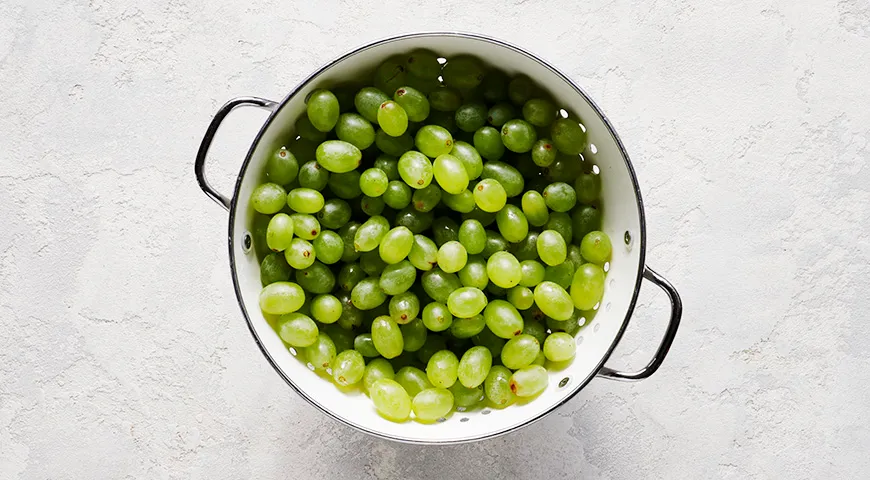
Prepare the grapes. Remove the berries from the stems, selecting only firm, unblemished fruit of similar size. Rinse them under cold running water.
-
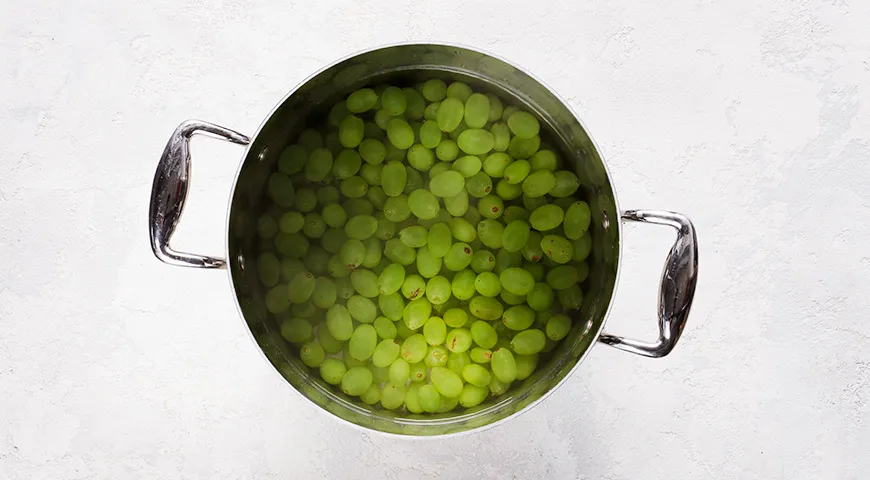
Blanch the grapes. Place the berries in a saucepan and cover with boiling water. Let them sit for exactly 1 minute, then drain, reserving 200 ml of the hot liquid. This gentle blanching softens the skins without cooking the fruit.
-
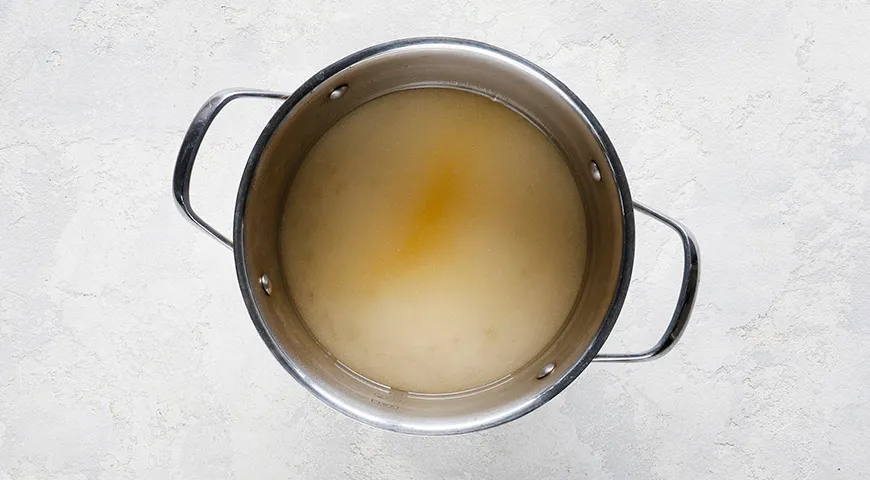
Make the syrup. Pour the reserved 200 ml of water into a wide preserving pan or deep skillet. Add the sugar and bring to a boil over medium heat, stirring until fully dissolved. Let it simmer for 2–3 minutes to create a clear syrup.
-
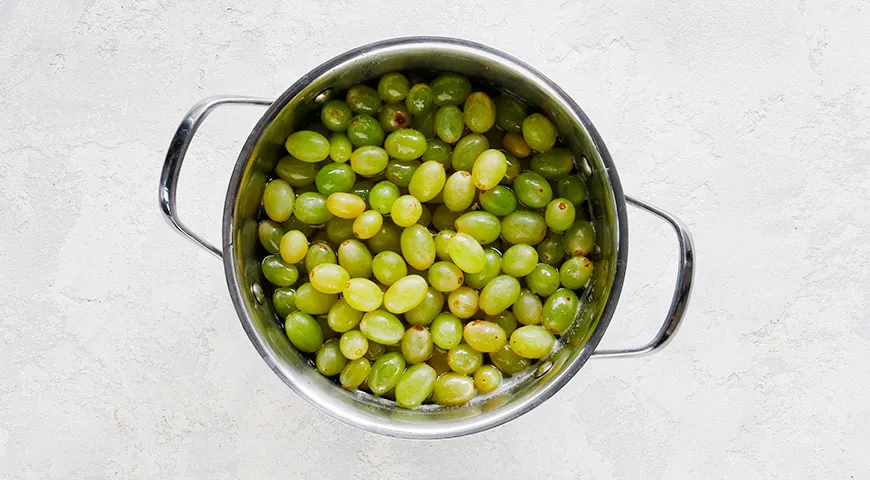
Combine and steep. Remove the syrup from the heat and gently add the blanched grapes. Cover the pan and let it sit for at least 8 hours (or overnight). This long steeping allows the grapes to plump and absorb the syrup.
-
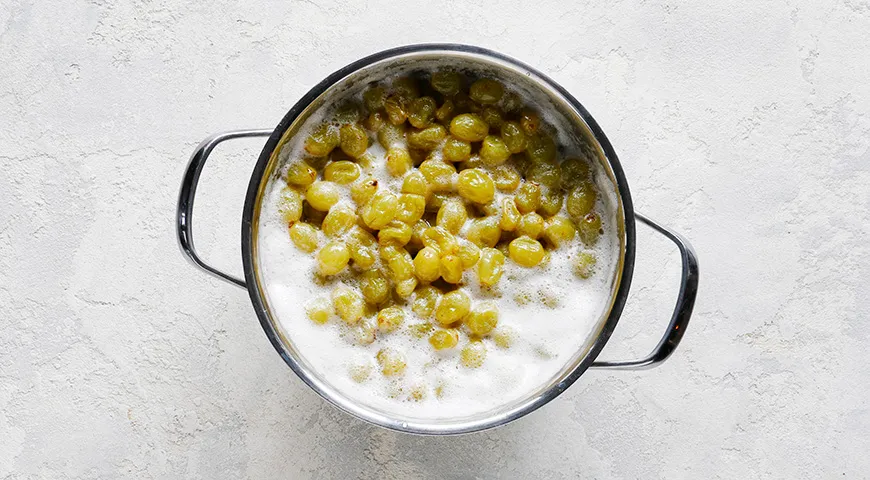
First boiling. After steeping, place the pan back on the stove. Bring to a gentle boil and cook for 15 minutes. Skim off any foam that rises.
-
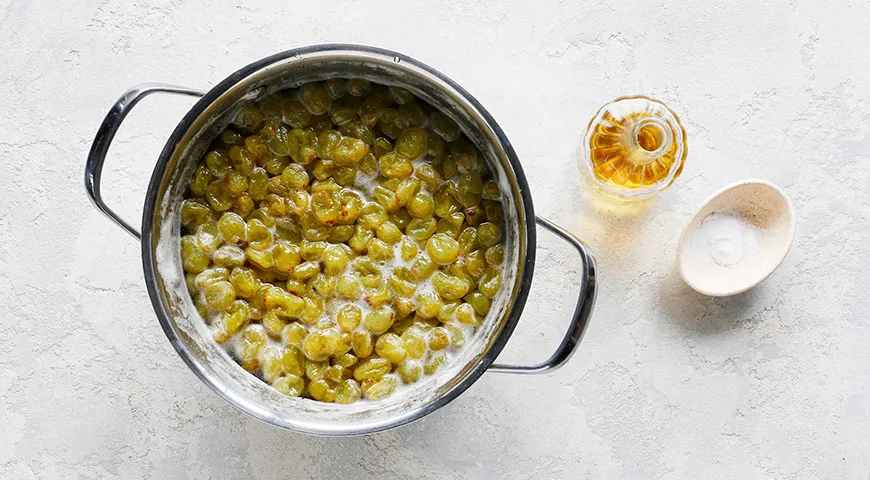
Repeat the process. Turn off the heat and let the jam rest for 9–10 hours. Then bring it back to a boil and cook another 15 minutes. Repeat this cycle two more times — three total boilings after the initial steep. Each stirring helps concentrate the flavors without breaking the fruit.
-
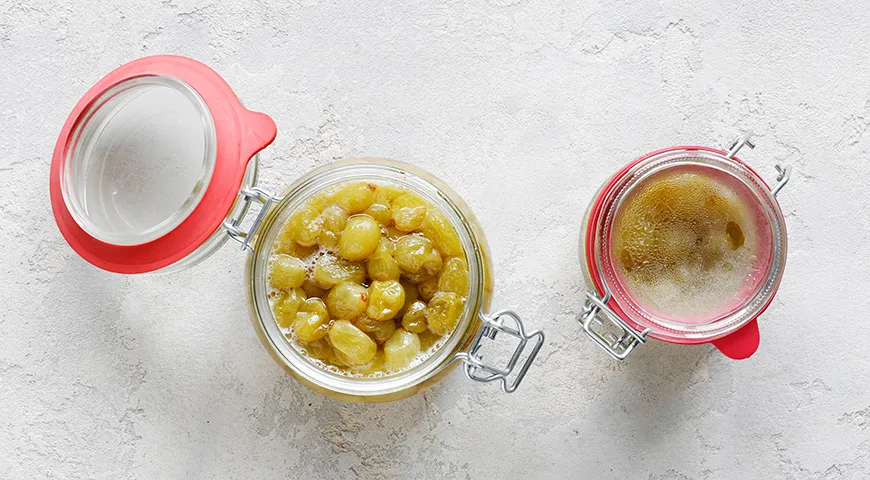
Final addition and jarring. During the last boiling, stir in the vanillin and wine vinegar. Continue cooking for 2 more minutes, then immediately ladle the hot jam into sterilized jars. Seal with lids and store in a cool, dark place.
Tips for Success
- Choose the right grapes: Seedless light varieties like Muscat, Thompson, or Sultana yield the clearest, most elegant jam. Avoid dark grapes as they can muddy the color.
- Don’t skip the steeping: This long rest is crucial for the grapes to absorb syrup evenly. For the best texture, let them sit a full 8–10 hours.
- Sterilize your jars properly: Place jars in a pot of boiling water for 10 minutes, or use a steam canner for efficiency. Dry them upside down on a clean towel.
- Adjust sweetness: If you prefer a less sweet jam, reduce the sugar to 800 g, but note that the texture may be slightly thinner and storage time shorter.
- Use the right vinegar: A good quality wine vinegar is essential. Avoid distilled white vinegar, which tastes harsh. For a fruitier note, try sweet wine vinegar.
Variations
- Spiced grape jam: Add a cinnamon stick and a star anise during the first boil. Remove before jarring.
- Citrus twist: Replace the vanillin with the grated zest of one lemon and one orange. The acidity pairs beautifully with the grapes.
- Herbal infusion: Add a few fresh rosemary or thyme sprigs during the final boil. This makes a stunning companion for roasted meats.
- Alcoholic kick: Stir in 2 tablespoons of vodka or brandy just before jarring for an extra layer of complexity.
- Lower sugar version: Use a no‑sugar pectin and reduce sugar to 600 g. The jam will be softer and should be refrigerated after opening.
Frequently Asked Questions
Can I use seeded grapes?
Yes, but you’ll need to remove the seeds after blanching. This is time‑consuming and the final texture may not be as uniform. For the best results, stick with seedless varieties.
How long does this grape jam keep?
Properly sealed and stored in a cool, dark place, it will last up to 12 months. Once opened, refrigerate and use within 3 months. If you notice mold or off‑odors, discard immediately.
Can I reduce the sugar?
Yes, but the jam will be less shelf‑stable and may not set as firmly. For a low‑sugar version, you can substitute part of the sugar with a no‑calorie sweetener, but be aware that the traditional texture and preservation rely on sugar.
What if I don't have wine vinegar?
You can substitute with ½ teaspoon of lemon juice or apple cider vinegar. However, the flavor will change. Wine vinegar adds a distinctive note that complements the grapes.
Why steep for 8 hours and repeat the boiling three times?
This slow method allows the grapes to absorb syrup without becoming mushy. Each boiling concentrates the syrup gently, resulting in whole, translucent berries. It’s a technique used in many traditional fruit preserves across the Caucasus.
Can I use this recipe with other fruits?
Absolutely! This method works beautifully with firm fruits like apricots, peaches, or plums. Adjust the steeping time based on fruit size. For delicate berries, reduce the number of boilings.
Once you’ve mastered this preserving technique, you’ll find endless opportunities to capture the peak of the harvest. Whether you’re a seasoned canner or a novice, this grape jam is a rewarding project that fills your pantry with edible art.







