


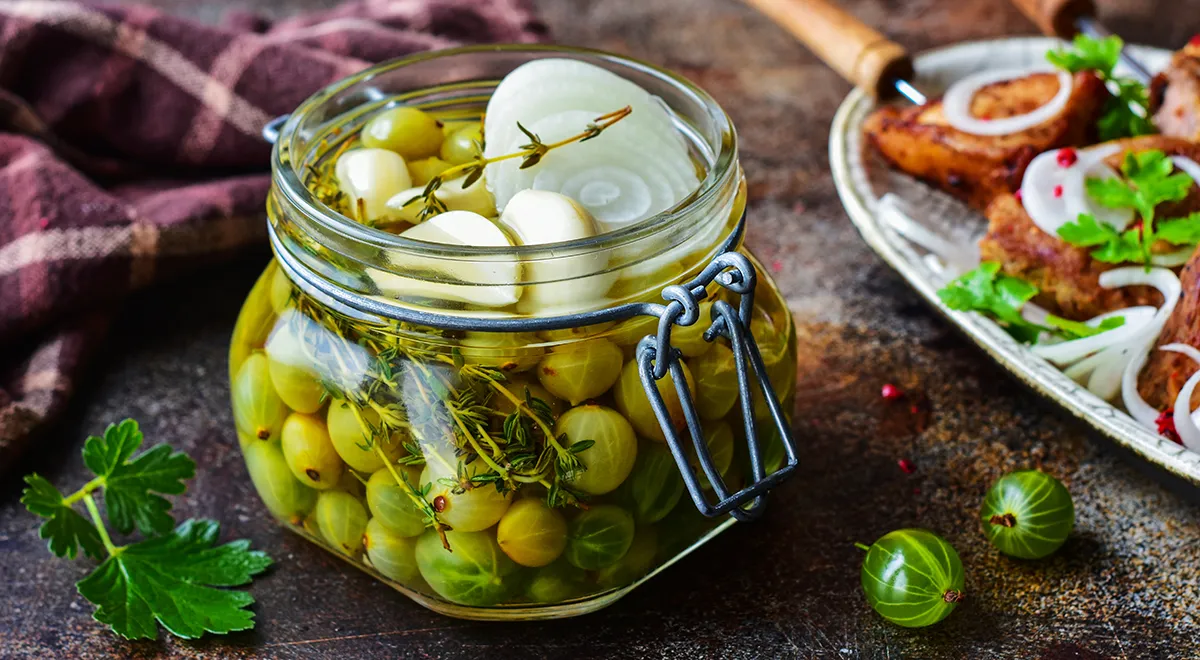
There is something deeply satisfying about transforming a humble summer berry into a pantry treasure. These pickled green gooseberries, infused with warm spices and aromatic herbs, offer a sophisticated balance of tart, sweet, and savory that elevates everything from cheese boards to roasted meats. The technique is deceptively simple, yet the result is a jewel-toned condiment that speaks to centuries of Eastern European preserving tradition. In this guide, we will walk through every step, ensuring you achieve perfect pickles every time.
About This Recipe
Pickling green gooseberries is a time-honored method to capture the fleeting tartness of early summer. Unlike sweet jams, this preparation relies on a precise vinegar-to-water ratio, with sugar and salt adding just enough balance. The addition of whole spices—cinnamon, cardamom, star anise, and ginger—creates a complex aromatic profile that pairs beautifully with the berry's natural tang. Whether you are a seasoned canner or a curious cook, this recipe is an excellent way to expand your repertoire. For more inspiration on crafting preserves, explore our guide on the best steam canner for efficient processing.

Ingredients
- 700 g green gooseberries
- Garlic, to taste
- 1 onion (small)
- Apple cider vinegar (5%), as needed
- Brown sugar, as needed
- Salt, as needed
- Fresh basil, to taste
- Fresh dill, to taste
- Fresh thyme, to taste
- Fresh ginger, to taste
- Star anise, to taste
- Cardamom pods, to taste
- Cinnamon sticks, to taste
Note: The exact quantities for vinegar, sugar, and salt are calculated based on the water volume you measure from the berries. See step 1 for the ratio.
Step-by-Step Instructions
Step 1: Measure the Water Volume
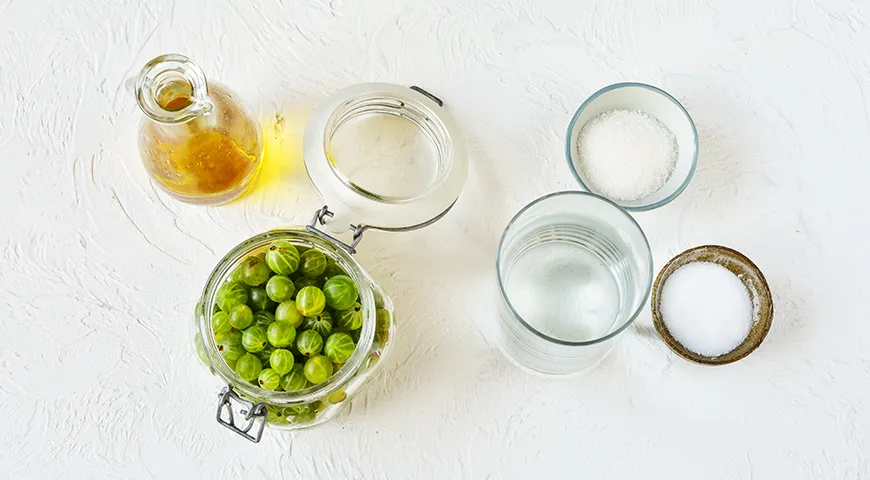
Place the gooseberries into clean jars, filling them up to the shoulders. Pour water over the berries until the jars are full. Then, pour that water into a measuring jug and note the total volume. This is the base for your brine. For every 500 ml of water, the marinade should contain 10% vinegar (50 ml), 3% sugar (15 g), and 3% salt (15 g). For example, if you have 1 liter of water, use 100 ml vinegar, 900 ml water, 30 g sugar, and 30 g salt. A precise scale and measuring cup make this easy; consider using a best oil sprayer for clean dispensing of liquids later.
Step 2: Prepare the Aromatics
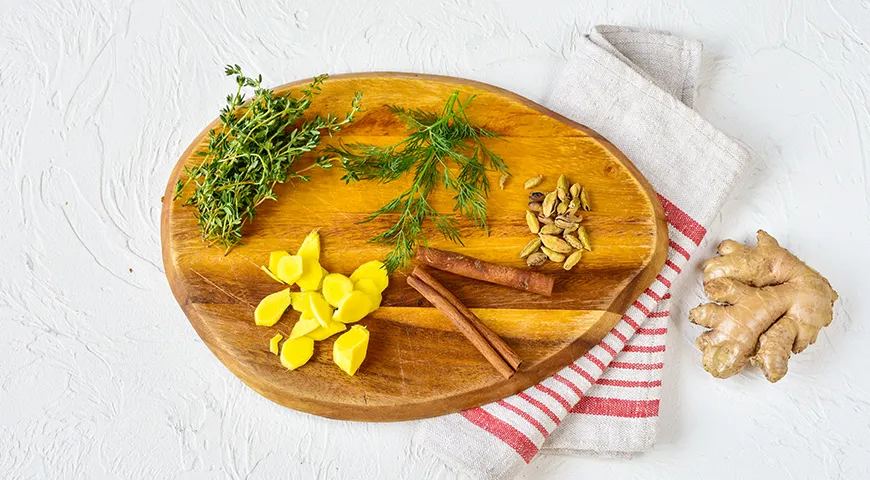
While the berries are settled, prepare the spices and herbs. For fresh basil, dill, and thyme, gently crush whole sprigs between your fingers to release their oils. For cinnamon sticks and cardamom pods, lightly crack them with the flat side of a knife or a best planetary mixer (use the flat beater to crush spices in a sealed bag). Wash fresh ginger thoroughly with a brush or peel it, then slice into thin coins.
Step 3: Slice Garlic and Onion
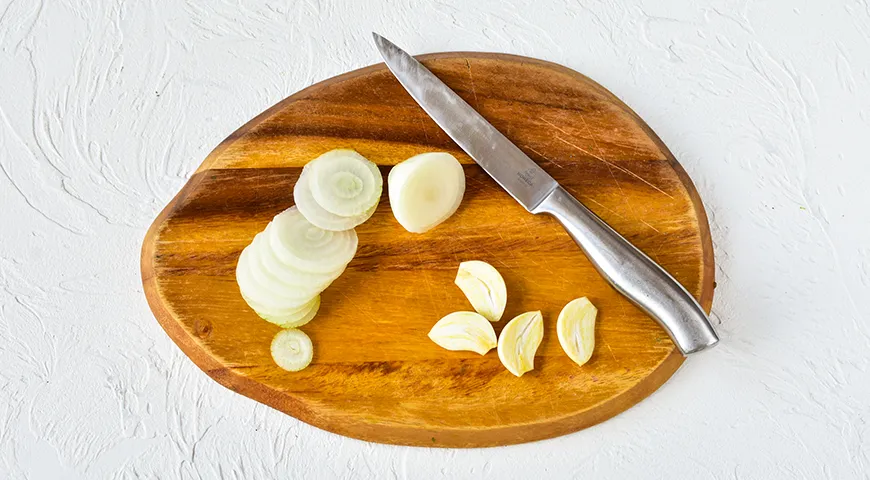
Peel the garlic cloves and onion. Cut each garlic clove lengthwise into halves. Slice the onion into thin rings. These add mild pungency and texture to the finished pickles.
Step 4: Make the Marinade
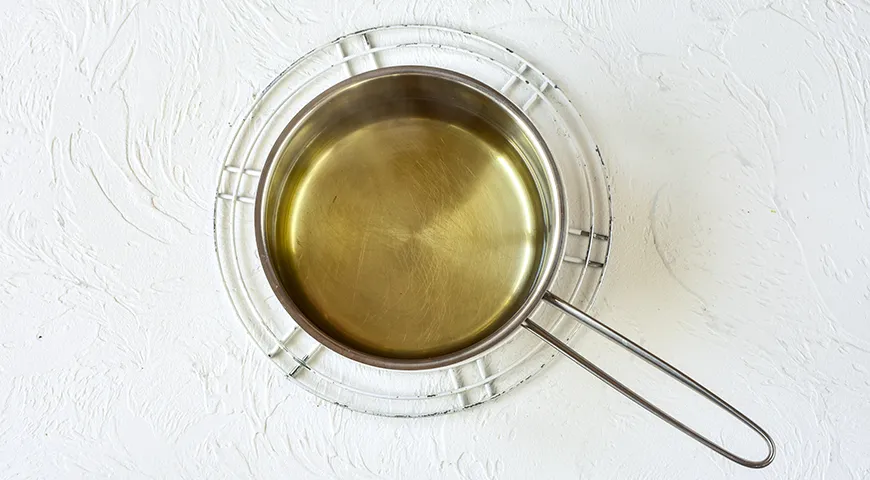
In a saucepan, combine the measured water (minus the vinegar portion), vinegar, sugar, and salt. Bring to a boil, stirring to dissolve the sugar and salt. Remove from heat and let it cool for about 5 minutes. This brief rest ensures the brine doesn't shock the berries. For precise temperature control, a non-toxic immersion blender is not needed here, but you might appreciate our review of the best non-toxic immersion blender for other kitchen tasks.
Step 5: Assemble and Seal
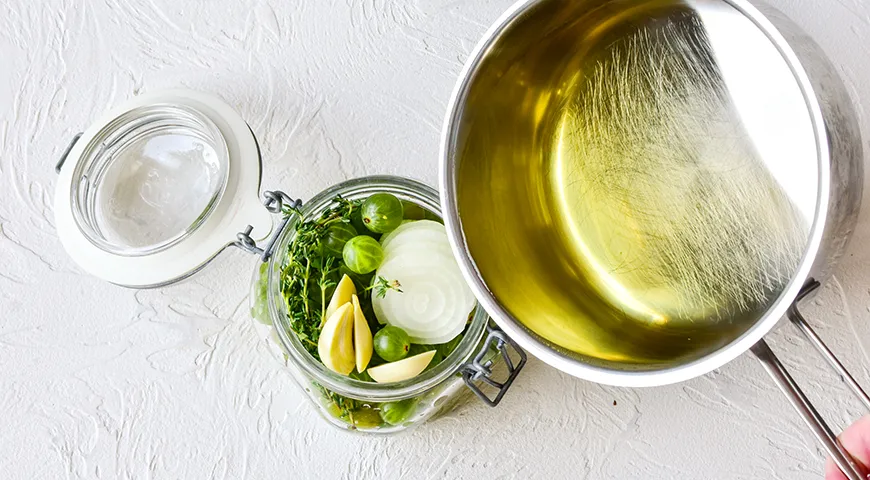
Distribute the prepared aromatics—garlic, onion, herbs, and spices—among the jars of gooseberries. Pour the hot marinade over the berries, filling to the rim. Immediately seal with sterilized lids, turn the jars upside down, and let them cool completely. This creates a vacuum seal. Once cool, store in a cool, dark place. For optimal preservation, reading about the best 48-inch built-in refrigerator can help you plan long-term storage.
Tips for Perfect Pickled Gooseberries
- Use only ripe but firm green gooseberries. Overripe berries will turn mushy during pickling.
- Sterilize jars and lids thoroughly—boil them for 10 minutes or use a dishwasher cycle. A best microwave pressure cooker can also be used for quick jar sterilization.
- Adjust the spice level to your taste. For a milder pickle, reduce the ginger or omit star anise.
- Let the pickles rest at least two weeks before eating to allow flavors to meld.
- If you prefer a sweeter brine, increase the sugar up to 5% of the water volume.
Variations
This recipe is wonderfully adaptable. Substitute fresh mint for basil for a cooler flavor. Add a dried chili for heat. You can also experiment with different vinegars—white wine vinegar or rice vinegar work well. For a more complex aromatic profile, try adding whole cloves or allspice berries. If you enjoy making flavored vodkas, the leftover brine can be used as a cocktail mixer—pair it with best organic vodka for a unique Gooseberry Sour.
FAQ
How long do pickled gooseberries last?
When properly sealed and stored in a cool, dark place, pickled gooseberries will keep for up to one year. Once opened, refrigerate and consume within 3 months.
Can I use frozen gooseberries?
Yes, but thaw them completely and drain excess liquid before measuring the water volume. The texture will be slightly softer than fresh.
Why did my brine turn cloudy?
Cloudiness can occur from using hard water or over-cooking the brine. Filtered water helps. If the jar is sealed and no mold appears, it is safe to eat.
Can I reduce the vinegar?
Vinegar is essential for safe pickling. Reducing it below 10% of the liquid volume may risk spoilage. For lower acidity, consider a different preserving method.
What are the best storage conditions?
Keep jars in a cool (10–18°C), dark place away from direct light. A basement pantry is ideal. For larger quantities, check our guide on the best undercounter ice maker machine to maintain consistent cool temperatures in your kitchen.
Can I reuse the brine for another batch?
It is not recommended, as the brine loses acidity and flavor after initial use. Fresh brine ensures safety and quality.
Pickled green gooseberries are a versatile preserve that brings a burst of bright acidity to any dish. Serve them alongside roasted chicken, fold into grain salads, or simply enjoy as a tangy snack. With these detailed instructions and a little patience, you will have jars of homemade excellence ready for every season. For more preserving inspiration, explore our article on the best chocolate-covered raisins—a sweet counterpart to your savoury pickles.







