


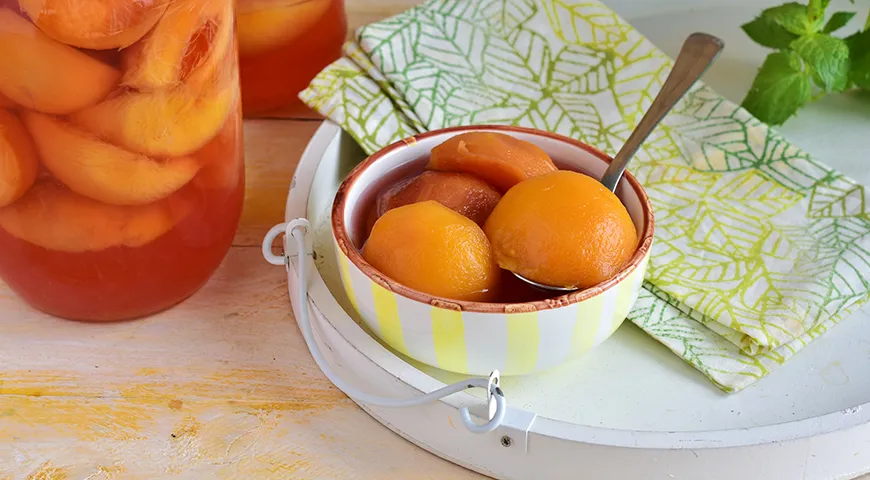
There is something deeply satisfying about opening a jar of peaches in syrup on a cold winter afternoon—the sun‑kissed aroma, the silky flesh, the liquid gold that recalls lazy summer days. This classic Russian preservation method transforms ripe, fragrant peaches into a versatile pantry staple. Whether you spoon them over creamy yogurt, layer them into a fragrant Catalan sponge cake, or simply enjoy them chilled with a dollop of crème fraîche, these peaches are a jewel of home canning. Below, you will find a meticulous guide to making your own peaches in syrup, complete with professional tips and creative variations. For all your canning needs, consider investing in a reliable best steam canner to ensure a safe and efficient process.
About This Recipe
This recipe comes from the heart of Russian home preserving, where autumn is ushered in not by pumpkin spice but by the clinking of sterilised jars. The method is elegantly simple: peaches are blanched, peeled, halved, and packed into jars, then bathed in a light syrup that has been gently acidulated with lemon juice (or citric acid) to preserve their colour and flavour. The result is a balanced sweet‑tart syrup that cradles the fruit without overwhelming it. Unlike many Western preserves that rely on heavy sugar concentrations, this preparation allows the natural peach essence to shine. For the best texture, choose slightly under‑ripe peaches; they will hold their shape through the heat processing. To store your finished jars, a spacious 48‑inch built‑in refrigerator can keep them cool and organized, though a cool, dark pantry works equally well.

Ingredients
- Peaches (firm, ripe) – 4 kg
- Drinking water – 2 L
- Granulated sugar – 400 g
- Citric acid – 2 teaspoons (or juice of 2 lemons)
These quantities yield approximately 4 litres of preserved peaches. Use best glass jar sets for even heat distribution and airtight seals.
Step‑by‑Step Instructions
Step 1: Prepare the peaches. Wash the fruit thoroughly. Using a sharp knife, score a shallow “X” on the bottom of each peach. Bring a large pot of water to a rolling boil. Drop peaches in batches into the boiling water for exactly 1 minute, then lift them out with a slotted spoon and transfer to a colander. As soon as they are cool enough to handle, slip off the skins. The blanched peels should come away effortlessly, leaving smooth, intact fruit.
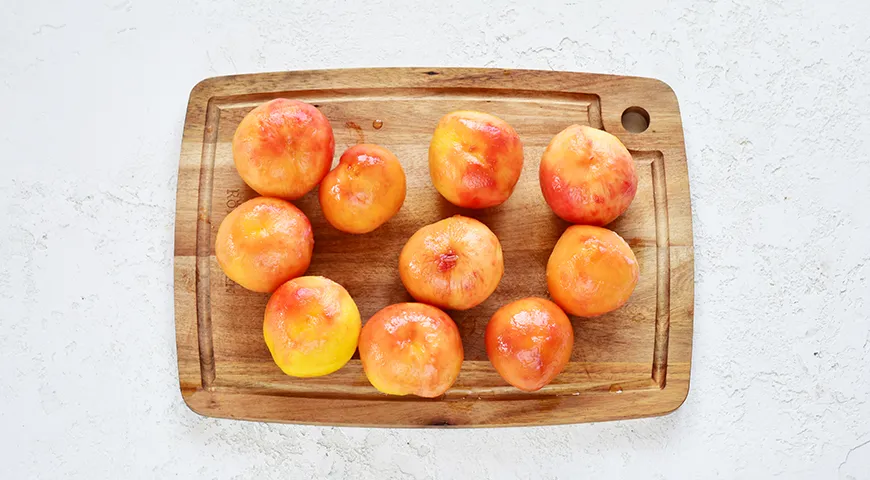
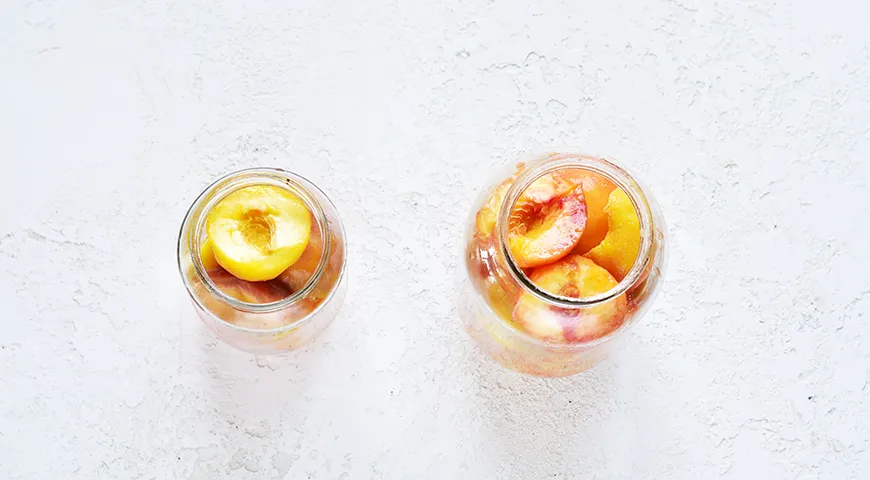
Step 2: Halve and pit the peaches. Cut each peeled peach in half along the natural seam and remove the stone. Meanwhile, sterilise your jars (1 L capacity) and lids using your preferred method—boiling water bath, oven, or a quick cycle in the best microwave pressure cooker. Allow them to dry completely. Pack the peach halves tightly into the jars, cut side down, being careful not to crush the tender fruit. Leave about 1 cm headspace.
Step 3: First pour and rest. Bring the 2 L of drinking water to a boil. Carefully pour the boiling water over the peaches in each jar, filling to the rim. Screw on the lids loosely and let the jars rest for exactly 30 minutes. During this time, the peaches will soften slightly and release some of their natural juices. After 30 minutes, drain the water back into a large saucepan, using a plastic lid with holes or a colander to hold the peaches in place. This liquid will become your syrup base.
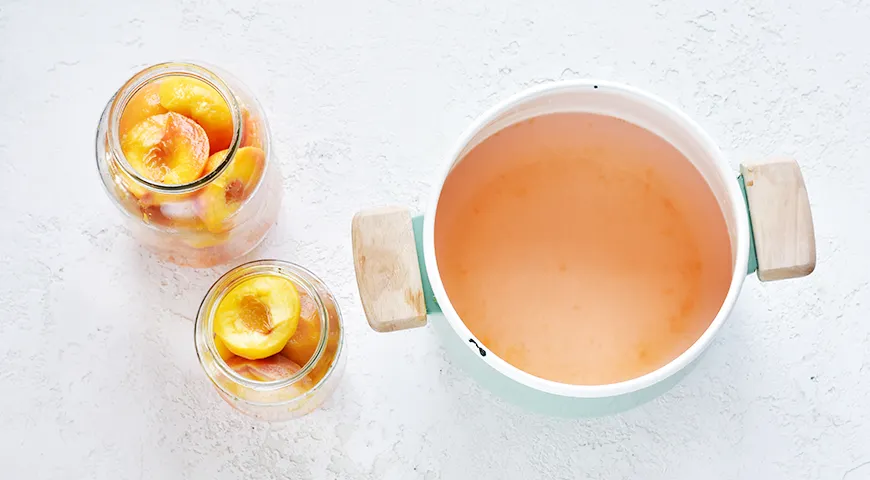
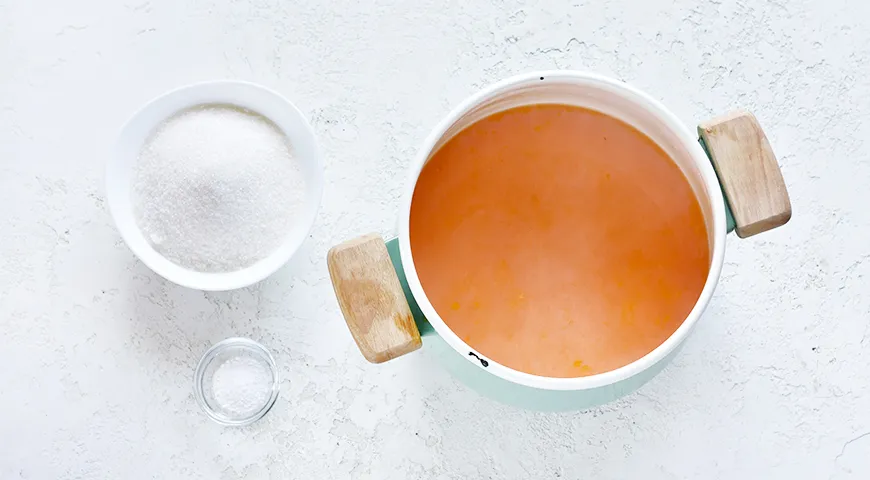
Step 4: Make the syrup. To the drained liquid in the saucepan, add the 400 g sugar and place over high heat. Bring to a rolling boil and cook for exactly 2 minutes, stirring to dissolve the sugar completely. Sprinkle in the citric acid (or pour in lemon juice) and boil for an additional 1 minute. The syrup will become clear and slightly thicker. If you prefer a more nuanced sweetness, you can use best organic vodka to spike the syrup—just a tablespoon per litre adds a subtle floral complexity—though this is entirely optional.
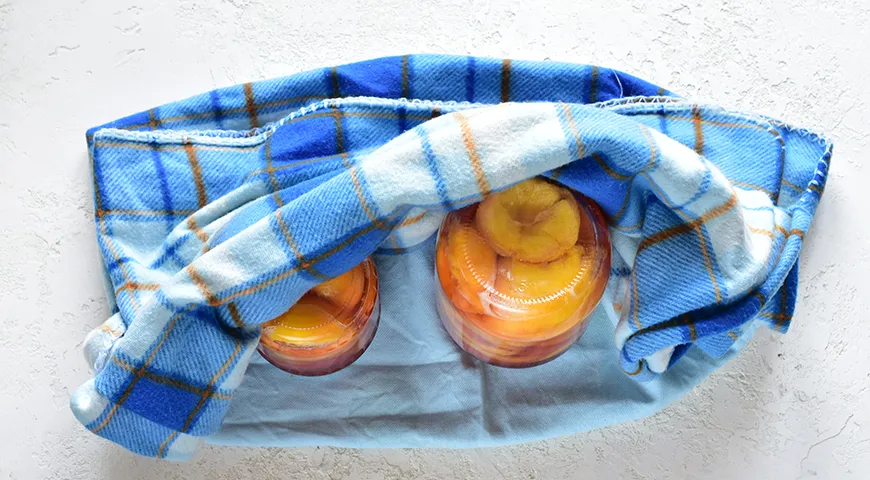
Step 5: Fill and seal. Ladle the boiling syrup over the peaches in the jars, filling to within 1 cm of the rim. Wipe the rims clean, place the lids on, and tighten the bands fingertip‑tight. Invert each jar onto a folded kitchen towel, then wrap the entire batch in a warm blanket or thick towel. Allow the jars to cool completely, undisturbed, for at least 12 hours or overnight. This slow cooling helps create a strong vacuum seal. Once cool, check that each lid has depressed (no spring back). Store in a dark, cool place for up to a year. For serving ideas, try pairing these peaches with a glass of best sweet wine with high alcohol content for a delightful dessert combination.
Tips for Perfect Peaches in Syrup
- Use only unblemished, slightly firm peaches. Overripe fruit will turn mushy during processing.
- For even peeling, blanch peaches in small batches and immediately plunge them into ice water after boiling—this stops the cooking and makes skin removal even easier.
- Adjust sweetness by varying the sugar: use 300 g for a lighter syrup or 500 g if you prefer a dessert‑style preserve. You can also substitute honey or maple syrup, though the flavour profile will change.
- If you don’t have citric acid, a squeeze of fresh lemon juice works perfectly. Acid helps maintain the peaches’ bright colour and prevents bacterial growth.
- Always process jars in a water bath canner for 10 minutes if you plan to store them at room temperature longer than a few months. The best steam canner is an excellent tool for this task, as it uses less water and heats faster than traditional canners.
Variations to Explore
While the classic recipe is sublime on its own, you can experiment with aromatic additions. Tuck a cinnamon stick, a vanilla bean, or a few cloves into each jar before adding the syrup. For a touch of warmth, replace 100 g of sugar with best castor oil—no, that’s a mistake! Use brown sugar or a splash of best George Howell coffee liquid if you wish to create a coffee‑spiced syrup (though this is an adventurous twist). Another idea: layer the peaches with fresh rosemary or lemon verbena for an herbal note. If you have an best air fryer non‑toxic, you can dehydrate some peach slices separately to create a crunchy garnish for the syrup – just be mindful of cross‑contamination with the preserving process.
Frequently Asked Questions
Can I use peaches that are very ripe?
Very ripe peaches will break down during the blanching and packing process, resulting in a mushier texture. For best results, choose fruit that yields slightly to pressure but is still firm. If you only have ripe peaches, reduce the blanching time to 30 seconds and handle them gently.
How long do these preserved peaches last?
When properly sealed and stored in a cool, dark place (ideally below 20°C), peaches in syrup will keep for up to 12 months. Once opened, refrigerate and consume within three weeks. An best undercounter ice maker machine can provide a steady supply of ice for quick chilling of leftovers.
Do I need to add citric acid?
Citric acid (or lemon juice) is essential for food safety and colour retention. It lowers the pH of the syrup, making it an inhospitable environment for spoilage microorganisms. Without it, the peaches may turn brown and develop off‑flavours.
Can I reuse the syrup after the peaches are eaten?
Absolutely! The leftover syrup is delicious in cocktails (try it in a best organic vodka based drink), as a sweetener for tea or lemonade, or drizzled over pancakes and ice cream. It also works well in marinades for pork or chicken.
What if my jars don’t seal properly?
If a lid does not depress after cooling, store that jar in the refrigerator and use within a few days. For future batches, ensure the jar rims are perfectly clean and that the lids are new. Using a best oil sprayer to lightly lubricate the jar rims before sealing can sometimes help—though this is more common for fermented products than syrups.
Can I reduce the sugar?
Yes, but reducing sugar may affect both the taste and the preservation. If you cut sugar by more than half, consider processing the jars in a pressure canner to ensure safety. Always follow trusted canning guidelines when adjusting sugar levels.







