


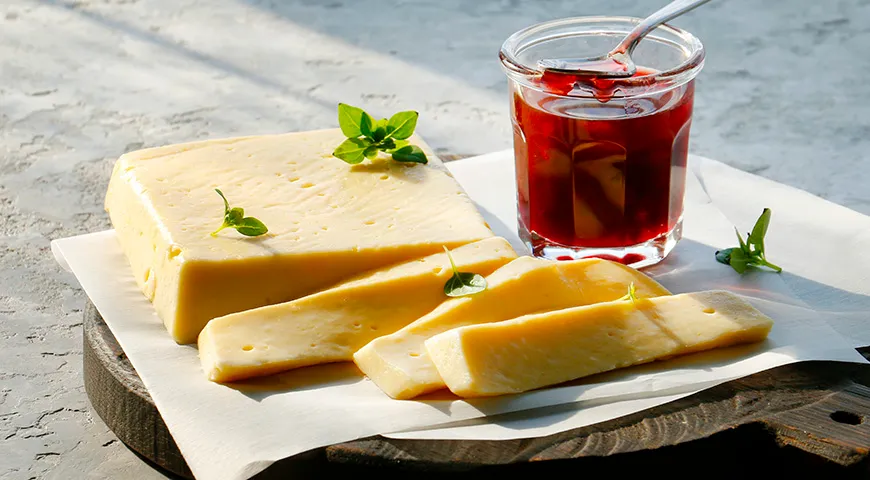
There is something deeply satisfying about transforming simple pantry staples into a luxurious, melt-in-your-mouth cheese. This recipe for homemade farmer's cheese – known in Russia as domashniy syr iz tvoroga – does exactly that. With just a few ingredients: cottage cheese, milk, butter, an egg, and a touch of baking soda, you can craft a creamy, elastic cheese that rivals any store‑bought variety. Whether you spread it on crusty bread, melt it over pasta, or serve it as part of a charcuterie board, this artisanal creation is both a culinary achievement and a comfort food classic.
About This Recipe
This traditional Russian method of making cheese from cottage cheese (tvorog) is a testament to the resourcefulness of home cooks. By gently heating and then processing the curds, you unlock a silky, sliceable cheese that is remarkably versatile. The process is straightforward but requires patience and attention – a perfect project for a weekend afternoon. The result is a cheese that is far superior in flavor and texture to commercial versions, with no additives or preservatives. Using a high‑quality glass bowl for the water bath ensures even heat distribution and easy monitoring of the cheese’s transformation.

Ingredients
- 420 g cottage cheese (9% fat)
- 500 ml pasteurized cow’s milk
- 70 g unsalted butter, divided
- 1 tsp baking soda
- Salt to taste
- 1 large egg (C1)
Using a non‑toxic immersion blender later in the process will give you the smoothest, creamiest cheese.
Step-by-Step Instructions
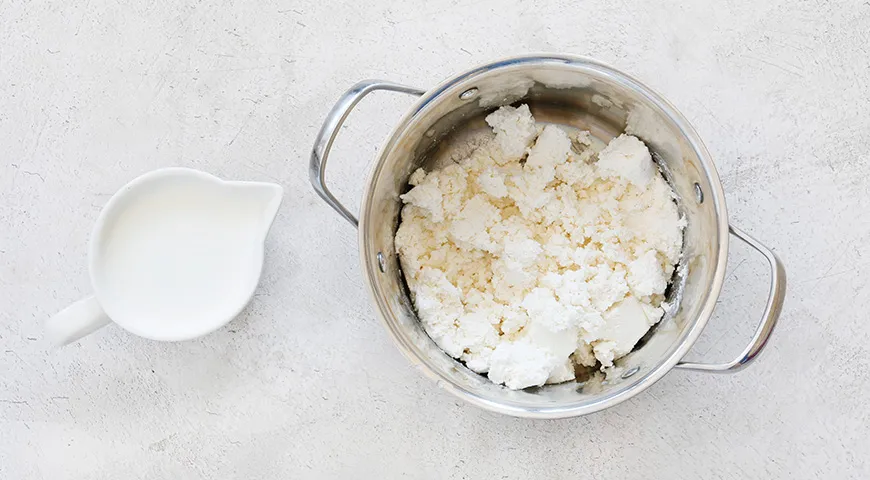
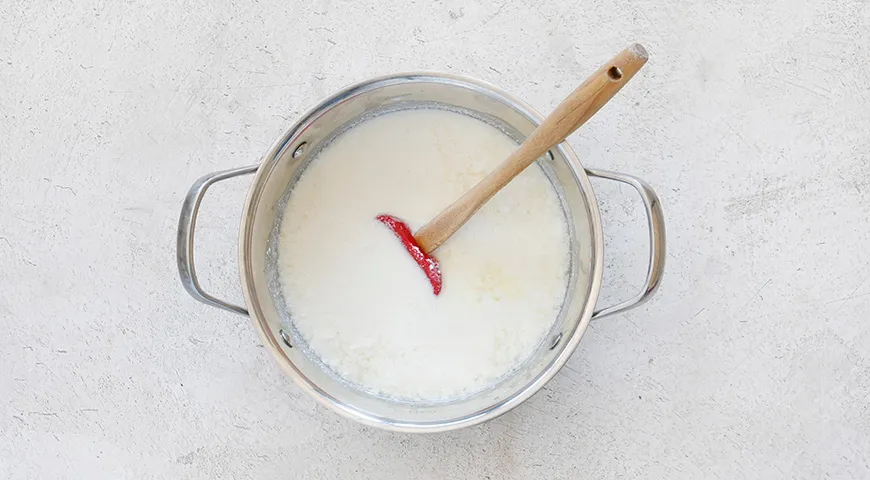
- Combine and heat. Place the cottage cheese in a saucepan. Pour in the milk and stir with a spatula until well combined. Set over medium heat and, stirring constantly, bring to a boil.
- Separate the whey. As the mixture heats, the whey will begin to separate. Once it reaches a boil, continue stirring constantly and cook for exactly seven minutes. The curds will become firmer and the whey will be clear.
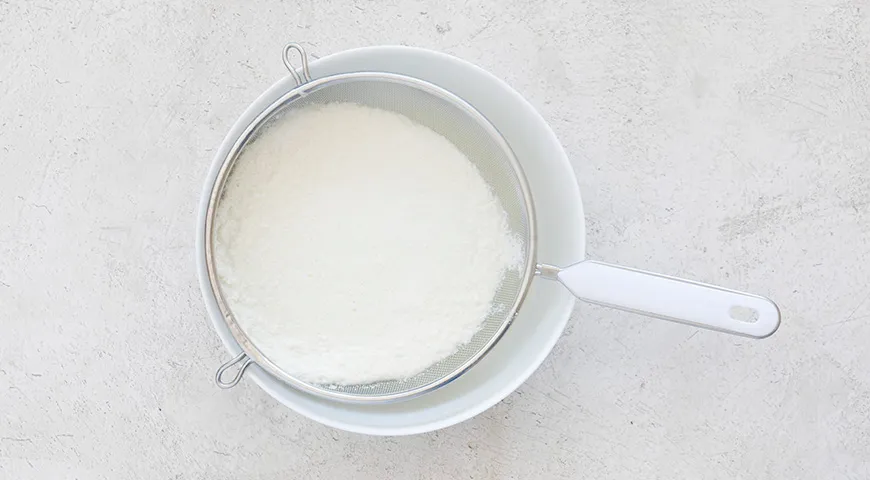
- Drain the curds. Remove the pan from the heat. Pour the contents into a fine‑mesh metal sieve set over a large bowl. Let it drain for 5 minutes. Do not press or squeeze the curds – gentle handling preserves the delicate texture.
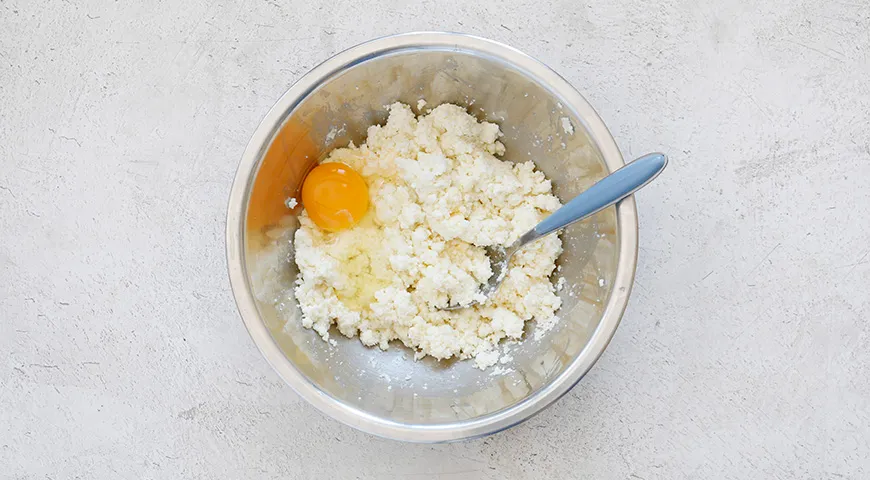
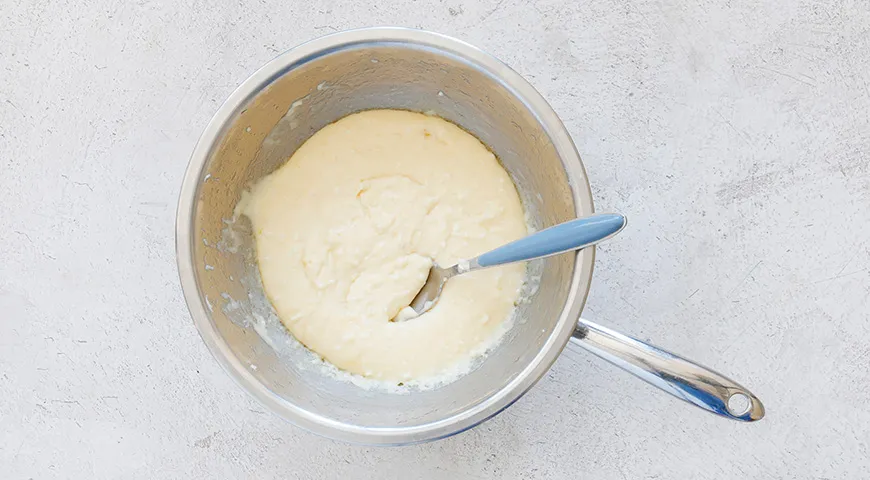
- Blend the base. Transfer the drained thick curds to a heatproof bowl. Add 60 g of butter (cubed), the baking soda, salt, and the egg. Mix thoroughly, then use an immersion blender (or a powerful food processor) to blend until smooth and homogenous.
- Melt on a water bath. Place the bowl over a pot of simmering water (make sure the bowl does not touch the water). Stir constantly with a spatula. The mixture will become stretchy and molten. Cook for an additional 3 minutes after it reaches that consistency.
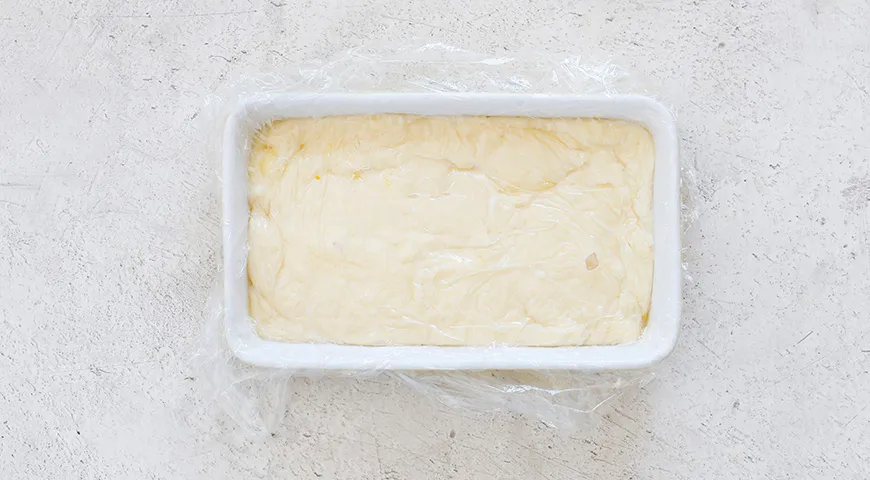
- Mold and chill. Grease a glass container with the remaining 10 g of butter. Transfer the hot cheese mixture into it. Press a sheet of plastic wrap directly onto the surface (to prevent a skin from forming). Allow to cool to room temperature, then refrigerate for at least 4 hours, or overnight for a firmer texture.
Tips for Perfect Homemade Cheese
- Use full‑fat cottage cheese (9% or higher) for the creamiest result. Lower‑fat versions will yield a drier, less elastic cheese.
- Do not skip the water bath – it slowly melts the cheese proteins, ensuring a smooth, non‑grainy texture.
- For an extra‑smooth finish, use a high‑powered blender or juicer (though a juicer is unconventional, it can also help create a silky purée).
- Let the cheese rest in the fridge overnight – the flavor deepens and the texture becomes firmer, making it easier to slice.
- If you want a tangier flavor, you can replace part of the milk with buttermilk.
Variations and Serving Suggestions
This homemade farmer’s cheese is wonderfully adaptable. Add finely chopped fresh herbs (dill, chives, parsley) or a pinch of smoked paprika for a savory twist. For a sweet version, fold in a tablespoon of honey and a pinch of cinnamon. Serve it on a charcuterie board with chocolate‑covered raisins and nuts, or melt it over steamed vegetables. It also makes a fantastic filling for blinis, ravioli, or baked potatoes. For the best texture when melting, use a non‑toxic air fryer to reheat cheese‑stuffed snacks.
Frequently Asked Questions
Can I use low‑fat cottage cheese?
Yes, but the cheese will be less creamy and may not stretch as well. For best results, stick with 9% fat or higher. If you must use a lighter version, consider adding an extra tablespoon of butter.
Why did my cheese turn out grainy?
Graininess often results from overheating the curds during the initial boiling stage or from not blending the mixture thoroughly. Make sure you stir constantly and use a fine‑mesh sieve. Also, using a steam canner as a heat source (if you have one) can provide more gentle, even heat than a direct flame.
Can I make this cheese without a water bath?
It’s not recommended. The water bath provides gentle, indirect heat that melts the cheese proteins without scorching. A direct stovetop will likely cause the cheese to seize or burn. If you don’t have a suitable bowl, a microwave pressure cooker on low setting can be used for the melting step, but watch carefully.
How long does the cheese keep?
Stored in an airtight container in the refrigerator, it will stay fresh for up to 5–7 days. The flavor actually improves after a day or two. Do not freeze, as the texture will become crumbly.
Can I use this recipe to make a vegan version?
This specific recipe relies on dairy and eggs for its chemistry. However, you can experiment with silken tofu, nutritional yeast, and vegan butter, though the texture will be quite different. For a similar stretchy effect, you might also look into organic vodka – not for drinking, but a tiny splash can help improve the elasticity of some vegan cheese recipes.
Is baking soda really necessary?
Yes! Without baking soda, the curds will not melt into a smooth, elastic cheese. The soda raises the pH, allowing the proteins to stretch and bind. Omitting it will result in a granular, crumbly product.
Making homemade farmer’s cheese is a rewarding culinary project that connects you to age‑old traditions. With a few simple tools – such as a reliable immersion blender, a spacious refrigerator for chilling, and a good oil sprayer for greasing molds – you can achieve perfect results every time. Enjoy this versatile, delicious cheese as a proud addition to your homemade repertoire.
For top recommendations, explore our guide on resume builder free. Looking for the best options? Check out our article on Cecotec secador. Find the top-rated Building Block Toy with our comprehensive buying guide. Discover our expert picks for Grand Goldman Shop in our detailed review. Looking for the best options? Check out our article on key lock boxes. For top recommendations, explore our guide on intxaursaltsa with walnuts. Discover our expert picks for constant pressure well pump in our detailed review. For top recommendations, explore our guide on hava countertop dishwasher 8 wash. For top recommendations, explore our guide on gravel layover blanket review. Find the top-rated scale for wrestlers with our comprehensive buying guide.







