


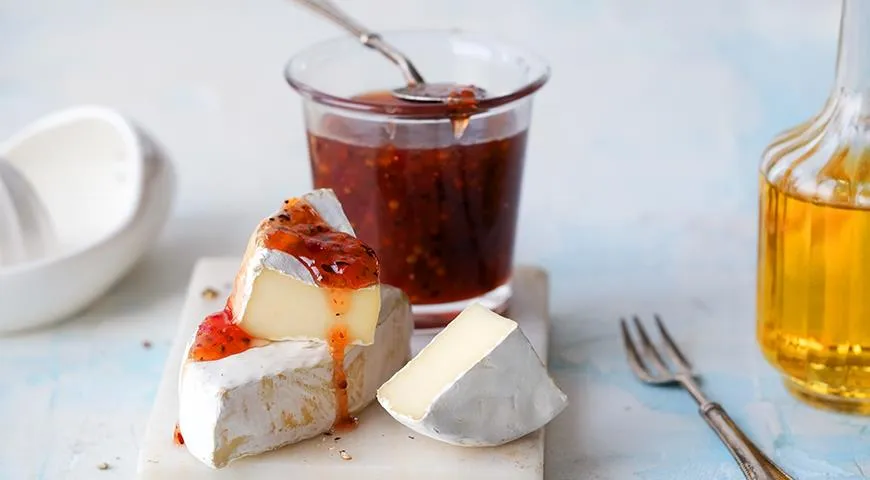
In the world of preserves, sweetness often reigns supreme, but there is a quiet revolution of savory confitures that deserve a place on every gourmand table. This Gooseberry and Red Onion Confiture is a perfect example—a sophisticated, tangy-sweet condiment that elevates cheese boards, pâtés, and roasted meats with its vibrant complexity. The tartness of gooseberries is tempered by caramelized red onion, while a whisper of ginger and mustard seeds adds warmth and bite. Ready in just over an hour, this confiture invites you to explore the savory side of jam-making with minimal fuss and maximum reward.
About This Recipe
This confiture draws inspiration from classic European chutneys and French confitures, marrying the sharpness of red onion with the bright acidity of gooseberries. Brown sugar and apple cider vinegar provide a deep, fruity backdrop, while fresh ginger and mustard seeds introduce a gentle heat that cuts through rich foods. Whether you are hosting a dinner party or simply seeking a new pantry staple, this recipe transforms humble ingredients into a luxurious accompaniment. The process is forgiving and requires no special equipment—just a heavy-bottomed pot and a desire to experiment. For those who love cooking with seasonal produce, gooseberries are a treat; their natural pectin ensures a lovely set without added gelatin. If you are new to preserving, consider reading our guide on best steam canners for safe storage, or check out best glass jars to store your confiture properly.

Ingredients
- 700 g gooseberries (fresh or frozen, thawed)
- 250 g brown sugar
- 250 ml apple cider vinegar
- 1 large red onion, finely diced
- 2–3 cm fresh ginger root, grated
- 2 tsp mustard seeds
- Salt and freshly ground black pepper to taste
Using high-quality ingredients is key to a stellar confiture. Opt for organic gooseberries if available, and choose a best organic vodka might not apply, but a good best non-toxic immersion blender can help create a smoother texture if desired.
Step-by-Step Instructions
Step 1: Prepare the Gooseberries and Aromatics
Rinse the gooseberries thoroughly. Remove any stems and the tiny tails (blossom ends) by pinching them off. Finely dice the red onion into small cubes—this ensures even cooking and a uniform texture. Grate the ginger on a fine microplane or box grater. Combine these in a large bowl. For consistent chopping, a best food processor for nut butter can do the job, though hand cuts are perfectly fine.
Step 2: Cook the Confiture
In a large, heavy-bottomed saucepan (preferably enameled cast iron or stainless steel), combine the gooseberries, diced onion, brown sugar, salt, pepper, grated ginger, and mustard seeds. Pour in the apple cider vinegar. Place the pot over high heat and bring to a rolling boil, stirring occasionally. Once boiling, reduce the heat to the lowest setting, cover with a lid, and let it simmer gently for 35 to 40 minutes. The mixture will thicken as the fruit breaks down and the liquid reduces. Stir every 10 minutes to prevent sticking. If you have a best microwave pressure cooker, you could adapt this, but the stovetop method is best for control.
Step 3: Cool and Jar
After cooking, remove the pot from the heat and allow the confiture to cool for 10 to 15 minutes. Meanwhile, prepare your jars—wash them with hot soapy water, rinse well, and dry completely. Use best 48 inch built-in refrigerator for long-term storage, but here we keep it in the fridge. Ladle the warm confiture into clean, dry glass jars, leaving about 1 cm of headspace. Seal with airtight lids and let cool to room temperature. Store in the refrigerator for up to 2 weeks. For longer preservation, consider a best steam canner process.
Tips for Perfect Confiture
- Use a heavy-bottomed pot to prevent scorching; a best immersion blender can smooth the final texture if you prefer a jam-like consistency.
- Adjust sweetness by varying the brown sugar—add more if your gooseberries are very tart.
- The mustard seeds will soften but retain a slight pop; for a milder version, grind them before adding.
- Always taste and adjust salt and pepper at the end of cooking.
- For even cooking, slice the onion uniformly; a best oil sprayer can help coat the pot before sautéing, though not necessary here.
Variations
This confiture is wonderfully adaptable. Try swapping gooseberries with red currants or sour cherries for a different tart profile. Add a pinch of chili flakes for extra heat, or replace ginger with star anise for an aromatic twist. For a deeper umami, stir in a tablespoon of soy sauce or balsamic vinegar at the end. Serve alongside soft cheeses like Brie, Camembert, or Roquefort—or spread on crusty bread with pâté. If you are pairing with roasted game, a dollop of this confiture is sublime. Looking for more inspiration? Check our Catalan sponge cake recipe for a sweet contrast.
FAQ
Can I use frozen gooseberries?
Yes, frozen gooseberries work well. Thaw them first and drain excess liquid before cooking to avoid a watery confiture. Alternatively, cook them directly and extend the simmering time to evaporate extra moisture.
How long does this confiture keep?
Stored in a sealed jar in the refrigerator, it remains fresh for up to 2 weeks. For longer storage, process in a water bath or steam canner—consult a best steam canner for reliable results.
Can I reduce the sugar?
Yes, but sugar acts as a preservative and balances acidity. Try reducing to 200 g, and compensate with a touch of honey or agave. The confiture may be slightly less shelf-stable.
What dishes pair well with this confiture?
It’s a classic companion to cheese boards—especially blue cheeses, aged cheddar, and chèvre. Also excellent with roast pork, duck, or grilled sausages. You can even use it as a glaze for meats during cooking.
Does the mustard seed flavor become overpowering?
Not at all. The seeds soften and add a gentle piquancy. If you’re sensitive, you can reduce to 1 tsp or use yellow mustard seeds for a milder taste.
Can I make this in a slow cooker?
Yes, combine all ingredients in a slow cooker and cook on low for 4 to 5 hours, uncovering for the last hour to thicken. However, the stovetop method allows for better control of the final consistency.







