


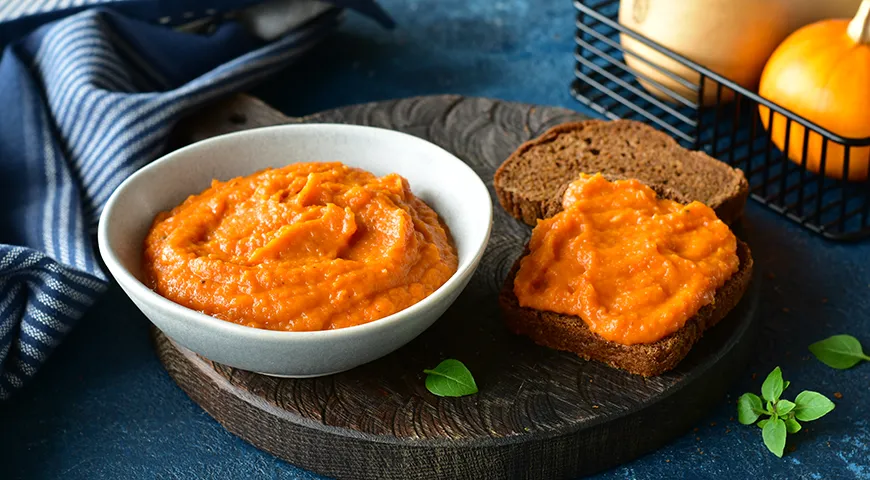
There is something profoundly comforting about a silky, savory spread that captures the essence of autumn’s bounty. This exquisite pumpkin caviar, a cherished Russian classic, transforms humble garden vegetables into a luxurious, velvety puree. Unlike traditional fish roe, this plant-based ikra delivers a deep, sweet-savory complexity that lingers on the palate. It is a celebration of slow cooking, where pumpkin, bell peppers, and tomatoes meld into a harmonious symphony of flavors. Whether slathered on crusty bread, served alongside roasted meats, or used as a dip for crisp crudités, this spread elevates any meal with its rustic elegance.
About This Recipe
In Eastern European cuisine, vegetable caviar (ikra) is a beloved staple, often made from eggplants, zucchini, or squash. This pumpkin version is a lesser-known gem that deserves a spotlight. The recipe calls for gently sweating aromatics, then slowly stewing the pumpkin in its own juices until tender, before finishing with a quick blitz from an immersion blender for that trademark smooth texture. The result is a spread that is both deeply satisfying and surprisingly light, perfect for preserving the taste of fall.

Ingredients
- 800 g pumpkin flesh, peeled and seeded
- 200 g yellow onion
- 80 g carrot
- 2 cloves garlic
- 100 g sweet bell pepper
- 2 tbsp vegetable oil (sunflower or olive)
- 300 g canned crushed tomatoes (passata or tomato puree)
- Salt and freshly ground black pepper to taste
Step-by-Step Instructions
Step 1: Prepare the Vegetables
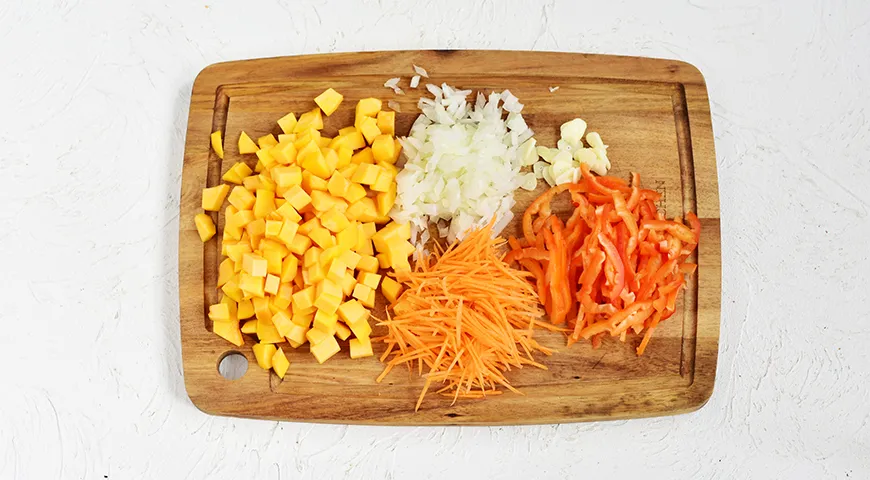
Cut the pumpkin flesh into small cubes (about 1 cm). Peel and finely chop the onion. Peel the carrot and cut into thin julienne strips. Slice the garlic into thin pieces. Deseed the bell pepper and cut into fine strips. A glass food processor can speed up this prep, but a sharp knife works beautifully.
Step 2: Sauté Aromatics
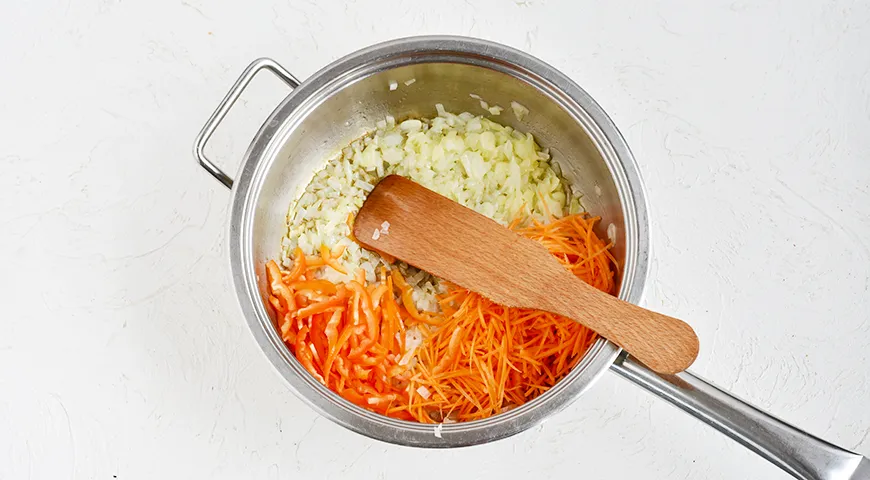
In a heavy-bottomed pot (preferably cast iron or enameled), heat the vegetable oil over medium heat. Add the chopped onion and garlic slices. Sauté, stirring frequently, until they begin to turn golden — about 3 minutes. The fragrance will fill your kitchen.
Step 3: Add Carrots and Bell Pepper
Add the carrot julienne and bell pepper strips to the pot. Continue cooking over medium heat for another 5 minutes, stirring occasionally. The vegetables should soften and take on a light caramelization. Using a quality oil sprayer can help control fat, but a spoonful of oil is fine here.
Step 4: Add Pumpkin and Steam
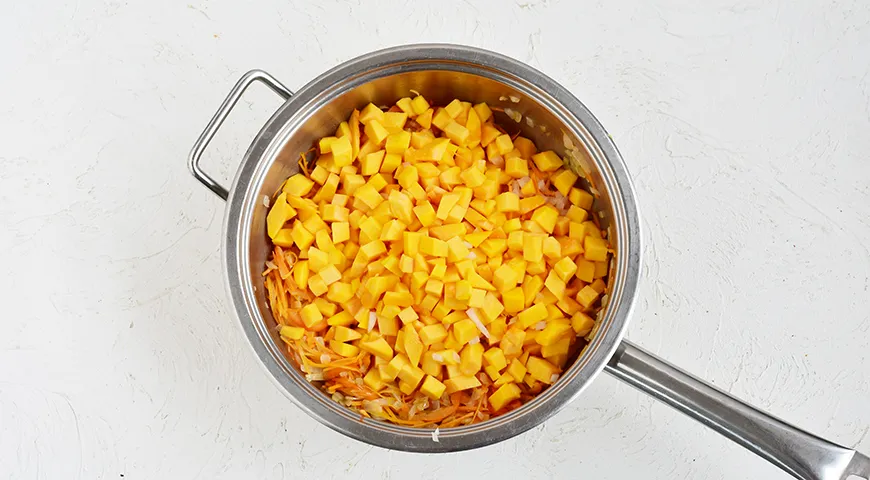
Add the cubed pumpkin to the pot and stir well to combine with the other vegetables. Reduce the heat to low. Cook for 7 minutes, stirring occasionally, then cover the pot with a tight-fitting lid. Let the vegetables steam gently over low heat for another 10 minutes. The pumpkin will release moisture and become tender.
Step 5: Simmer with Tomatoes and Blend
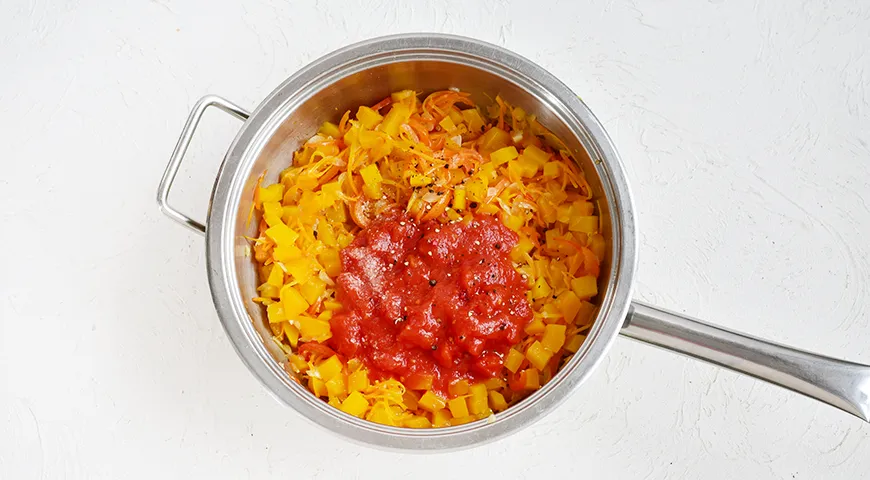
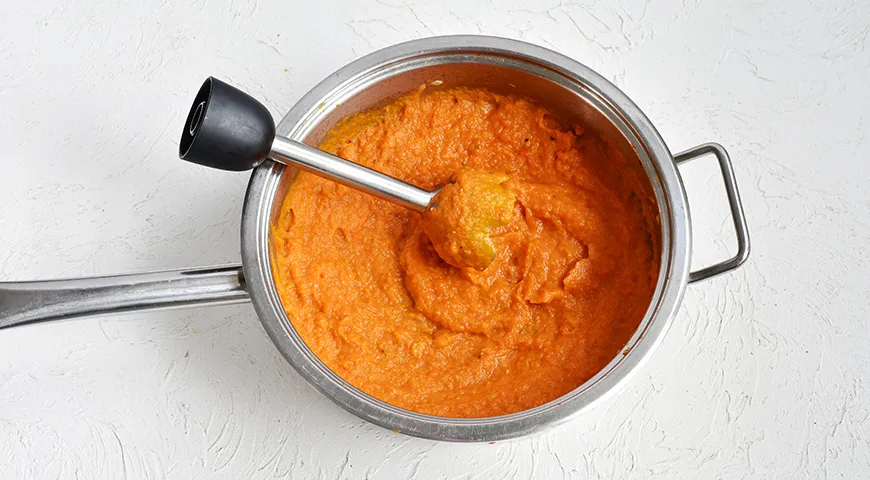
Stir in the crushed tomatoes. Season with salt and pepper. Bring to a gentle simmer and cook uncovered over medium heat for about 20 minutes, stirring occasionally to prevent sticking. The liquid should reduce until almost evaporated — the mixture should be thick and jammy. Remove from heat. Using a non-toxic immersion blender, puree the contents until perfectly smooth and uniform. Let cool completely before serving.
Pro Tips for Perfect Pumpkin Caviar
- Choose the right pumpkin: Use a sweet, dense variety like butternut or kabocha. Avoid watery pumpkins.
- Control moisture: If the mixture is too wet after 20 minutes, simmer a few minutes longer uncovered.
- Blending technique: For a silky texture, use an immersion blender directly in the pot. For a chunkier style, pulse briefly.
- Flavor boost: Add a pinch of smoked paprika or a splash of apple cider vinegar at the end for brightness.
Variations to Explore
- Spiced version: Add ½ tsp ground cumin and ¼ tsp cayenne pepper along with the tomatoes.
- Herb-infused: Stir in fresh thyme or dill before blending.
- Roasted twist: Roast the pumpkin cubes at 200°C for 20 minutes before adding to the pot for a deeper, caramelized flavor.
- Tomato-free: Omit the crushed tomatoes and increase the pumpkin to 1 kg for a purer squash taste.
Frequently Asked Questions
Can I make this pumpkin caviar in advance?
Absolutely. This spread tastes even better after a day in the refrigerator as flavors meld. Store in a sealed glass jar for up to 7 days.
Is this recipe suitable for canning?
Because of the low acidity, it is not recommended for water bath canning without a pressure canner. However, you can freeze it in airtight containers for up to 3 months. If you have a steam canner, follow tested pressure canning guidelines for low-acid vegetables.
Can I use frozen pumpkin?
Yes, thaw and drain excess water before cooking. The texture may be slightly softer, but flavor remains excellent.
What dishes pair well with pumpkin caviar?
Serve it on warm toast, as a dip with pita chips, alongside roasted chicken or pork, or even as a filling for Catalan sponge cakes? Unlikely, but it’s versatile. Traditionally, Russians enjoy it with rye bread and strong tea.
How can I make this recipe vegan or oil-free?
It is already vegan. For oil-free, sauté the aromatics in a splash of vegetable broth or water instead of oil. Note that the texture may be slightly less rich.
Storing and Serving Suggestions
Let the caviar cool completely at room temperature, then transfer to sterilized jars or containers. Refrigerate for up to one week. For longer storage, freeze in portion-sized containers — thaw overnight in the fridge before use. To serve, bring to room temperature for best flavor. Drizzle with a little organic vodka? While not traditional, a splash can add an intriguing note. Alternatively, top with toasted pumpkin seeds and fresh herbs for a stunning appetizer. This pumpkin caviar is a testament to the beauty of simple, slow-cooked vegetables — a true harvest treasure that deserves a place in your culinary repertoire.
For more inspiring recipes and kitchen tools, explore our guides on the best planetary mixers and non-toxic air fryers to elevate your cooking. And if you ever need to preserve more of that fall bounty, consider a steam canner for safe home canning.
Enjoy the velvety richness of this Russian classic, and let each spoonful transport you to a cozy autumnal kitchen.







