


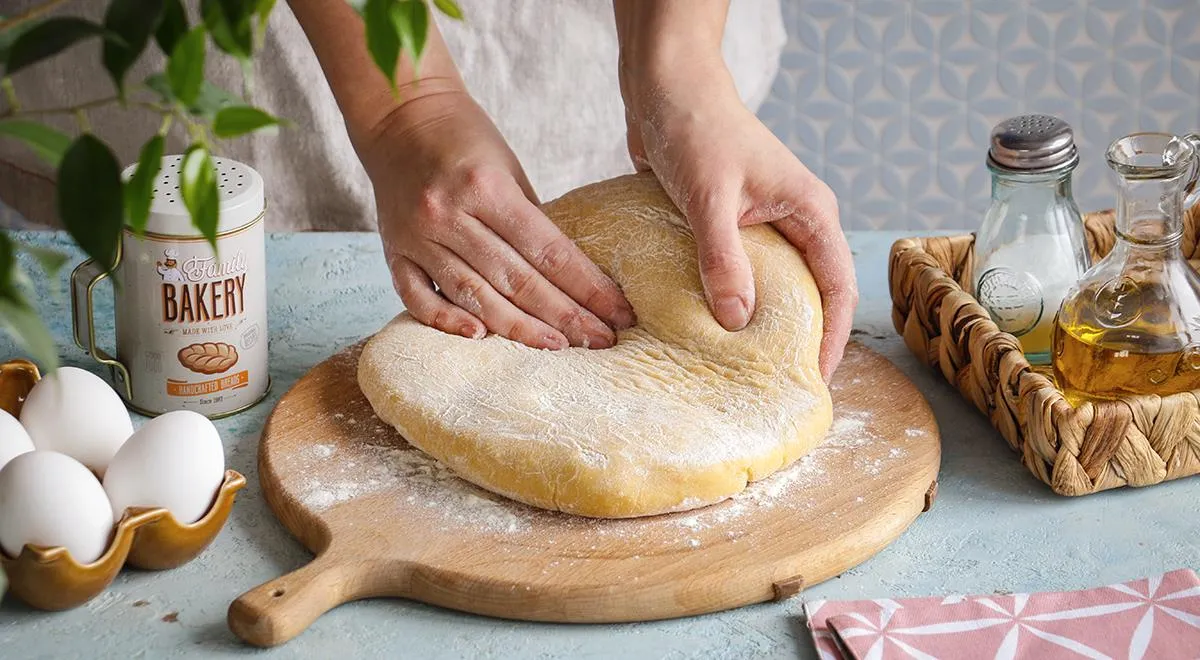
There is something profoundly satisfying about making pasta from scratch—a ritual that transforms simple flour and eggs into silky, supple sheets destined to cradle the finest fillings. This classic ravioli dough recipe, rooted in Italian tradition, yields a delicate yet sturdy pasta that holds its shape beautifully whether stuffed with ricotta, spinach, or a rich meat ragu. With just four ingredients and a bit of patience, you can create restaurant-quality ravioli at home. The key lies in technique: the gentle incorporation of eggs into a flour well, the patient kneading that develops gluten, and the essential resting period that relaxes the dough for perfect rolling. Whether you are a seasoned pasta maker or a curious beginner, this recipe will become your go-to foundation for countless ravioli variations.
About This Classic Ravioli Dough
This recipe adheres to the classic proportions of Italian pasta sfoglia, relying on a high egg-to-flour ratio for richness and a silky texture. The use of three whole eggs plus an extra yolk gives the dough a golden hue and pliable consistency, while a touch of extra virgin olive oil adds suppleness and makes the dough easier to handle. The traditional "well" method—pouring beaten eggs into a crater of flour—ensures gradual hydration and prevents lumps. The result is a dough that rolls out thinly without tearing, ideal for ravioli that cook to al dente perfection. For the best results, weigh your ingredients: 300 g flour plus 10 g olive oil per 2 cups (approximately 250 g per cup, but weight can vary). If you are new to pasta making, consider using a food processor to initially mix the dough, though hand-kneading remains the traditional route.

Ingredients
- 300 g all-purpose or tipo 00 flour, plus extra for dusting
- 3 large eggs (C0 size)
- 1 egg yolk (from a large egg, C0)
- 2 teaspoons (10 g) extra virgin olive oil
- A pinch of fine sea salt
Use the highest quality eggs you can find—their freshness and color directly influence the dough's flavor and appearance. The olive oil should be fruity but not overpowering. For measuring flour, a digital kitchen scale is far more accurate than cups, but if using volume, spoon the flour lightly and level off.
Step-by-Step Instructions
Step 1: Create the Flour Well
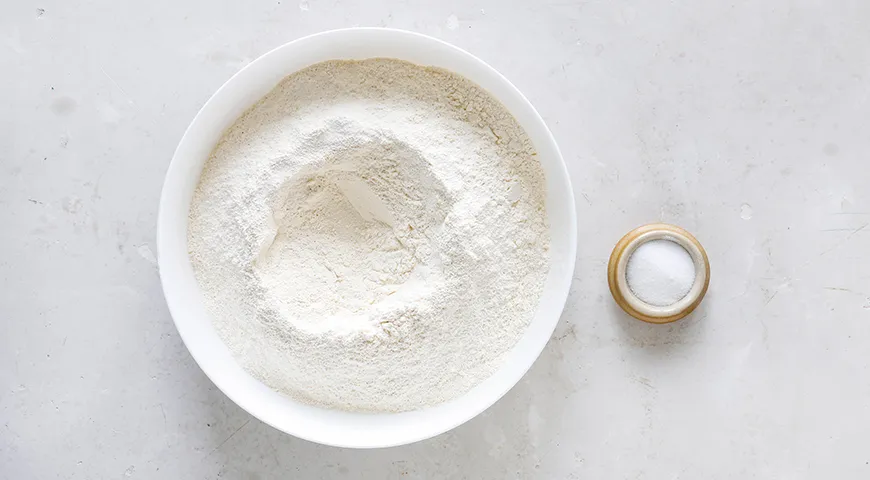
Sift the flour onto a clean work surface in a mound. Use your fingers to create a wide, deep well in the center—like a volcano crater. Sprinkle the salt over the flour. The well must be large enough to hold the eggs without spilling. This technique is the first step toward a perfectly hydrated dough.
Step 2: Beat the Eggs
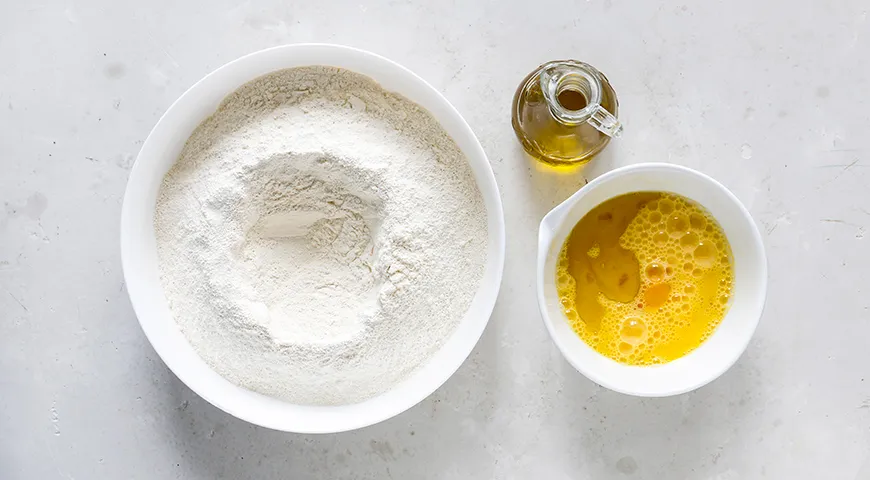
In a small bowl, whisk the three whole eggs, the extra yolk, and the olive oil together until just combined—no need to froth. This ensures even distribution of fat and liquid. Pour the mixture gently into the flour well, being careful not to breach the walls.
Step 3: Incorporate Flour Gradually
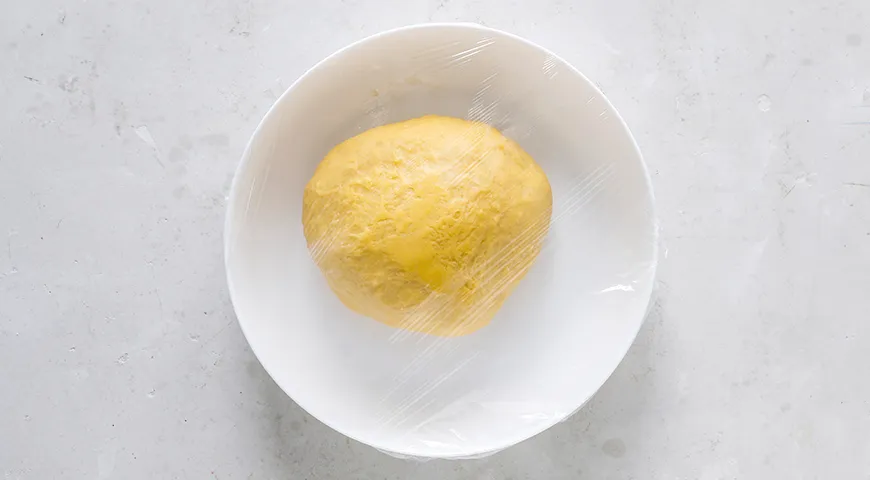
Using a fork, begin drawing flour from the inner walls of the well into the eggs, working slowly and steadily. Continue until the mixture becomes too thick for the fork, then switch to your hands. Once a shaggy dough forms, knead it briefly in the bowl, then wrap in plastic film and let rest for 5–10 minutes. This rest allows the flour to hydrate fully. For a faster approach, you can use a high-quality immersion blender with a dough attachment, but hand mixing is traditional.
Step 4: Knead Thoroughly
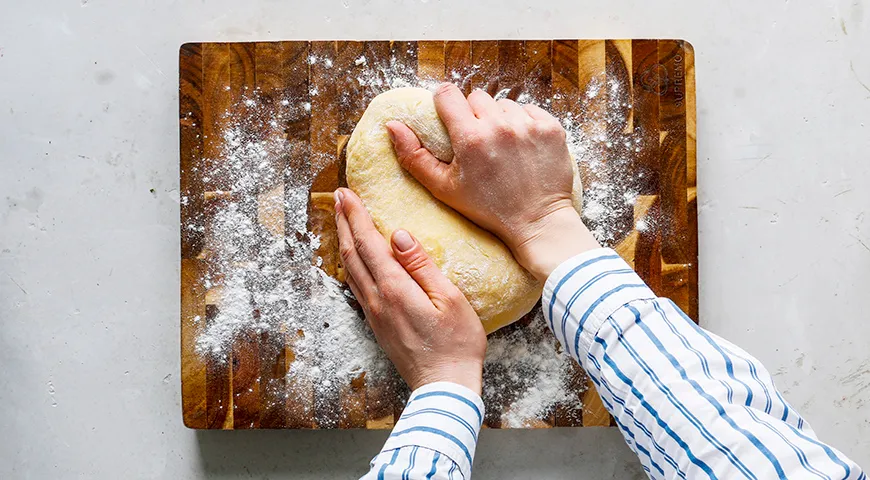
Lightly flour your work surface and turn out the dough. Knead using the "heel of your hand" method: push the dough away from you, then fold it back, rotating slightly. Continue for at least 5 minutes—or until the dough becomes smooth and elastic. If it feels tacky, dust with a little more flour. The dough should spring back when pressed. This is the critical step for developing gluten structure that gives ravioli its bite. After 5 minutes, wrap in plastic and rest 5–10 minutes, then knead another minute or two until perfectly silky.
Step 5: Shape and Rest
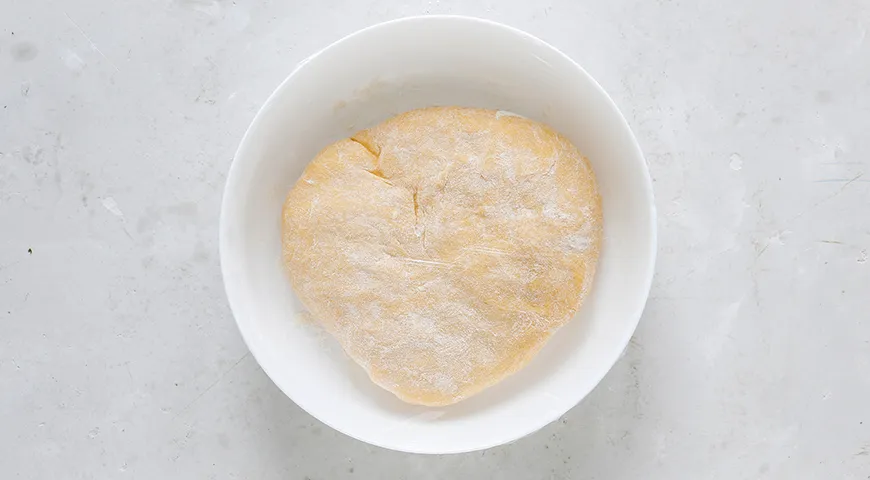
Form the dough into a thick disc, about 2 cm high. Wrap tightly in plastic film and let rest at room temperature for 30–40 minutes. This relaxes the gluten and makes rolling much easier. For deeper flavor, you can refrigerate the wrapped dough for up to 12 hours—just bring it back to cool room temperature before rolling. While the dough rests, prepare your filling, sauce, and a cup of strong coffee to sustain you.
Tips for Perfect Ravioli Dough
- Weigh your flour and eggs—a kitchen scale ensures consistent hydration every time. If the dough feels dry, add a drop of water; if too wet, sprinkle a little flour.
- Use the right flour: Tipo 00 flour yields the silkiest texture, but all-purpose works well. Avoid bread flour (too much gluten).
- Rest the dough twice: The initial 5–10 minute rest after mixing, then the longer rest before rolling, are non-negotiable for easy handling.
- Roll gradually: If using a pasta machine, start at the thickest setting and work down one notch at a time, dusting with flour as needed. For hand rolling, keep the disc thin and even.
- Prevent drying: Cover unused dough with a damp cloth or plastic wrap to prevent a skin from forming.
Variations
Once you master this base dough, you can customize it: substitute 50 g of flour with spinach purée for green ravioli (reduce eggs slightly); add 1 tablespoon of tomato paste for a blush-colored dough; or incorporate finely chopped herbs like basil or thyme into the flour. For a whole-grain twist, replace 100 g of white flour with whole wheat flour—the dough will be slightly less elastic but more flavorful. Experiment with fillings ranging from classic ricotta and spinach to pumpkin and sage. The possibilities are endless.
Frequently Asked Questions
Can I use this dough for other pasta shapes?
Absolutely. This recipe works beautifully for lasagna sheets, tagliatelle, or tortellini. Just adjust the rolling thickness—ravioli needs a slightly thicker sheet to hold filling, while tagliatelle should be thinner.
Why did my dough turn out sticky?
Stickiness usually results from too much liquid (eggs are large, or humidity is high). Add flour a tablespoon at a time during kneading until the dough is smooth but not tacky. Also, ensure you let it rest—hydration continues after mixing.
Can I make this dough in a food processor?
Yes. Pulse the flour and salt, then add beaten eggs with oil and pulse until crumbs form. Turn out and knead briefly by hand. A food processor like the ones reviewed at Walfos can save time, but avoid overprocessing.
How long can I store the dough?
The wrapped disc can be refrigerated for up to 2 days, or frozen for 3 months. Thaw in the refrigerator overnight and bring to room temperature before rolling.
What's the best way to cook ravioli made with this dough?
Boil in generously salted water—about 3–4 minutes for fresh ravioli, until they float and the edges are tender. Serve immediately with sage butter or a light tomato sauce. For extra flavor, finish them in a pan with butter and a splash of cream.
Can I double the recipe?
Yes, but divide the dough into two portions before resting—large masses are harder to knead evenly. Work in batches to keep the dough from drying out.
Mastering this classic ravioli dough opens the door to endless homemade pasta creations. The hands-on process is both meditative and rewarding, and the taste far surpasses any store-bought alternative. For more culinary inspiration, explore Catalan sponge cake or other recipes that celebrate simple, high-quality ingredients. Happy pasta making!







