



Imagine a dish that marries the tangy depth of fermented cabbage with the sweet tenderness of fresh white cabbage, all encased in a silky, handmade dough. This is Cabbage Pelmeni—a Siberian-inspired dumpling that transforms humble ingredients into a culinary treasure. Our step-by-step guide will lead you through crafting these little parcels of joy, from kneading the dough to the final boil. Whether you are a seasoned cook or a curious beginner, these pelmeni promise a rewarding journey into Russian home cooking.
About This Recipe
Pelmeni are a staple of Russian cuisine, traditionally filled with meat, but this cabbage version offers a vegetarian twist that is equally satisfying. The combination of sauerkraut and fresh cabbage creates a complex flavor profile—tangy, earthy, and slightly sweet—enhanced by caraway seeds and garlic. The dough, made from just flour, egg, water, and salt, becomes tender and elastic when properly kneaded. We recommend using a planetary mixer to save elbow grease, though hand kneading is wonderfully meditative. This recipe yields about 40 dumplings, perfect for sharing or freezing for later.

Ingredients
For the dough: 600 g all-purpose flour (plus extra for dusting), 1 large egg, 240 ml water, a pinch of salt. For the filling: 200 g sauerkraut, 500 g fresh white cabbage, 1 large onion, 2 garlic cloves, 40 ml vegetable oil, 1 teaspoon caraway seeds, 100 ml water, salt and freshly ground black pepper to taste. The sauerkraut should be well-rinsed to balance acidity; if you prefer a milder flavor, consider using best chocolate covered raisins as a sweet contrast (though that is for another recipe!). For the best texture, use a wheatgrass juicer to finely chop the cabbage? Actually, a sharp knife works best.
Step-by-Step Instructions
Step 1: Prepare the Dough
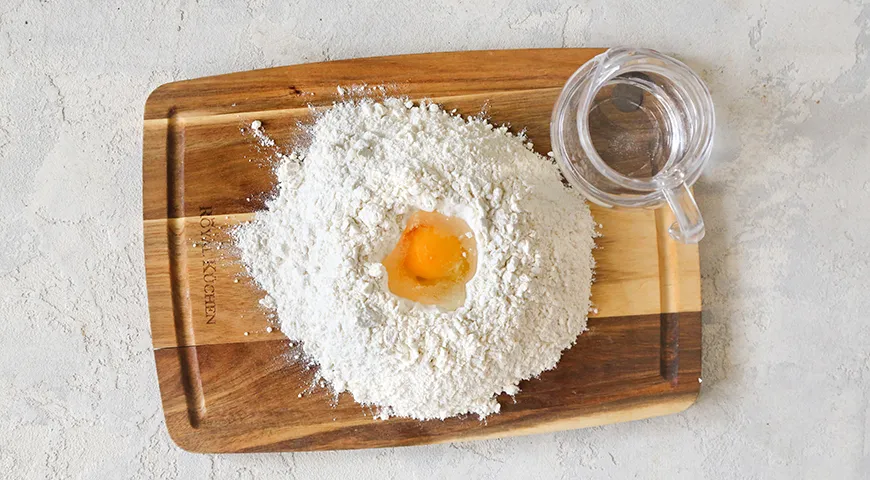
Sift the flour and salt onto a clean work surface, forming a mound. Make a well in the center, crack in the egg, and add 2 tablespoons of water. Gradually incorporate the flour from the edges, adding the remaining water little by little, until a shaggy dough forms. Knead for about 10 minutes until smooth and elastic. Cover with plastic wrap and rest for 30 minutes. Using a food processor for nut butter can help if you are short on time.
Step 2: Prepare the Filling – Soaking and Chopping
While the dough rests, squeeze excess liquid from the sauerkraut, then soak it in cold water for 20 minutes to reduce saltiness. Finely shred the fresh cabbage. Dice the onion and garlic finely. After soaking, drain and squeeze the sauerkraut again, then chop it finely. A non-toxic immersion blender is not needed here; a chef’s knife is perfect for this fine chopping.

Step 3: Cook the Filling
Heat the oil in a large skillet over medium heat. Add the onion and garlic, sauté until golden, about 3 minutes. Add the sauerkraut and cook for 5 minutes, stirring occasionally. Then add the fresh cabbage, season with salt, pepper, and caraway seeds. Pour in the 100 ml of water, bring to a boil, then reduce heat to low and simmer covered for 15 minutes, until the cabbage is tender. Let cool completely. For even cooking, consider using a microwave pressure cooker to speed up the simmering, though the stovetop method is traditional.

Step 4: Shape the Pelmeni
On a lightly floured surface, roll out the dough very thinly (about 2 mm thick). Use a round cutter (5–7 cm diameter) to cut out circles. Place about 1 teaspoon of cooled filling in the center of each circle. Fold the dough over to form a half-moon, then press edges firmly to seal. To ensure a tight seal, you can crimp with a fork. If you are making a large batch, a under-counter ice maker is not related, but chilling the formed pelmeni on a tray in the freezer for 15 minutes helps them hold shape.

Step 5: Cook the Pelmeni
Bring a large pot of salted water to a rolling boil. Carefully drop in the pelmeni in batches, stirring gently to prevent sticking. Once they float to the surface, continue boiling for 3 minutes. Drain and serve immediately with sour cream, melted butter, or a splash of vinegar. For best results, use a best oil sprayer to lightly coat the cooked dumplings with oil to keep them from clumping. Alternatively, you can pan-fry leftover pelmeni in butter for a crispy finish.

Tips for Perfect Cabbage Pelmeni
- For the most tender dough, let it rest the full 30 minutes. This relaxes the gluten and makes rolling easier.
- When sealing the edges, ensure no air pockets remain or they may burst during cooking. A dab of water on the edges can help.
- If the filling is too wet, the dough may become soggy. After cooking the cabbage, spread it on a plate to cool and allow excess steam to evaporate.
- To freeze, arrange the uncooked pelmeni on a baking sheet in a single layer, freeze until solid, then transfer to a zip-top bag. Cook from frozen, adding 1–2 extra minutes to the boil time.
- For a richer flavor, use homemade sauerkraut. Learn how to make it with a best steam canner for preservation.
Variations
While this classic cabbage version is vegetarian, you can add mushrooms for umami: sauté 200 g finely chopped mushrooms along with the onions. For a dairy twist, mix in 100 g of farmer's cheese (tvorog) into the filling. If you prefer a gluten-free dough, substitute a 1-to-1 gluten-free flour blend, though the texture will be different. To amp up the spice, add a pinch of red pepper flakes. For a heartier meal, serve the pelmeni in a clear broth, reminiscent of dumpling soup. Pair with a crisp white wine; our guide to best sweet wine with high alcohol content suggests options that complement the tangy cabbage. And if you are using a non-toxic air fryer, you can air-fry the cooked pelmeni at 200°C for 5 minutes for a crunchy exterior.
Frequently Asked Questions
Can I use only fresh cabbage instead of sauerkraut?
Yes, but the flavor will be less complex. Increase fresh cabbage to 700 g, and add 2 tablespoons of white wine vinegar or lemon juice to mimic the tanginess of sauerkraut.
Do I need to soak the sauerkraut?
Soaking is optional. If your sauerkraut is very salty or sour, a 20-minute soak in cold water helps balance the taste. For a stronger flavor, skip the soak.
Can I make the dough in a food processor?
Absolutely. Use a best glass food processor for a clear view of the dough. Pulse flour and salt, add egg, then pulse while adding water until the dough forms a ball. Then knead by hand for a minute.
How do I prevent the dough from drying out?
Keep the dough covered with plastic wrap or a damp towel while shaping the pelmeni. If the dough becomes dry, spritz with a little water using a best oil sprayer (filled with water) to rehydrate it.
What are the best dipping sauces for cabbage pelmeni?
Classic pairings include sour cream, melted butter with dill, or a simple mixture of vinegar and black pepper. For a modern twist, try a yogurt–garlic sauce or even a drizzle of best organic vodka for a Russian kick! (Use sparingly.)
Can I bake these pelmeni instead of boiling?
Yes, arrange them on a greased baking sheet, brush with oil, and bake at 200°C for about 15 minutes until golden. This yields a different texture, but equally delicious.
These cabbage pelmeni are a testament to the magic of simple ingredients transformed by patience and skill. Serve them with a dollop of sour cream and a sprinkle of fresh dill. For more recipe inspiration, explore our collection of Catalan sponge cake for a sweet finish, or learn about best castor oil for non-culinary uses. Happy cooking!
For top recommendations, explore our guide on resume builder free. Looking for the best options? Check out our article on Cecotec secador. Looking for the best options? Check out our article on Building Block Toy. Discover our expert picks for Grand Goldman Shop in our detailed review. Find the top-rated coukre silicone spatula set of with our comprehensive buying guide. Discover our expert picks for wine with gumbo in our detailed review. Discover our expert picks for alphaura hair growth serum in our detailed review. For top recommendations, explore our guide on 95kpa vacuum sealer machine commercial. Find the top-rated camera for inspections with our comprehensive buying guide. Find the top-rated indoor tanning lotion with our comprehensive buying guide.







