


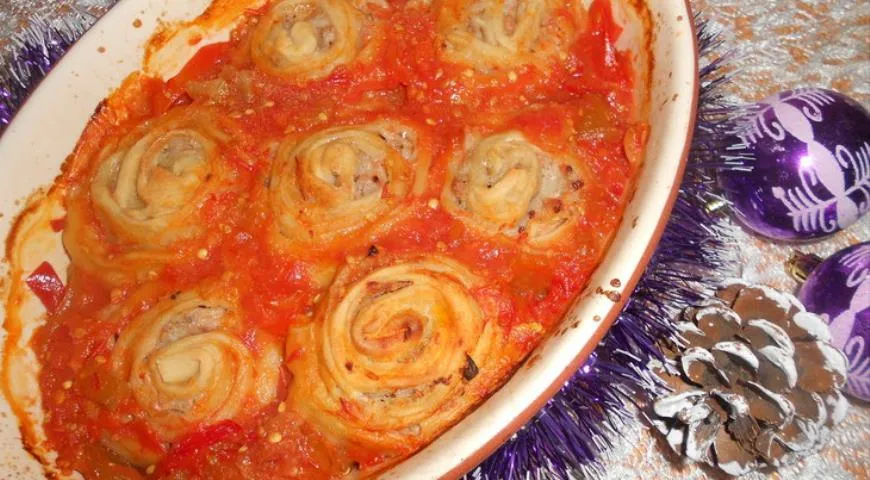
There are few culinary pleasures as comforting as a well-made strudel—especially one that marries tender dough with a savory, aromatic filling. This recipe for Strudel with Meat, Rice and Quinoa originates from German home cooking, where such rolls are traditionally steamed alongside potatoes and chicken. Here, we elevate the technique by baking them in a luscious vegetable sauce, creating a dish that is both rustic and refined. The combination of juicy minced pork, fragrant basmati rice, and nutty quinoa yields a filling that is surprisingly light yet deeply satisfying. With a few simple techniques and the right tools—like a dependable planetary mixer for the dough or a microwave pressure cooker for the grains—you can achieve restaurant-quality results at home. Read on for the full method, complete with step‑by‑step images, tips, and variations.
About This Dish
Strudels (also spelled strudli) are a cherished part of German and Austrian cuisine, typically made from a thin, elastic dough rolled around sweet or savory fillings. This version takes inspiration from the hearty, meat‑filled style common in southern Germany, where the rolls are often simmered in broth or steamed. By baking them in a rich vegetable sauce—here a homemade blend of tomatoes, eggplant, and bell peppers—we add a layer of complexity and a beautiful caramelized finish. The inclusion of quinoa not only boosts nutrition but also lends a delicate, slightly crunchy texture that contrasts wonderfully with the soft rice and tender pork. If you're new to working with dough, consider using a glass food processor to mix it quickly, or rely on a wheatgrass juicer for other kitchen tasks—though here we'll keep things simple with a bread machine or hand kneading.

Ingredients
For the Dough:
250 g all‑purpose flour
1 large egg
2 tablespoons vegetable oil
120 ml warm water
½ teaspoon salt
For the Filling:
300 g minced pork (or a mix of pork and beef)
100 g basmati rice
50 g quinoa, rinsed
1 medium onion, finely diced
Salt and freshly ground black pepper, to taste
For the Sauce & Assembly:
200 ml vegetable sauce (homemade or store‑bought; if thick, dilute with water)
Butter or oil for greasing the baking dish
Step‑by‑Step Instructions
Step 1: Prepare the Dough
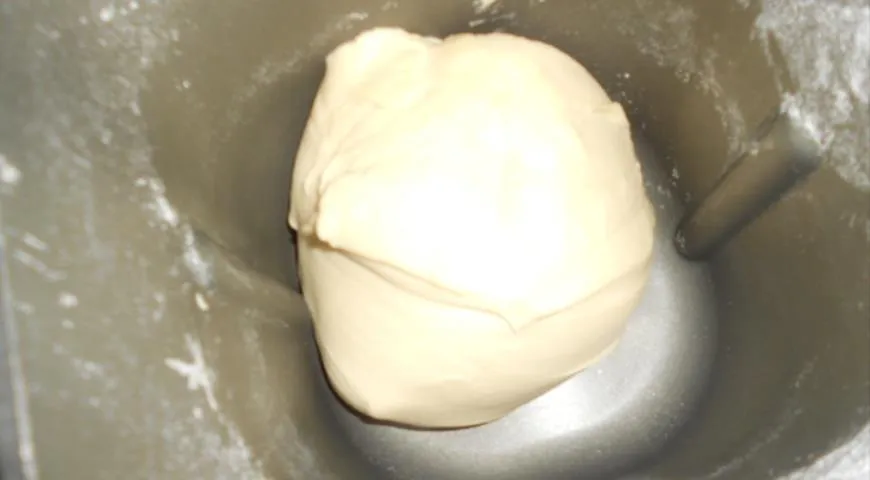
If using a bread machine, place all dough ingredients into the pan and select the "dough" cycle. Once the cycle completes, remove the dough and let it rest, covered, for 10 minutes. If working by hand, combine flour and salt, make a well, add egg, oil, and water, then knead for 8–10 minutes until smooth and elastic. A best oil sprayer can help keep the surface lightly oiled.
Step 2: Cook the Rice and Quinoa
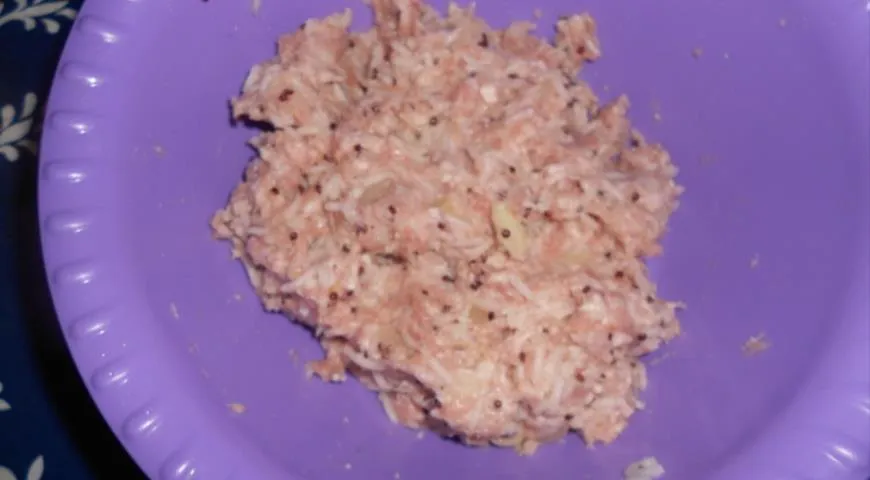
In a small saucepan, bring salted water to a boil. Add basmati rice and quinoa, then reduce heat to a gentle simmer. Cook until the grains are just tender—about 12 minutes—but still slightly undercooked (they will finish baking later). Drain any excess water and allow to cool completely. Meanwhile, finely dice the onion. In a bowl, combine the minced pork, cooled rice‑quinoa mixture, diced onion, salt, and pepper. Mix well with your hands or a fork for even distribution. For perfectly cooked grains every time, a non‑toxic air fryer can also be used to toast the quinoa beforehand, adding extra depth.
Step 3: Roll and Cut the Dough
On a lightly floured surface, roll the dough into a thin rectangle (approximately 2–3 mm thick), similar to a pasta sheet. Using a sharp knife or a pastry wheel, cut the dough into strips measuring 20 cm long and 6–7 cm wide. A high‑capacity ice maker is not needed here, but a quality espresso machine might help you stay caffeinated while you work!

Step 4: Form the Strudels
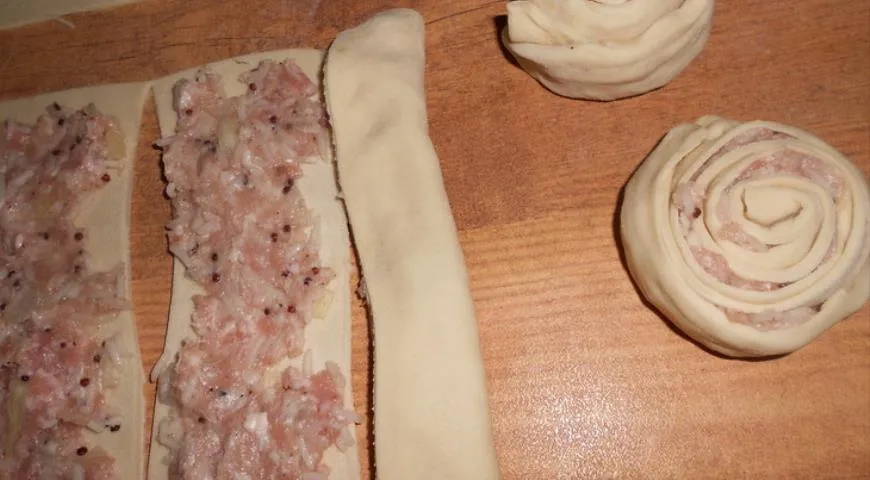
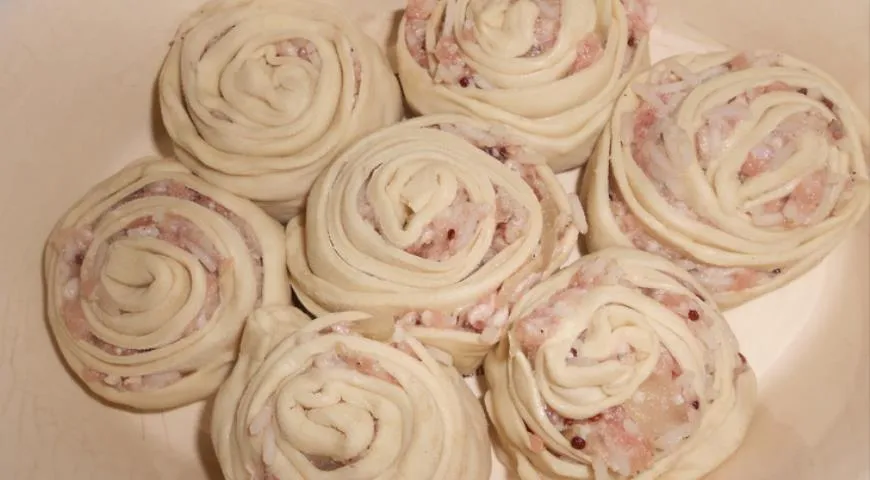
Place a generous tablespoon of filling along the center of each strip, leaving a 1‑cm border at the edges. Fold the strip lengthwise, pressing gently to enclose the filling—do not seal the edges completely. Then, roll the filled strip into a tight spiral, forming a rosette. The open ends will create a beautiful petal effect. Arrange the rosettes in a generously buttered or oiled baking dish, snugly together so they hold their shape. A commercial countertop convection oven could be used for baking, but a standard home oven works perfectly.
Step 5: Add the Vegetable Sauce
If your vegetable sauce is thick, thin it slightly with water until it reaches a pourable consistency. Pour the sauce over the strudels, ensuring each rosette is well coated but not submerged. The sauce will keep the rolls moist and add a rich, savory dimension. For a touch of brightness, you can stir in a tablespoon of tomato paste or a splash of balsamic vinegar. A steam canner is useful for preserving homemade sauce, but here we're using it fresh.
Step 6: Bake to Perfection
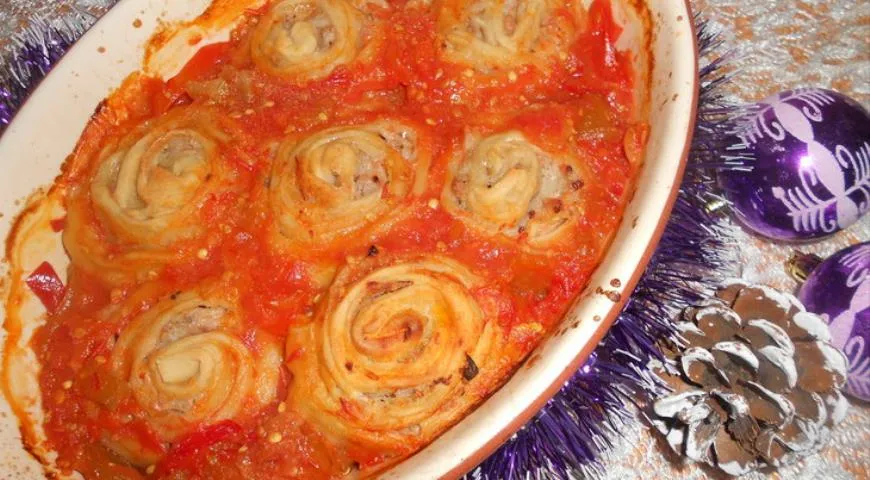
Preheat your oven to 200°C (400°F). Bake the strudels uncovered for 30–35 minutes, until the tops are golden brown and the filling is cooked through. The sauce should be bubbling around the edges. Allow the dish to rest for 5 minutes before serving—this helps the strudels set. For even browning, you can use a microwave convection combo with air fryer function. Serve warm with a dollop of sour cream or a sprinkle of fresh herbs.
Tips for Perfect Strudels
1. Dough resting: Let the dough rest after kneading to relax the gluten—it will roll out more easily and be less prone to shrinkage.
2. Filling moisture: Be sure the rice and quinoa are well drained; excess moisture can make the dough soggy.
3. Even baking: Arrange rolls close together so they support each other and bake evenly. If you prefer a crispier top, brush with melted butter before baking.
4. Tool shortcuts: A food processor for nut butter can also chop onions in seconds, saving time.
5. Checking doneness: Insert a skewer into the center of a strudel—if it comes out hot and the meat is no longer pink, it's ready.
Variations
The beauty of these strudels lies in their adaptability. Swap the minced pork for ground chicken or turkey for a leaner option. Add sautéed mushrooms, fresh spinach, or grated zucchini to the filling for extra vegetables. For a vegetarian version, substitute the meat with crumbled tofu or tempeh, and use a mushroom‑based sauce. The dough itself can be flavored with herbs like thyme or rosemary. If you enjoy exploring new flavors, consider pairing this dish with a glass of sweet wine with high alcohol content to balance the savory notes.
FAQ
Can I make the dough without a bread machine?
Absolutely. Simply mix flour, salt, egg, oil, and water by hand or using a planetary mixer with a dough hook. Knead for about 8–10 minutes until smooth and elastic. A refrigerant leak detector won't be needed, but a good thermometer helps manage water temperature.
Can I use a different grain instead of quinoa?
Yes. Farro, bulgur, or even pearl barley can replace quinoa. Adjust cooking times accordingly. For a gluten‑free option, use certified gluten‑free oats, but note the dough structure will change.
How do I store leftovers?
Cool completely, then refrigerate in an airtight container for up to 3 days. Reheat in a 180°C oven for 10 minutes to restore crispness. The sauce may thicken; add a splash of water before reheating.
What is the best vegetable sauce for this dish?
A hearty sauce with tomatoes, bell peppers, onions, and eggplant works beautifully. You can also use a good quality passata or best store‑bought au jus for prime rib diluted with water, though it will alter the flavor profile.
Can I freeze unbaked strudels?
Yes. Assemble the strudels in a freezer‑safe dish without the sauce. Freeze until solid, then transfer to a bag. To bake, thaw overnight in the fridge, add sauce, and bake as directed. A large built‑in refrigerator is ideal for storing multiple dishes.
Why are my strudels falling apart?
This usually happens if the dough is too dry or rolled too thin. Ensure the dough is supple and well moistened; also, don't overstuff the filling. Gentle handling during rolling is key. Using a sweet treat like chocolate‑covered raisins won't help here, but a little patience will!
These Strudels with Meat, Rice and Quinoa are a testament to how simple ingredients, handled with care, can produce a dish that is both heartwarming and sophisticated. Whether you serve them for a Sunday family dinner or a cozy weeknight meal, they are sure to become a cherished recipe in your repertoire.







