


If you're a fan of making bread dough, you probably already know that yeast is essential for making it rise. However, did you know that there are different types of yeast, each suitable for a specific type of dough? Now, let's explore the different types of yeast and learn how to recognize and use them in your recipes.
Fermentation is an ancient process of food transformation. The use of yeast was accidentally discovered by the Egyptians around 4000 BC. At that time, they made bread by grinding wheat on stones, mixing it with water, and baking it.

By leaving the paste exposed for a while, the fungi present in the grains, stones, and even the environment began to feed on the carbohydrates and starches in this mixture, releasing carbon dioxide as a result of the process. This caused the dough to rise during baking. Although fermentation was an almost accidental process, it was only in the 19th century that the scientist Louis Pasteur (1822-1895) managed to unravel this process.
From that moment on, industrial yeast was developed, allowing bakers to accelerate the bread fermentation process and produce it on a large scale. Currently, in addition to the natural fermentation process, similar to that used since antiquity, there are industrial yeasts, which are divided into two types: biological and chemical.
In the case of bread production, baker's yeast stands out as the most widely used. It is composed of a culture of yeasts known as Saccharomyces cerevisiae , a non-toxic fungus that has the incredible ability to metabolize carbohydrates, converting starch into food and releasing carbon dioxide (CO2) and alcohol as byproducts. These yeasts reproduce asexually, contributing to the fermentation process. There are two commercial forms of baker's yeast available: fresh yeast and instant yeast.
Now that you know the types of yeast, let's learn a little more about them, their uses, and their advantages.
Natural fermentation
As mentioned earlier, natural fermentation occurs when yeasts in the environment react with the carbohydrates and starches in a mixture of flour and water. This type of fermentation is known as levain , sourdough , or by other names, and is the basis for making bread without the use of commercial yeast. The process of preparing natural yeast involves mixing flour and water, which are left to rest. Over time, this mixture releases sugars, which are food for the yeasts. Once fed by these sugars, the yeasts release carbon dioxide, forming air bubbles that are responsible for the dough rising.
Advertising
As the yeast consumes all the sugar, the dough needs to be fed with more flour and water. This process is repeated for at least 10 days, until the mixture is ready to be used in bread making. Natural yeast triples its volume during the preparation process and, with proper maintenance, continues to grow. Therefore, part of the yeast can be stored in the refrigerator to slow down the yeast activity, being fed every fifteen days to be used in new bread recipes.
There are several benefits associated with consuming breads made with natural fermentation. First, slow fermentation aids digestion, providing a feeling of satiety. Furthermore, these breads are lighter, reducing the bloating that can occur after consuming regular bread. They also contribute to a healthy gut flora, due to the variety of microorganisms present in their composition. Finally, natural yeast gives the breads a unique flavor and aroma, with aromatic and acidic notes.
Fresh yeast
Fresh yeast is the most commonly used type in baking, such as for making bread, pizzas, and pastries. It is sold in tablets and should be stored in the refrigerator. When choosing fresh yeast, it is important to check that it is not too pasty or dry, and that it does not have dark spots or an unpleasant smell, as these are signs of deterioration due to poor storage.
This type of yeast contains more water in its composition and has a shorter shelf life compared to dry yeast. It typically lasts about 30 days when stored correctly at a temperature of 2 to 5°C. However, it is important to follow the manufacturer's instructions regarding the expiration date, especially after opening. One advantage of fresh yeast is that it contains fewer chemical additives compared to dry yeast, making it a more natural and healthy option.
Dry yeast
Dry yeast is a type of concentrated yeast with a low water content. It can be found in jars, vacuum-sealed packages, or 10-gram packets. There are two types of dry yeast: regular dry yeast and instant yeast. The difference between them is that regular dry yeast needs to be hydrated in water or milk before use, while instant yeast can be added directly to the flour.
Advertising
Both fresh and dry yeast have the same function, which is to make dough rise. However, dry yeast has a longer shelf life and higher yield. The recommended amount of dry yeast is approximately one-third of the amount of fresh yeast, due to its concentration. For example, if a recipe calls for 120 grams of fresh yeast, you should use about 40 grams of dry yeast.
Chemical baking powder
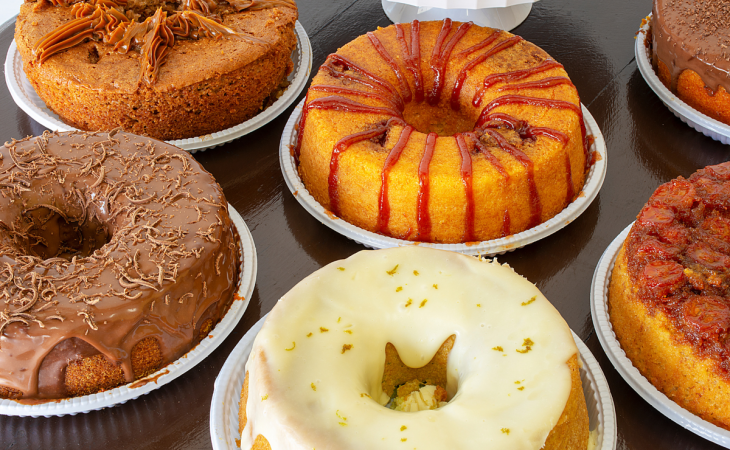
Chemical baking powder, as the name suggests, uses chemical elements instead of yeast. It is mainly used in baking, in the preparation of cakes, pies, cookies and other products. Chemical baking powder is composed of a carbonate or bicarbonate base, combined with an acid and a carrier, such as cornstarch. When it comes into contact with a liquid, such as water or milk, a chemical reaction occurs that releases carbon dioxide. This leavening agent does not require resting time for fermentation, meaning the dough can be baked immediately after its addition.
Advertising
In pastry making, there are two types of dough: those that don't contain baking powder in their formula and those that contain a percentage of baking powder to develop volume and shape. Typically, cakes with a denser, fattier dough, whether due to butter or oil, require the use of baking powder. Additionally, cakes that include chocolate in their dough tend to be heavier, and the use of baking powder helps to balance the recipe.
Now that you're familiar with the different types of yeast, you can explore a variety of delicious recipes and experience the art of baking and pastry making at home. Enjoy the aroma and flavor of fresh bread, homemade pizzas, and cakes. Check out some recipes on the website!
Best Recipes I Love Making at Home
:max_bytes(150000):strip_icc()/Simply-Recipes-Unstuffed-Peppers-LEAD-4-eaeaba3e3e914f428b747104600624b5.jpg)
Cooking homemade meals is one of my favorite ways to enjoy fresh ingredients, save money, and create comforting dishes packed with flavor. From hearty dinners to festive desserts and soft homemade cakes, these easy recipes are perfect for busy weeknights, family gatherings, and special celebrations. I always keep a mix of savory classics and sweet baked treats ready for every occasion.
Easy Chicken and Comfort Food Recipes
When I want simple and satisfying meals, I often prepare recipes from my favorite chicken recipes collection. Some of my go-to dishes include flavorful garlic chicken recipes, rich grandma sauce chicken, homemade chicken shawarma, and authentic homemade doner kebab. I also enjoy making comforting dishes like minced meat soup, stir-fried rice with vegetables, and traditional pepitoria chicken.
Favorite Homemade Desserts and Cakes
For desserts, I love browsing seasonal Christmas dessert recipes and soft homemade cakes from my favorite cake and biscuit recipes. Some standout treats include fluffy chocolate cake, profiteroles with fillings, Italian-style panna cotta, and crepes with Suzette sauce. I also regularly bake homemade apple cake, banana chocolate orange cake, gluten-free lemon yogurt cake, and classic Christmas Yule Log cake.
For even more kitchen inspiration, I also recommend trying this best brine for pork chops recipe to elevate homemade comfort meals with restaurant-quality flavor.







