


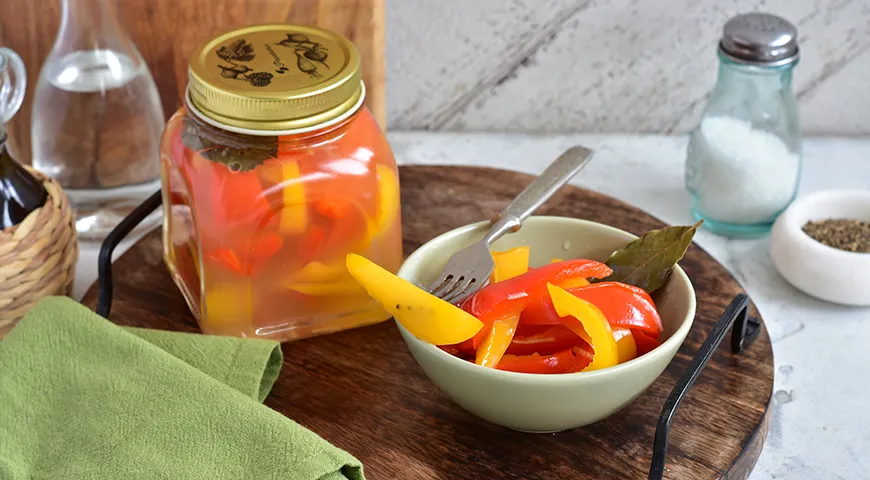
There is something profoundly satisfying about opening a jar of summer in the depths of winter. This recipe for marinated Bulgarian peppers with garlic delivers that exact joy—a vibrant, tangy-sweet preserve that transforms simple bell peppers into a luxurious antipasto, a sandwich star, or a vivid side dish. The process is straightforward, yet the result is a testament to the art of home preservation. With just a handful of ingredients and a little patience, you can capture the essence of ripe, red peppers and their perfect pairing with garlic.
About This Recipe
This classic Eastern European preserve, known in Russian as bolgarskij perec marinovannyj s chesnokom na zimu, is a staple in many pantries. The peppers are blanched in a sweet-and-sour brine infused with garlic, bay leaf, and black peppercorns, then packed into sterilized jars for long-term storage. The technique is elegant in its simplicity—no complicated canning equipment required, just a reliable refrigerator or cool storage space and a few basic tools. The result? Peppers that remain brilliantly red, tender yet with a slight crunch, and infused with a piquant marinade that complements cheese, cold cuts, or simply crusty bread.

Ingredients
- 1 kg sweet red Bulgarian peppers (or any firm red bell peppers)
- 80 ml refined vegetable oil
- 80 ml 9% white vinegar
- 80 g granulated sugar
- ½ tablespoon salt (about 10 g)
- 10 cloves garlic, peeled
- 3 bay leaves
- 10 black peppercorns
- 500 ml water
For the best texture, select peppers that are thick-walled and fully ripe. The garlic should be fresh and fragrant—if you are a garlic lover, consider using a high-quality immersion blender to finely grate it for maximum infusion.
Step-by-Step Instructions
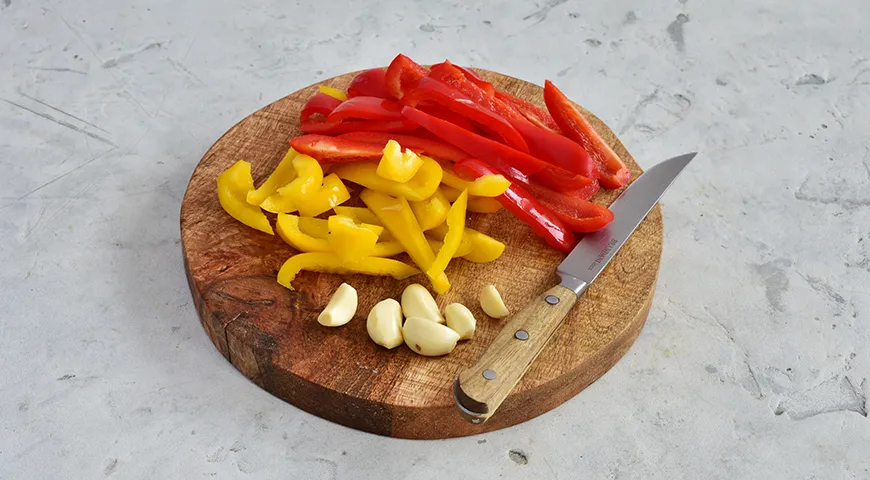
- Prepare the peppers: Wash each pepper under cold running water, scrubbing the area around the stem with a brush. Remove the stem, seeds, and white membranes. Slice the peppers lengthwise into strips about 2–3 cm wide. Peel the garlic cloves and grate them on a fine grater (or use a garlic press).
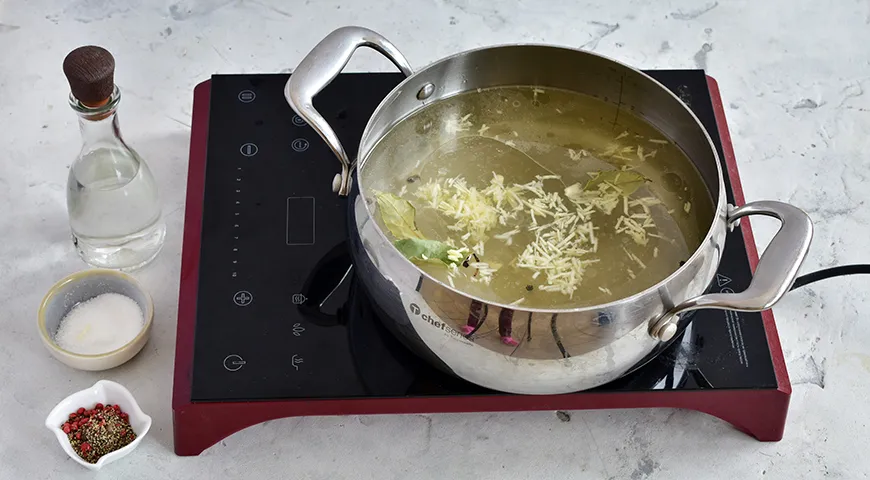
- Make the marinade: In a large pot, combine the water, vegetable oil, vinegar, grated garlic, sugar, salt, bay leaves, and peppercorns. Bring to a boil over high heat, stirring to dissolve the sugar and salt.
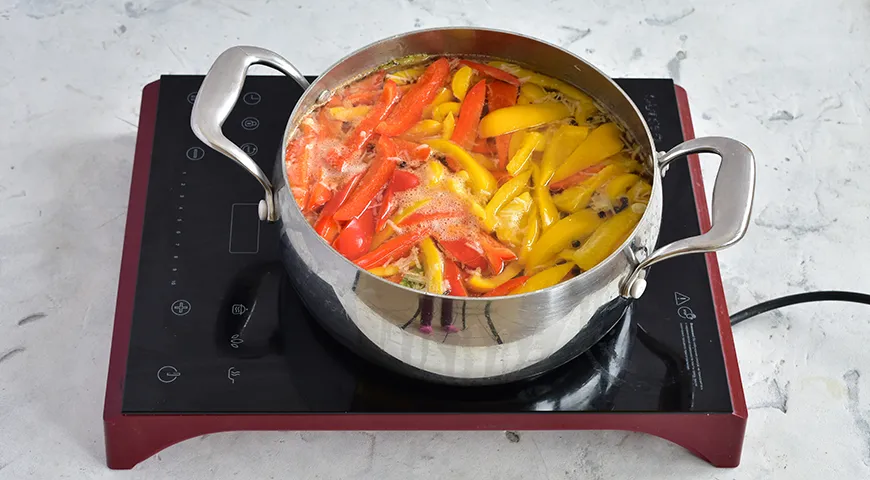
- Blanch the peppers: Once the marinade is boiling and the sugar and salt are fully dissolved, add the pepper strips. Blanch for 5 minutes after the liquid returns to a boil, cooking at a moderate heat. You may need to do this in batches to avoid overcrowding. The peppers will soften slightly but retain their shape.
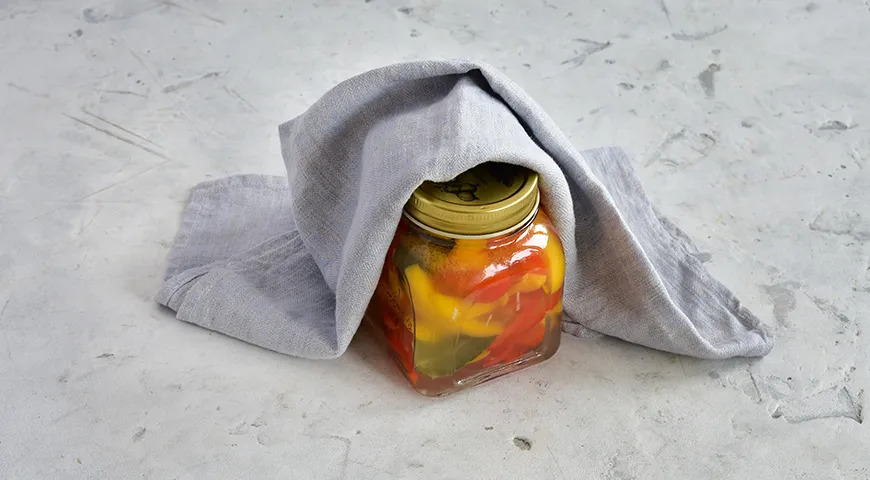
- Pack and seal: Using kitchen tongs, carefully transfer the hot peppers into clean, sterilized jars. Pour the hot marinade over the peppers, filling to the brim. Immediately seal with sterilized lids. Wrap the jars in a towel or blanket and let them cool completely at room temperature. Once cooled, store in a cool, dark place (like a pantry or cellar).
Tips for Perfect Marinated Peppers
For the best results, use a food processor to grate the garlic quickly if you are making a large batch. Sterilize jars by boiling them for 10 minutes or using a steam canner. Ensure the peppers are fully submerged in the marinade to prevent spoilage. Let the jars rest for at least two weeks before opening—the flavors deepen beautifully over time.
Variations to Explore
Add a pinch of red pepper flakes for heat, or toss in a few slices of hot chili pepper. For a smoky twist, roast the peppers over an open flame before peeling and proceeding with the recipe. You can also substitute red wine vinegar for a more complex acidity. If you prefer a sweeter profile, increase the sugar to 100 g. Serve these peppers alongside a Catalan sponge cake for an unexpected sweet-savory pairing, or use them to top a gourmet pizza. The possibilities are endless.
Frequently Asked Questions
How long do these marinated peppers keep?
When properly sealed and stored in a cool, dark place, these peppers will keep for up to one year. Once opened, refrigerate and consume within two weeks. For best longevity, use a reliable refrigerator set below 4°C.
Can I use yellow or orange peppers?
Absolutely. While red peppers provide the classic sweet flavor and vibrant colour, yellow and orange varieties work equally well. However, green peppers are less sweet and may produce a slightly bitter brine. Choose the ripest peppers available for optimal taste.
Do I need to use refined vegetable oil?
Refined oil is preferred because it has a neutral flavour that does not overpower the marinade. Extra virgin olive oil can be used for a more Mediterranean profile, but it may solidify in the refrigerator. If you plan to store the jars at cool room temperature, olive oil is fine. For inspiration, check out the best oil sprayers for drizzling.
Can I reduce the vinegar or sugar?
The vinegar and sugar are essential for preservation and balance. Reducing them may affect both shelf stability and taste. However, you can adjust within 10–15% without compromising safety. Always stick to the recommended ratios for long-term storage. If you are new to canning, consider using a microwave pressure cooker for safer processing.
What if my peppers turn soft after blanching?
Blanching for exactly 5 minutes is crucial—overcooking will lead to mushy peppers. If you prefer a firmer texture, reduce blanching time to 3 minutes. Also, choose thick-walled peppers; thin-skinned varieties soften faster. For consistent results, use a commercial countertop convection oven to dry-roast the peppers before marinating—this adds a firmer texture and deeper flavour.
Can I make this recipe without a stove?
While the traditional method requires a stovetop, you can use an air fryer to roast the peppers first (until skins blister), then peel and proceed with a quick stovetop marinade. Alternatively, a wall oven microwave combo can handle boiling water and blanching—just ensure you use microwave-safe containers.
What dishes pair well with these peppers?
These marinated peppers are incredibly versatile. Serve them on a charcuterie board with cured meats and chocolate-covered raisins for a sweet-salty contrast. Toss them into salads, layer on sandwiches, or blend into a creamy dip with castor oil (for non-culinary uses, of course). They also shine alongside grilled fish or roasted chicken—try them with a glass of sweet high-alcohol wine for an unforgettable pairing.
How do I know if the jars are sealed properly?
After the jars cool, press the center of each lid. If it does not pop back, the seal is secure. You can also run a finger around the edge to feel for any leaks. For extra peace of mind, use a refrigerant leak detector (though it’s overkill—just check by hand). Store unsealed jars in the fridge and consume within a week.
Final Thoughts
Making your own marinated Bulgarian peppers is a rewarding journey into the heart of home preservation. The bright acidity, subtle sweetness, and gentle garlic warmth create a condiment that elevates everyday meals into something special. Whether you are a seasoned canner or a curious beginner, this recipe offers a foolproof path to a pantry treasure. Grab your espresso machine for a morning coffee break after a day of canning—you’ve earned it. Share your jars with friends and family, and enjoy the taste of summer all year round.







